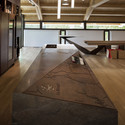

-
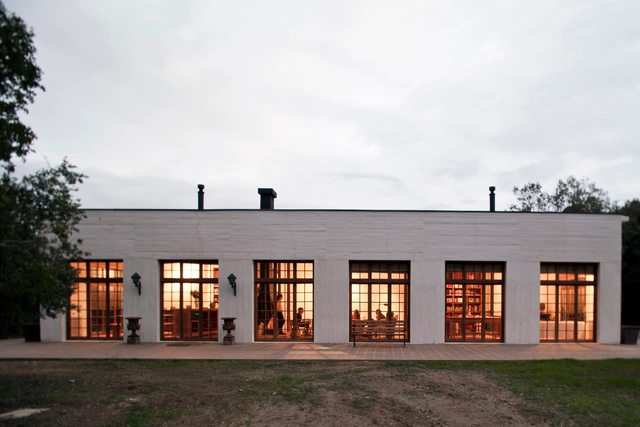
Architects: Alessandro Isola
- Area: 183 m²
- Year: 2014
In the 1970s, the principal designers at DIALOG, Norm Hotson and Joost Bakker, were commissioned by the Canadian government to redevelop Vancouver's Granville Island, a former industrial site, into a people place. The architects envisioned a radically different type of waterfront characterized - not by beaches or parks - but by varied commercial and cultural programs. Today this iconic destination, popular with both citizens and tourists alike, is recognized as a pioneering precedent for urban development across Canada. In the video above, the DIALOG duo chronicles the success of the mixed-use design, touching on how it has influenced the city of Vancouver as well as the firm’s more recent work.

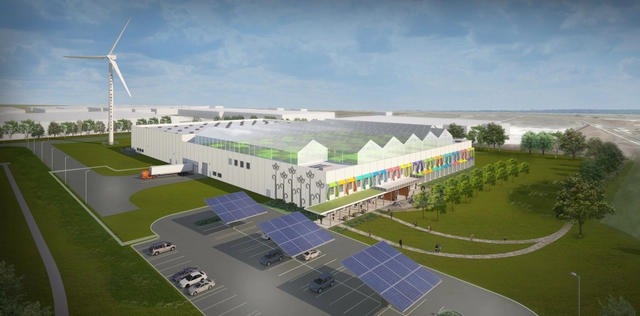
William McDonough + Partners has been selected to design Method’s first U.S. manufacturing facility on a brownfield site in Chicago’s historic Pullman community. The company, known for producing environmentally conscious cleaning products, commissioned McDonough to design an ultra clean, LEED Platinum facility constructed from Cradle to Cradle Certified materials and powered entirely by renewable energy.
In Brazil, the offshore oil mining industry is expanding. Unfortunately for oil companies though, it's expanding away from the coast, as new oil deposits are found further and further from land - so far, in fact, that they're outside the range of the helicopters that usually transport workers to and from the rigs. That's why Rice University students took on the challenge of designing "Drift & Drive," a floating community where workers and their families could stay for extended periods of time, eliminating the inconvenience of the usual "two weeks on, two weeks off" cycle.
The project won the Odebrecht Award last year, and now one of the largest petrochemical companies in Brazil, Petrobras, is working on a plan to implement elements of the design.
Read on after the break for more about how the project functions


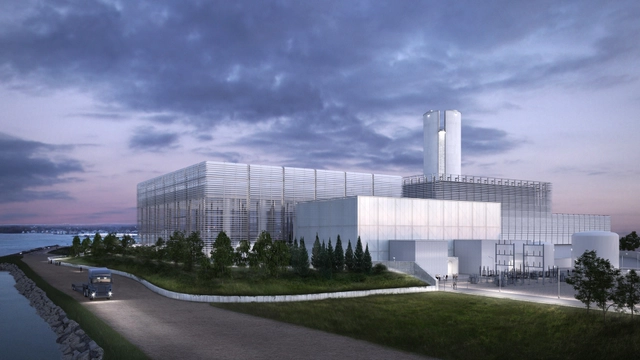
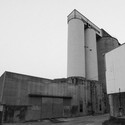
The Salem Harbor Station, built between 1948 and 1951, is a coal fired power station which occupies a 65-acre site in Salem, Massachusetts. One of the region’s dirtiest coal- and oil-burning power generators, the 748 megawatt station sits within the historical maritime hub of Salem’s waterfront. The facility is topped by three towering smokestacks that pierce the skyline, and can be seen from many parts of Salem as well as the neighboring communities of Beverly and Marblehead.
Learn more about the station's transformation after the break...