
-
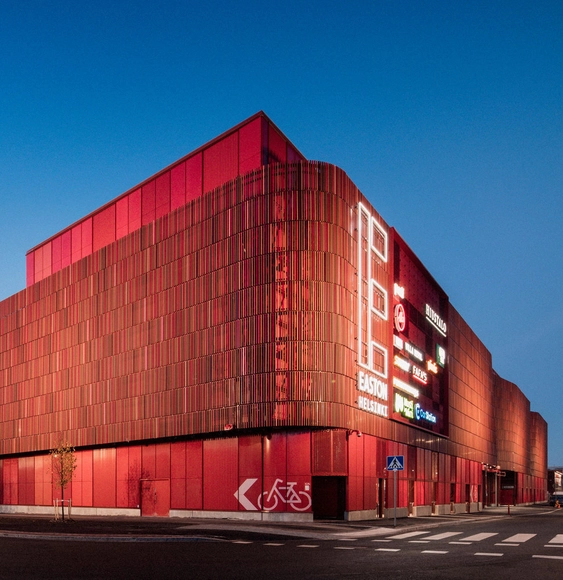
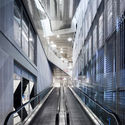
Architects: Lahdelma & Mahlamäki Architects
- Area: 66000 m²
- Year: 2017
-
Manufacturers: Ruukki
-
Professionals: Byggnadsekonomi Oy, Geometria, Haahtela, Wise Group Finland Oy



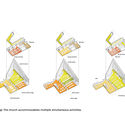
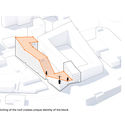
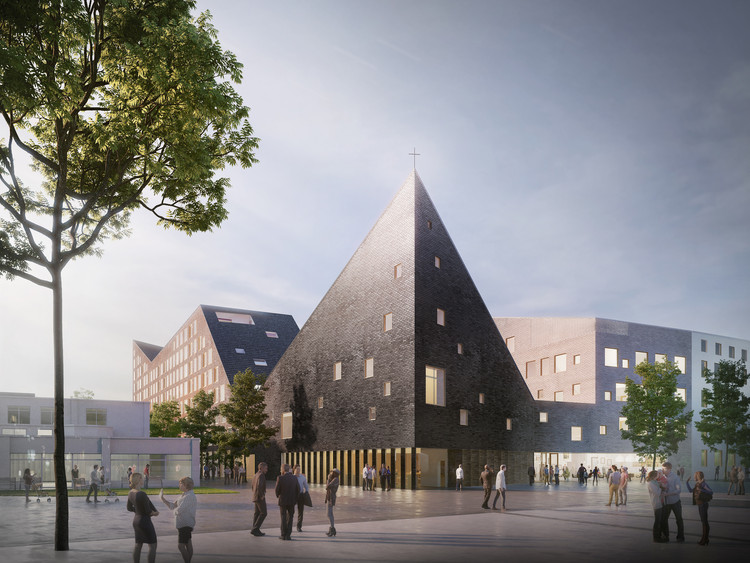
OOPEAA and Lujatalo worked together to design the winning proposal for a new multi-functional church and social housing project for Tikkurila, Helsinki entitled Church in the City. The project is unique in the way that the architect, builder, and client participated in a highly collaborative design process.
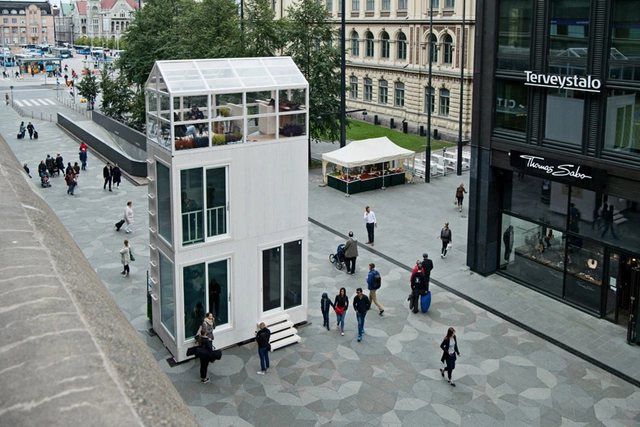
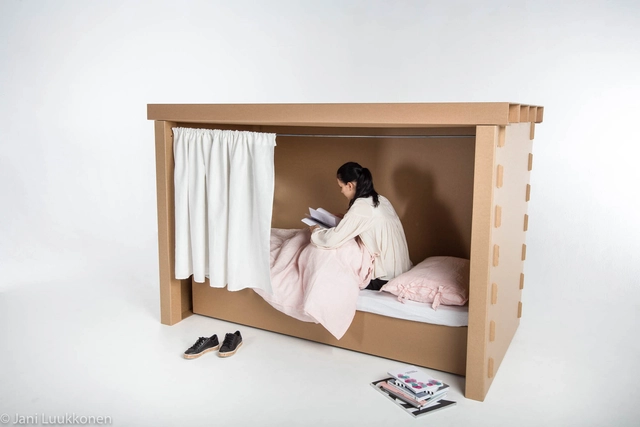
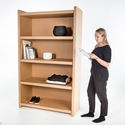
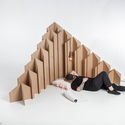
Ten third-year furniture design students from Finland's Lahti University of Applied Sciences - Institute of Design, created temporary living solutions using only plywood and corrugated cardboard. Low cost, quick and easy fabrication, with no tools necessary: Rehome is a solution for recent catastrophes, such as natural disasters and the ongoing refugee crisis, which leave many people displaced from their homes.
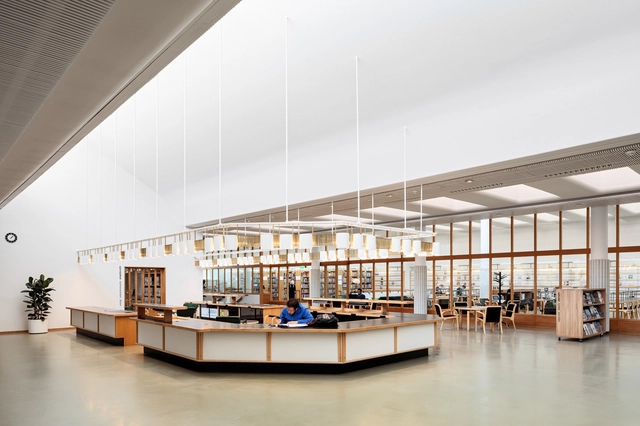
The renovation of the Aalto University Harald Herlin Learning Centre in Otaniemi, designed by NRT Architects in collaboration with JKMM Architects (interiors), has been selected as the winner of the 2017 Finlandia Prize for Architecture. Completed in 2016, the project is the first renovation to be awarded the prize. The original building was completed in 1970 to fit into the Alvar Aalto-designed Otaniemi campus plan.
Now in its fourth year, the prize was established to “increase public awareness of high quality Finnish architecture and [to highlight] its benefits for our well-being.” Last year, APRT Architects’ Rovaniemi Sports Arena, Railo took home top honors.


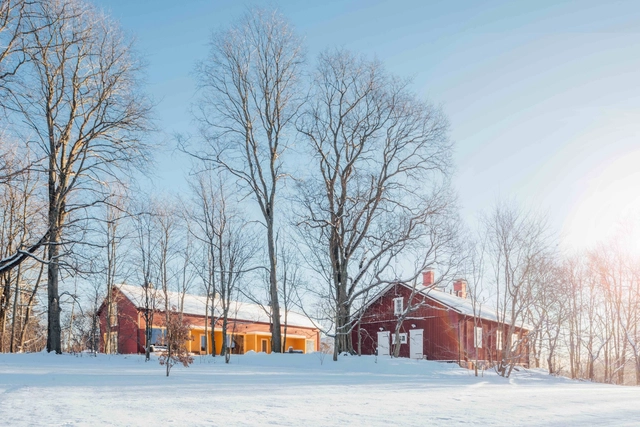
The city of Helsinki has announced the launch of a self-driving bus line that will integrate into the city’s regular transportation service. The service, known as the Helsinki RoboBusLine, is the second phase of a three-year experimentation with autonomous buses as part of the Sohjoa project, an EU-financed venture by the six largest cities of Finland, Finnish universities, and transportation authorities to prepare for new public transit services and autonomous vehicles.
The first phase of the project, debuted in August of last year, saw the implementation of two self-driving electric minibuses capable of traveling at just 11 kilometers per hour, and with an operator on board in case of emergency. The RoboBusLine will take the next step, allowing the bus to travel like a more traditional bus.
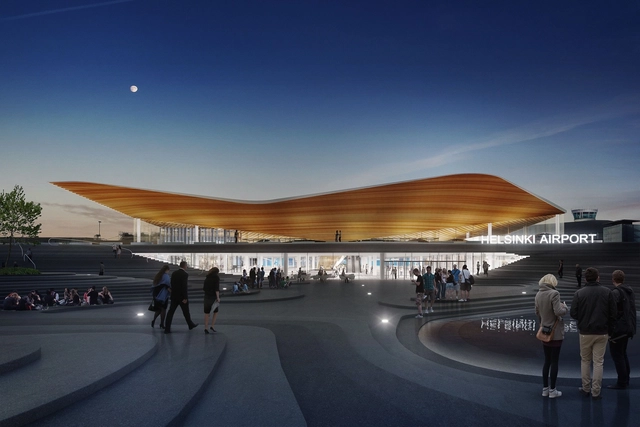
The team consisting of ALA Architects, HKP Architects and Ramboll Finland has won an invited competition for the renovation and expansion of Helsinki Airport’s Terminal 2 with their entry titled “City Hall.” Organized by Finnish airport operator Finavia, the competition asked four international firms to create a new airport plan centered around a reenvisioned terminal that will allow the airport to efficiently serve up to 20 million passengers per year.
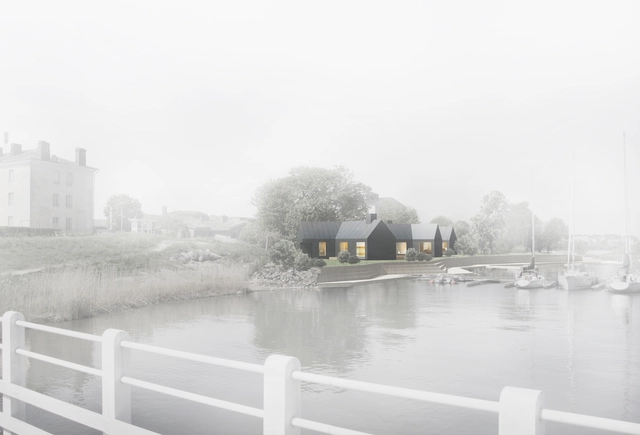
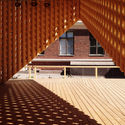
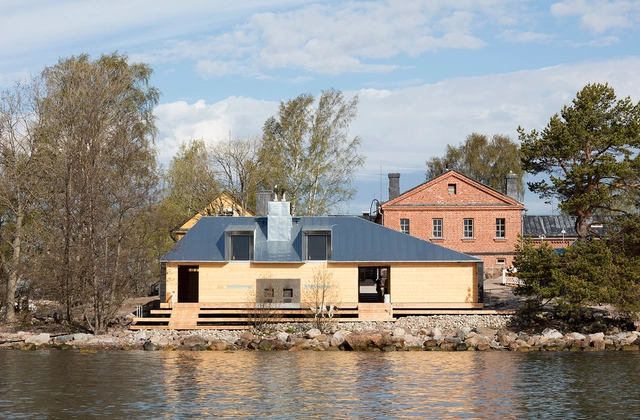
When placed in a historic landscape, contemporary architecture requires a layered approach. It must often strike a respectful, vernacular tone, whilst embracing the innovative, functional hallmarks of a modern building. This balance has particular relevance at Suomenlinna Sea Fortress, located off the coast of Helsinki, Finland. Throughout its 300-year history, it was once occupied by the armies of Sweden, Russia and Finland – a rich history attracting UNESCO World Heritage status, and almost one million annual visitors. The site is more than a museum, however, but a living district of Helsinki with 800 inhabitants and 500 jobs.
Against the prerequisites of past and present, Heikkinen & Kangasaho Architects have combined sharp, functional modernity with respectful, restrained simplicity in a new housing scheme to sit amongst Suomenlinna’s historic fortifications.

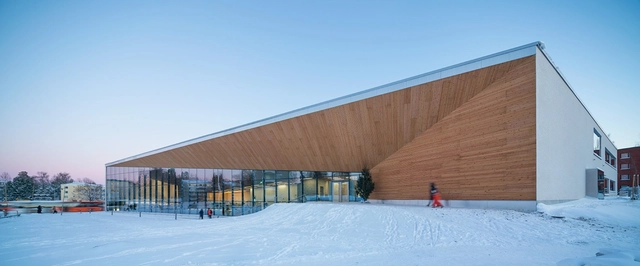
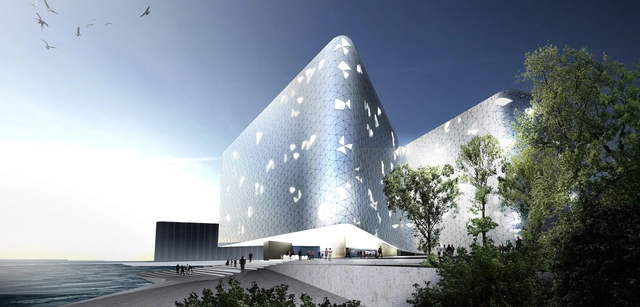
Snøhetta has been selected as the winners of an invited competition for the design of a new hotel to be located on the Hakaniemi waterfront in Helsinki, Finland. Aimed at becoming a “new beacon of Helsinki,” Hilbert’s Hotel will provide new public space for the city while increasing accommodation for visitors.
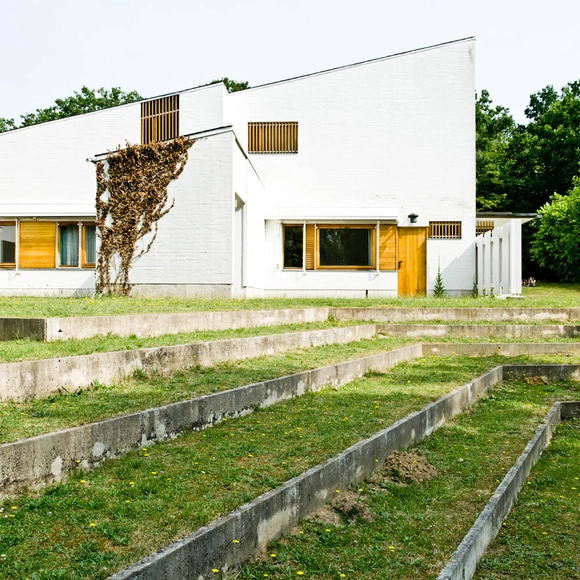
Last year saw the Alvar Aalto Foundation experience a record-breaking number of visitors at each of its four sites – a total of 42,755 as opposed to the 36,744 people that toured the sites in 2015.
Of those numbers, The Alvar Aalto Museum and the Muuratsalo Experimental House in Jyväskylä received a total of 20,005 visitors combined, half of which had arrived from outside of Finland to explore the Museum, while also continuing the recent trend of an increasing number of visits over the past five years.
After a career as a professional skateboarder, Helsinki-based Janne Saario has become one of few landscape architects in the world with a practice devoted completely to designing skate parks for young people. Saario’s designs—all of which are located in Europe—diverge from the typical brutalist stereotypes of concrete skate park masses, and rather, are site-specific and heavily influenced by their natural surroundings.
“Young people are our hope and future,” says Saario. “And by offering beautiful and meaningful surroundings to grow, like wonderful skate parks, we can make a positive change on their picture of the world and future behavior.”