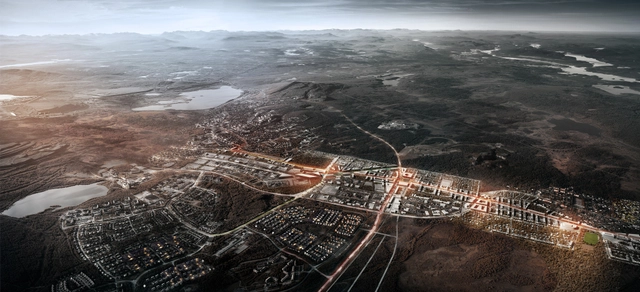
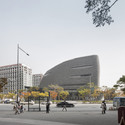
White Architects has just been selected as the winner of the competition to relocate the City Center of Kiruna, located in the north of Sweden. Their proposal, titled “Kiruna 4-ever”, creates a sustainable vision for the long-term expansion of the city eastwards. It allows for the further development and broadening of Kiruna’s mix of cultures and diverse population by creating a welcoming and global city, unique in its placement within the arctic landscape. The proposal strives to create a destination of great dignity, attractive venues and fantastic living environments. More images and architects' description after the break.
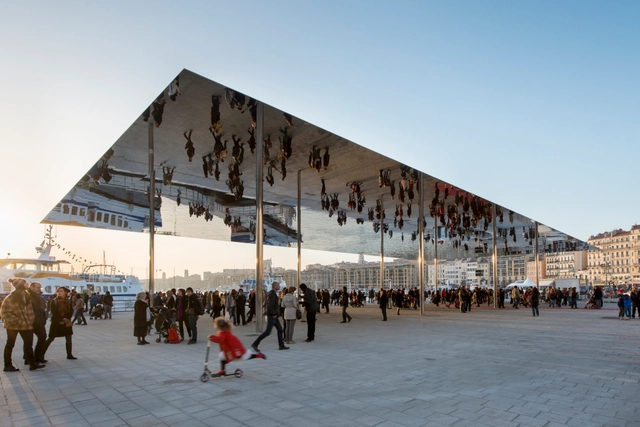
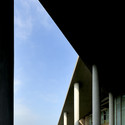
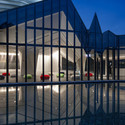
Saturday in Marseille, France, pedestrians and city officials joined Foster + Partners to celebrate the completion of the Vieux Port Pavilion at the mouth of Marseille’s World Heritage-listed harbor. Minimal, yet effective, this “discreet” intervention provides a new sheltered events space on the eastern edge of the port. With six slender pillars supporting its razor-thin profile, the polished 46 by 22 meter stainless steel canopy amplifies and reflects the surrounding movement, creating a spectacle that encourages pedestrians to linger.
More on Foster’s Vieux Port Pavilion after the break...
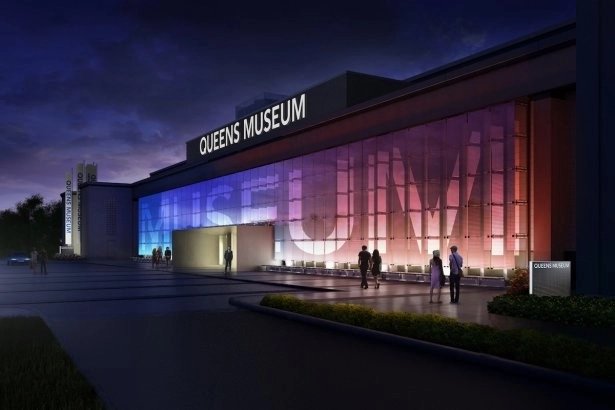
Originally constructed for the 1939 World’s Fair, the resilient structure of New York’s Queens Museum of Art has been undergoing its fourth and most ambitious renovation since April 2011. This $68 million renovation, designed by Grimshaw Architects, will double the institution’s size, expanding the museum to a total of 105,000 square feet upon its completion in October 2013.
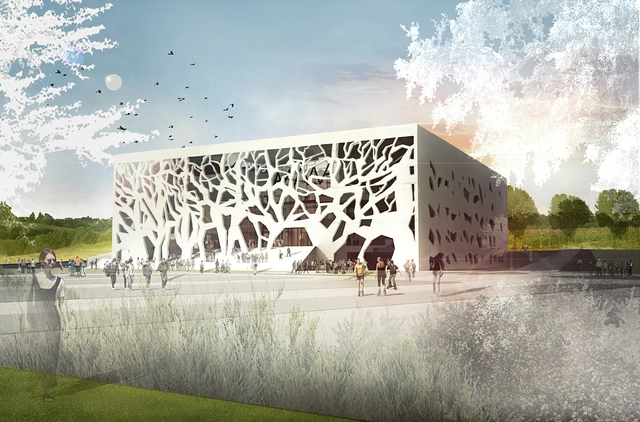
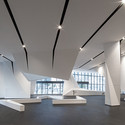
This dynamic cultural center in Grottammare, Italy, will be Bernard Tschumi Architects’ first commission in Italy. Inspired by the city's small medieval center, the roughly 7,000 square meter structure will house a variety of exhibitions, conferences and workshops in an effort to “strengthen people’s ties to the territory with which they identify” by exchanging information about the existing city and envision its possibilities for the future.
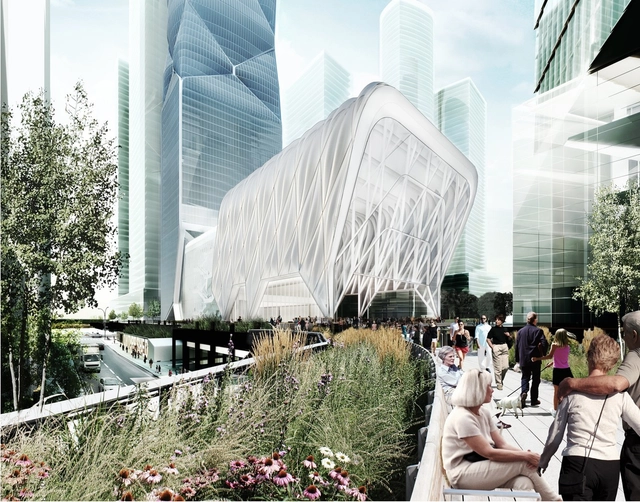
The expandable multi-use cultural venue dubbed "Culture Shed" is one of the most radical proposals to come out of New York'sHudson Yards Development Project. Designed by Diller Scofidio + Renfro - the New York-based interdisciplinary practice that played a major role in designing the High Line - in collaboration with the Rockwell Group, this 170,000 square foot cultural center will be located at the south end of the Hudson Yards, with the main entrance located near the conclusion of the High Line at West 30th Street.
More information on the Culture Shed after the break...
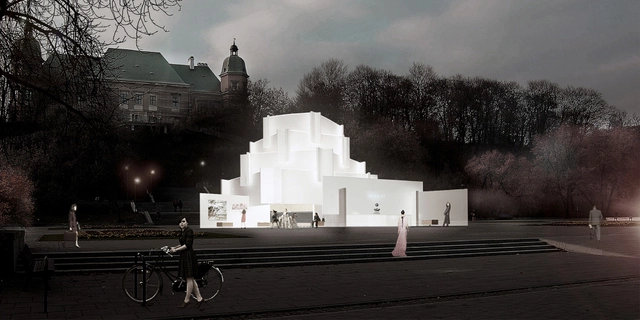
The idea of establishing Operalab – a mobile think tank - in the urban environment is the evidence of the transformation taking place in the structure of the Grand Theatre - National Opera, representing the openness and modernity of this elite cultural institution. Designed by exexe Studio, the main idea behind their proposal is the separation of part of the urban fabric, provoking creative use and generating more space rather than just designing the building. This time, it's not the audience coming to the theater, but a theater coming to the audience. More images and architects’ description after the break.
Courtesy of Söhne & Partner Architects + BET Architects
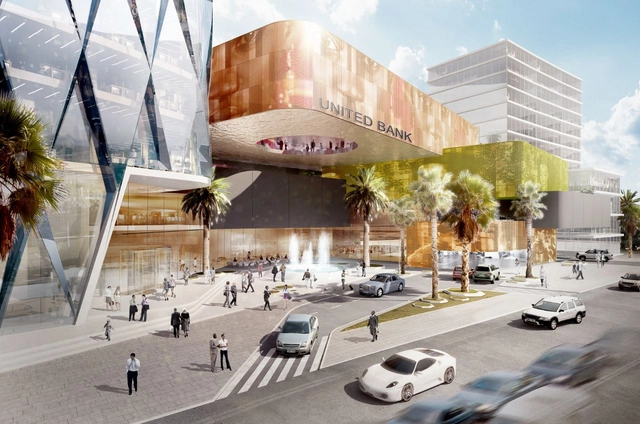
Designed by Söhne & Partner Architects + BET Architects, their proposal for the United bank of Addis Abada is represented in units coming together into a single entity in a seamless fashion. These units are the shares that make up the bank and shares are the people that came together to make this bank a reality. Conceived as a composition of a tower and podium, the form of the building is articulated with diamond shaped units interwoven together. More images and architects’ description after the break.
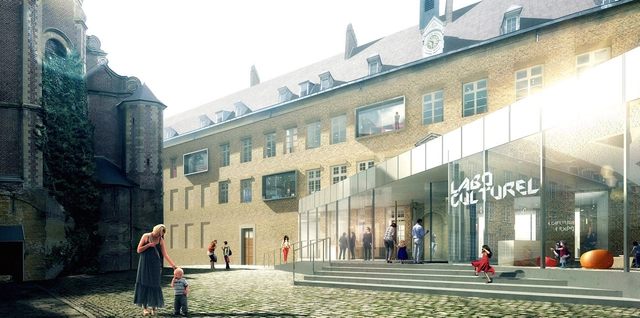
The proposal for the future Cultural Laboratory of Cambrai, designed by CAAU (Coldefy & Associés Architectes Urbanistes) aims to provide as much as possible, the addition of a contemporary building on the ground floor, allowing the laboratory to develop principally on one level. This strategic connection will also allow, in a second phase, a link with the future extension of the museum. More images and architects’ description after the break.