Videos
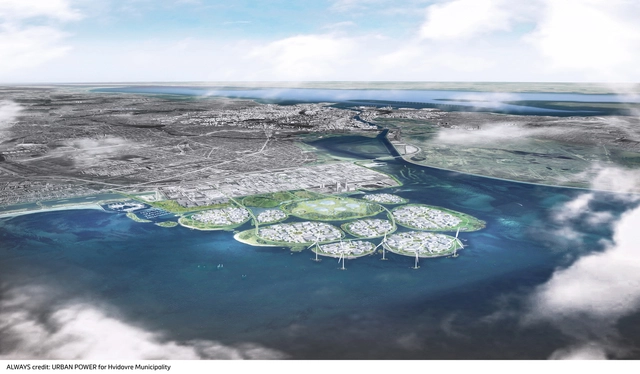
Courtesy of URBAN POWER for Hvidovre municipality
As the world population grows, designers look to develop the seas. Architecture and planning firm, URBAN POWER strategically designed nine man-made islands off the southern coast of Copenhagen to combat many of the city’s impending challenges. The islets, called Holmene, address demands for tech space, fossil-free energy production, flood barriers, and even public recreation space.
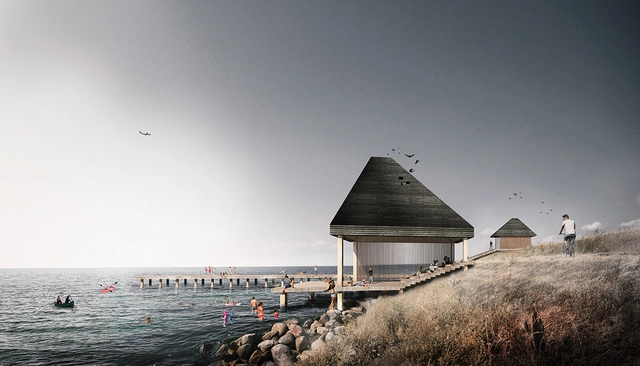
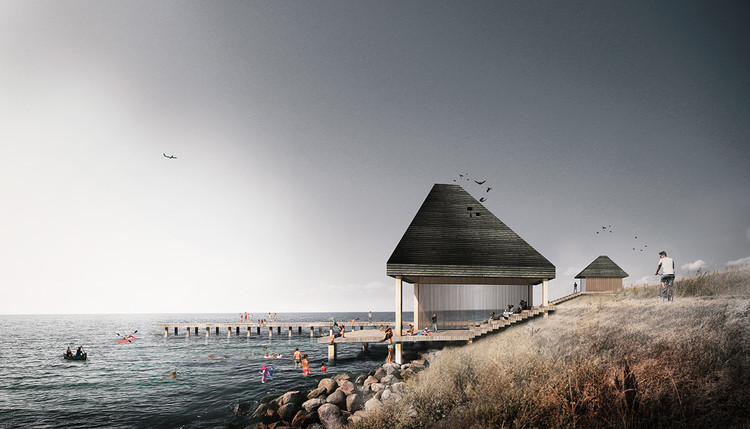
Amager Nature Park. Image Courtesy of ADEPT and Møller & Grønborg
A team of Danish designers and architects have won the competition to design seven new landmarks for Amager Nature Park near Copenhagen City Centre. ADEPT, Møller & Grønborg, SNC-Lavalin Atkins and BARK Rådgivning submitted a proposal for a series of structures featuring wooden roof forms around outdoor activities and experiences. The new landmarks are designed to create a holistic experience of the urban nature reserve and contribute to the park’s future growth.
The “Design Exchange” program is open to any senior designer with over 6 years of professional experience and offers one-week-long, organized exchanges during every quarter of 2019. Destinations already announced include Sydney (Spring 2019), Copenhagen (Summer 2019), and Singapore (Winter 2020).
https://www.archdaily.com/908141/invision-launches-free-study-abroad-program-for-designersNiall Patrick Walsh
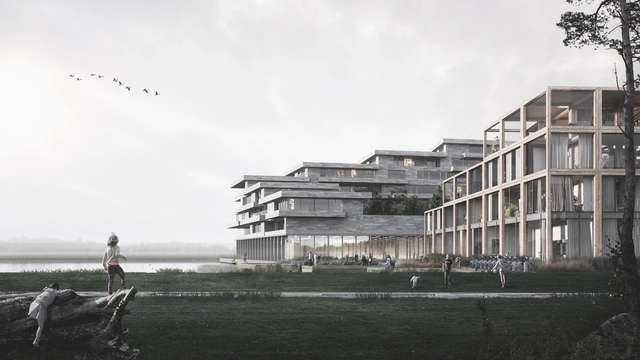
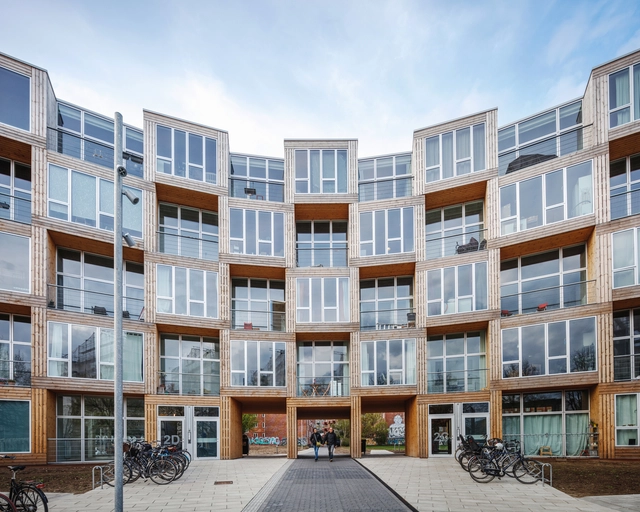
Sustainability startup Lendager Group have beat out BIG and Henning Larsen in a competition to design a new eco-village in Copenhagen, Denmark. With the project UN17 village, Lendager Group designed the first project in the world that will translate all 17 of the United Nations’ Sustainable Development Goals (SDGs) into tangible action. After nearly 25 years of planning, the 400 new homes will complete the new city district, Ørestad South.
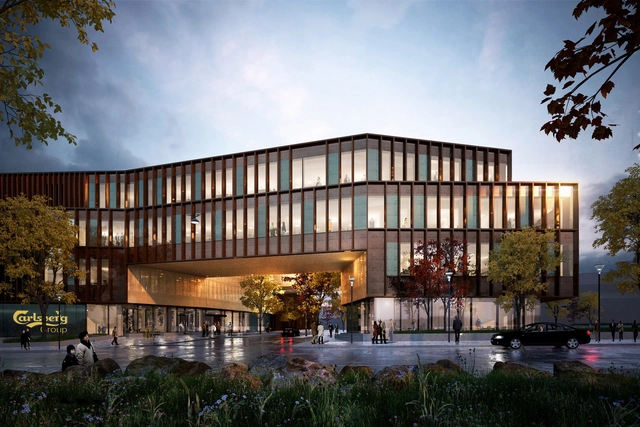
C.F. Møller Architects has unveiled new images of their proposed Carlsberg Headquarters in Copenhagen, Denmark. Construction of the scheme is well underway, with the topping out ceremony taking place in Spring 2018.
The new renders offer an insight into the scheme’s proposed external finish and interior atmosphere, including the central atrium overlooking the historic site where the famed brewery business began.
https://www.archdaily.com/907060/cf-moller-architects-unveils-images-of-new-carlsberg-headquarters-in-copenhagenNiall Patrick Walsh
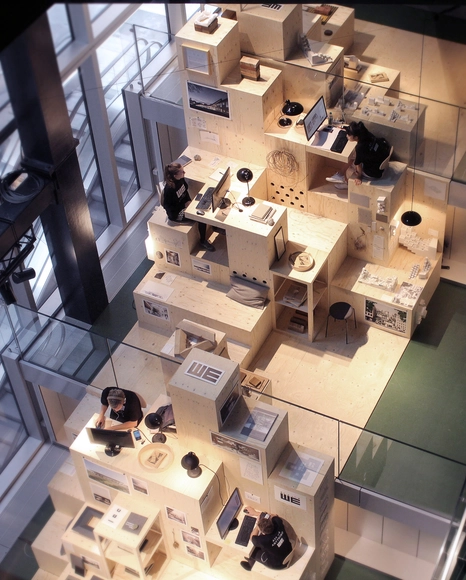
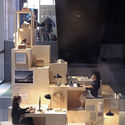
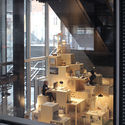
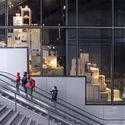
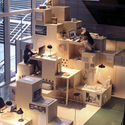
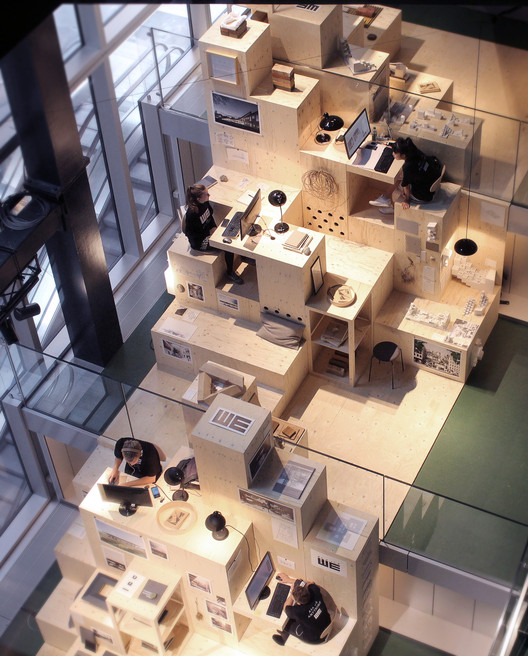
WE Architecture has unveiled its “WE” showroom at BLOX Copenhagen, the new gathering point of Danish architecture, design, and new ideas. The BLOX showroom consists of a staircase gallery showcasing “the next wave of Danish architecture – told and conveyed by a number of invited talented and distinguished young Danish architectural companies.”
The “pixelated” installation uses the steps of the BLOX staircase gallery to create an integrated workstation and exhibition for the firm’s projects, presented through models, renders, technical drawings, sketches etc.
https://www.archdaily.com/905006/we-architecture-unveils-pixelated-pop-up-architecture-office-at-blox-copenhagenNiall Patrick Walsh
The more architecture students that I converse with, the more I hear this common dissent amongst them: “I don’t want to become an architect.” Despite participating in long studio hours for a five-year professional degree, somehow very few peers actually want to become the kind of architects that create buildings.
Aside from the conventional alternatives of interior or graphic design, there is a rising trend in the popularity of firms that use architectural skills for beyond the scope of designing luxury condominiums for wealthy clients. For prospective architects (and current ones), below are examples of firms that may not be what one initially imagines to do with their degree, but a taste of the potential of what they can.
This article was originally published on July 28, 2016. To read the stories behind other celebrated architecture projects, visit our AD Classics section.
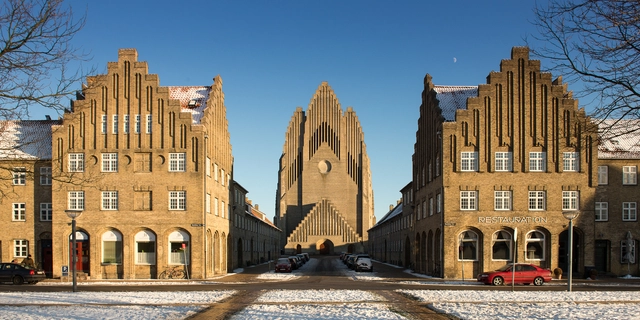
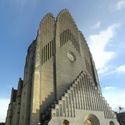
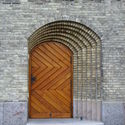
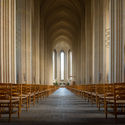
Six million yellow bricks on a hilltop just outside Copenhagen form one of the world’s foremost, if not perhaps comparatively unknown, Expressionist monuments. Grundtvigs Kirke (“Grundtvig’s Church”), designed by architect Peder Vilhelm Jensen Klint, was built between 1921 and 1940 as a memorial to N.F.S. Grundtvig – a famed Danish pastor, philosopher, historian, hymnist, and politician of the 19th century.[1] Jensen Klint, inspired by Grundtvig’s humanist interpretation of Christianity, merged the scale and stylings of a Gothic cathedral with the aesthetics of a Danish country church to create a landmark worthy of its namesake.[2]
It was decided in 1912 that Grundtvig, who had passed away in 1873, had been so significant to Danish history and culture that he merited a national monument. Two competitions were held in 1912 and 1913, bringing in numerous design submissions for statues, decorative columns, and architectural memorials.[3]
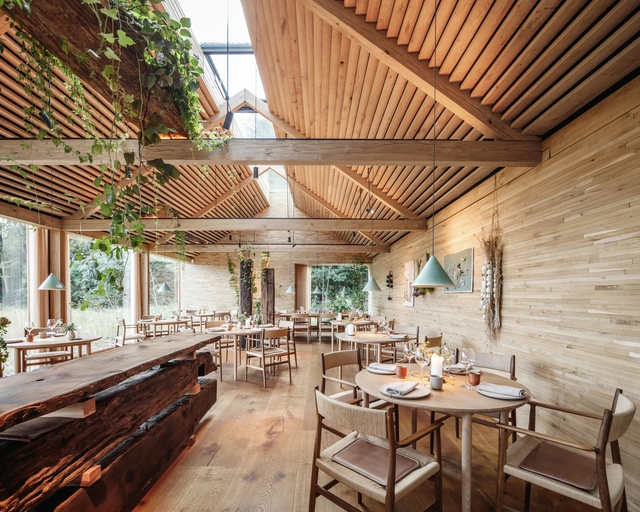
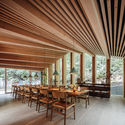
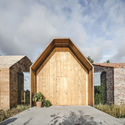
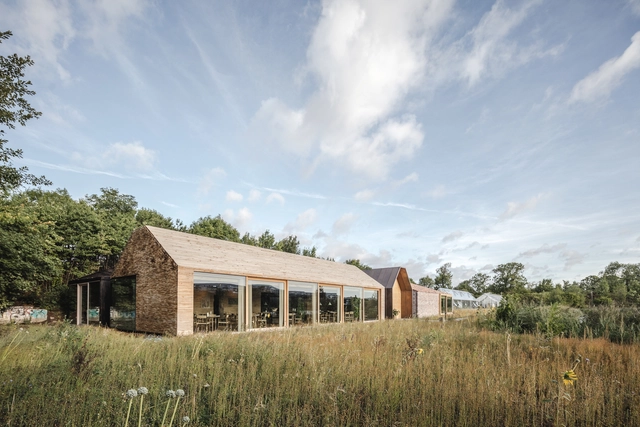
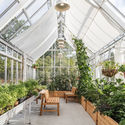
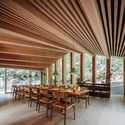
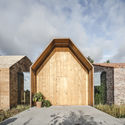
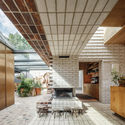
Bjarke Ingels Group has designed a cluster of buildings as the new home for Noma, one of the world’s most acclaimed restaurants. Situated between two lakes within the community of Christiania in Copenhagen. Built on the site of an ex-military warehouse once used to store mines for the Royal Danish Navy, the project is imagined as an intimate culinary garden village. With interiors completed in collaboration with Studio David Thulstrup, the project dissolves the restaurant’s individual functions into a collection of separate yet connected buildings.
Andres Gallardo's ongoing Urban Geometry series captures unique forms, colors, and shadows of modern architecture of various cities. The project is a personal one for Gallardo, as it has been a long-term photo series that has accompanied him throughout his journey in becoming a professional photographer, displaying his development and evolution as he captures the architectural beauty of cities such as Beijing, Helsinki, Seoul, and Copenhagen.
Below is the Copenhagen chapter of the series, a visual poem that allows us to see the city in new ways. Through flowing line and bright bursts of color, Gallardo displays an almost surreal version of the city, where the jagged forms and smooth curves of its modern architecture have replaced human presence.
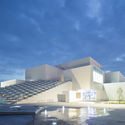
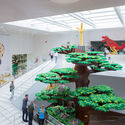
Bjarke Ingels Group’s LEGO House and DISSING + WEITLING’s Bicycle Snake have been recognized by the 2018 Danish Design Awards, an initiative which “highlights the impact and value of design, celebrates companies and designers across the country and showcases the difference their solutions make to industry, everyday life, and society at large.”
The LEGO House was victorious in the “Feel Good” category, while the Bicycle Snake was awarded the “Icon Award.”
























.jpg?1527868899&format=webp&width=640&height=580)


.jpg?1527868899)