1. ArchDaily
  2. Cape Town

Cape Town: The Latest Architecture and News

How to Change Cities With Culture: 10 Tips Using UNESCO

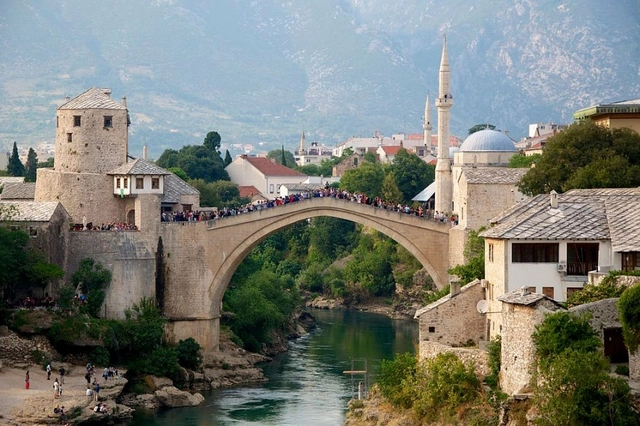
This article, written by Svetlana Kondratyeva and translated by Olga Baltsatu for Strelka Magazine, examines the most interesting cases of the role of culture in sustainable urban development based on the UNESCO report.

UNESCO published the Global Report on Culture for Sustainable Urban Development in the fall of 2016. Two UN events stimulated its creation: a document entitled Transforming our World: the 2030 Agenda for Sustainable Development, which emphasizes seventeen global goals for future international collaboration, was signed in September of 2015 at the Summit in New York. Habitat III, the conference held once in twenty years and dedicated to housing and sustainable urban development, took place in Ecuador in October of 2016. The question of culture’s role in urban development, and what problems it can solve, was raised at both events. To answer it, UNESCO summarized global experience and included successful cases of landscaping, cultural politics, events, and initiatives from different corners of the world in the report.

How to Change Cities With Culture: 10 Tips Using UNESCO - Image 6 of 4

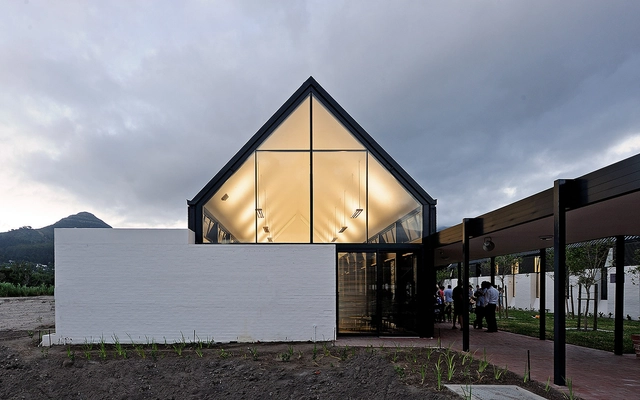
Stellenbosch University Faculty of Medicine / MLB Architects

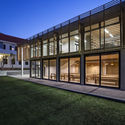
Stellenbosch University Faculty of Medicine / MLB Architects - University, FacadeStellenbosch University Faculty of Medicine / MLB Architects - University, FacadeStellenbosch University Faculty of Medicine / MLB Architects - University, FacadeStellenbosch University Faculty of Medicine / MLB Architects - UniversityStellenbosch University Faculty of Medicine / MLB Architects - More Images+ 14

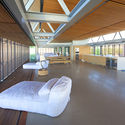
Urban Man Cave / Inhouse Brand Architects

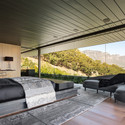
Urban Man Cave / Inhouse Brand Architects - Adaptive Reuse, Bedroom, Table, Chair, BedUrban Man Cave / Inhouse Brand Architects - Adaptive Reuse, FacadeUrban Man Cave / Inhouse Brand Architects - Adaptive Reuse, Facade, HandrailUrban Man Cave / Inhouse Brand Architects - Adaptive Reuse, Table, ChairUrban Man Cave / Inhouse Brand Architects - More Images+ 16

  • Area Area of this architecture project Area:  195
  • Year Completion year of this architecture project Year:  2016
  • Manufacturers Brands with products used in this architecture project
    Manufacturers:  Chaircrazy, Florstore OnTrend, Hertex, Home Fabrics, JP Miller, +5

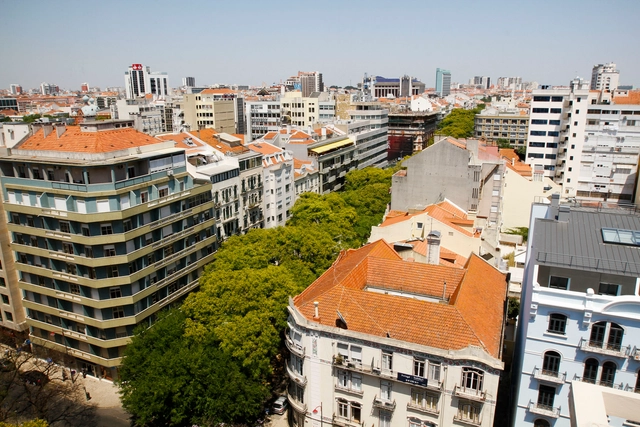
The World's Most Creative Neighborhoods: Metropolis Names Mumbai, Lagos and Lisbon Among Top Ten

From Yaba in Lagos to the suburb of Bandra in Mumbai, Metropolis Magazine provides a scenic tour around the world’s “most creative” neighborhoods. Spread across ten rapidly growing cities like Cape Town and Turin, the article provides a comprehensive glimpse into these lesser discussed hubs of creativity.

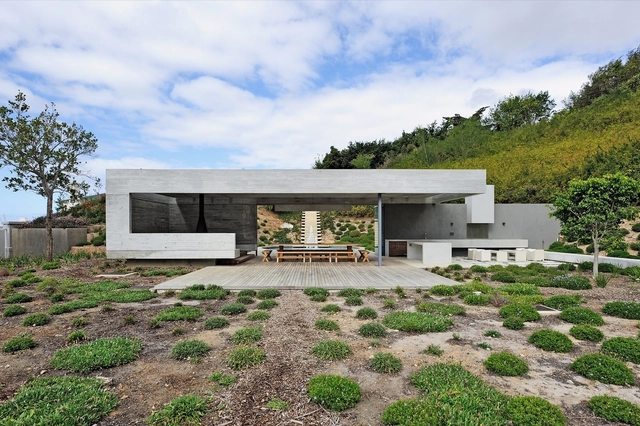
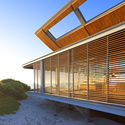
The Midden Garden Pavilion / Metropolis Design

The Midden Garden Pavilion  / Metropolis Design - HousesThe Midden Garden Pavilion  / Metropolis Design - HousesThe Midden Garden Pavilion  / Metropolis Design - HousesThe Midden Garden Pavilion  / Metropolis Design - HousesThe Midden Garden Pavilion  / Metropolis Design - More Images+ 22

Cape Town, South Africa

House in Constantia Valley / Metropolis Design

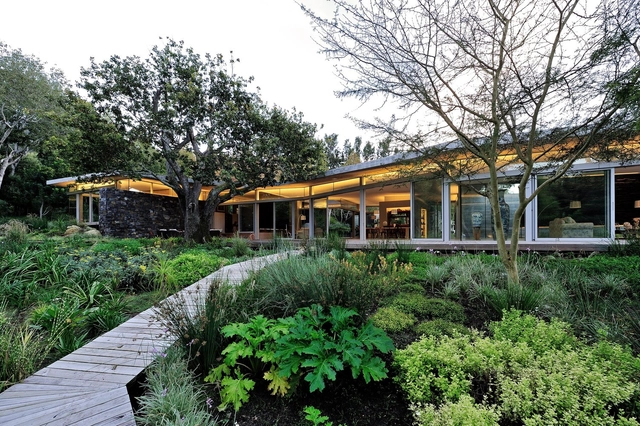
House in Constantia Valley / Metropolis Design - Houses, Patio, Beam, Facade, Table, Chair, BenchHouse in Constantia Valley / Metropolis Design - Houses, Garden, FacadeHouse in Constantia Valley / Metropolis Design - Houses, BeamHouse in Constantia Valley / Metropolis Design - Houses, FacadeHouse in Constantia Valley / Metropolis Design - More Images+ 19

Cape Town, South Africa

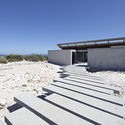
Rooiels Beach House / Elphick Proome Architects

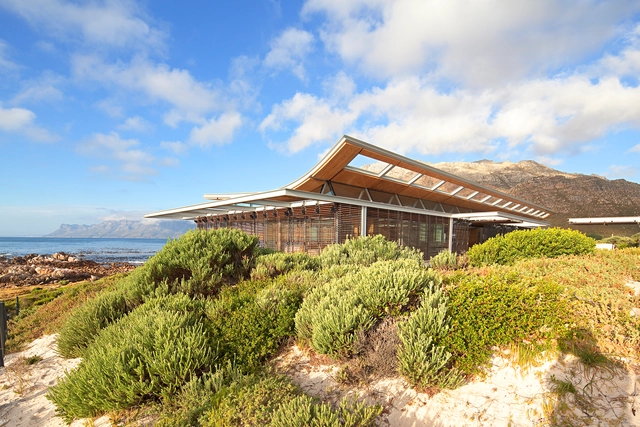
Rooiels Beach House / Elphick Proome Architects  - Houses, Deck, Beam, Facade, Handrail, CoastRooiels Beach House / Elphick Proome Architects  - Houses, Beam, HandrailRooiels Beach House / Elphick Proome Architects  - Houses, Stairs, FacadeRooiels Beach House / Elphick Proome Architects  - Houses, Beam, FacadeRooiels Beach House / Elphick Proome Architects  - More Images+ 32

Cape Town, South Africa
  • Area Area of this architecture project Area:  885
  • Year Completion year of this architecture project Year:  2013
  • Manufacturers Brands with products used in this architecture project
    Manufacturers:  Caesarstone, Cover Frameless Glass, Escenium HAUS, Smeg

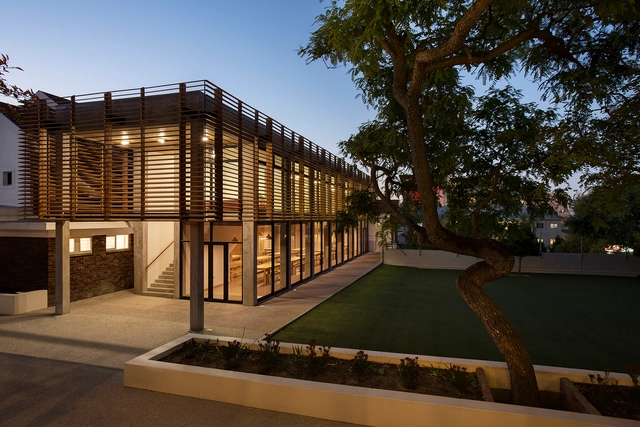
French School Cape Town / Kritzinger Architects

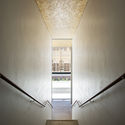
French School Cape Town / Kritzinger Architects - Schools , Facade, Table, ChairFrench School Cape Town / Kritzinger Architects - Schools , Stairs, Handrail, DoorFrench School Cape Town / Kritzinger Architects - Schools , Courtyard, FacadeFrench School Cape Town / Kritzinger Architects - Schools , Facade, Table, ChairFrench School Cape Town / Kritzinger Architects - More Images+ 17

Cape Town, South Africa

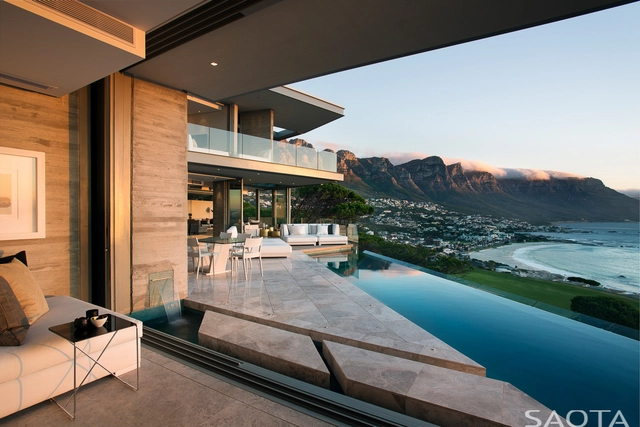
OVD 919 / SAOTA

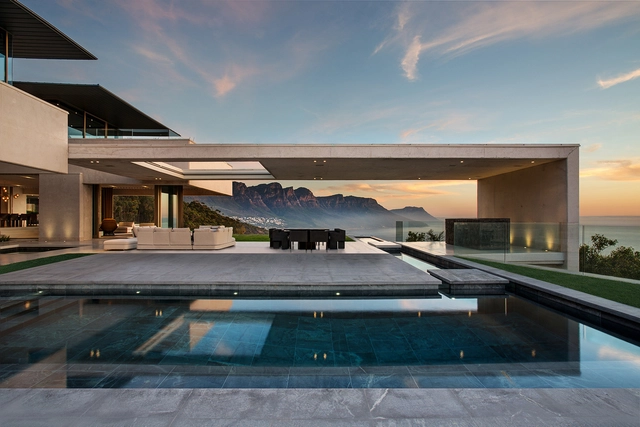
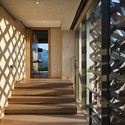
OVD 919 / SAOTA - Houses, Beam, Handrail, Facade, Door, Stairs, ArchOVD 919 / SAOTA - Houses, FacadeOVD 919 / SAOTA - Houses, Deck, FacadeOVD 919 / SAOTA - Houses, Beam, Table, ChairOVD 919 / SAOTA - More Images+ 14

Cape Town, South Africa
  • Architects: SAOTA
  • Year Completion year of this architecture project Year:  2014

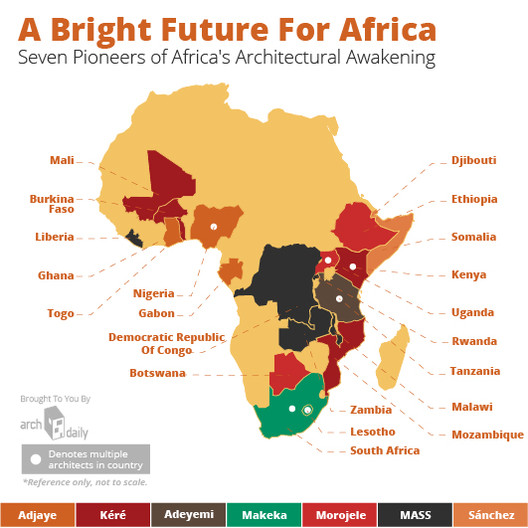
7 Architects Designing a Diverse Future in Africa

Subscriber Access | 

As the legacy of the Cold War fades and Western preeminence gradually becomes a thing of the past, population booms in Asia followed by the growth of a vast non-western middle class have seriously challenged the Western perception of the world. The East has become the focal point of the world’s development.

If East Asia is the present focal point of this development, the future indisputably lies in Africa. Long featuring in the Western consciousness only as a land of unending suffering, it is now a place of rapidly falling poverty, increasing investment, and young populations. It seems only fair that Africa’s rich cultures and growing population (predicted to reach 1.4 billion by 2025) finally take the stage, but it’s crucially important that Africa’s future development is done right. Subject to colonialism for centuries, development in the past was characterized by systems that were designed for the benefit of the colonists. Even recently, resource and energy heavy concrete buildings, clothes donations that damage native textile industries, and reforestation programs that plant water hungry and overly flammable trees have all been seen, leaving NGOs open to accusations of well-meaning ignorance.

Fortunately, a growth in native practices and a more sensible, sensitive approach from foreign organizations has led to the rise of architectural groups creating buildings which learn from and improve Africa. Combining local solutions with the most appropriate Western ideas, for the first time these new developments break down the perception of monolithic Africa and have begun engaging with individual cultures; using elements of non-local architecture when they improve a development rather than creating a pastiche of an imagined pan-African culture. The visions these groups articulate are by no means the same - sustainable rural development, high end luxury residences and dignified civic constructions all feature - but they have in common their argument for a bright future across Africa. We’ve collected seven pioneers of Africa’s architectural awakening - read on after the break for the full article and infographic.

7 Architects Designing a Diverse Future in Africa - Image 1 of 47 Architects Designing a Diverse Future in Africa - Image 2 of 47 Architects Designing a Diverse Future in Africa - Image 3 of 47 Architects Designing a Diverse Future in Africa - Image 4 of 47 Architects Designing a Diverse Future in Africa - More Images+ 24

Clifton 2A / SAOTA

Clifton 2A / SAOTA - HousesClifton 2A / SAOTA - HousesClifton 2A / SAOTA - HousesClifton 2A / SAOTA - HousesClifton 2A / SAOTA - More Images+ 11

Cape Town, South Africa
  • Architects: SAOTA
  • Area Area of this architecture project Area:  1120
  • Year Completion year of this architecture project Year:  2014

FIRTH 114802 / Three14 Architects

FIRTH 114802 / Three14 Architects - HousesFIRTH 114802 / Three14 Architects - HousesFIRTH 114802 / Three14 Architects - HousesFIRTH 114802 / Three14 Architects - HousesFIRTH 114802 / Three14 Architects - More Images+ 18

Cape Town, South Africa
  • Architects: Three14 Architects
  • Area Area of this architecture project Area:  340
  • Year Completion year of this architecture project Year:  2014

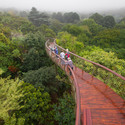
Kirstenbosch Centenary tree canopy walkway / Mark Thomas Architects

Kirstenbosch Centenary tree canopy walkway / Mark Thomas Architects - Bridges , Fence, ForestKirstenbosch Centenary tree canopy walkway / Mark Thomas Architects - Bridges , Garden, Arch, ForestKirstenbosch Centenary tree canopy walkway / Mark Thomas Architects - Bridges , Fence, Handrail, Forest, CoastKirstenbosch Centenary tree canopy walkway / Mark Thomas Architects - Bridges , Stairs, ForestKirstenbosch Centenary tree canopy walkway / Mark Thomas Architects - More Images+ 26

In Images: South Africa's Stunning Treetop Walkway

Subscriber Access | 

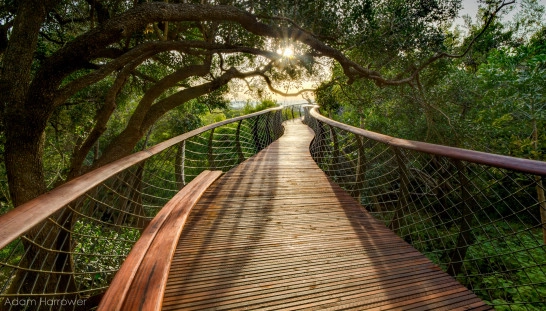
The much anticipated Treetop Walkway through the Arboretum in Cape Town's Kirstenbosch Botanical Garden is now open to the public. Located 11 metres above the ground, the galvanised steel and timber structure offers breathtaking views from the treetops. The project, a collaboration between Mark Thomas Architects and Henry Fagan & Partners consulting engineers, has been nicknamed Boomslang - a large, highly venomous African tree snake - due to its elevated, twisting form. Check out the stunning photographs by Adam Harrower, a horticulturist at the garden, after the break.

In Images: South Africa's Stunning Treetop Walkway  - Image 1 of 4In Images: South Africa's Stunning Treetop Walkway  - Image 2 of 4In Images: South Africa's Stunning Treetop Walkway  - Image 3 of 4In Images: South Africa's Stunning Treetop Walkway  - Image 4 of 4In Images: South Africa's Stunning Treetop Walkway  - More Images+ 5

Students and Community Members Come Together to Construct Theater in Cape Town Township

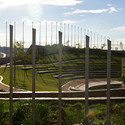
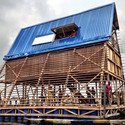
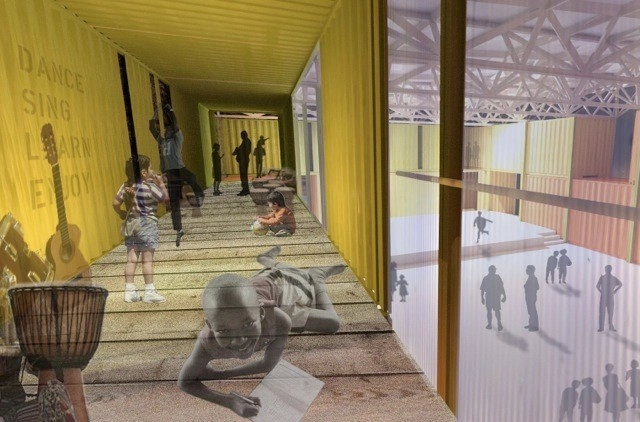
The Guga S’Thebe Arts and Cultural Centre in Langa, Cape Town's oldest township, is expanding to include a theatre exclusively for children and adolescents. The main component of the theatre, set for completion this fall, will be a large, multi-functional space for hosting performances. The project, a collaborative effort between future users and international architecture students, is aimed at stimulating sustainable development while widening the possibilities for the target demographic. To check out more project images, continue after the break.

Cape Town Adopts Re-Blocking Strategy for Informal Settlements

Subscriber Access | 

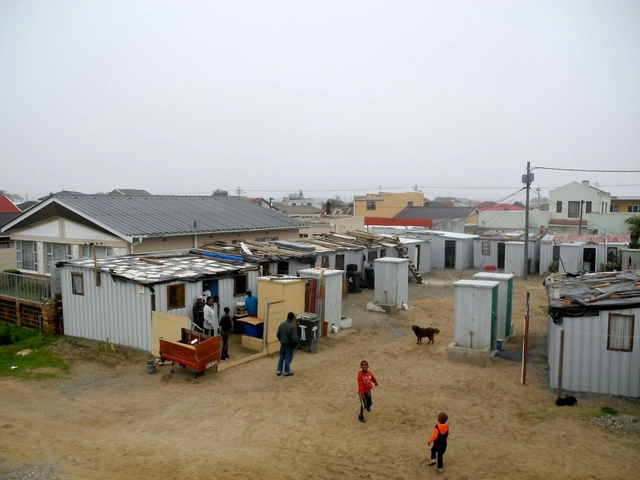
The city of Cape Town has adopted a new strategy for improving informal settlements - re-blocking, "the reconfiguration and repositioning of shacks in very dense informal settlements in accordance to a community-drafted spatial framework." Re-blocking serves to create communal spaces, make neighborhoods safer, and improve dwelling structures - among many other things. To see how it has been implemented and where, head to Future Cape Town and continue reading here.

Heatherwick to Transform Cape Town's Grain Silo into Contemporary Art Museum

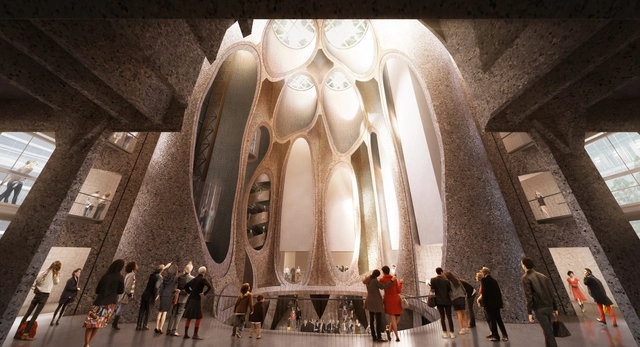
Imagine forty-two, 33 meter high concrete tubes each with a diameter of 5.5 meters, with no open space to experience the volume from within. The brief from the Zeitz Museum of Contemporary Art Africa (Zeitz MOCAA) for London-based Heatherwick Studio was to "reimagine the Grain Silo Complex at Cape Town's V&A Waterfront with an architectural intervention inspired by its own historic character," calling for a "solution unique for Africa" in order to create "the highest possible quality of exhibition space for the work displayed inside." Heatherwick's response will be the creation of a "a new kind of museum in an African context."

The International School of Hout Bay / Luis Mira Architects + StudioMAS + Sergio Aguilar

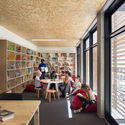
The International School of Hout Bay / Luis Mira Architects + StudioMAS + Sergio Aguilar - Renovation, FacadeThe International School of Hout Bay / Luis Mira Architects + StudioMAS + Sergio Aguilar - Renovation, Table, ChairThe International School of Hout Bay / Luis Mira Architects + StudioMAS + Sergio Aguilar - Renovation, Courtyard, Facade, HandrailThe International School of Hout Bay / Luis Mira Architects + StudioMAS + Sergio Aguilar - Renovation, Stairs, Beam, HandrailThe International School of Hout Bay / Luis Mira Architects + StudioMAS + Sergio Aguilar - More Images+ 37