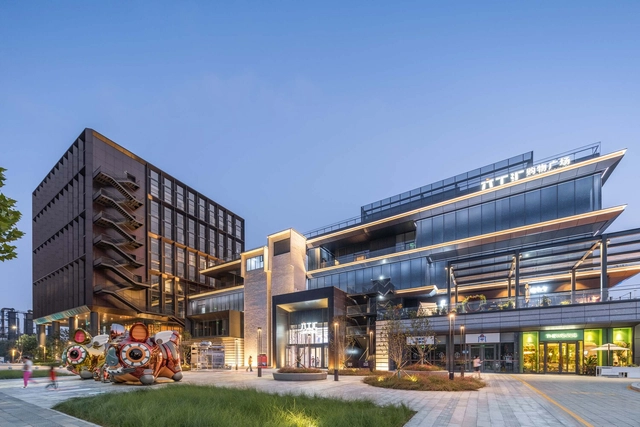
beijing: The Latest Architecture and News
Liugong Hui Mall / CCTN Design + BEIJING SHOUGANG INTERNATIONAL ENGINEERING TECHNOLOGY


https://www.archdaily.com/995084/liugong-hui-mall-cctn-design-plus-beijing-shougang-international-engineering-technologyCollin Chen
Juanzong Bookstore and Yi Shan Children’s Books / genarchitects
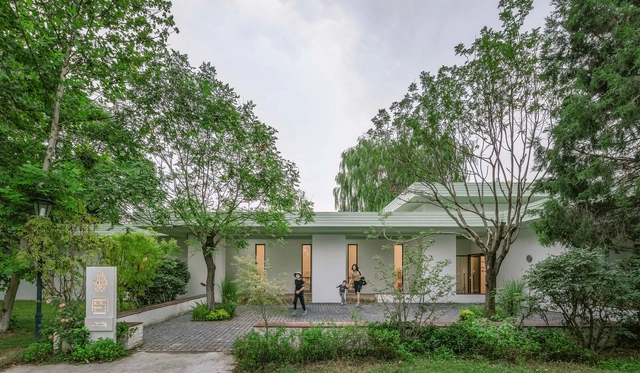


https://www.archdaily.com/994929/juanzong-bookstore-and-yi-shan-childrens-books-genarchitectsCollin Chen
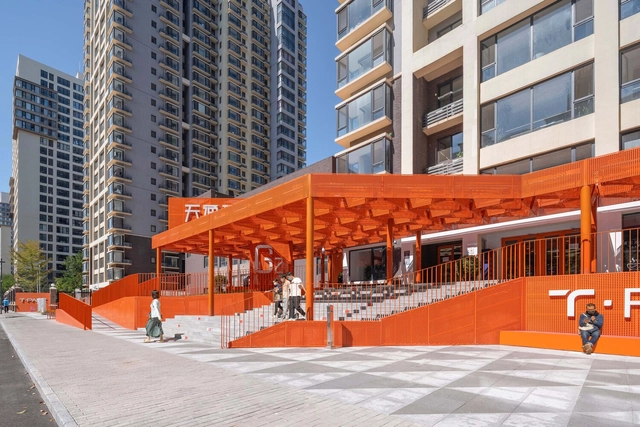
Home Office Tower / People's Architecture Office


-
Architects: People's Architecture Office
- Area: 22210 m²
- Year: 2021
https://www.archdaily.com/994646/home-office-tower-peoples-architecture-officeCollin Chen
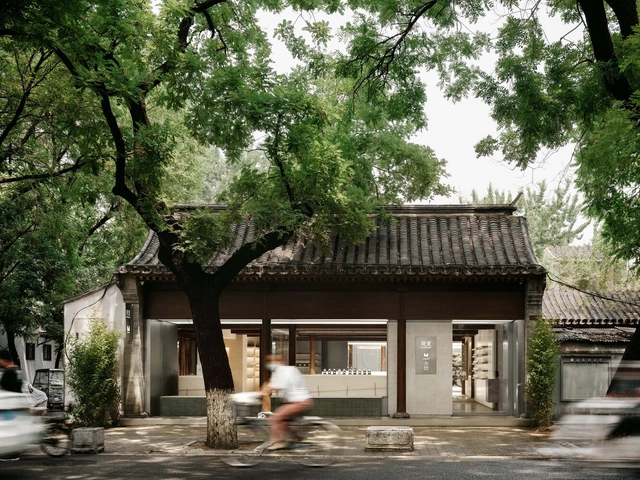
ToSummer Store Beijing / F.O.G. Architecture


-
Architects: F.O.G. Architecture
- Area: 500 m²
- Year: 2022
-
Manufacturers: Beiyi, Youlong
https://www.archdaily.com/994592/tosummer-beijing-fog-architectureCollin Chen
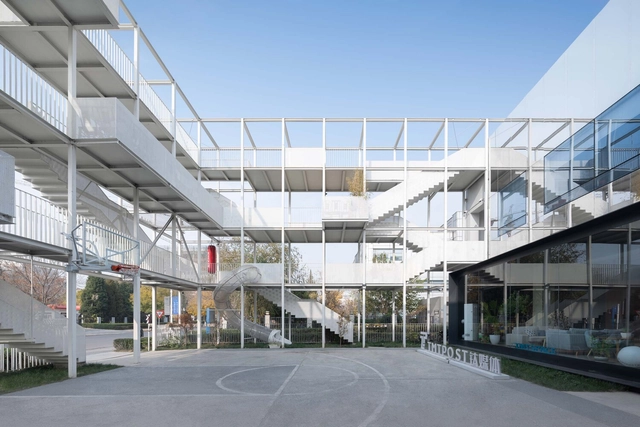
Folding Park / Approach Design Studio


-
Architects: Approach Design Studio
- Area: 1844 m²
- Year: 2019
https://www.archdaily.com/994545/folding-park-approach-design-zupCollin Chen
Donghulin Guest House / FON STUDIO
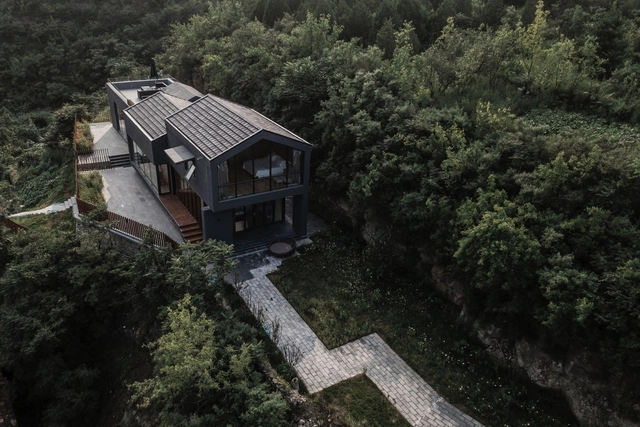


https://www.archdaily.com/967759/donghulin-guest-house-fon-studioYu Xin Li
Ji Muran's House / AML Design Studio
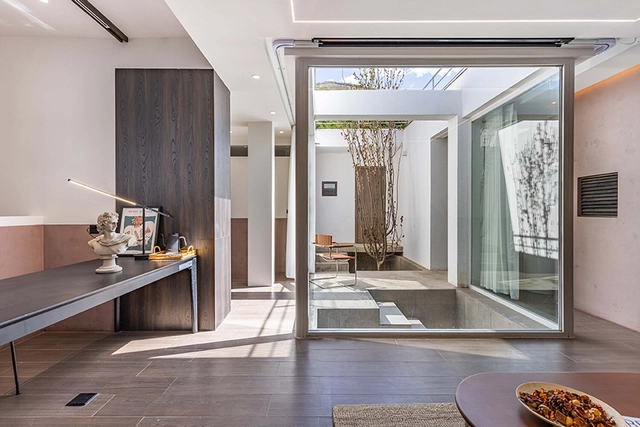


-
Architects: AML Design Studio
- Area: 145 m²
- Year: 2021
https://www.archdaily.com/989500/ji-murans-house-aml-design-studioCollin Chen
Red Vicutu Concept Store Design / AntiStatics Architecture
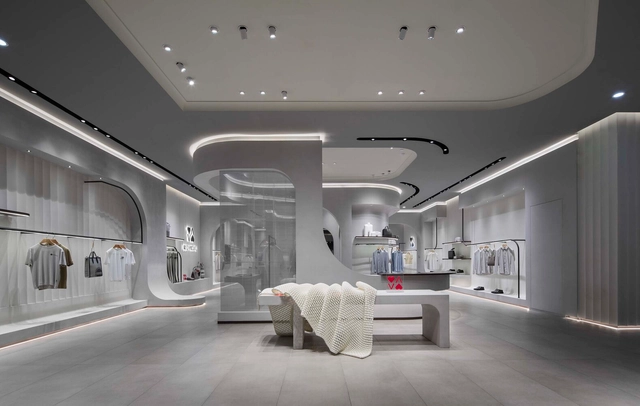


-
Architects: AntiStatics Architecture
- Area: 300 m²
- Year: 2022
-
Professionals: Hengshui Shangde Decoration Co., Ltd, CDN Light
https://www.archdaily.com/993615/red-vicutu-concept-store-design-antistatics-architectureCollin Chen
LING LONG Restaurant / Meyer-Grohbrügge


https://www.archdaily.com/992751/ling-long-restaurant-meyer-grohbruggeAndreas Luco
Soul Art Center / TEMP
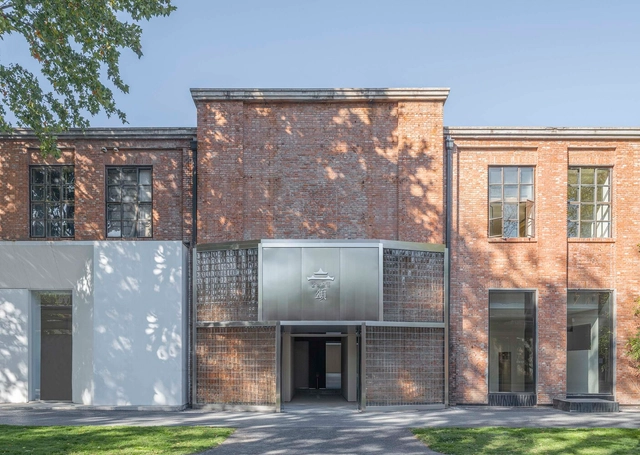


-
Architects: TEMP
- Area: 1300 m²
- Year: 2022
-
Professionals: RDesign International Lighting
https://www.archdaily.com/992654/soul-art-center-tempCollin Chen
Courtyard Market under the Big Roof / BIAD
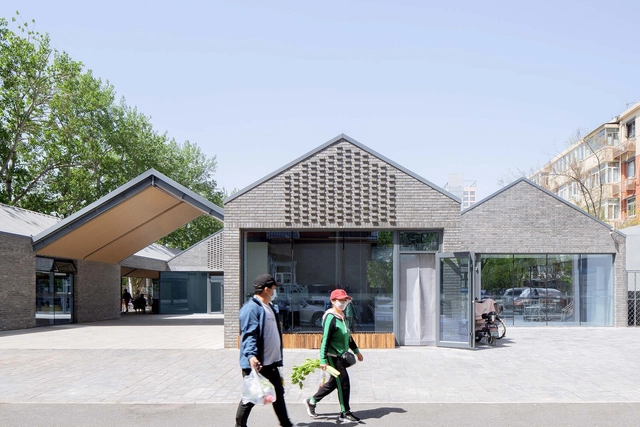
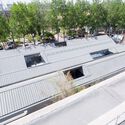
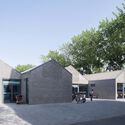
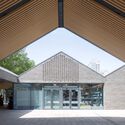
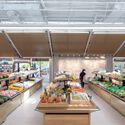

https://www.archdaily.com/992277/courtyard-market-under-the-big-roof-biadCollin Chen
House over the wall / Chaoffice
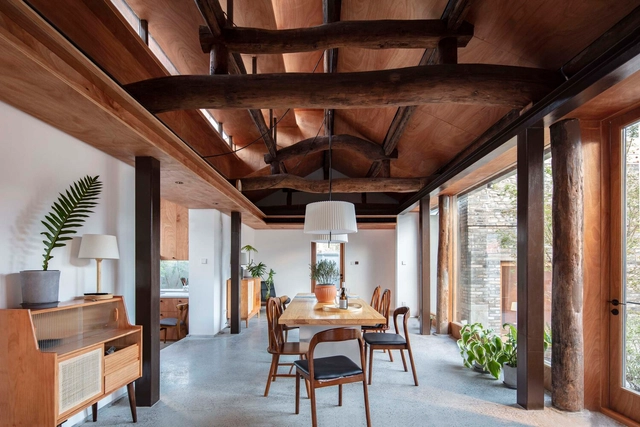
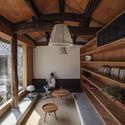


https://www.archdaily.com/992169/house-of-mountain-birds-chaofficeCollin Chen
Slow Courtyard in the Hills / nsaaa
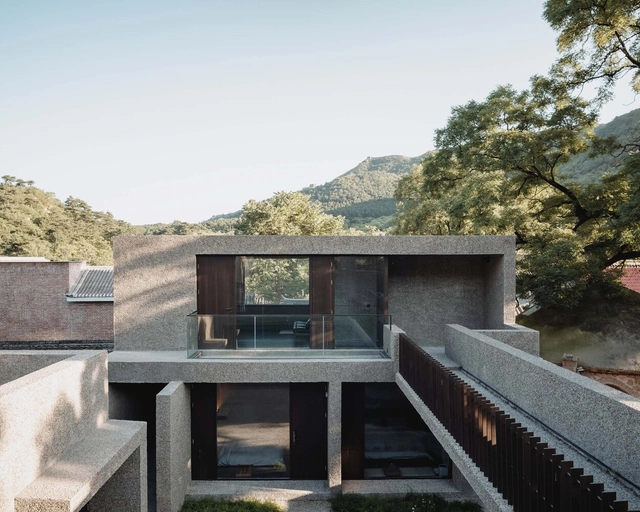

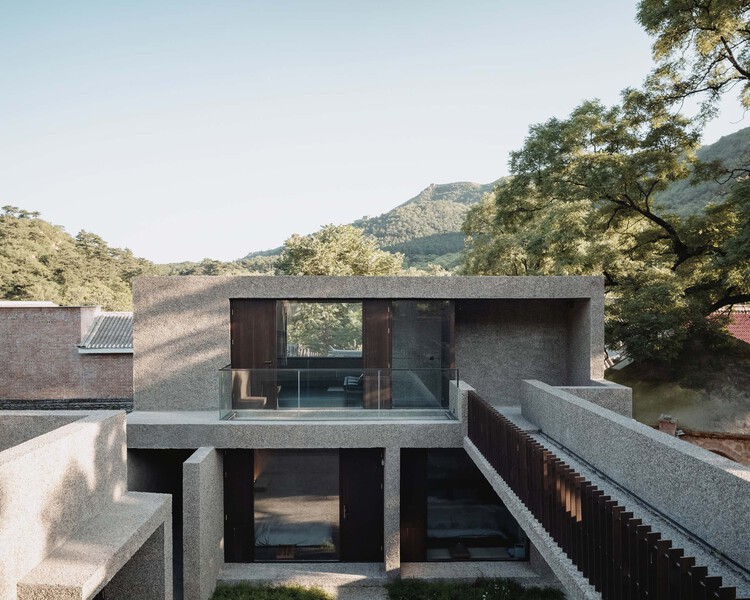
https://www.archdaily.com/991440/slow-courtyard-in-the-hills-nsaaaCollin Chen
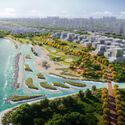
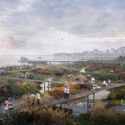
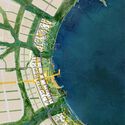
KCAP Wins Competition to Develop the Yantai Seafront in Northeast China
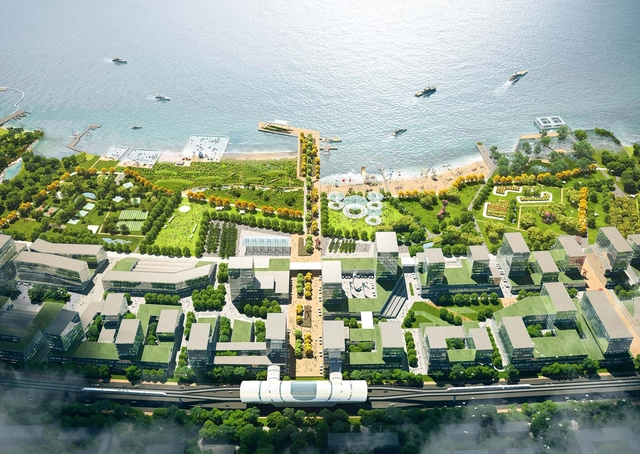
KCAP won the design competition for the Coastline of Yantai, Shandong Province, south of Beijing. As one of China's top 10 ports and a gateway city for communication between Japan and South Korea, Yantai Seafront Garden will transform the underused coastal area into an influential economic and technological development zone in Northeast China. The conceptual proposal was selected by its vision of 4 stages along the 95km of waterfront, including water conservation zones, a "sponge city" community, and a resident tidal shoreline.

https://www.archdaily.com/991482/kcap-wins-competition-to-develop-the-yantai-seafront-in-northeast-chinaPaula Cano
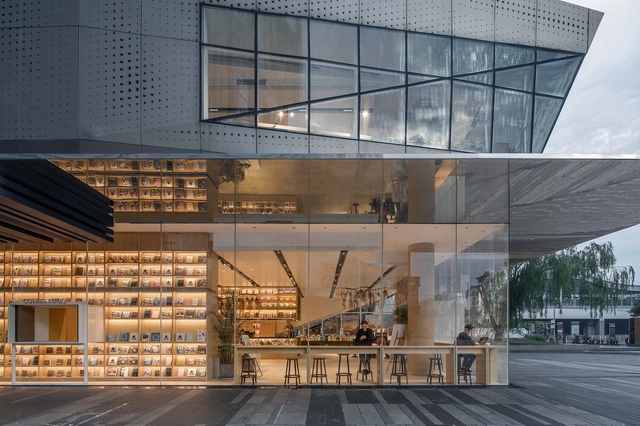

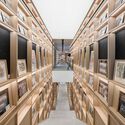
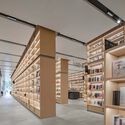


Tsinghua University High School Guanghua / BIAD

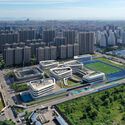

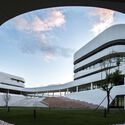


-
Architects: BIAD
- Area: 96751 m²
- Year: 2021
-
Manufacturers: 中煤建设(ZhongMei), 富思特(FIRST), 达美(D-Mei)
-
Professionals: China Xinxing Construction Engineering Co., Ltd
https://www.archdaily.com/988539/tsinghua-university-high-school-guanghua-biadCollin Chen
Beijing Fengtai Station / gmp Architects
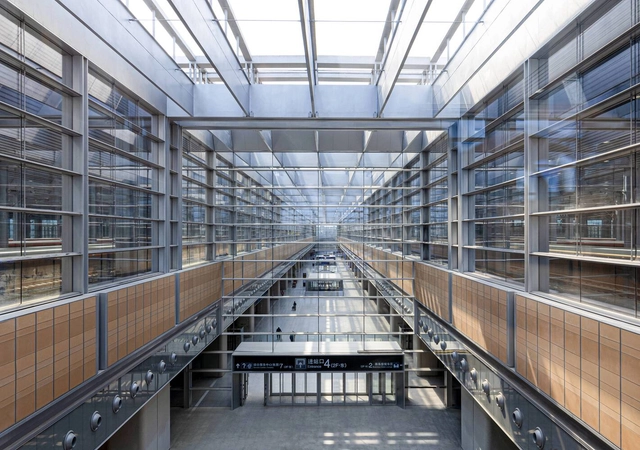
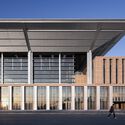
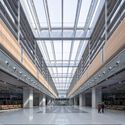
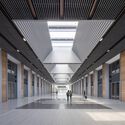
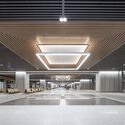

-
Architects: gmp Architects
- Area: 400000 m²
- Year: 2022
-
Professionals: SuP Ingeneure GmbH, Grand Sight Design International Limited
https://www.archdaily.com/990661/beijing-fengtai-station-gmp-architectsCollin Chen
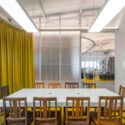
Crossboundaries' Transformable Workplace / Crossboundaries
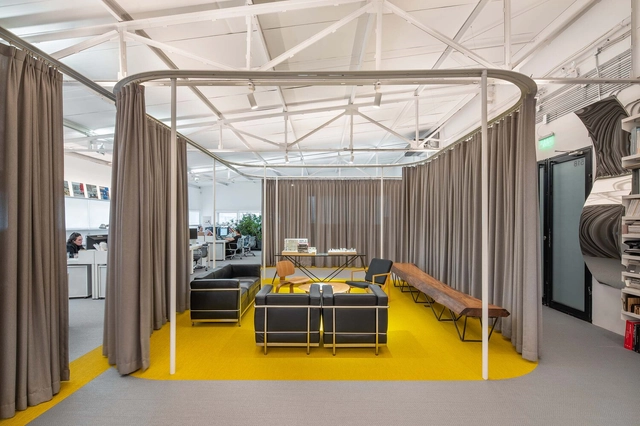


-
Architects: Crossboundaries
- Area: 300 m²
- Year: 2021
https://www.archdaily.com/990272/crossboundaries-transformable-workplace-crossboundariesCollin Chen