beijing: The Latest Architecture and News
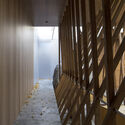

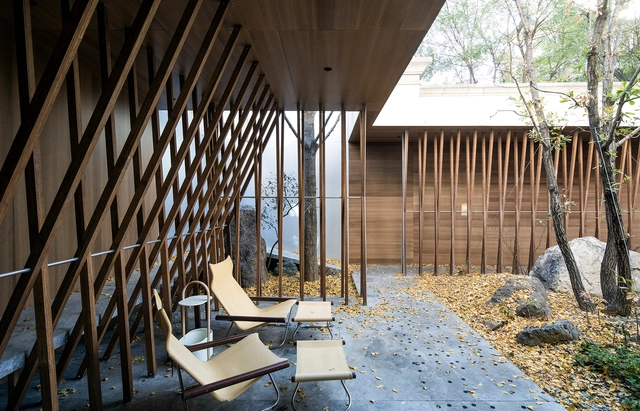
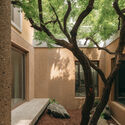
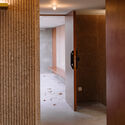
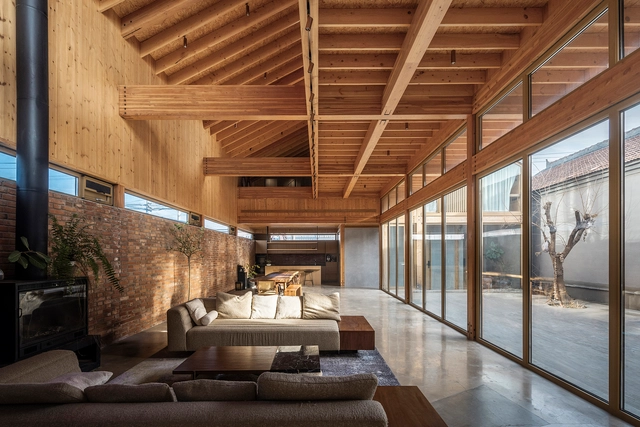
House M / Atelier About Architecture
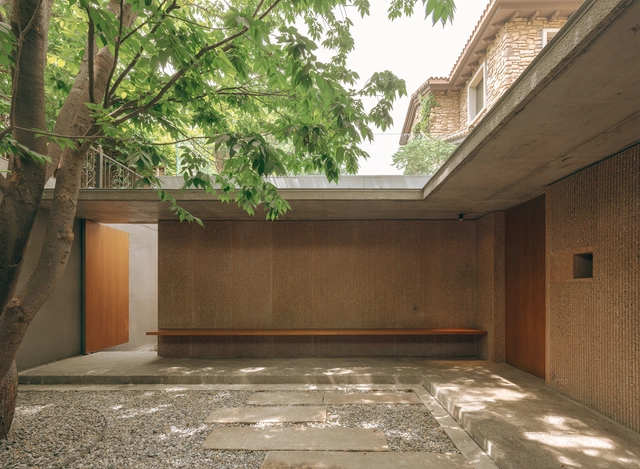

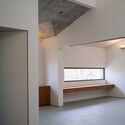

-
Architects: Atelier About Architecture
- Area: 600 m²
- Year: 2025
-
Manufacturers: Bulthaup, VMZINC, Viabizzuno
-
Professionals: Beijing Zhongxin Hengrui Lighting Design Co., Ltd
https://www.archdaily.com/1031028/house-m-atelier-about-architecturePilar Caballero
likeuu Concept Exploration Center / Studio 10
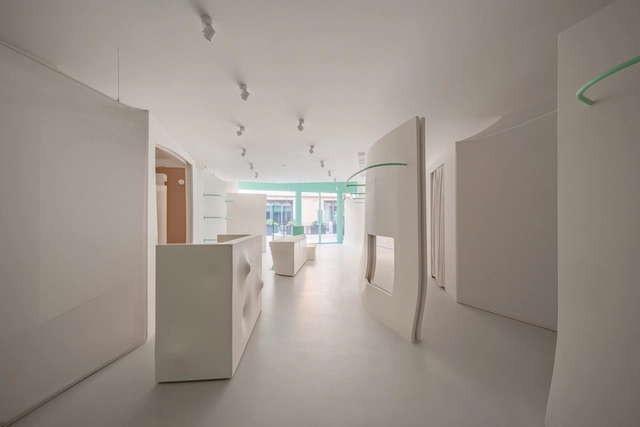



https://www.archdaily.com/1029957/likeuugai-nian-tan-suo-zhong-xin-kong-jian-she-ji-likeuu-concept-exploration-center-studio-102韩爽
The Wind H Art Center (Phase II&Phase III) / Jin Qiuye Studio
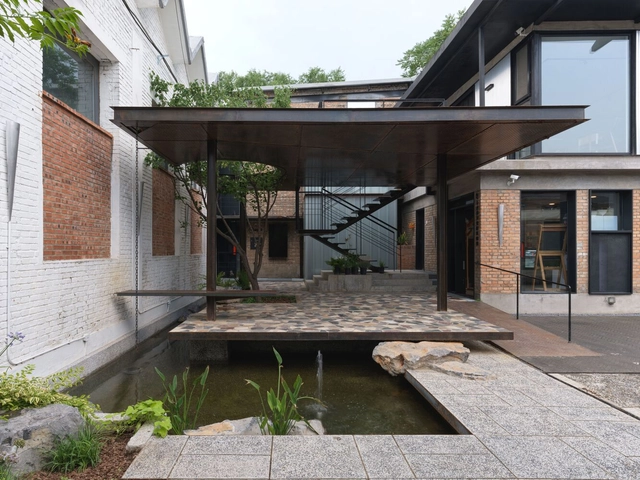
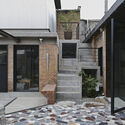
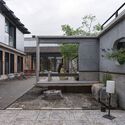
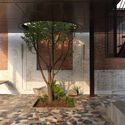

https://www.archdaily.com/1030334/the-wind-h-art-center-phase-ii-and-phase-iii-jin-qiuye-studio韩爽



House of Cross / Chaoffice
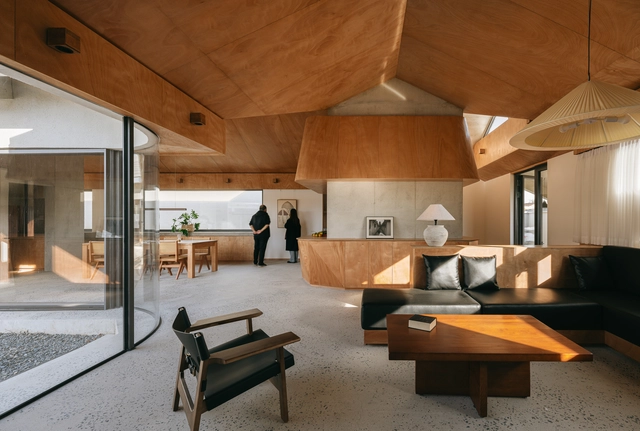


https://www.archdaily.com/1028699/house-of-cross-chaofficePilar Caballero
JM Café, White Pagoda Temple in Beijing / B.L.U.E Architecture Studio
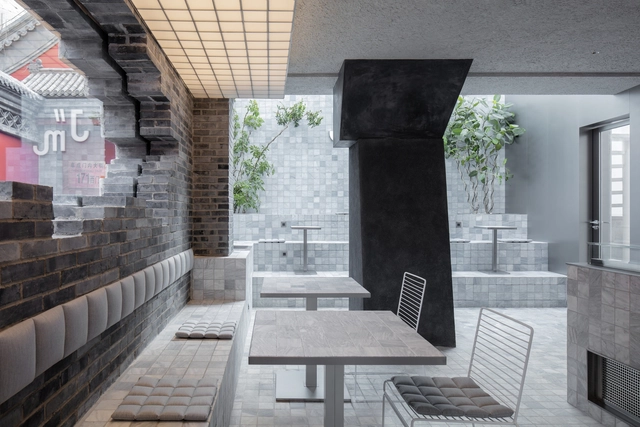


https://www.archdaily.com/1028109/jm-cafe-white-pagoda-temple-in-beijing-blue-architecture-studioAndreas Luco
Why the 2025 Pritzker Prize Matters: Liu Jiakun and the Shift Toward Socially Responsible Architecture
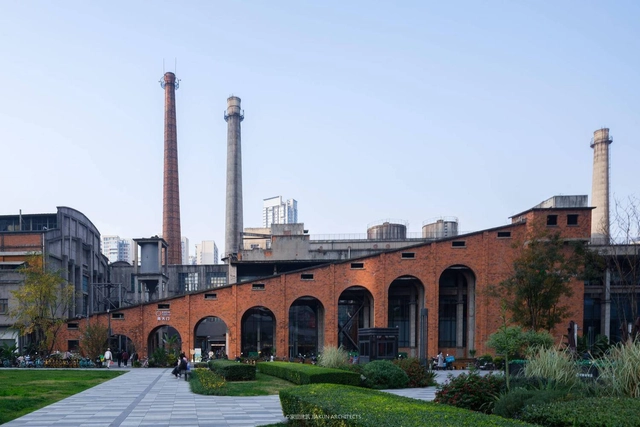
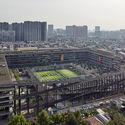
For nearly the past two decades, cities around the world embraced "starchitecture"—futuristic, eye-catching buildings designed by globally renowned architects. In China, this trend was particularly pronounced as rapid urbanization fueled the construction of iconic megastructures like Zaha Hadid's Galaxy SOHO, OMA's CCTV Headquarters, and Herzog & de Meuron's Bird's Nest Stadium in Beijing. At the time of their construction, these were all celebrated as symbols of progress and global ambition. However, architecture worldwide has begun shifting toward a more context-driven, human-centered approach, with China emerging as one of the key contributors to this transformation. This year, Liu Jia Kun's 2025 Pritzker Prize further underscores that shift.

https://www.archdaily.com/1028016/why-the-2025-pritzker-prize-matters-liu-jiakun-and-the-shift-toward-socially-responsible-architectureMoises Carrasco
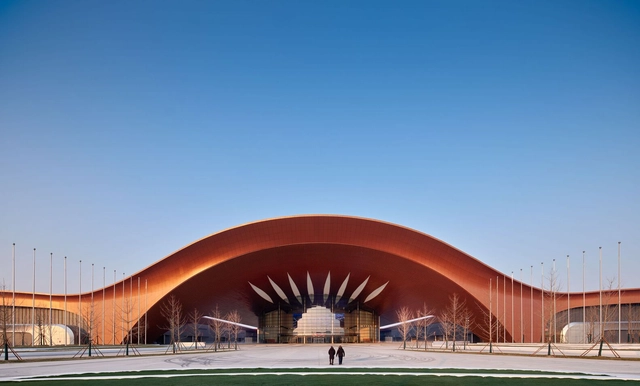
Captial International Exhibition and Convention Center / Zaha Hadid Architects + BIAD


https://www.archdaily.com/1027243/captial-international-exhibition-and-convention-center-zaha-hadid-architectsHadir Al Koshta
Playful Pedagogy: 4 Projects Using Topography to Redefine Children's Learning Environments in China
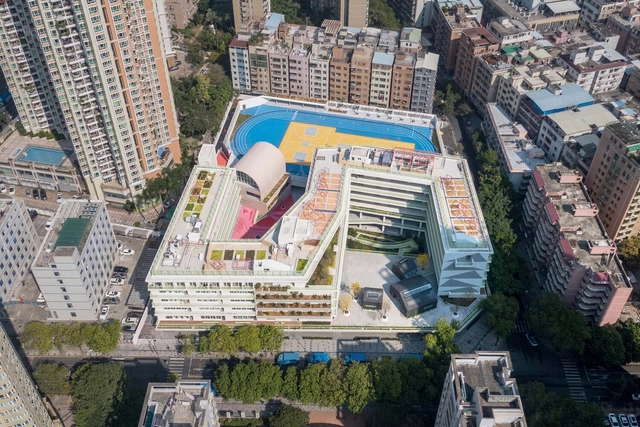
Educational architecture globally is undergoing a significant transformation, moving away from static, rigid designs toward more dynamic, interactive, and nature-driven environments. As cities become denser and land availability diminishes, architects are reimagining schools not just as places for learning but as ecosystems where children can grow holistically. A key element in this shift is the integration of landscape and topographical design, which allows schools to transcend traditional boundaries, combining education with play, exploration, and connection to nature. These designs aim to create engaging spaces that challenge children to interact with their environment physically and emotionally, fostering creativity, independence, and well-being. By layering natural elements such as mounds, gardens, terraces, and play structures into architectural plans, educational spaces are being reshaped into vibrant, multi-dimensional landscapes that encourage movement, imagination, and discovery.


https://www.archdaily.com/1026285/projects-redefining-childrens-learning-environments-through-landscape-and-play-in-chinaNour Fakharany
"You Have to Leave Some Space for the Future People to Interpret": In Conversation with Zhu Pei
Over the last eight years, I have interviewed Beijing-based architect and educator Zhu Pei several times. His persistent quest to combine traditional planning and construction principles with innovative formal and spatial sensibilities intrigues me. His latest projects, including Zijing International Conference Camp (2022) and Jingdezhen Imperial Kiln Museum (2020), are widely published and represent his most mature works. Yet, he is convinced that his best building is in the making. "This is going to be amazing! I feel so excited!" the architect told me, referring to his now under-construction Majiayao Ruins Museum and Observatory in Gansu province in Northwestern China. "I hate column-beam solutions. I want column-free spaces for the public building," he continued. Our conversation took place earlier this year on a video call, complete with dozens of relevant illustrations.
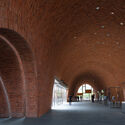
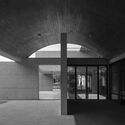
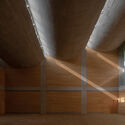

https://www.archdaily.com/1026107/you-have-to-leave-some-space-for-the-future-people-to-interpret-in-conversation-with-zhu-peiVladimir Belogolovsky
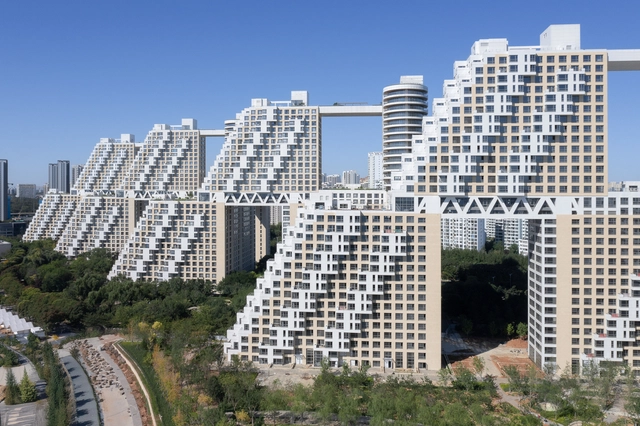
Habitat Qinhuangdao Phase II / Safdie Architects


-
Architects: Safdie Architects
- Area: 244000 m²
- Year: 2024
https://www.archdaily.com/1026040/habitat-qinhuangdao-phase-ii-safdie-architectsValeria Silva
Lucky Cookies Bakery / Studio NOR
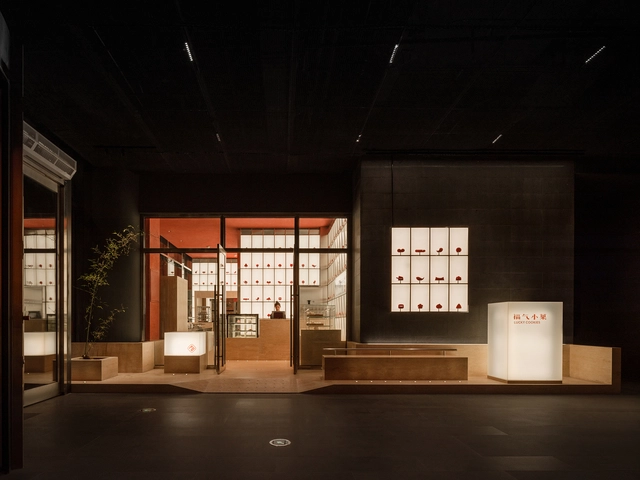


-
Architects: Studio NOR
- Area: 37 m²
- Year: 2022
-
Manufacturers: Tikkurila
-
Professionals: Studio BLRR
https://www.archdaily.com/1025408/lucky-cookies-bakery-studio-nor韩爽
The Community on 3rd Ceramics Street / atelier suasua
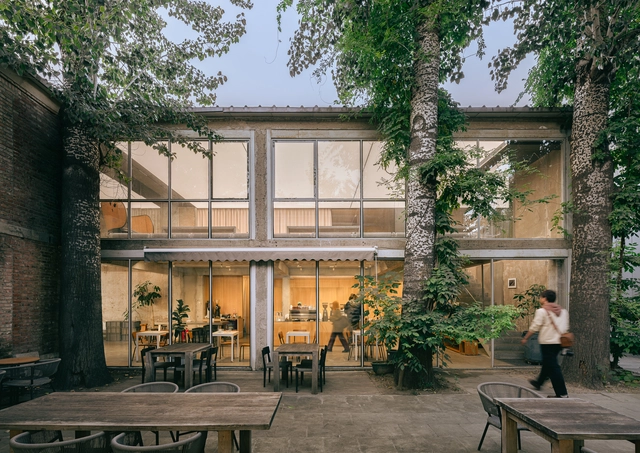


-
Architects: atelier suasua
- Area: 678 m²
- Year: 2023
https://www.archdaily.com/1025132/the-community-on-3rd-ceramics-street-atelier-suasua韩爽
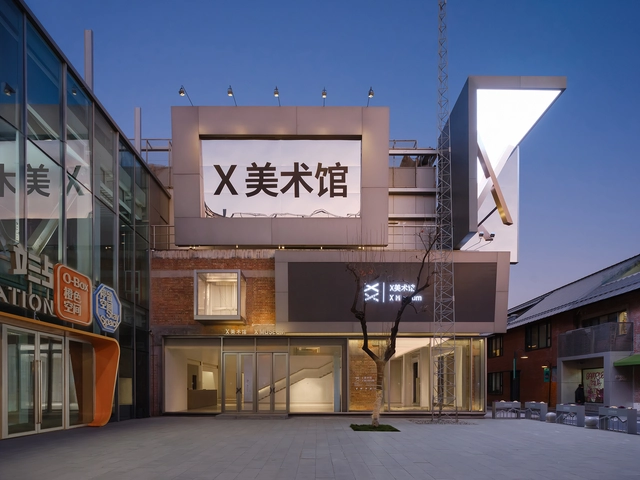


Beijing Architecture City Guide: 28 Projects to Understand Contemporary Architecture in a 3,000-Year-Old City
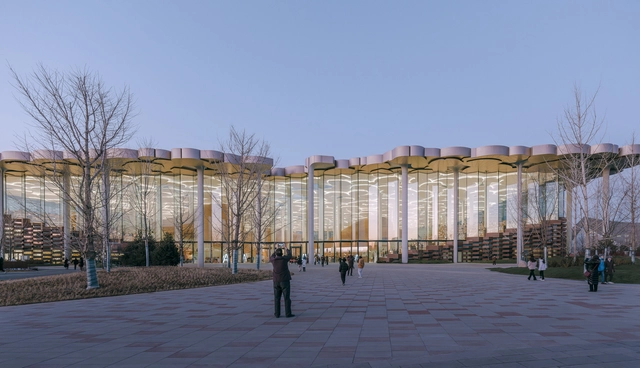
Beijing, as the cultural and political center of China, embodies a rich architectural language that bridges history and modernity, tradition and innovation, showcasing the city's profound depth and diversity. From monumental landmarks like CITIC Tower and Daxing International Airport to the hidden courtyard renovations nestled within the city's historic hutongs; from the dramatic revitalization of the Shougang industrial site to the refined transformations of Baiziwan and Baitasi, Beijing's architectural achievements continue to captivate and inspire. Every space tells a unique story of the city, blending heritage with contemporary vibrancy.
In this city, memories are preserved, and vitality thrives. Let us step into Beijing, rediscovering the "new Beijing" within the "old Beijing" through the lens of its architecture, and experience the depth of time and the pulse of the city in its dynamic spaces.


https://www.archdaily.com/162944/architecture-city-guide-beijing韩爽 - HAN Shuang
The 25 Tallest Buildings in the World
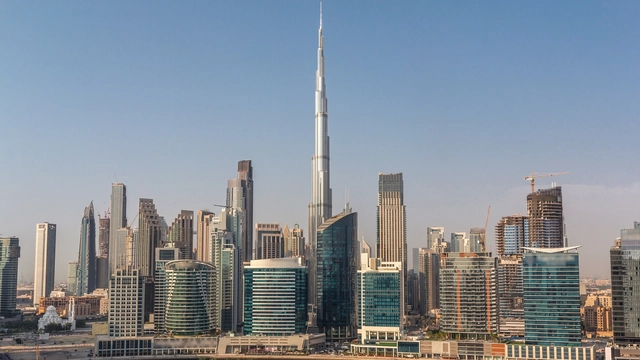
Humanity has become obsessed with breaking its limits, creating new records only to break them again and again. In fact, our cities’ skylines have always been defined by those in power during every period in history. At one point churches left their mark, followed by public institutions and in the last few decades, it's commercial skyscrapers that continue to stretch taller and taller.
The Council on Tall Buildings and Urban Habitat (CTBUH) has developed its own system for classifying tall buildings, stating that the Burj Khalifa (828 m.) is the world’s tallest building right now. Read on for the 25 tallest buildings in the world today.

https://www.archdaily.com/779178/these-are-the-worlds-25-tallest-buildingsNicolás Valencia
Art Galleries Integrated into the Urban Fabric: 12 Projects Bringing Art and Culture to Neighborhoods
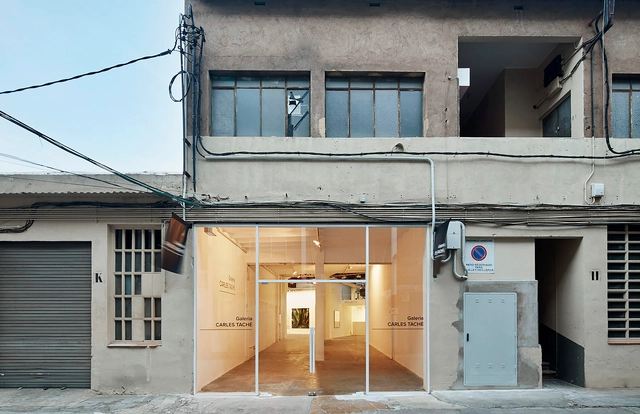
The relationship between art and humanity dates back to the origins of civilization. Museums have become spaces where vast collections of art and artifacts narrate the history of time, humankind, cities, and countless stories about cultures and societies. Over the years, the museum's role has evolved, taking on different forms and scales, including the modern-day art gallery. The importance of art and culture in contemporary cities and neighborhoods is undeniable. However, galleries serve multiple roles in integrating art and culture into daily life. Why are these spaces valuable to communities? How do they support emerging artists? How can galleries revitalize neighborhoods?




https://www.archdaily.com/981319/art-galleries-inserted-into-the-urban-fabric-8-examples-of-art-and-culture-introduced-in-neighborhoodsPaula Pintos