-
Architects: Vora Arquitectura
- Area: 14000 m²
- Year: 2013
-
Professionals: Anoche, Copisa, PCG arquitectura e ingeniería


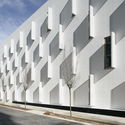
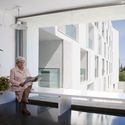
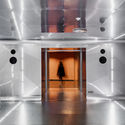
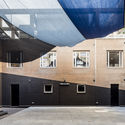
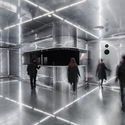
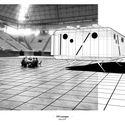
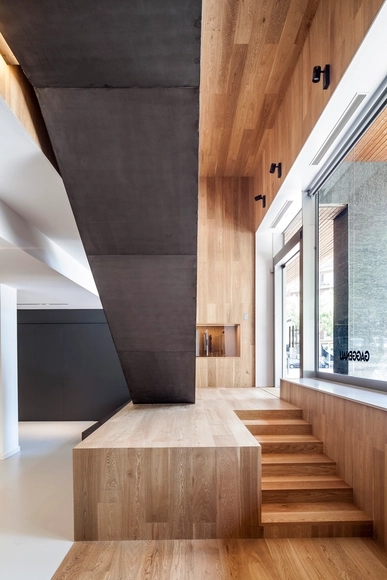
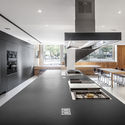
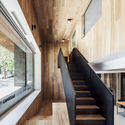
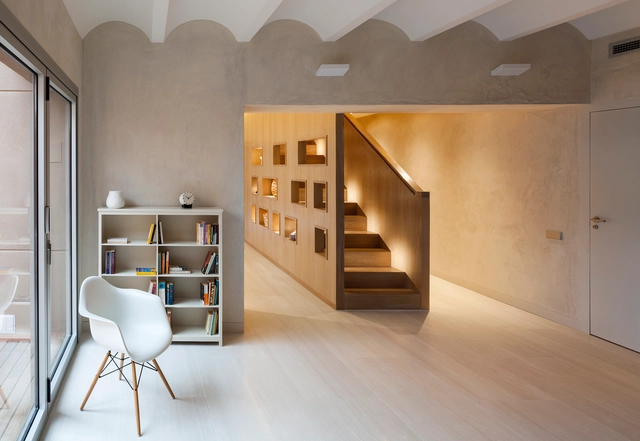
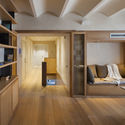
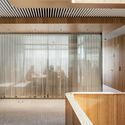
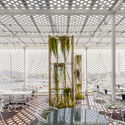
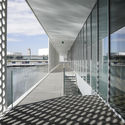
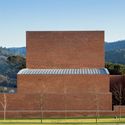
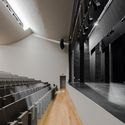
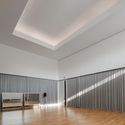
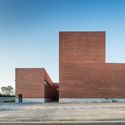
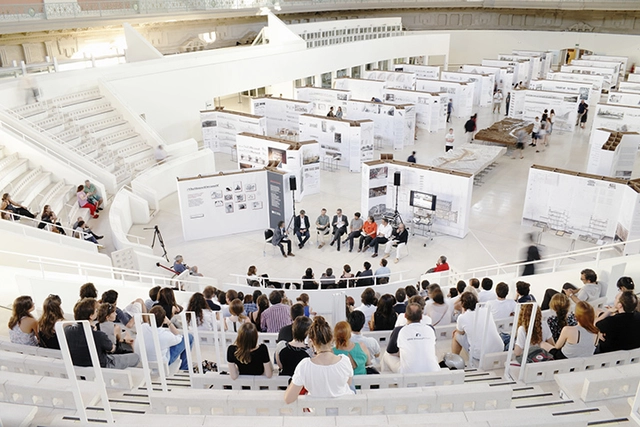
UIC Barcelona School of Architecture has adapted to recent changes in the field of architecture to offer an education that provides an overarching perspective of the profession and the opportunity to learn a wide-range of skill sets. Learn more about what makes the school unique after the break.


With a clear international outlook and universal approach, the UIC Barcelona School of Architecture's Bachelor's Degree in Architecture offers students a holistic approach to architectural education, improving competitiveness by encouraging multiple skill sets, teamwork, responsibility, and entrepreneurship. The university employs a unique teaching method, where each student is tasked with undertaking a project at every step of the process.
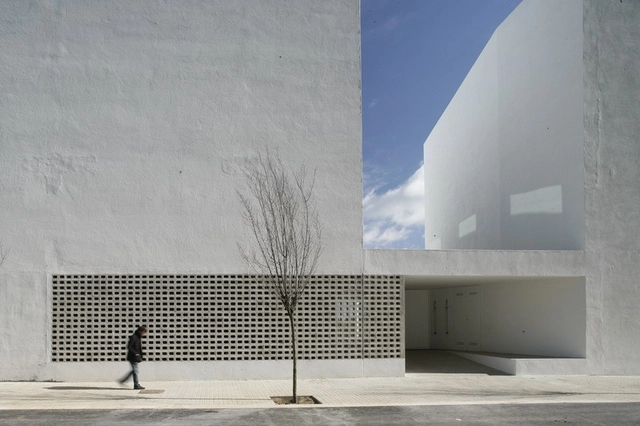

World Expos have long been important in advancing architectural innovation and discourse. Many of our most beloved monuments were designed and constructed specifically for world’s fairs, only to remain as iconic fixtures in the cities that host them. But what is it about Expos that seem to create such lasting architectural landmarks, and is this still the case today? Throughout history, each new Expo offered architects an opportunity to present radical ideas and use these events as a creative laboratory for testing bold innovations in design and building technology. World’s fairs inevitably encourage competition, with every country striving to put their best foot forward at almost any cost. This carte blanche of sorts allows architects to eschew many of the programmatic constraints of everyday commissions and concentrate on expressing ideas in their purest form. Many masterworks such as Mies van der Rohe’s German Pavilion (better known as the Barcelona Pavilion) for the 1929 Barcelona International Exposition are so wholeheartedly devoted to their conceptual approach that they could only be possible in the context of an Exposition pavilion.
To celebrate the opening of Expo Milano 2015 tomorrow, we’ve rounded up a few of history’s most noteworthy World Expositions to take a closer look at their impact on architectural development.

Witness the urban life of five stunning metropolises through the lens of Rob Whitworth with these "Vimeo Staff Pick" hyperlapse videos. From the unexplored urban life of the North Korean capital Pyongyang to the towering skyline of Dubai, each video explores an incredible sequence of daily living in cities across the planet. See more, including video from Kuala Lumpur and Shanghai, after the break.

As reported by the BBC, construction of Antoni Gaudí's already 133-year-old Sagrada Família in Barcelona is now being accelerated by one of the most modern technologies around: 3-D printing. As a matter of fact, the construction process in Barcelona has been utilizing 3-D printing for 14 years, introducing the technology in 2001 as a way of speeding up the prototyping of the building's many complex components.
The process uses powder-based stereolithographic 3-D printers, which build prototypes layer-by-layer, resulting in a material similar to plaster. This is important to the workshop at the Sagrada Família, because it allows craftsmen to easily alter the prototypes by hand, to meet the demanding specifications of the building.