Architecture is a referential discipline. From ziggurats, machines for living, to contemporary biophilic high-rises designs, it is impossible to know whether ideas are genuinely novel or whether they have been conceptualized before. Artificial intelligence has ignited the conversation on intellectual property (IP) even more. As millions generate unique graphic work by typing keywords, controversies have arisen, specifically concerning protecting creative work and the Copyright of architects in their creations. Therefore, understanding the scope of what is protected helps determine whether licenses are sufficient, whether trademark registration's long road is worth it; or perhaps a graphic piece cannot be protected and belongs to the public domain.
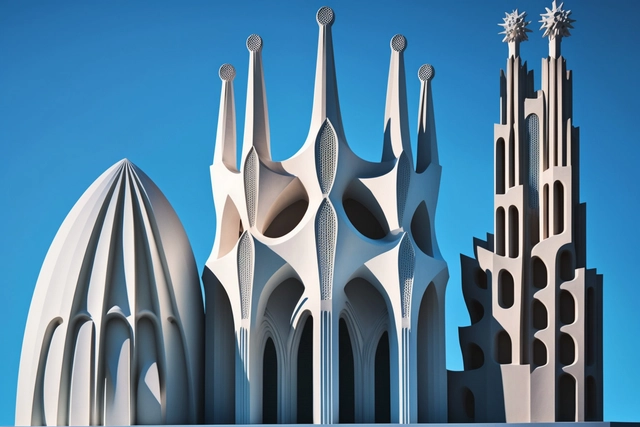
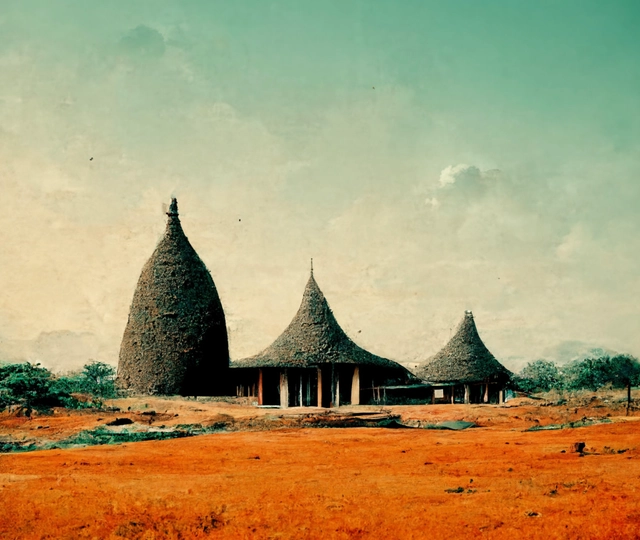
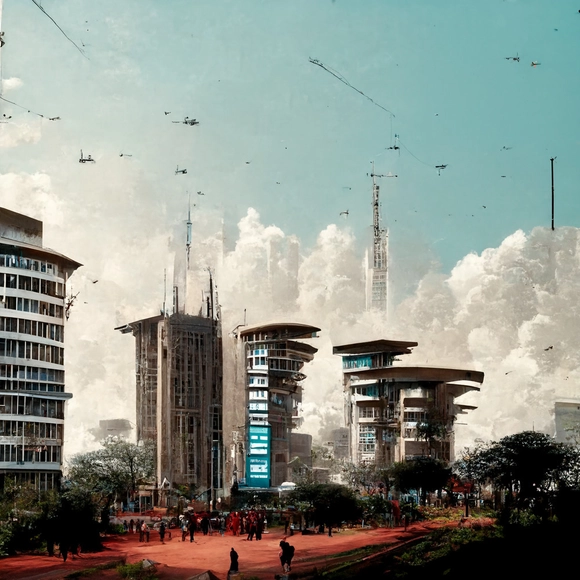
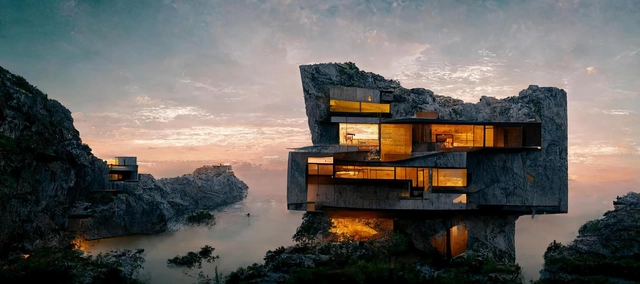
2022 has been the year of AI image generators. Over the past few years, these machine learning systems have been tweaked and refined, undergoing multiple iterations to find their present popularity with the everyday internet user. These image generators—DALL-E and Midjourney arguably the most prominent—generate imagery from a variety of text prompts, for instance allowing people to create conceptual renditions of architectures of the future, present, and past. But as we exist in a digital landscape filled with human biases—navigating these image generators requires careful reflection.
Meta City Hall / CAA LAB. Image Courtesy of CAA LAB
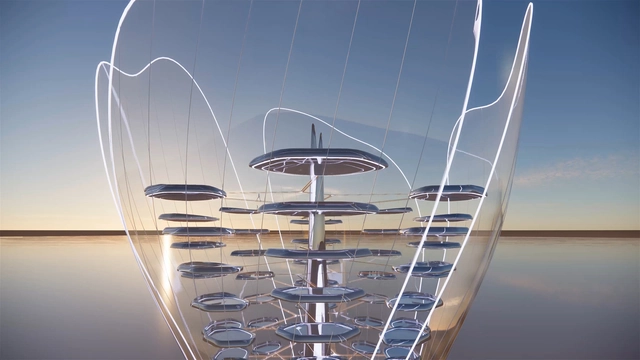
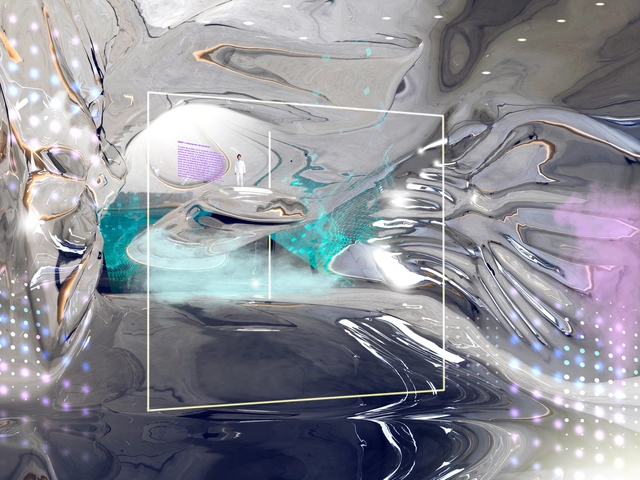
The promise of the metaverse is proving to be a fertile ground for research and experimentation for architects. This new realm is currently undefined, consisting of many narratives, explorations, and opportunities for architects and designers to shape a new type of environment. Generative engines, such as AI image-generators, are contributing to the feeling of open possibilities. While they are not yet part of the standard practice, they bring the promise of a shift in the production of architecture. Conceptual projects such as the ones presented in this list serve little to no external purpose. Still, they are essential in conducting an understanding of the possibilities of the new technologies which are likely to have a significant effect on the profession.
This week's curated selection of Best Unbuilt Architecture highlights projects submitted by the ArchDaily community that experiment with a new medium and integrate novel technologies. From abstract buildings created to be experienced through virtual reality in the metaverse to investigations into the ability of AI image generator engines to develop innovative architectural expressions and even research into planimetry, the following projects are pushing the boundary of what architecture could look like in the new age of technological developments.
2022 has again resulted in diverse coverage on ArchDaily in an eventful year, from speculating on building materials of the future to analyzing the narrative role that architecture plays in literature. A selection of articles from this year is found below, organized into four over-arching topics.
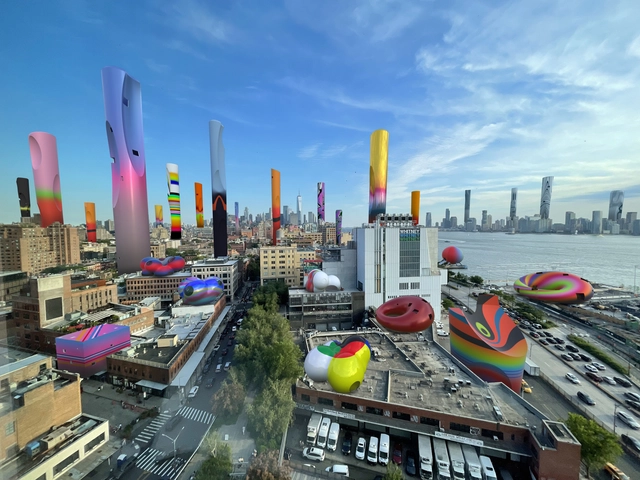
The promise of the metaverse, this new type of three-dimensional and immersive digital space, is proving to become more and more appealing to architects eager to explore the new realm of virtual creations. As it currently stands, the metaverse does not have a singular definition but is composed of many narratives and explorations. This unknown land is however fruitful ground for architects, who have to opportunity to shape not only the new environment but also the experiences of future users. The SOLIDS project represents one response to these conditions. Developed by FAR, an architect and engineer working with digital environments, SOLIDS uses a generative process to design unique, metaverse-compatible buildings.
This book explores the interdisciplinary project that brings the long tradition of humanistic inquiry in architecture together with cutting-edge research in artificial intelligence. The main goal of ‘Neural Architecture’ is to understand how to interrogate artificial intelligence—a technological tool—in the field of architectural design, traditionally a practice that combines humanities and visual arts.
2022 could be remembered as the year when surprising AI-fueled tools became accessible to a larger audience: from text-to-image generation Stable Diffusion, Midjourney, and DALL-E 2 to unsettling design experiments such as This House Does Not Exist, to surprisingly smart OpenGPT, a language-processing designed artificial intelligence to generate human-like text.
Cautiously described by OpenAI CEO Sam Altman as "a preview of progress", any user can talk with OpenGPT about almost anything: the results are astonishing and it easily can embody an umpteenth so-called threat for creative-related jobs. However, OpenGPT does not have access to browse the internet. Instead, it interacts based on the gigantic database that it has been trained on. As expressed by Gannett's Eric Ulken, "even the best generative AI tools are only as good as their training", so what an "inappropriate request" is has previously been tuned (by humans) as well.
In Childhood’s End, Arthur C. Clarke’s mid-20th century science fiction classic, a character wonders if the flattened inhabitants experiencing a far-off planet’s tremendous gravitational force are aware of the third dimension. In recent years, this hypothetical has found parallels in our growing digital universe, where we are continually drawn to our flat screens to confirm our relevance, connect with like-minded individuals, or create dating profiles. With attention spans riveted by endless digital content, walking down the street has become a delicate dance of avoiding people staring obliviously at their phones—those who, calling to mind Ada Louise Huxtable’s famous question, “Kicked a Building Lately?,” might walk right into one.
Technology is disrupting the creative industry and it's only getting better, and faster. Innovation in the architecture industry has never been as rampant as it is at this moment. The advent of artificial intelligence (AI) in architecture - the first genuine 21st-century design method - is changing the way buildings are imagined and designed. AI image generatorslike Midjourney and DALL-E provide an efficient and explorative way of conceiving architectural concepts. Generated in less than 5 minutes, these images unveil an interesting design aesthetic that is emerging. In an exclusive interview with ArchDaily, architect and educator Matias del Campo hypothesizes what the future of architectural aesthetics would be.
Cities concentrate opportunities and exchanges, culture and business, while, at the same time are a key contributor to climate change. They are highly complex organisms, with multiple actors involved, that bring to light underlying social interests and conflicts present in society. In 2007, the world's urban population surpassed the rural and this difference has been increasing ever since. According to the 2018 Revision of World Urbanization Prospects report, 55% of the world's current population lives in urban areas, rising to 68% by 2050. This will represent an increase of 2.5 billion people in urban areas, with almost 90% of this increase occurring in Asia and Africa. The Smart Sustainable Cities: Reconnaissance Study also points out that urban centers account for 67% of global energy demand, emit 70% of greenhouse gases and, on top of it all, buildings consume 40% of all energy worldwide. The prospect of a mostly urban world, along with the alarming onset of climate change, both raise challenges regarding living conditions in the coming decades and centuries, and all the implications that will accompany these changes.
The first full-size London Design Festival (LDF) for three years, and the event’s 20th anniversary year, this was meant to be a celebration. But life, as the saying goes, had other plans. Rocked by the news of HRH Queen Elizabeth II’s passing, the country, and indeed the world started the London Design Festival in a period of mourning. Having reigned over the densest period of design innovation in human history, however, her majesty was no stranger to change.
With long-running themes like sustainability, materials, economic crises, and digital futures never higher in the public’s consciousness, LDF ’22 wasn’t just a professional meet and greet, but a chance to share some much-needed positivity with design enthusiasts, as well as locals, just passing by. Here are the most interesting and talked-about installations and talks from nine days of reflection on the past and hope for the future.
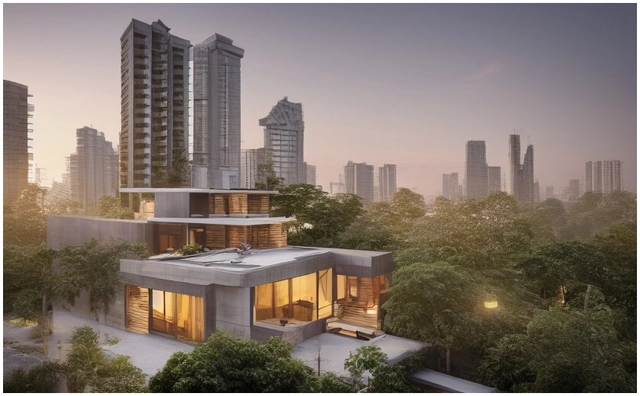
Developed by indie entrepreneur @levelsio, This House Does Not Exist is a platform that allows users to generate images of modern architecture homes in the style of ArchDaily. The program uses latent text-to-image diffusion to automatically generate realistic images of modern houses. The website is intuitive and easy to use, with one button at the top right reading “tap image to generate new house”. The website also allows users to vote for the best images generated or see similar houses by clicking on the keywords displayed at the bottom of the image.
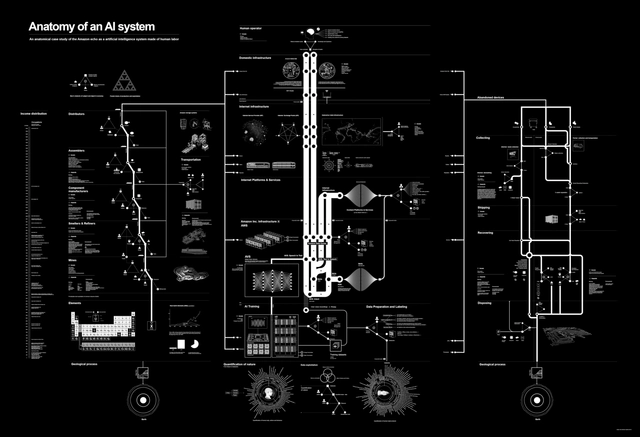
Anatomy of an AI System. Image Courtesy of Kate Crawford
Should designers care about artificial intelligence (AI) or machine learning (ML)? There is no question that technology is adding texture to the current zeitgeist. Never could I have imagined seeing a blockbuster hit where Ryan Reynolds emerges as a conscious non-player character in a video game and a flop where Melissa McCarthy negotiates humanity’s future with a James Corden-powered superintelligence within a year of each other. But does learning AI and ML’s ins and outs really matter for the creative professions and our nebulous, invaluable way of operating?
Everybody talks about Metaverse, but hardly anyone agrees on what it is. For the moment, it is still enigmatic, however, it seems like its ambiguity is its strength. Not a day goes by without a new article or a video on this subject, trying to convince people that Metaverse will inevitably become a part of our daily lives soon. Architects and designers are essential parties to the ongoing discussion as it is a spatial innovation that requires the Internet to be redesigned as a 3D environment.
Machine learning and generative design are profoundly shaping modern life. A central critique to the value and advancement of artificial intelligence, especially in the context of architecture, is the ability for a machine to design, as well as the resulting fear that professional services may be limited. As cities continue to develop, new tools emerge to help envision and create the built environment. How can architects embrace generative design to reimagine models of sustainability, inclusive practice, and new aesthetics?
Distrito 13 en Medellín, Colombia. Imagen de JorgePM. Image via Shutterstock
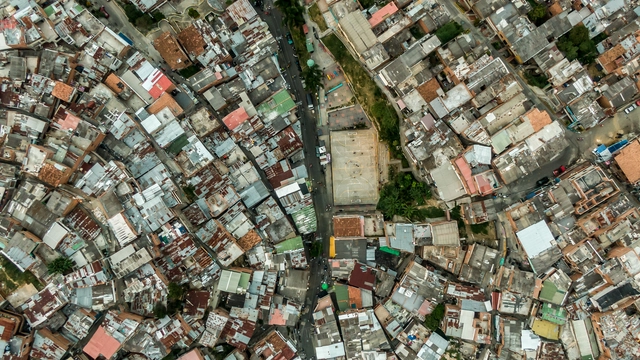
Within the Latin American and Caribbean region, it has been recorded that at least 25% of the population lives in informal settlements. Given that their expansion is one of the major problems afflicting these cities, a project is presented, supported by the IDB, which proposes how new technologies are capable of contributing to the identification and detection of these areas in order to intervene in them and help reduce urban informality.
Artificial intelligence systems endeavor to replicate or mimic human intelligence by combining datasets with iterative processing algorithms to learn from patterns and experience. From Siri, Alexa and other smart assistants to conversational bots and email spam filters, what once seemed like a technology pulled from science fiction has become ubiquitous in our daily lives.
How many times have you heard the old claim that “Email is dead”? Surely, more than once. To the surprise of many, and despite the rise of new messaging tools like Slack and Microsoft Teams during the pandemic, Email remains by far the most widely used communication tool in many businesses. Every day, more than 300 billion emails are sent and received globally, and employees spend an average of 5 hours checking their online correspondence. This trend is only expected to rise in the upcoming years, especially within project and client-based industries – like architecture, engineering and construction – that heavily rely on this means of communication.
However, its consolidated use doesn’t always equal efficiency, particularly in companies that don’t set up the necessary internal processes to file emails in a central space. With the silent threat of poor mail management, many architecture firms and other businesses must face unnecessary risks, time and productivity costs, and increased stress among workers.























_9.46.53_a._m..jpg?1640354929&format=webp&width=640&height=580)