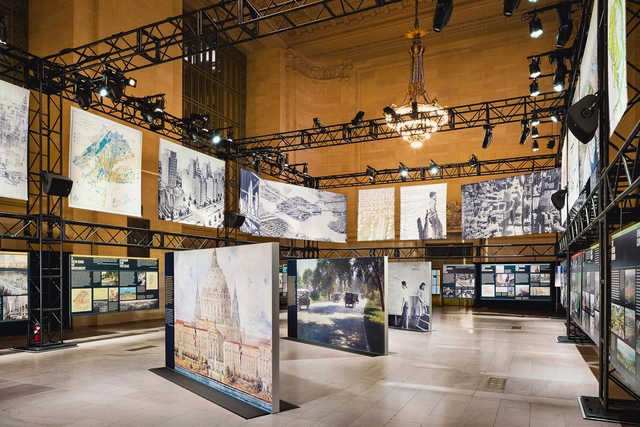
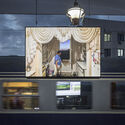
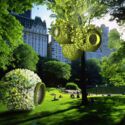
The Constant Future: A Century of the Regional Plan, an October exhibit at Vanderbilt Hall in Grand Central Terminal is a succinct yet gripping display of civic dreams selected from the imagination of the Regional Plan Association (RPA), an independent non-profit that conducts research on the environment, land use, and good governance with the intention of promoting ideas that improve economic health, environmental resiliency, and quality of life in the New York metropolitan area. The occasion is the organization’s centennial, and the show is a testament to its powerful role in developing the tri-state region. Not all of its ideas have been good, but the city owes a debt to the group’s long-term view.
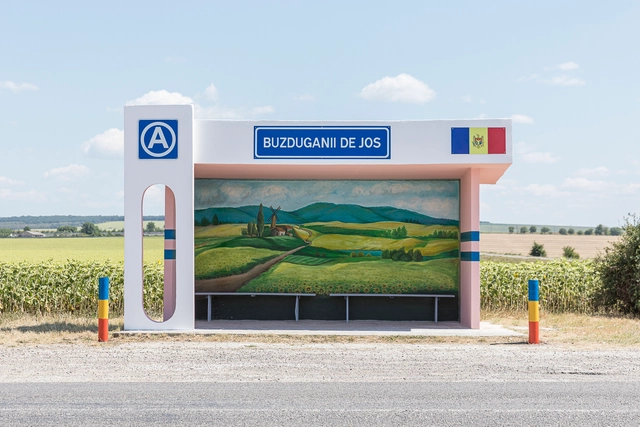
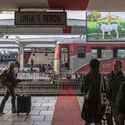
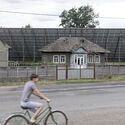
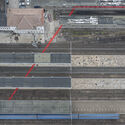
LINIA, a project signed by VICE VERSA Association, is a photographic installation exploring and documenting the stories, and the collective mindset of the territories near one of the most fragile, yet rigid lines in today’s context: the line separating NATO from non-NATO nations. The project, initiated by Dorin Ștefan Adam and Laurian Ghinițoiu, is on display at the Timișoara train station, in Romania, and it represents one of the main exhibitions of the Timișoara 2022 Architecture Biennale, which ran from 23 September to 23 October 2022. The schedule of LINIA has been extended however to remain open to the public until April 23.
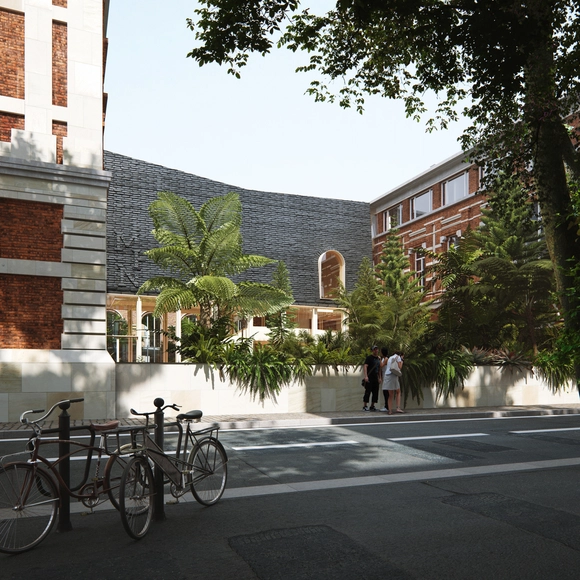
The Natural History Museum Of Lille in France will undertake a significant architectural transformation for its 200th anniversary. Snøhetta, selected to restore and modernize the complex, with a transdisciplinary team featuring the scenographer Adeline Rispal and the landscape architects of Taktyk, imagines a renovation that will support the city's ambition to combine urban renewal with the preservation of the city's historic architecture. Planned for completion in 2025 and with a total of 7,500 m², the restoration will accommodate flexible exhibition areas, more extensive storage, and gardens.
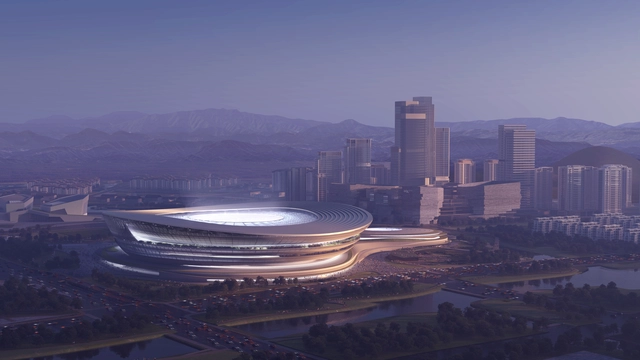
Zaha Hadid Architects has been announced as the winner of the competition to design the new Hangzhou International Sports Centre. The project includes a 60,000-seat football stadium and practice pitches, a 19,000-seat indoor arena as well as an aquatics center with two 50-meter pools. The development is part of Hangzhou’s Future Science and Technology Cultural District and is well connected to the city’s expanding metro network.
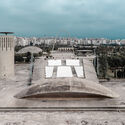
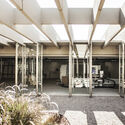
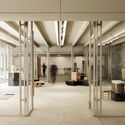
This year, one of the winners of the Aga Khan Award was the Renovation of the Niemeyer Guest House by East Architecture Studio. The project is located on Tripoli’s outskirts in Lebanon, and it is part of the Rachid Karami International Fair (RKIF), an unfinished masterpiece by Brazilian architect Oscar Niemeyer. ArchDaily’s Managing Editor, Christele Harrouk had the chance to sit with Charles Kettaneh and Nicolas Fayad, founders of the East Architecture Studio, on-site in "the Niemeyer Guest House Renovation" project. Talking about modern heritage and the challenges of renovations, the architects opened the conversation about the role of architecture in building platforms for change.
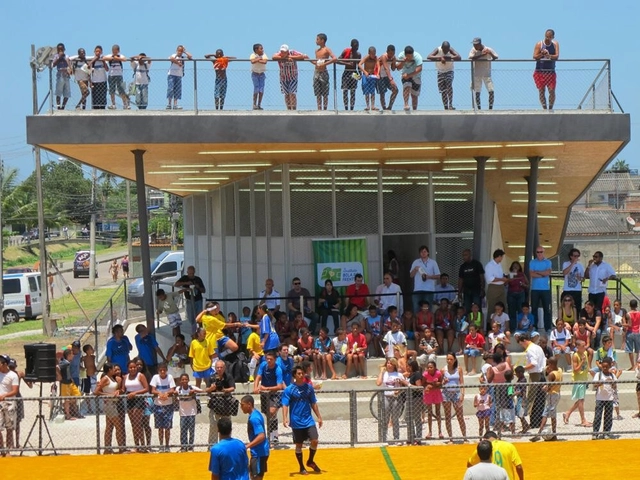
Community facilities are spaces for social interaction where people find leisure and information. Whether a cultural or a community center, this type of equipment aims to bring people together, creating opportunities for interaction in an environment of care and neighborhood.
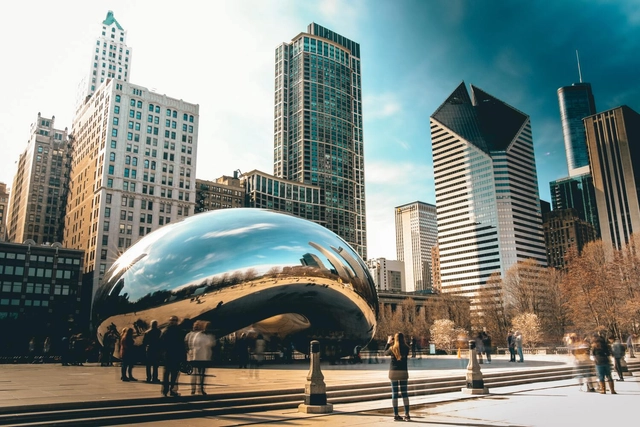
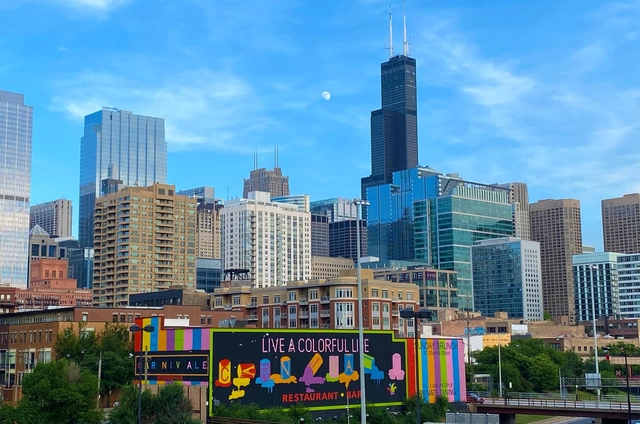
Chicago, The Windy City, Chi-Town, or The Second City. It’s a place that is known by many names, but to architects and urban planners alike, it’s famous for its history which has given us some of the best-known buildings and important advancements that have helped to shape other cities across the United States. From its inception, Chicago has long served as an architectural hub for innovation.
As climate change continues to reach unprecedented levels, many are pointing towards enhancing circularity in the construction sector. Essentially, the circular economy aims to eliminate waste and the continual use of resources by repeatedly reusing, repairing or recycling materials. The cyclical approach is able to meet demand and minimize CO2 emissions by extending a product’s lifespan, which is especially important when dealing with limited resources. Unlike the traditional linear extractive method –where everything goes through an extremely contaminating process of 'take-make-waste'–, circularity keeps materials in use for as long as possible to extract maximum value. This, in turn, reduces pollution, regenerates natural systems and contributes to a healthier built environment, hence building economic, natural, and social capital.
Mexican architect Gabriela Carrillo has built an exemplary career and is passionate about the city, territory, and diversity. Her widely awarded works, first in partnership with Mauricio Rocha and now running her own studio, have become the reference image when discussing contemporary architecture in Mexico. Her projects translate the world's needs, developing constant work to recognize the values of the territory in order to provide spaces that dignify its inhabitants. Situated between praxis, theory, and research, her interests are focused on the everyday, leading a flexible and dynamic practice that allows her to maintain a balance between working and living.
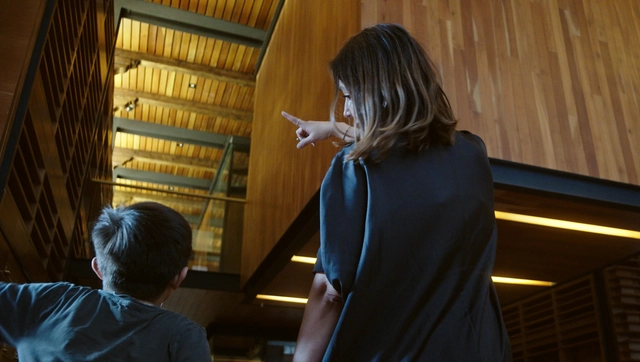
Alongside Toshiko Mori and Johanna Meyer-Grohbrügge, Gabriela Carrillo is part of the new documentary "Women in Architecture" to be released on the 3rd of November 2022. The film promoted by Sky-Frame, in exclusive collaboration with ArchDaily and under the direction of Boris Noir, is an impulse for inspiration, debate, and reflection around one of the most pressing issues in architecture.
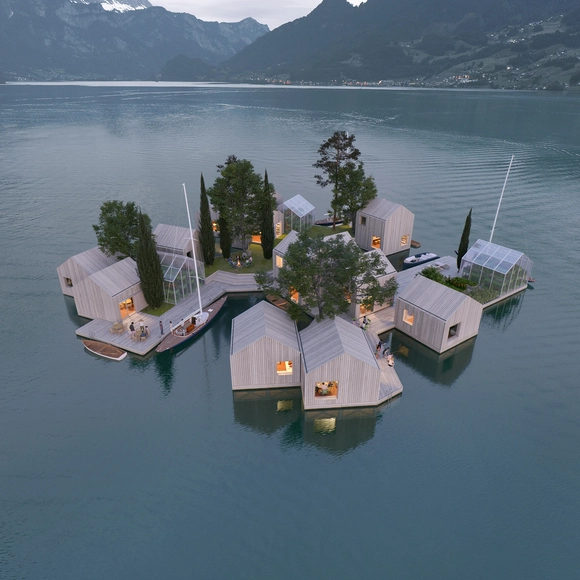
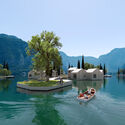
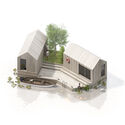
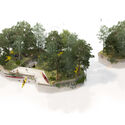
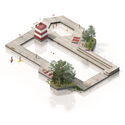
Danish Maritime Architecture Studio MAST has developed the “Land on Water” project, a system that provides an adaptable solution to building almost anything on the water: floating homes, campsites, even small parks, and community centers. The project represents a response to the acknowledgment of raising sea levels and increased risks of urban flooding, which has led to a growing interest in adapting architecture to be built on water. The “Land on Water” proposes a flexible and sustainable solution, a departure point from previous solutions, which are proven to be difficult to adapt, transport and are often using unsustainable materials such as polystyrene-filled concrete foundations or plastic pontoons. The project is developed with the support of Hubert Rhomberg & venture studio FRAGILE.
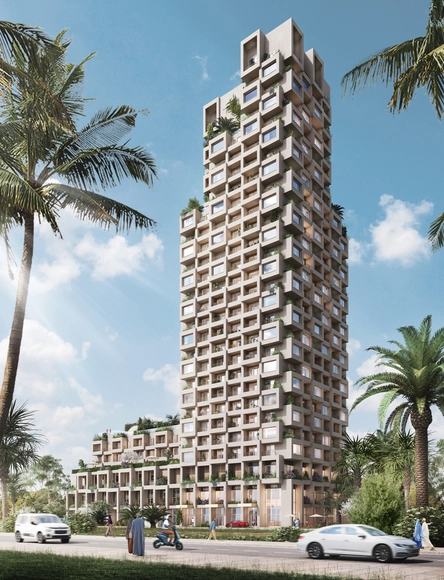
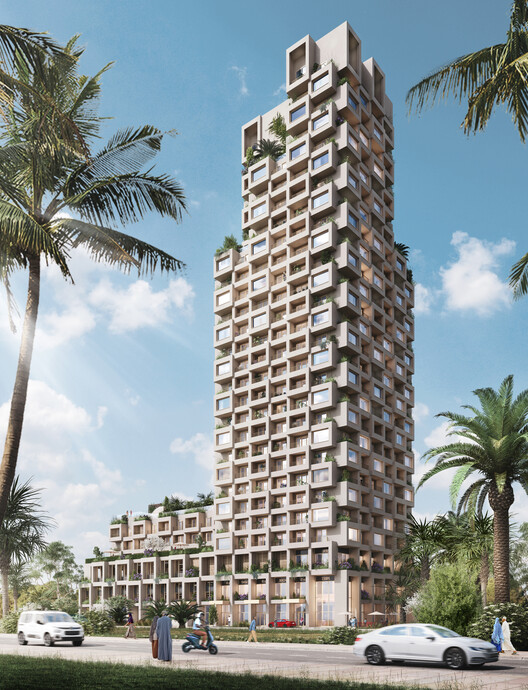
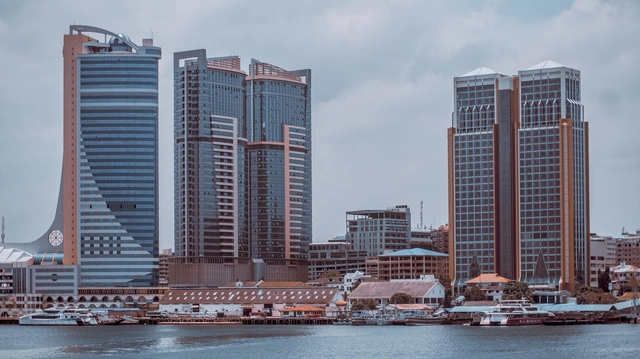
German-based architecture firm OMT designed Africa's tallest hybrid timber tower in Zanzibar City, Tanzania. In partnership with Birk Heilmeyer Frenzel Architects, engineering firm Knippers Helbig Advanced Engineers, and CPS Developers, the "Burj Zanzibar" will rise 96 meters tall to accommodate 266 residences and recreational and conferencing facilities. The mixed-use tower will promote the locally available wood and support the growing urban infrastructure that, according to the government plans, expects to attract tech companies to turn the island into a leading hub for Africa's technology companies.
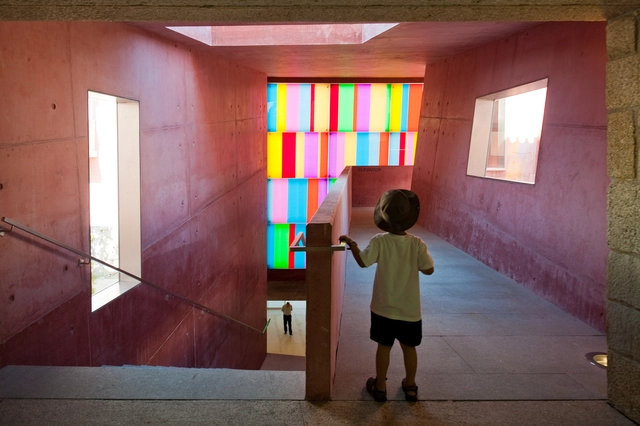
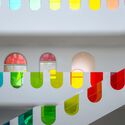
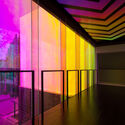
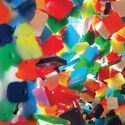
Used by artisans across the globe for thousands of years, colored glass is one of the oldest art forms. Its origins date back as early as the 7th century, when stained windows began adorning churches, cathedrals and convents – often representing religious symbols and Biblical stories. These expanded to Islamic mosques and palaces during the 8th century, and by the Middle Ages could be found in countless churches across Europe. The intricate glass work reached maximum splendor in the monumental buildings of the Gothic period, resulting in giant, elaborate windows with extremely complex figures, patterns and geometries. However, gone are the days when this was reserved exclusively for prominent places of worship or ancient structures. Hand in hand with innovative production methods and new technologies, colored glass has made a comeback in contemporary architecture, enhancing countless buildings with its bold, lively hues.
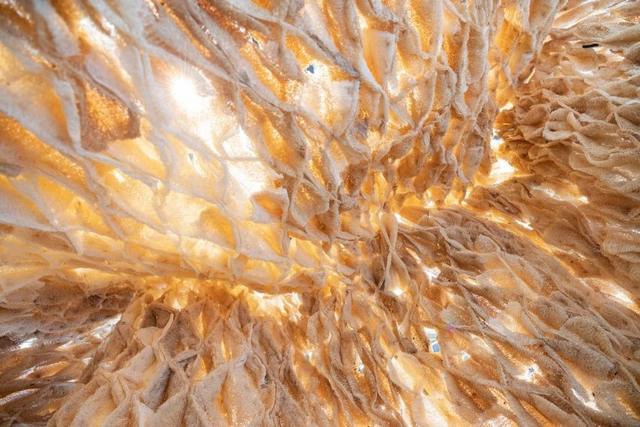
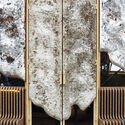
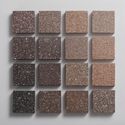
The construction industry's future will undoubtedly include "carbon reduction" as a mandatory task. Aside from locally sourced, virgin materials, an increasing number of new materials are becoming available. New materials can be developed in several ways, including low-carbon substitution, recycling, performance enhancement, and 3D printing. New materials will not only be more environmentally friendly and enable new construction methods, but they will also influence the starting point and direction of design concepts, resulting in new buildings with new perceptions and spaces.
“Art aims to represent not the outward appearance of things, but their inward significance”, Greek polymath Aristotle remarked. Public art in cities worldwide seeks to pursue this aim by offering a sense of meaning and identification to its residents. Taking the form of murals, installations, sculptures, and statues, public art engages with audiences outside of museums and in the public realm. This art presents a democratic manner of collectively redefining concepts like community, identity, and social engagement.
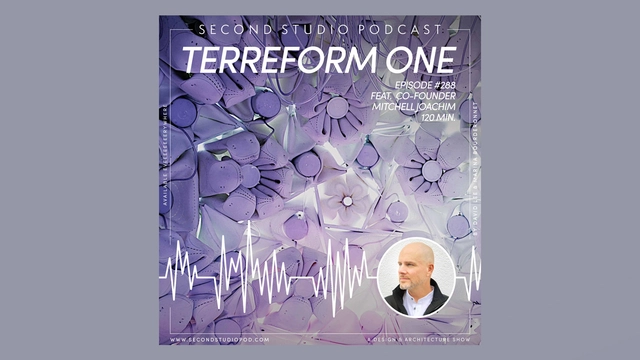
The Second Studio (formerly The Midnight Charette) is an explicit podcast about design, architecture, and the everyday. Hosted by Architects David Lee and Marina Bourderonnet, it features different creative professionals in unscripted conversations that allow for thoughtful takes and personal discussions.
A variety of subjects are covered with honesty and humor: some episodes are interviews, while others are tips for fellow designers, reviews of buildings and other projects, or casual explorations of everyday life and design. The Second Studio is also available on iTunes, Spotify, and YouTube.
This week David and Marina are joined by Mitchell Joachim, PhD, Associate Professor, NYU and Co-Founder, Terreform ONE to discuss the complexities of urban design; the role of the urban designer; the real-life applications of his research; funding projects; cricket farms; and more.
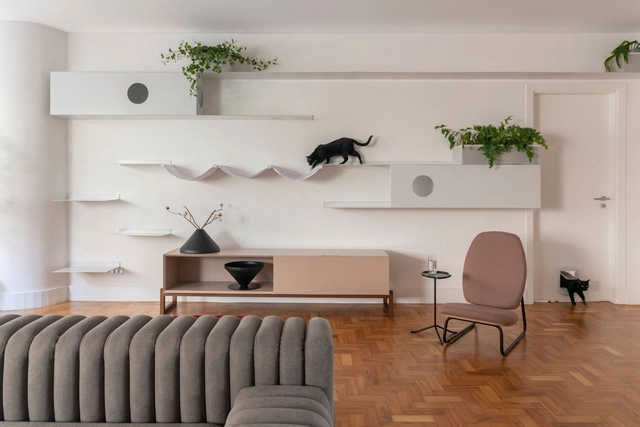
In architecture, the most common is to design for humans only. However, covering the scope of the project for other species is an exercise that has been proposed in several orders. From specific furniture to interior design planned for the animal, the possibilities of creating a more playful and comfortable ambience, both for humans and animals, are diverse.
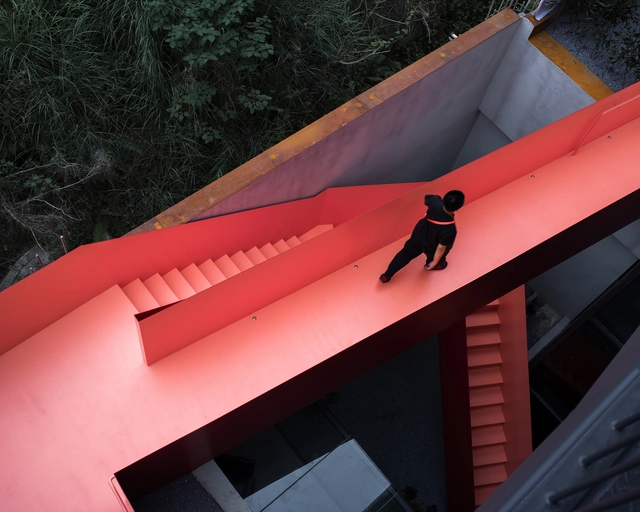
Stairs are often an inevitable part of a building's DNA. Nowadays, staircases not only serve the function of practicality but are also a showcase of their own kind, especially if paired with a color that is guaranteed to grab attention. Among warm colors, red is considered to be the most powerful one. On one hand, it evokes feelings of joy and energy, and on the other, feelings of alertness and danger. Red can stimulate a whole range of emotions. Therefore, its usage should be attentive, delicate, and thought out.
Cities have been, and will always be multi-faceted, elastic sites. They are settlements in continuous evolution, molded by proximity to natural resources, by migrating populations, and by capital. Despite the diversity in the urban character of disparate cities, it has been said that cities look alike now more than ever before, a uniformity that means a glass-and-steel tower in Singapore would not look out of place in Mumbai’s Bandra Kurla Complex.