1. ArchDaily
  2. Andean Architecture

Andean Architecture: The Latest Architecture and News

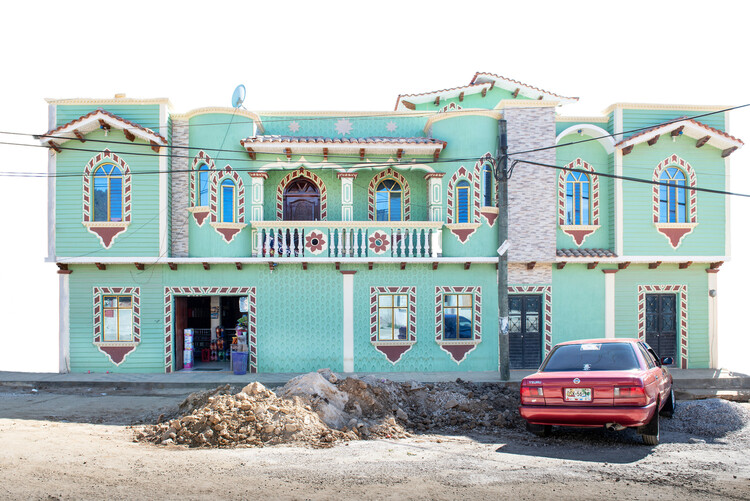
Borrowed References, Local Languages: Blended Styles on Latin American Façades

Audio available

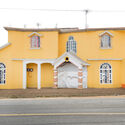
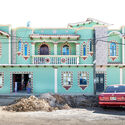
Architectural styles are often identified through a familiar set of characteristics: particular forms, materials, proportions, and decorative elements. Yet these characteristics do not always remain tied to the traditions from which they originate. A classical column may appear on a self-built house, a modernist ceramic composition may be reproduced across a residential façade, or a chalet may become part of a multistory commercial building. Each retains something recognizable from its precedent, although its application reflects a different set of architectural decisions.

These transformations also raise questions about how architectural identity develops. The meanings associated with a particular style or building element are influenced by the people who adopt it, the construction methods available to them, and the cultural associations they bring to its use. Through individual choices and repeated adaptations, references that once belonged to specific architectural traditions can become part of expressions associated with entirely different places and communities.
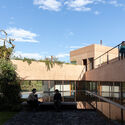
Borrowed References, Local Languages: Blended Styles on Latin American Façades - 1 的图像 4Borrowed References, Local Languages: Blended Styles on Latin American Façades - Featured ImageBorrowed References, Local Languages: Blended Styles on Latin American Façades - 2 的图像 4Borrowed References, Local Languages: Blended Styles on Latin American Façades - 3 的图像 4Borrowed References, Local Languages: Blended Styles on Latin American Façades - More Images+ 15

Subscriber Access

Architecture in the Andes: How Altitude Shapes Design Decisions

Audio available

The Andes are often understood as a continuous mountain range, yet they encompass a wide range of climates and ecosystems. In Ecuador, Peru, Bolivia, Colombia, and Chile, páramos, dry highlands, temperate valleys, and snow-covered landscapes can exist within relatively short distances of one another. As elevation changes, so do temperature, solar radiation, humidity, wind, vegetation, and topography, producing environments that require different ways of building.

Unlike many mountain regions where cold is the defining environmental condition, high-altitude environments in the Andes combine several climatic conditions at once. As elevation increases, solar radiation becomes more intense. Some regions remain humid throughout the year, while others experience prolonged dry seasons. In many places, steep terrain, snow, and changing weather patterns become additional factors that influence how buildings are designed.

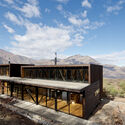
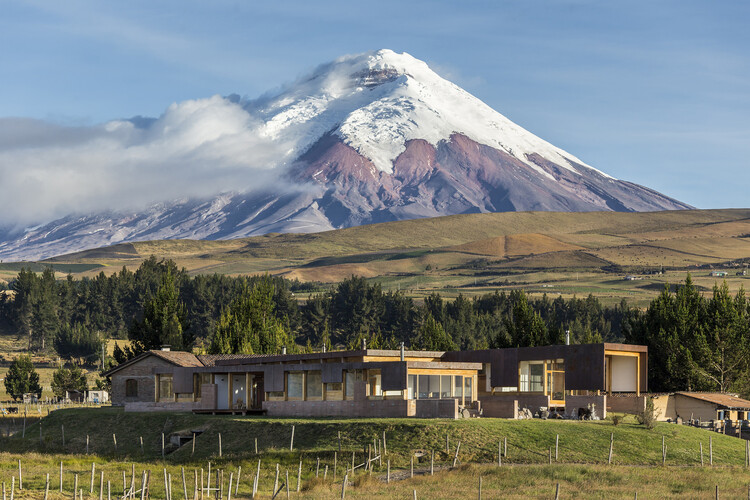
Architecture in the Andes: How Altitude Shapes Design Decisions - Image 1 of 4Architecture in the Andes: How Altitude Shapes Design Decisions - Image 2 of 4Architecture in the Andes: How Altitude Shapes Design Decisions - Image 3 of 4Architecture in the Andes: How Altitude Shapes Design Decisions - Image 4 of 4Architecture in the Andes: How Altitude Shapes Design Decisions - More Images+ 12

Studio Campo Baeza and Maoda Win Competition to Design Ecuador's New National Museum in Quito

Audio available

Studio Campo Baeza, based in Madrid, together with Quito-based Maoda, has won the international competition to design the new National Museum of Ecuador (MUNA) in Quito. Their proposal, titled Echoes of the Sun, was selected by a national and international jury from 17 finalist entries in the second phase of the competition. The public competition initially attracted 148 teams from around the world, with 20 shortlisted to develop design proposals before the winning scheme was announced during a public ceremony in Quito on July 6, 2026.

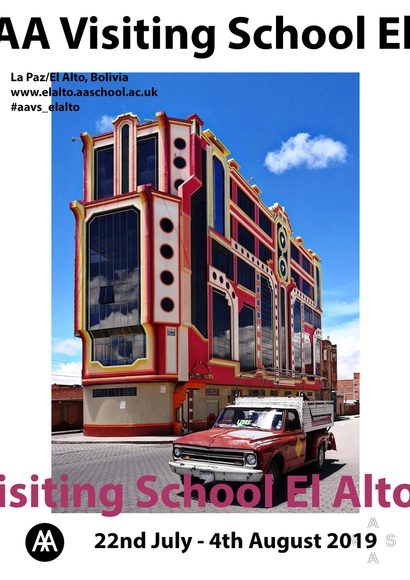
Join the Architectural Association El Alto 2019

La Paz
Monday 22 July – Sunday 4 August 2019

Subscriber Access

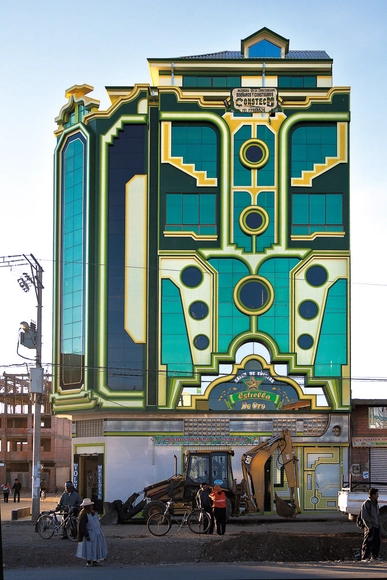
Why Freddy Mamani is Leading A New Andean Architecture

The media outbreak for architect Elisabetta Andreoli and artist Ligia D'Andrea’s book "Andean Architecture of Bolivia", which focuses on the work of Freddy Mamani - ex-bricklayer turned engineer and constructor- has become the excuse to talk about everything else related to the highland country of Bolivia.

Such as the shortcomings and luxuries of the rapid urban expansion dispersed in El Alto, the youngest city in Bolivia; the birth of a new Aymara bourgeoisie in the shadow of the white elites; and the birth of a contemporary architectural identity that bothers purists and makes Aymaras proud, but is rejected by local architecture schools. Below, you can find out more about this new type of architecture together with photos by Alfredo Zeballos.