1. ArchDaily
  2. Freddy Mamani

Freddy Mamani: The Latest Architecture and News

Borrowed References, Local Languages: Blended Styles on Latin American Façades

Audio available

Architectural styles are often identified through a familiar set of characteristics: particular forms, materials, proportions, and decorative elements. Yet these characteristics do not always remain tied to the traditions from which they originate. A classical column may appear on a self-built house, a modernist ceramic composition may be reproduced across a residential façade, or a chalet may become part of a multistory commercial building. Each retains something recognizable from its precedent, although its application reflects a different set of architectural decisions.

These transformations also raise questions about how architectural identity develops. The meanings associated with a particular style or building element are influenced by the people who adopt it, the construction methods available to them, and the cultural associations they bring to its use. Through individual choices and repeated adaptations, references that once belonged to specific architectural traditions can become part of expressions associated with entirely different places and communities.
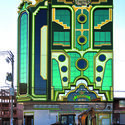
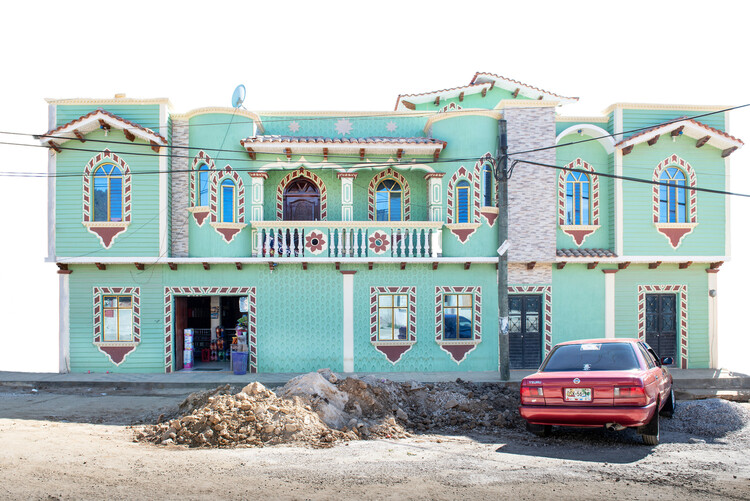
Borrowed References, Local Languages: Blended Styles on Latin American Façades - 1 的图像 4Borrowed References, Local Languages: Blended Styles on Latin American Façades - Featured ImageBorrowed References, Local Languages: Blended Styles on Latin American Façades - 2 的图像 4Borrowed References, Local Languages: Blended Styles on Latin American Façades - 3 的图像 4Borrowed References, Local Languages: Blended Styles on Latin American Façades - More Images+ 15

Subscriber Access

Why Freddy Mamani is Leading A New Andean Architecture

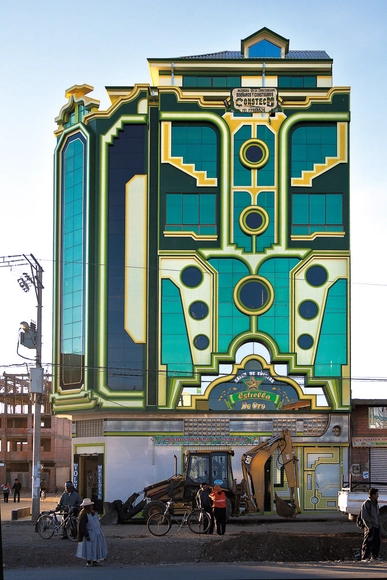
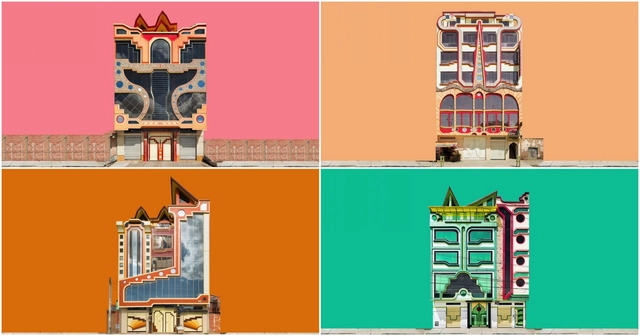
The media outbreak for architect Elisabetta Andreoli and artist Ligia D'Andrea’s book "Andean Architecture of Bolivia", which focuses on the work of Freddy Mamani - ex-bricklayer turned engineer and constructor- has become the excuse to talk about everything else related to the highland country of Bolivia.

Such as the shortcomings and luxuries of the rapid urban expansion dispersed in El Alto, the youngest city in Bolivia; the birth of a new Aymara bourgeoisie in the shadow of the white elites; and the birth of a contemporary architectural identity that bothers purists and makes Aymaras proud, but is rejected by local architecture schools. Below, you can find out more about this new type of architecture together with photos by Alfredo Zeballos.

New Documentary on Freddy Mamani Explores the Connection Between Architecture and Cultural Identity

Soon you will be able to satisfy your wanderlust free from altitude sickness; on Wednesday October 4th, the Architecture Film Festival Rotterdam will see the world premiere of the documentary Cholet: The Work of Freddy Mamani. From director Isaac Niemand comes the story of Bolivia's unlikely architectural phenomenon, and one of ArchDaily’s 2015 leaders in architectural design and conceptualization.

Subscriber Access

Architecture’s Most Inspiring Leaders, Projects & People in 2015

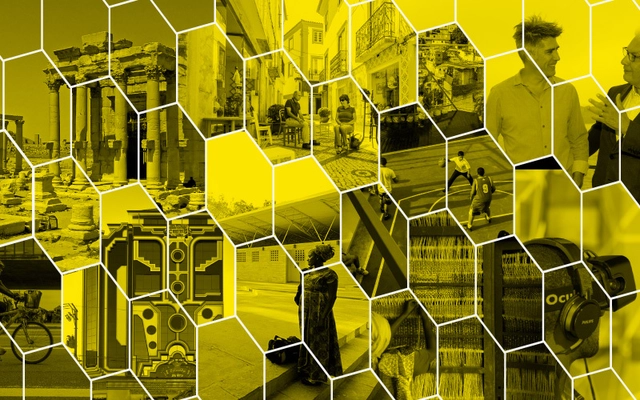
5,000 3D cameras to help preserve the architecture of a country torn by war; A team of Latin American architects that moved into Venezuela’s most dangerous neighborhoods in order to design and build with the community; A legendary architect who understood architecture’s relationship to the transformation of technology -- and whose projects have celebrated technology across a trajectory of multiple decades. These are the projects, initiatives and people who have proven to be leaders in 2015.

ArchDaily’s editorial team wanted to recognize these projects for their commitment to promoting practices in architecture that serve many, in all corners of the globe -- from Bolivia to London, from Chicago to Venice, from public spaces in favelas to projected drone-ports in Africa. These are the stories that have inspired us in 2015, and whose influence we hope to continue to see into 2016.