
-
Architects: HGR Arquitectos
- Area: 3504 m²
- Year: 2017
-
Manufacturers: Cappa, Construlita, Daltile, Escenium HAUS, Firenze, +4


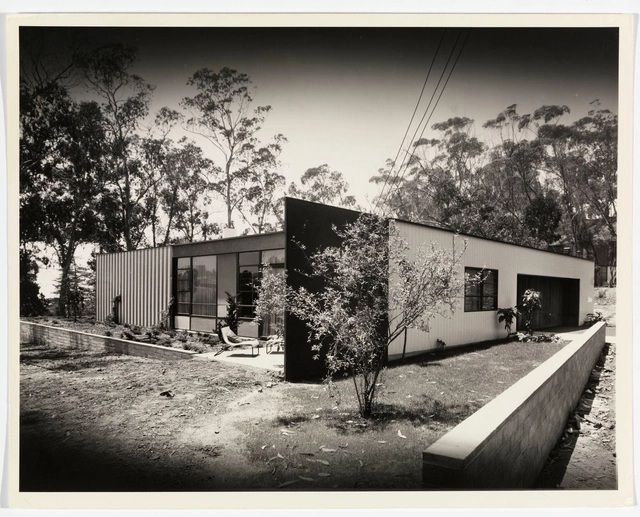
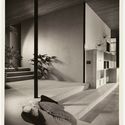
Nestled in the verdant seaside hills of the Pacific Palisades in southern California, the Entenza House is the ninth of the famous Case Study Houses built between 1945 and 1962. With a vast, open-plan living room that connects to the backyard through floor-to-ceiling glass sliding doors, the house brings its natural surroundings into a metal Modernist box, allowing the two to coexist as one harmonious space.
Like its peers in the Case Study Program, the house was designed not only to serve as a comfortable and functional residence, but to showcase how modular steel construction could be used to create low-cost housing for a society still recovering from the the Second World War. The man responsible for initiating the program was John Entenza, Editor of the magazine Arts and Architecture. The result was a series of minimalist homes that employed steel frames and open plans to reflect the more casual and independent way of life that had arisen in the automotive age.[1]

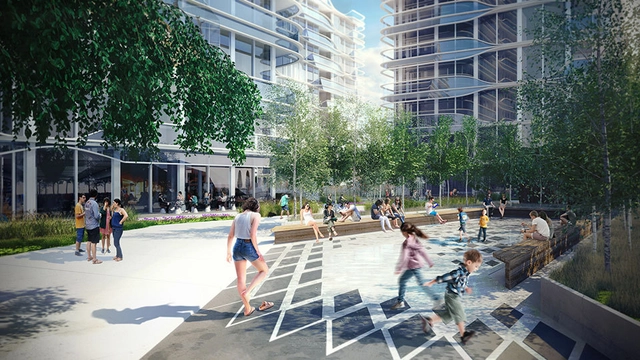
Dmytro Aranchii Architects have started construction on a large interactive green roof in Kyiv, Ukraine. Called the Signature Garden, the 6000 square meter park sits on top of a shopping center and provides a space for visitors to dine, play, and enjoy both vegetation and water features.

Dr. Margot Krasojević, known for creating impossibly futuristic architecture has unveiled her latest project: a bridge that can sail across the water. Dubbed the “Revolving Sail Bridge” - the experimental project was commissioned by the Ordos government in the Kanbashi District of Inner Mongolia (China) to be built across the Wulamulum River. Featuring a main floating section topped with a carbon-fibre triple sail, the flexible structure is capable of sailing anywhere across the river to relocate itself.


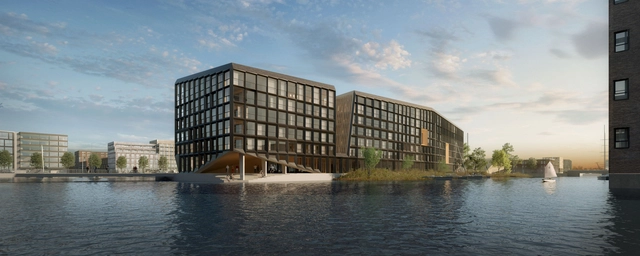
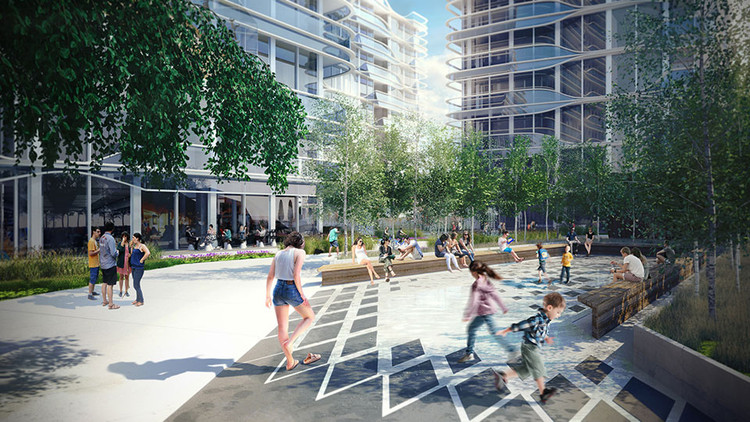
Orange Architects have been selected as winners of a competition to create a new mixed-use residential building situated at the port of IJburg in Amsterdam. The neighborhood of IJburg is comprised of a series of artificial islands developed to address the growing need for housing and lack of available land near Amsterdam's city center. Commissioned by Amvest, the 29,000 square meter development aims to provide a sustainable, inviting heart for the area.


But you can browse the last one: 417





.jpg?1502440322 "Courtesy of 5+design")