Vitra

BROWSE ALL FROM THIS PHOTOGRAPHER HERE

Exploring the Interplay of Body, Data, and Space in Contemporary Bathroom Design

 | Sponsored Content

Following a broader trend across architectural spaces, bathrooms have evolved from strictly utilitarian functions into environments integrated with intelligent systems, where physical, cognitive, and sensory parameters are considered in the development of spatial solutions. But, it is always important to remind that cutting-edge technology doesn't always guarantee a better experience. While high-end automation and digital controls offer impressive capabilities, it's often the subtle, user-friendly features—the ones that feel intuitive rather than intrusive—that leave a lasting impression. These are the quiet innovations that elevate daily routines without overcomplicating them. The adoption of user-centered ergonomics—a design approach that takes human needs and limitations as its starting point—has guided the creation of components that respond adaptively to the presence, behavior, and preferences of users. Technologies such as toilets with automated features, proximity-activated faucets, concealed cisterns, and intuitive temperature controls not only enhance comfort and accessibility but also contribute to more efficient management of water and energy resources.
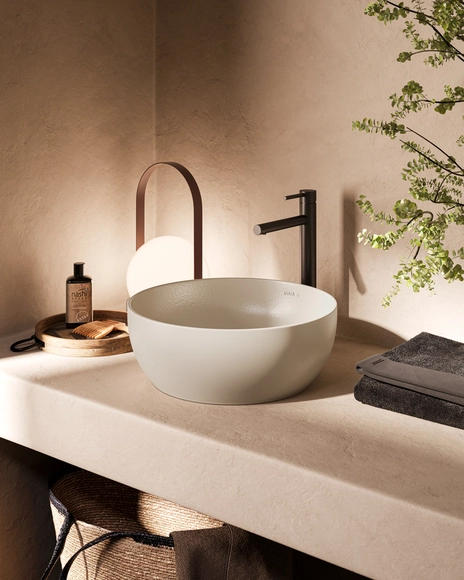
Repurposing Discarded Waste Materials Into a 100%* Recycled Washbasin

 | Sponsored Content

Producing sustainable materials and products demands constant analysis of how we conserve resources and manage waste effectively. This unfolds within a scenario where the environmental impacts of global warming and the climate crisis are becoming increasingly evident. In that context, sustaining the dialogue on waste disposal is fundamental to positively impacting our environment and maximizing circular economy opportunities.

Embracing this perspective and demonstrating a commitment to sustainability through waste reduction and resource conservation, VitrA has created an entire washbasin with 100%* recycled waste materials, including discarded ceramics from its production process. This innovative product has been designed to have a minimal environmental impact and reduce the global warming potential of its production by 30% per product, transforming materials once considered waste into valuable resources.

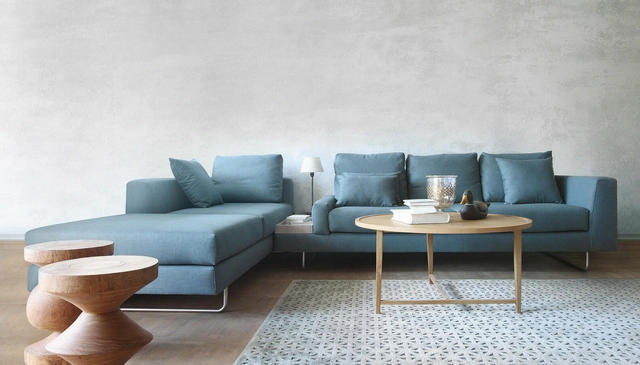
The Science of Sitting: 6 Rules for Choosing a Comfortable Sofa

Subscriber Access | 

Falling in love is easy. When eyes meet tufting over a crowded showroom, the beauty of a sofa’s slender legs, soft fabric skin, and inviting curves are like a siren song, blinding you from the truth. Then, six-eight weeks after the night before, the bubble bursts.

There’s nothing better after a hard day than cozying up on a comfortable sofa. In fact, there’s nothing better after an easy day either. But what if that settee stunner you fell head over cushion for, isn’t as nice to live with when you get it home?

In order to avoid relationship pain (and neck and back), and ensure long-term compatibility, here are some rules for selecting the right sofa.

Design Trends in Bathrooms: Exceptional Sanitary Equipment

Subscriber Access | 

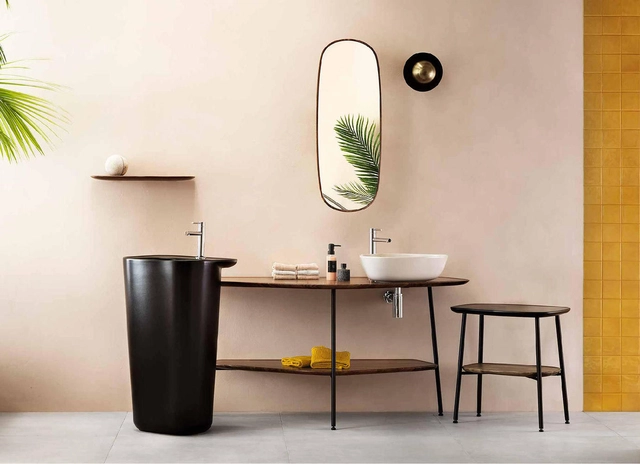
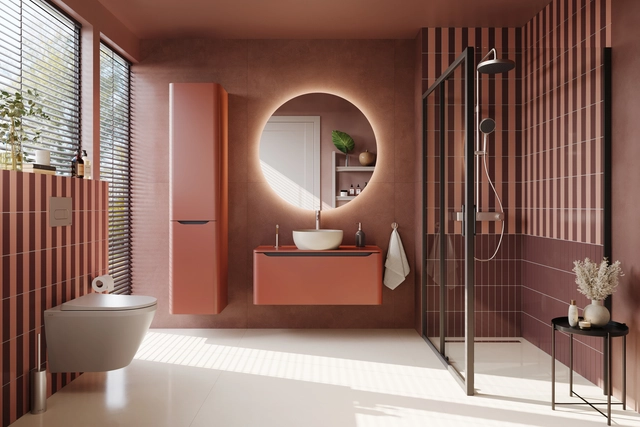
Today, bathroom and sanitaryware design is witnessing a concerted move away from the mild-mannered minimalism and washed-out pastel accents of the turn of the millennium. Bathrooms increasingly feature either bolder colors or more pronounced textures and patterns, and these are found in ceramics as well as fixtures and accessories, providing a more layered, multi-sensory experience.

Vitra Campus Adds A Viewing Tower With a Slide

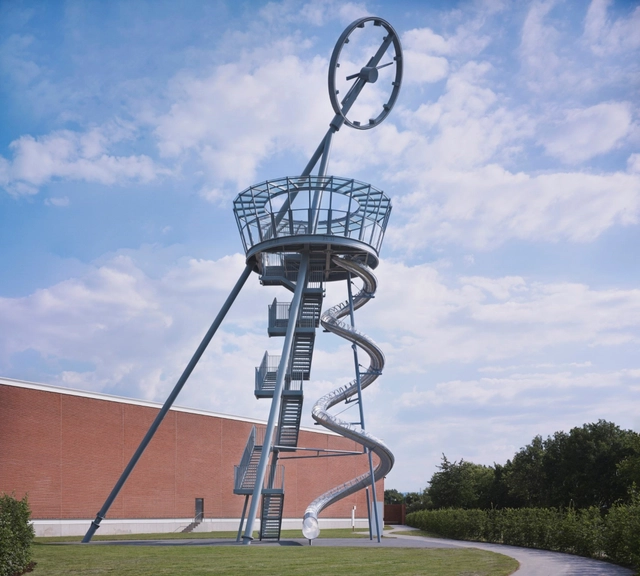
Adding to the world-famous collection of buildings and structures at its campus in Weil am Rhein, Vitra has just unveiled its latest project, a viewing tower and slide designed by Carsten Höller. Located on the Alvaro Siza-designed promenade linking Herzog & de Meuron's Vitrahaus with Zaha Hadid's Fire Station, the new tower offers two ways to see the Vitra Campus as never before: from above, looking out over the other buildings at the tower's viewing platform; and on the dizzying descent, as the transparent roof to the slide gives fleeting views of the buildings around you.

More on the Vitra Slide Tower after the break

Vitra Campus Adds A Viewing Tower With a Slide - More Images+ 3

Diogene / Renzo Piano

Text description provided by the architects. Over the years, furniture company Vitra has made a name for itself as one of the most architecturally-enlightened companies in the world, with their renowned campus featuring buildings by Nicholas Grimshaw, Frank Gehry, Alvaro Siza, Tadao Ando, Zaha Hadid, Herzog & de Meuron and SANAA.

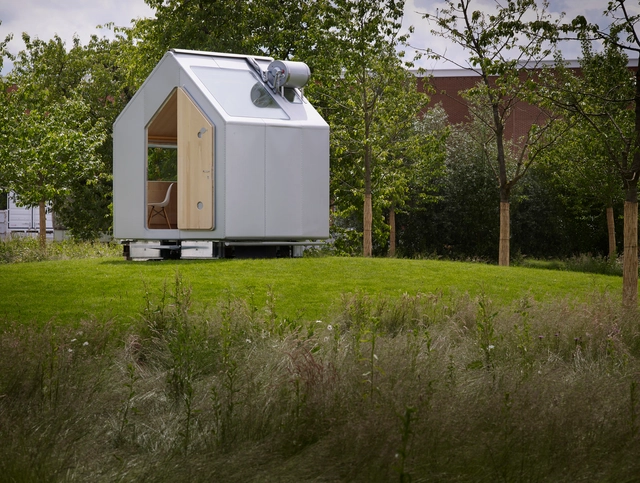
Now, Vitra has announced a collaboration with Renzo Piano that will bridge the gap between their sought-after furniture and their bespoke campus. Diogene, a self contained minimal living space with a floor area of just 2.5 x 3.0 meters, is billed as "Vitra's smallest building - but largest product".

More about the design of Diogene after the break

Diogene / Renzo Piano - More Images+ 4