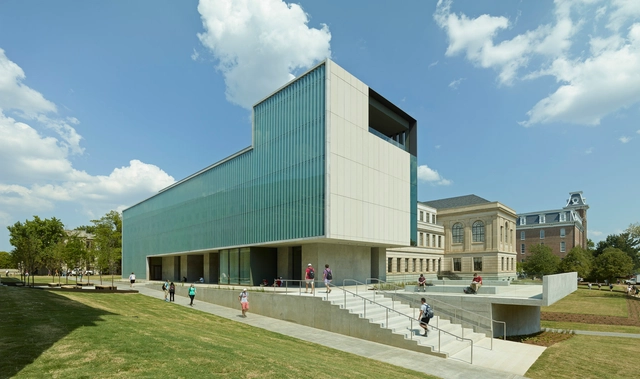
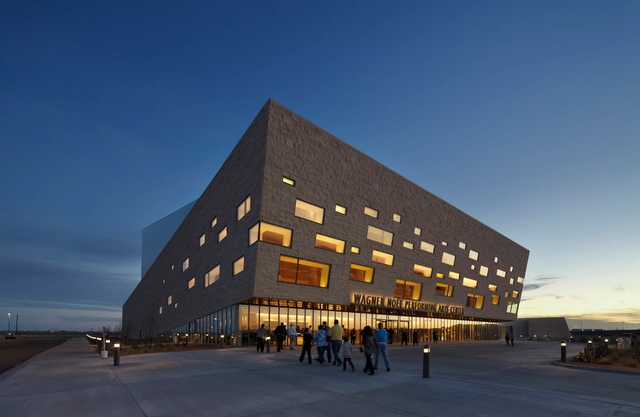
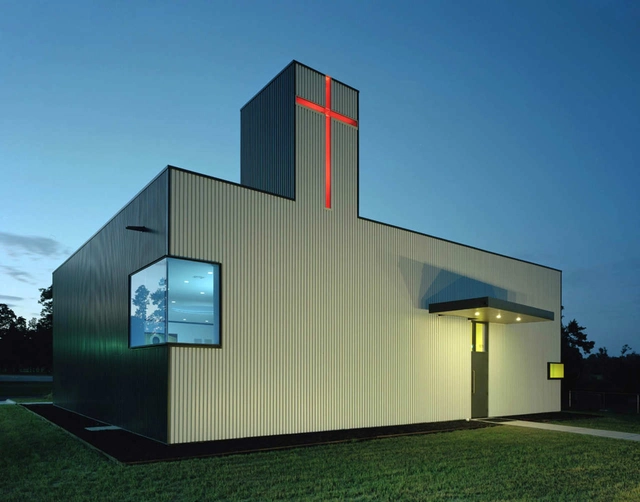
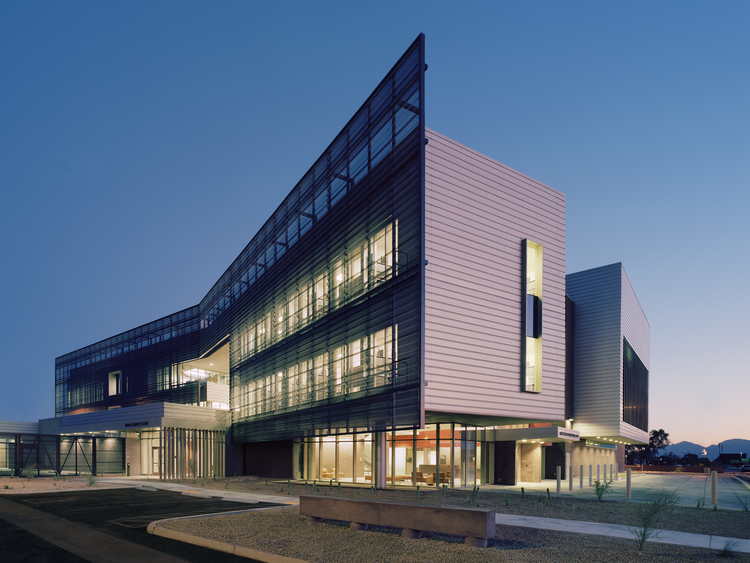
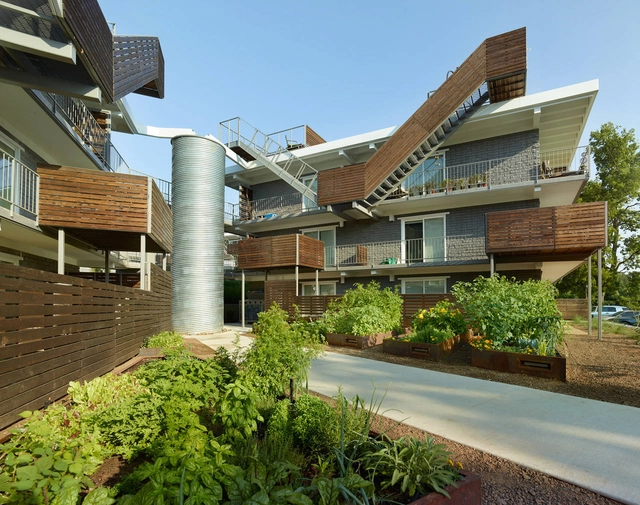
Just two days after the passing of R. Allen Eskew, FAIA, the New Orleans-based architect’s practice, Eskew + Dumez + Ripple (EDR), has been announced as the recipient of the 2014 AIA Architecture Firm Award. Presented by the American Institute of Architects (AIA), the annual award is the highest honor bestowed by to a firm by the national institution. EDR is being recognized for “rigorously crafting Modernism to repair, restore, and enhance the exceptionally unique cultural and historic context of New Orleans.”
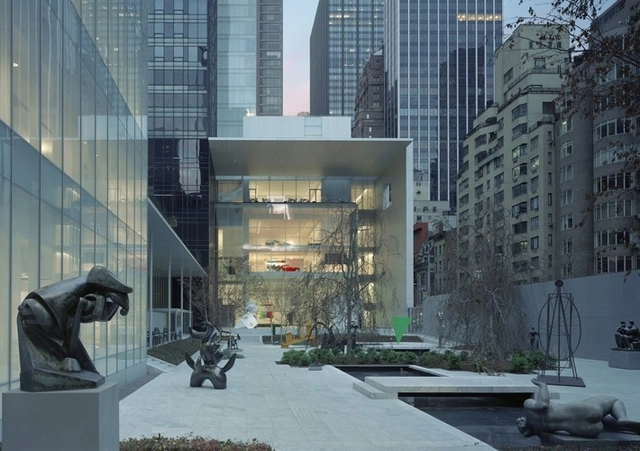
The entrance to the Museum of Modern Art is tucked beneath a demure facade of granite and glass in Midtown Manhattan. Its clean, regular planes mark Yoshio Taniguchi's 2004 addition to the MoMA's sequence of facades, which he preserved as a record of its form. Taniguchi's contribution sits beside the 1984 residential tower by Cesar Pelli and Associates, followed by Philip Goodwin and Edward Durell Stone’s original 1939 building, then Philip Johnson’s 1964 addition. Taniguchi was hired in 1997 to expand the Museum’s space and synthesize its disparate elements. His elegant, minimal solution presents a contemporary face for the MoMA while adhering to its Modernist roots.
At Carnegie Mellon University’s School of Architecture, prospective students are likely to find a course of study that will interest them. The School’s newly revised undergraduate curriculum allows students to choose studios in their 4th and 5th year that concentrate on breadth or depth in the following topics of interest: Sustainable Design, Digital Design, Management and Critical Practice, Design/ Build, Urban Design, and Future Studios. For example, students interested in digital fabrication, computational design, and new materials may choose to concentrate in Digital Design.
This discussion on Quora, entitled "which is the most well planned city in the world?" certainly got us thinking; not only because of the interesting and diverse answers to the question, but also because of the different reasons which were used to support these answers.
Currently the most popular answer seems to be Zurich, on account of its excellent (and obsessively punctual) public transport, organized waste disposal and numerous public drinking fountains. Other cities which are commended for their public transport and cleanliness are Singapore and Seoul. But other contributors seem to have a very different idea of what makes a well-planned city - read on to find out more.