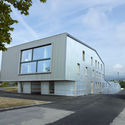
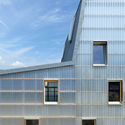
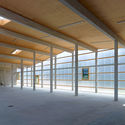
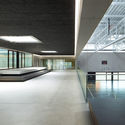
From its outer skin to its structural framing system, a building is made out of many layers. Just like a human body, many of those layers – which tend to be the most crucial, functional components – remain unseen by the public, covered with aesthetic features. Among all the hidden elements, all buildings include sheathing, the outer casing that construction crews place to serve several key purposes: protect the floor, walls, roofs and ceilings, fortify the structure against internal and external forces, and cover the entire framework, giving the building a solid shape.
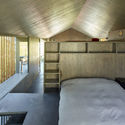
Wood is the most common material for sheathing, with Oriented strand board (OSB) panels usually being the top choice. Why? Made by compressing and gluing cross-oriented strands of wood together with heat-cured adhesives, OSB boards are lightweight, flexible, strong, versatile and fully recyclable. They also stand out by resisting deflection, warping and distortion, apart from offering some thermal and acoustic insulation. However, besides their good performance and mechanical properties, OSB is especially known for being cheaper than other alternatives, drastically saving both costs and time. In fact, this structural panel can be $3 to $5 less expensive than plywood, which explains why it is often considered its low-cost substitute.
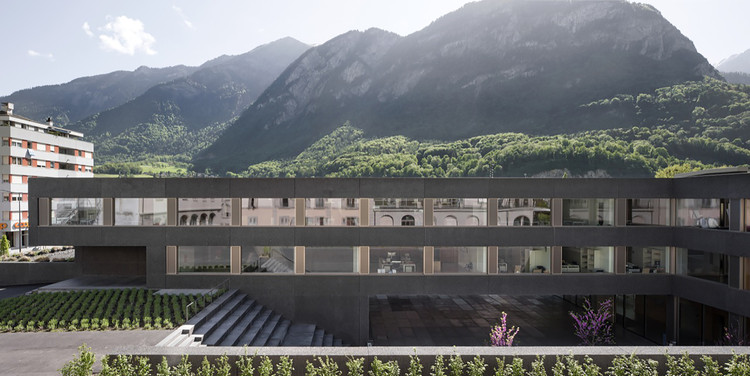
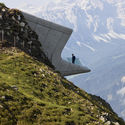
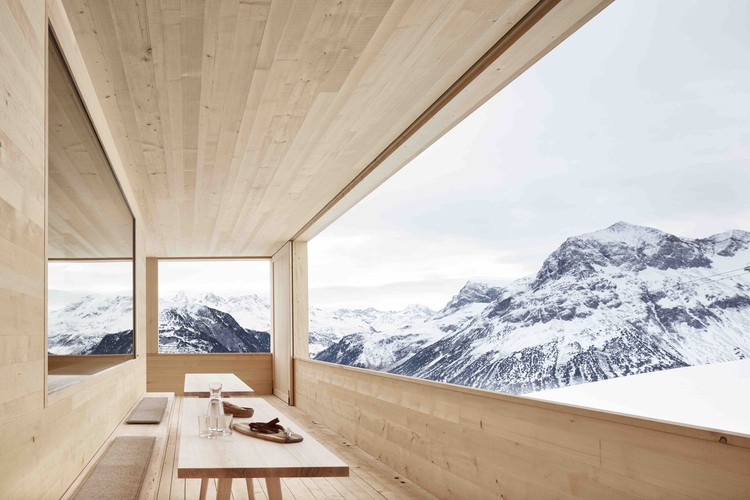
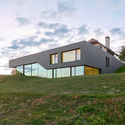
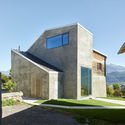
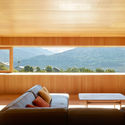
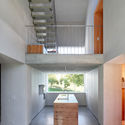
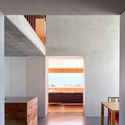
The mountains—one of the contexts that almost every architect would like to build in at least once. And yet even though it's an attractive setting, the associated challenges, including, but not limited to the sheer remoteness of mountain regions and their distance from basic services, make building in the mountains particularly demanding.
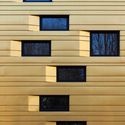
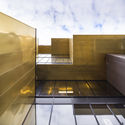
We've compiled a selection of 15 incredible works of architecture that maximize the breathtaking surroundings found in mountainous areas, featuring photographs from Felipe Camus, Janez Martincic, and Anze Cokl.
Since its discovery in 8700 B.C., copper has been one of the most used metals in the history of humankind. It has a variety of uses from coins and weapons to statues and even architecture. One of its first architectural uses was in Ancient Egypt for the massive doors of the temple to Amen-Re at Karnak in 300 B.C.
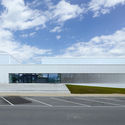
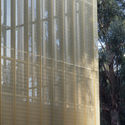
The versatility of the material continues in architecture to this day, allowing for a variety of unique designs and uses. The innovative, efficient, and lightweight material is versatile in its use, ranging from facades to roofs, interior applications, and high tech solutions. Sustainable in its natural form, the material is 100% recycled. As the state of architecture becomes more focused on sustainability, copper becomes the ideal material for the buildings of today.
Below, we’ve selected 7 projects that use architecture's original bling.
https://www.archdaily.com/907537/copper-facades-architectures-original-blingMartita Vial della Maggiora
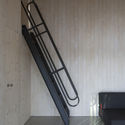
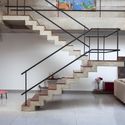
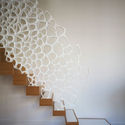
Guardrails and handrails are two elements that are often confused. While the first is used to close a space and prevent a person from falling, the second is a support bar for balance. Normally standard solutions are used for both elements, but with an attractive design, they can become standout details in a project.
For inspiration on materials, structures, and details of guardrails and handrails, here are 17 notable examples.
December 21 saw the winter solstice in the northern hemisphere. The season is an excellent time to take architectural photographs in a unique and different landscape, with a blanket of snow providing a reminder of the delights of nature. Here, we present a selection of 10 cabins captured in winter by prominent photographers such as Tim Bies, Fernando Alda and Pasi Aalto.