-
Architects: Jo Nagasaka, Schemata Architects
- Area: 123 m²
- Year: 2020
-
Professionals: WHITELIGHT.Ltd


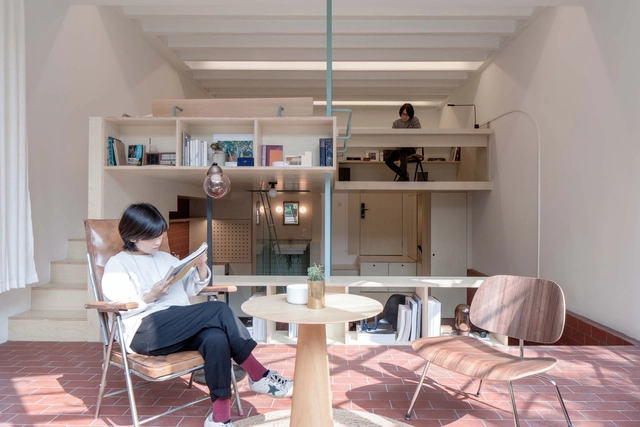
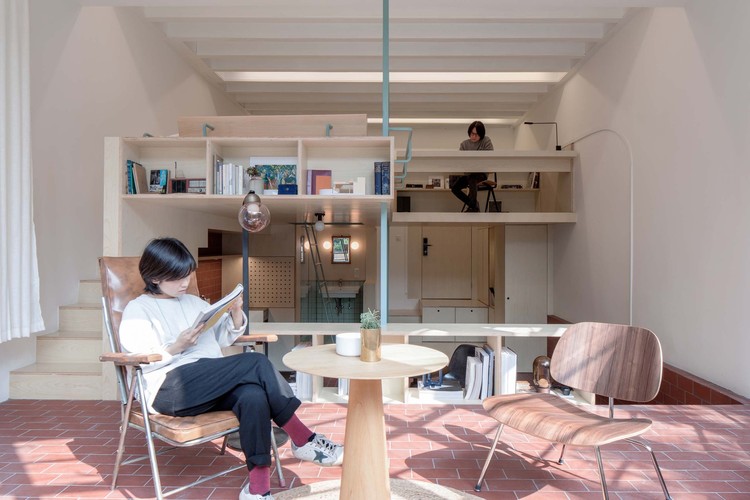
An emerging design trend is filling the gap between furniture and architecture by shaping space through objects at the intersection of the two, creating a dynamic and highly adaptable environment. Either a consequence of the increased demand for flexibility in small spaces or the architectural expression of a device-oriented society, elements in between architecture and furniture open the door towards an increased versatility of space. Neither architecture nor furniture (or perhaps both), these objects operate at the convergence of the two scales of human interaction, carving a new design approach for interior living spaces.
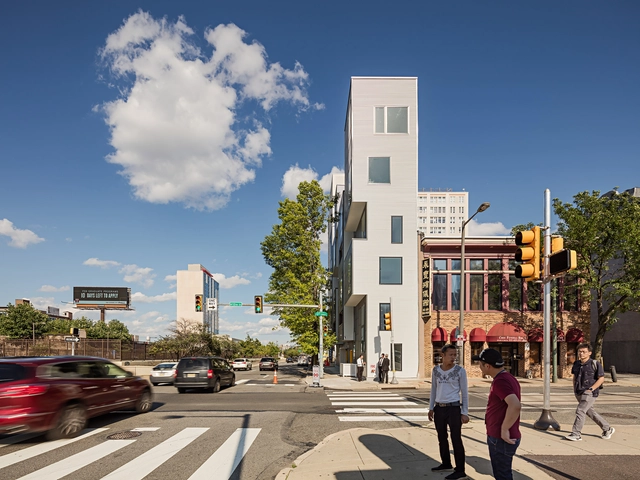
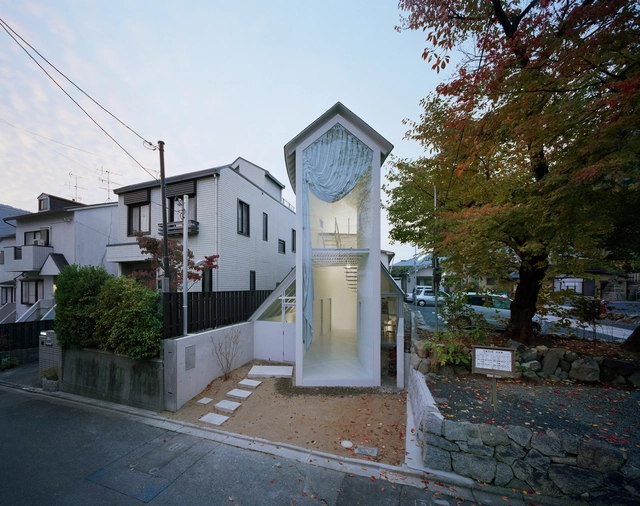
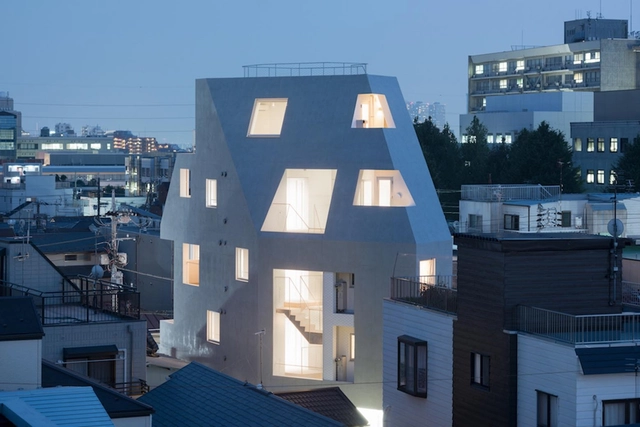
In all cities around the world, there are some forms of residual space, forgotten pieces of the urban fabric, remnants of overlapping layers of past development. This land whose conditions make it unsuitable for most types of conventional construction might be a fertile ground for architectural invention. Assigning a new value to vacant corner lots, dead-end alleys and strangely shaped plots opens up a new field of opportunities for inward urban development, expanding available living space and increasing amenities in densely populated cities. The following explores the potential for experiment and urban activation held by urban leftover space.
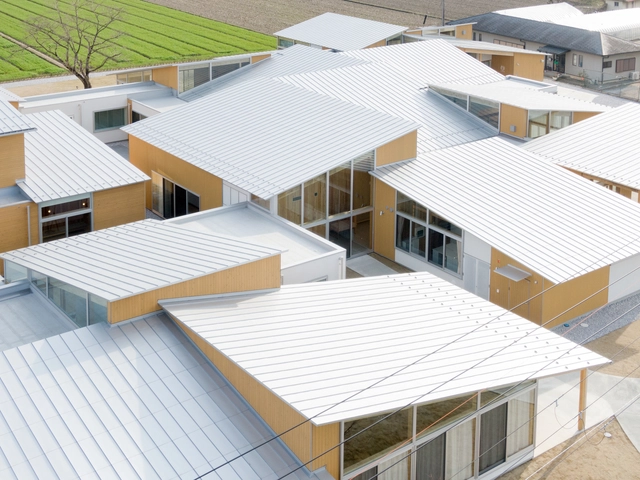
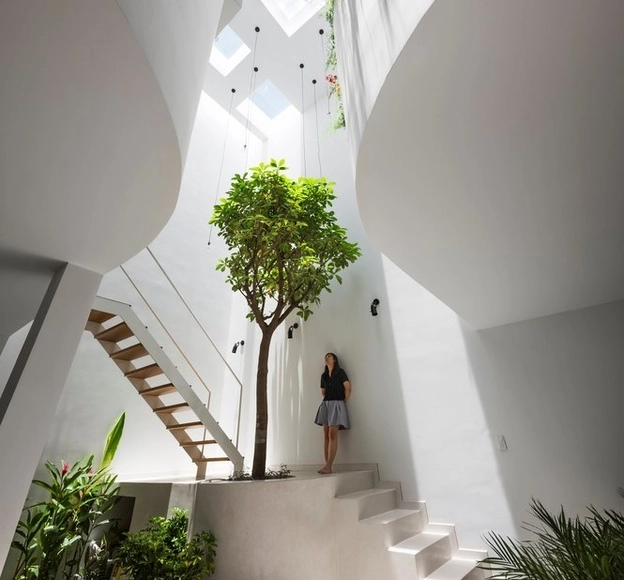
With most of the world living in cities and growing villages, people tend to spend the majority of their time indoors. When not at home, we are working, learning, or even engaging in fun activities in enclosed, built settings. All in all, 90% of our time is occupied inside. It is therefore essential to ensure a comfortable, productive, and healthy indoor environmental quality by following well-regulated parameters and design practices that consider temperature, lighting, noise pollution, proper ventilation, and the quality of the air we breathe. The latter is especially important, since contrary to what we might think, air pollution is much higher indoors than outdoor.