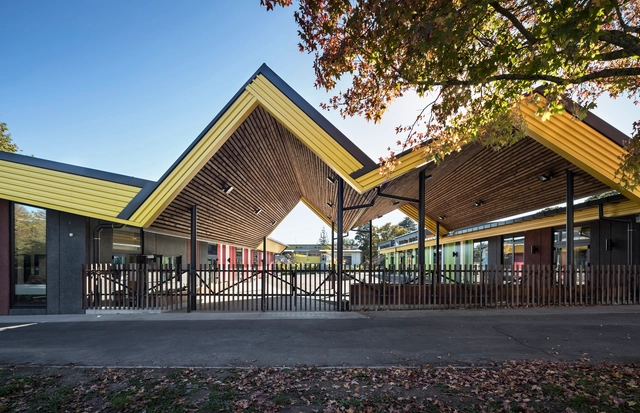
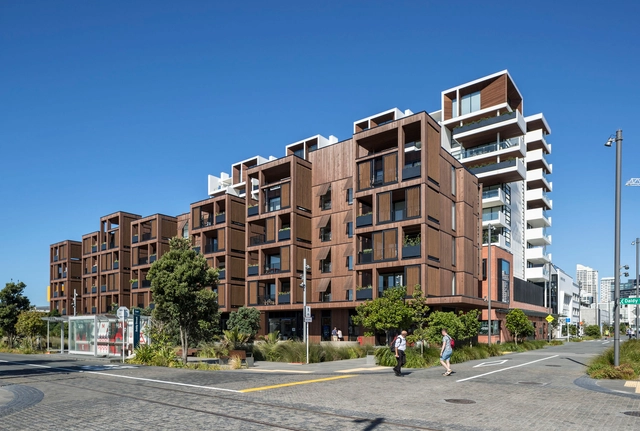
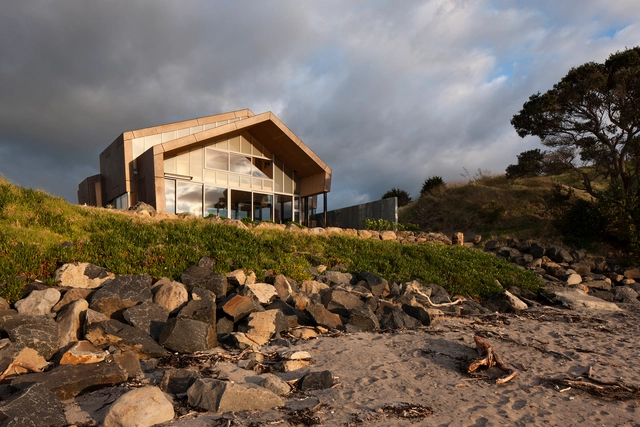
On behalf of the entire ArchDaily team, we would like to thank you for your continued support and for making 2020 our best year so far! We are now reaching more architects around the world and inspiring them in the creation of better built environments. With more than 5500 different projects published during the year, our curators are excited to share this collection of the 100 most visited projects of 2020. This selection represents the best content created and shared by the ArchDaily community over the past 11 months.
In the second part of his interview with Archdaily, Hashim Sarkis reflects on the future of architecture as he tackles the timeless question of the 2021 Venice Biennale. The curator of the Biennale, which proposes the question of “How Will We Live Together?”, discusses the role of the profession in the midst of all these new paradigms, stating that “Architects do change the world […] by creating […] wish images for what the world could be”.
In this feature, the curator of the anticipated biennale and dean of MIT School of Architecture and Planning presents his views on the evolution of Architecture, and the new directions the academic world should take, to reflect “the complexity of the urban problems of today”. Sarkis also brings up Beirut, discussing reconstruction approaches, civil society, and the exasperating notion of resilience.
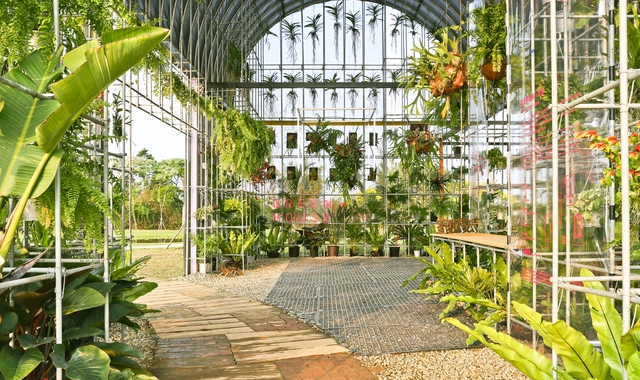
Since at least as early as ancient Roman times, humans have recognized the value of what is now known as controlled environment agriculture, allowing farmers to cultivate plants year-round rather than seasonally. Though they were invented hundreds of years ago, greenhouses continue to be the most popular means of controlled environment agriculture today, with innovations in technology and design having improved both the beauty and efficacy of this typology. Below, we will explore in detail the history and structure of the greenhouse, as well as several examples of innovative and experimental greenhouse design.
https://www.archdaily.com/945828/structure-and-translucent-cladding-how-to-design-a-greenhouseLilly Cao
Building Information Modeling (BIM) is an increasingly common acronym among architects. Most offices and professionals are already migrating or planning to switch to this system, which represents digitally the physical and functional characteristics of a building, integrating various information about all components present in a project. Through BIM software it is possible to digitally create one or more accurate virtual models of a building, which provides greater cost control and efficiency in the work. It is also possible to simulate the building, understanding its behavior before the start of construction and supporting the project throughout its phases, including after construction or dismantling and demolition.
With the right configuration of materials and shapes, small enclosure, such as bathrooms, have unending design potential. Progressively, architects and designers are striving to make washrooms more welcoming and attractive places for its users. Often times we will hear clients ask for their bathroom to be somewhat of a personal spa. This week we have compiled 10 compelling images of bathrooms from all over the world. Bathrooms whose materials, patterns, colors, shapes, and textures begin to tell a story. Below, photographs by Peter Clarke, José Hevia, and Erieta Attali.























.jpg?1566509226&format=webp&width=640&height=580)
.jpg?1566510241&format=webp&width=230&height=230&crop=true)
.jpg?1566510141&format=webp&width=230&height=230&crop=true)
.jpg?1566509328&format=webp&width=230&height=230&crop=true)
.jpg?1566509204&format=webp&width=230&height=230&crop=true)
.jpg?1566509226)
.jpg?1566339070&format=webp&width=640&height=580)
.jpg?1566337924&format=webp&width=230&height=230&crop=true)


.jpg?1566339070)