Sandra Pereznieto

BROWSE ALL FROM THIS PHOTOGRAPHER HERE

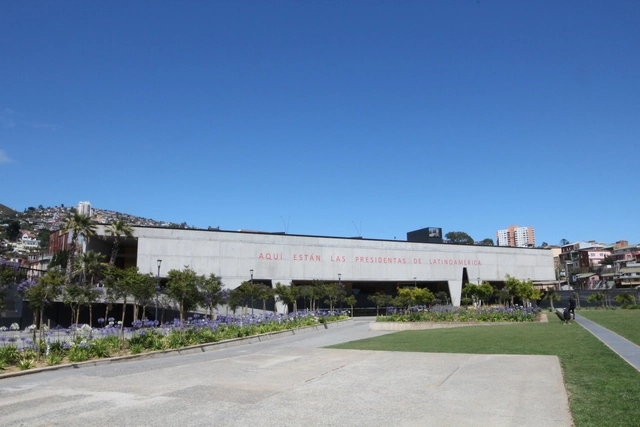
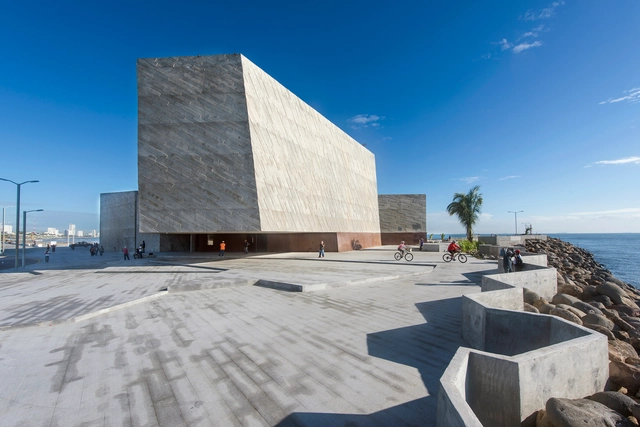
Valparaíso Cultural Park in Chile, winner of the III Rogelio Salmona Award

At a ceremony held on Monday, September 3, the Valparaíso Cultural Park, located in the Chilean city of the same name, was named the winner of the 3rd Rogelio Salmona Award. Organized by the Rogelio Salmona Foundation, the Latin American competition recognizes works whose architecture "clearly generates significant, open public spaces that are embraced and enjoyed by their community within a context of local and global communities."

Designed by the firm HLPS (Martín Labbé, Carolina Portugueis, Osvaldo Spichiger, and Jonathan Holmes), the Valparaíso Cultural Park is the result of rehabilitating the former Valparaíso prison, constructing a new cultural center, and converting the surrounding grounds into a public park.

Valparaíso Cultural Park in Chile, winner of the III Rogelio Salmona Award - More Images

Meet the Winners of the 2018 CEMEX Building Award

Meet the Winners of the 2018 CEMEX Building Award - More Images+ 3

CEMEX has announced the Mexican winners of the 2018 CEMEX Building Award across its various categories, including Affordable Housing, Residential Housing, Building, Collective Space, and Infrastructure. This year's winners include projects from across Mexico, with each entry evaluated on comprehensive sustainability, architectural solution, structural solution, and construction process. Read on to discover the winning projects of this edition.

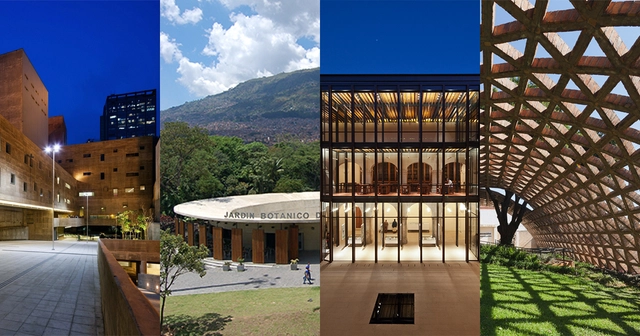
These are the 20 works of the III Rogelio Salmona Latin American Architecture Award

Following several months of research to identify works in Latin America and the Caribbean, an international curatorial committee of architects has selected 20 built works to be featured in the third edition of the Rogelio Salmona Latin American Architecture Prize.

The curatorial committee was composed of architects Silvia Arango (Andean Region), Felipe Leal (Mexico, Central America, and Caribbean Region), Alexandre Ribeiro Gonçalves (Brazil Region), and Fernando Pérez Oyarzún (Southern Cone Region), who reviewed 53 Latin American projects to make their final selection. This coming September, the prize will be awarded to the winning work during a ceremony in Bogotá, Colombia.

These are the 20 works selected to participate in the third edition of the prize:

A selection of the best projects of 2018 by ArchDaily Mexico

Subscriber Access | 

A selection of the best projects of 2018 by ArchDaily Mexico - More Images+ 23

Throughout 2018, we selected thousands of projects for publication on our site, occasionally highlighting a few for their innovative techniques and materials, their integration with their context, or their community engagement. Working daily with editors in Brazil, the United States, Mexico, Chile, China, and Northern Ireland, and thanks to the extensive network we have forged with institutions worldwide, we have the tools to gain a much broader perspective on current architectural production—not only in Mexico, but globally.

2018 MCHAP Prize for Emerging Architecture Announced!

Last month, the Mies Crown Hall Americas Prize (MCHAP) announced the four finalists for the MCHAP.emerging award: the Maria Montessori Mazatlan School by EPArquitectos and Estudio Macías Peredo, the Children Village by Rosenbaum and Aleph Zero, the Embodied Computation LAB by David Benjamin, and Common Unity by Rozana Montiel Estudio de Arquitectura.

Mexico City Architecture City Guide: 38 Projects From Tenochtitlan to the 21st Century

Subscriber Access | 

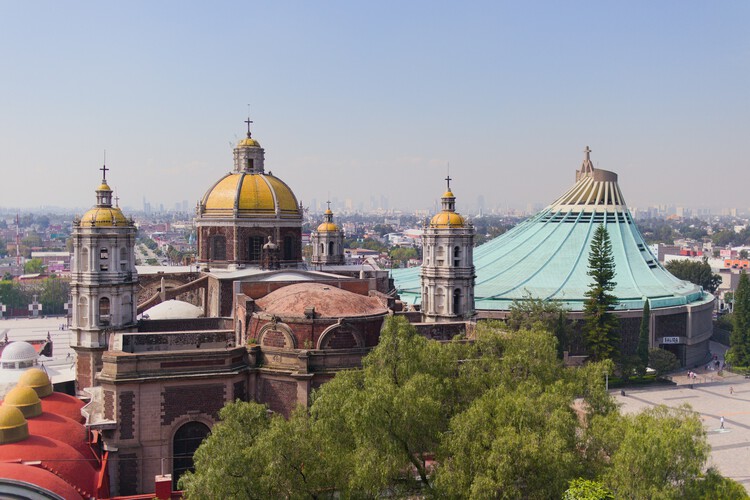
Mexico City is a sprawling metropolis of layered temporalities, where architecture operates as a continuous negotiation between deep-seated history and intense urban mutation. Built over the aquatic traces of Tenochtitlan, the city's fabric is an ongoing dialogue between eras: the monumental scale of the Pre-Hispanic Templo Mayor and the Viceroyalty architecture of the Catedral Metropolitana coexist with the modern and contemporary impulses that define its skyline. This dense juxtaposition creates a unique urban canvas where sacred geography, colonial imposition, and 20th-century ambition intersect.

The mid-century marked a definitive era of experimentation, forging a Mexican Modernism that masterfully synthesized international structural rationalism with local identity and materiality. This synthesis is epitomized by the sweeping, plastic integration of art and architecture at the Ciudad Universitaria, the structural poetry of Félix Candela's hyper-parabolic shells, and the raw, monumental brutalism of Teodoro González de León and Abraham Zabludovsky. Parallel to this, the intimate, introspective mastery of Luis Barragán and Juan O'Gorman redefined domestic space, experimenting with light, vernacular color, and tectonic honesty to create spaces of profound spatial stillness.

Mexico City Architecture City Guide: 38 Projects From Tenochtitlan to the 21st Century - More Images+ 53

Building Public Life: How Bogotá and Mexico City Addressed Urban Inequality

Subscriber Access | 
Audio available

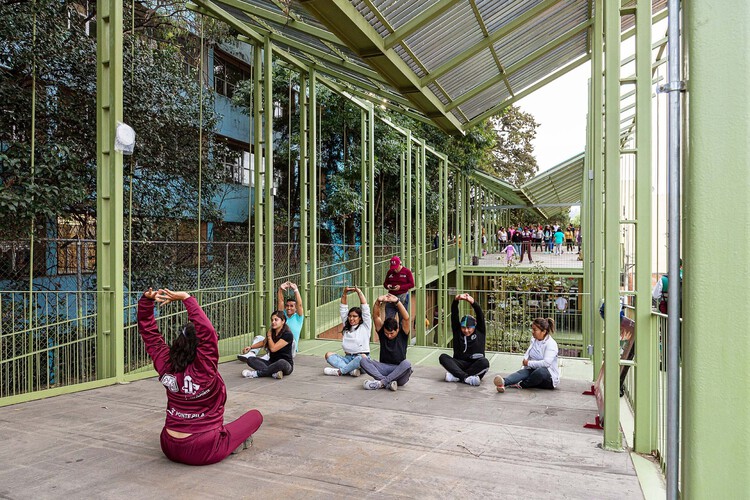
In many Latin American cities, peripheral neighborhoods have historically had less access to the resources that make urban life more than just livable. Housing, transportation, and public services are the usual markers of that gap. But there is another gap that is harder to quantify: the absence of places where people can gather, learn, rest, and participate in collective life. When those spaces do not exist, the city not only fails to provide a service. It fails to acknowledge a presence.

In recent decades, a growing number of projects have tried to address that absence directly. Rather than focusing only on physical infrastructure, they invest in spaces designed to support education, culture, recreation, and community, often merging several of those functions within a single building in neighborhoods where those spaces are otherwise limited.

Building Public Life: How Bogotá and Mexico City Addressed Urban Inequality - More Images+ 19

Building with Communities: Rural Schools That Integrate Local Techniques and Materials in Latin America

Subscriber Access | 

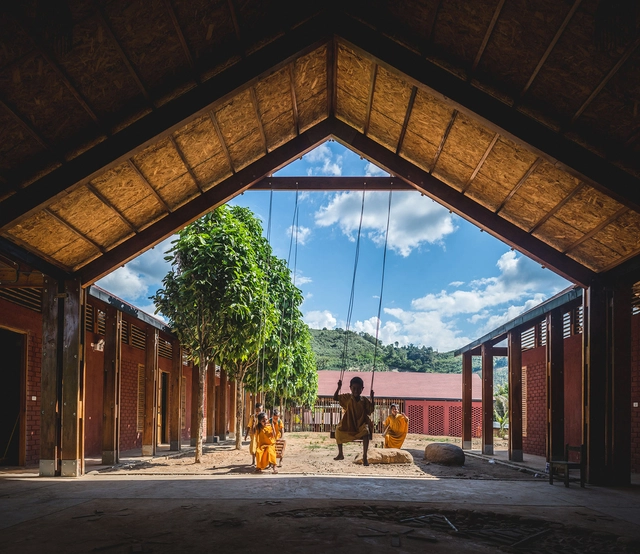
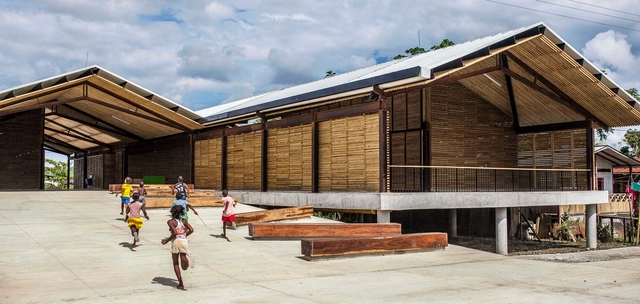
In an effort to foster a sense of belonging among its inhabitants, to value ancestral cultures, and to preserve identity, the Latin American region embraces an architecture rich in nuances and regional characteristics. The use of local materials and construction techniques, or the dialogue between modular and vernacular approaches, among other aspects, reflect the intention to promote the involvement of native communities, students and their families, Iindigenous peoples, and local builders in the design and construction processes of a wide variety of rural schools throughout Latin America.

Open-Air Chapels: Integrating Nature and Landscape into Religious Architecture in Latin America

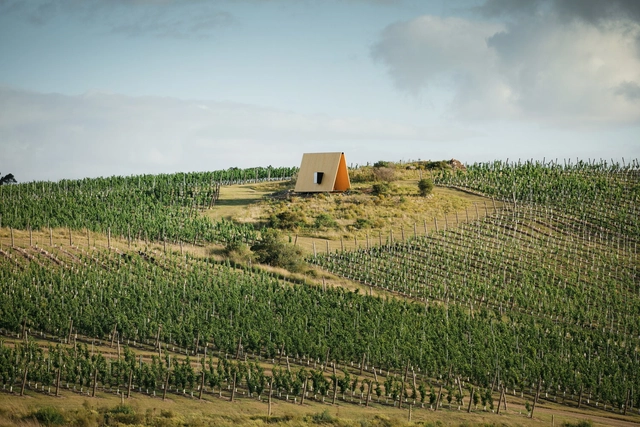
At a global level, contemporary architecture continues to explore tools and design methodologies to integrate nature into habitable spaces, given its proven benefits and contributions to improving people's quality of life. While there are diverse religious beliefs around the world, religious architecture generally expands beyond its uses and functions to connect with the sacred. Senses, memories, and emotions are transmitted in these spaces through the use of certain materials, spatial organizations, and even sounds and aromas that enhance experiences in atmospheres of spirituality, divinity, and reflection. In Mexico, Chile, Ecuador, Brazil, and Uruguay, projects for places of worship open to the outdoors reflect an architecture that adapts to different natural environments while maintaining the premise that each religion is tied to a social identity and requires a particular connection with its community and surrounding landscape.

Open-Air Chapels: Integrating Nature and Landscape into Religious Architecture in Latin America - More Images+ 20

Winning Projects of the 2024 Rogelio Salmona Latin American Architecture Award Announced

On October 24, 2024, the Rogelio Salmona Latin American Architecture Prize award ceremony took place, honoring works that have significantly created meaningful, open, and collective spaces for the public in the region. During the event, held at the Virgilio Barco Public Library auditorium in Bogotá, Colombia, the winners of this prestigious award were announced. This year marked the fourth cycle, titled "Open Spaces/Collective Spaces," with participation from 47 projects.

The jury, composed of international figures such as Sol Camacho (Brazil-Mexico), Nicolás Campodonico (Argentina), Carlos Campuzano (Colombia), and Mauricio Rocha (Mexico), first shortlisted 26 selected works, from which two were awarded the first prize in the Latin America and Colombia categories.

Architecture in Mexico: Projects Using Stone

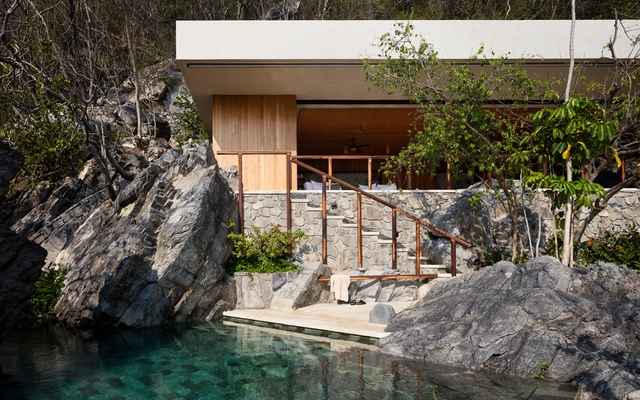
Due to their aesthetic, sustainable, durable, and resistant qualities, stone materials have accompanied the disciplines of architecture and engineering since their origins. As is known, in Mexico, stone has been a fundamental element in pre-Hispanic constructions where experimentation was done with vaults, ashlars, masonry, etc.

However, the industrialization of this material, the perfection of techniques, and experimentation with its various applications have allowed buildings erected today to continue using it in different ways and various regions of the country, specifically in wooded areas. For this reason, we have compiled a selection of projects that include houses, haciendas, hotels, restaurants, and terraces to continue inspiring you.

Architecture in Mexico: Projects Using Stone - More Images+ 30

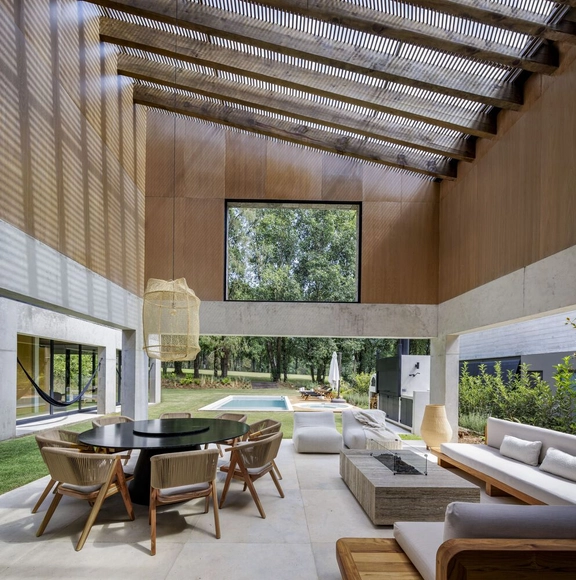
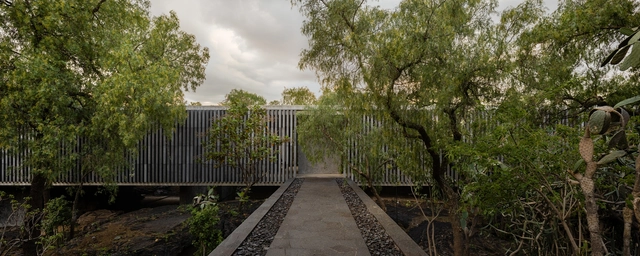
Noah House / Cadaval Estudio

Noah House / Cadaval Estudio - More Images+ 13

Valle de Bravo, Mexico
  • Architects: Cadaval Estudio
  • Area Area of this architecture project Area:  400
  • Year Completion year of this architecture project Year:  2023

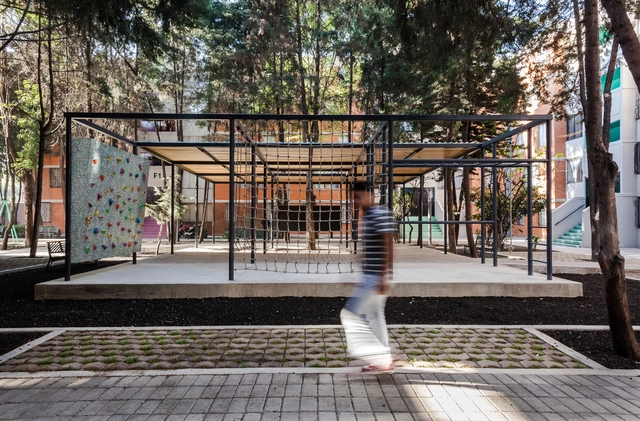
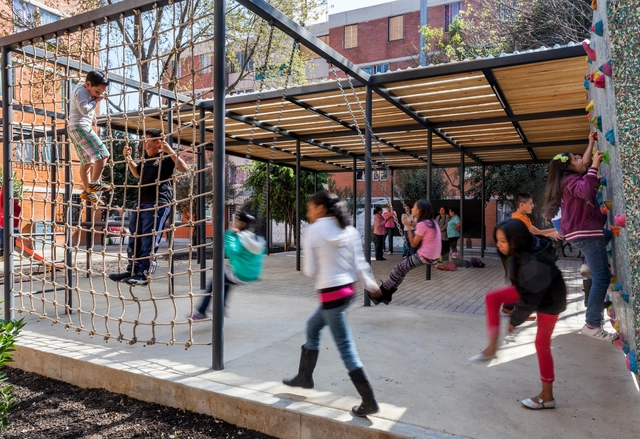
Cultivating Non-Violent Cities: 10 Examples of Friendly Public Spaces

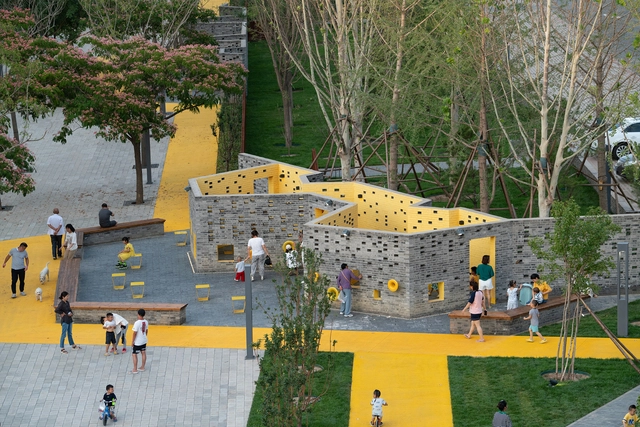
Violent cities result from social and economic inequality, which also affects the urban landscape and the way we live. In honor of International Cities Day, we have selected a series of projects to reflect on non-violent ways of using public space.

Cultivating Non-Violent Cities: 10 Examples of Friendly Public Spaces - More Images+ 9

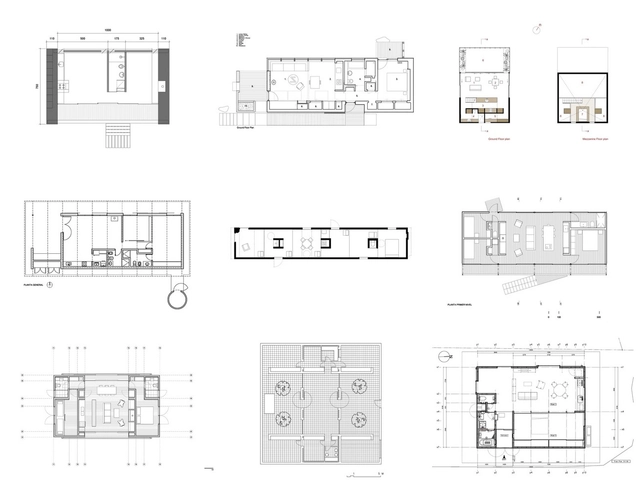
House Plans Under 100 Square Meters: 30 Useful Examples

The challenge of designing a house with a tight budget and space constraints, together with the essential duty of responding correctly to the requirements of the user, is sometimes one of the most challenging and motivating tasks an architect can face. How can you take advantage of space most effectively? How can you avoid wasted material? How do you anticipate the possible future expansion of the house? And how do you develop a simple design that also delivers value to its inhabitants?

To help you in this process, we scoured our projects archives to select 30 houses that provide interesting architectural solutions despite measuring less than 100 square meters.

Anahuacalli Museum / Taller de Arquitectura - Mauricio Rocha

Anahuacalli Museum / Taller de Arquitectura - Mauricio Rocha - More Images+ 33

Ciudad de México, Mexico

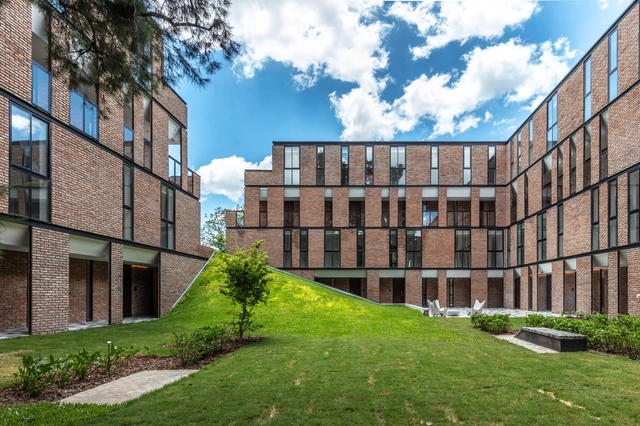
Between Architecture and Landscape: Contemporary Collective Housing in Latin America

What role does landscaping play in contemporary housing? In what ways can architecture and landscaping be integrated into a whole? Considering the incorporation of landscaping from the beginning of the architectural project has become a defining aspect and even a challenge for many architects, aiming to improve the quality of life of their inhabitants and contribute to the protection and care of the environment.

On numerous occasions and within the Latin American setting, nature appears as a protagonist or founding principle of the proposed architectural design, involving reasons related to promoting the relationship with the surrounding environment, incorporating native species of the site, and enhancing the connection between the interior and exterior, among others. Although there are different ways of planning, organizing, and arranging the layout of environments in contemporary housing, the dialogue between architecture and landscape can collaborate with the uses, activities, and circulations determined based on the needs to be met or the users to be accommodated.

11 Rules to Follow When Creating Vibrant Public Spaces

The International Placemaking Week, presented by Project for Public Spaces (PPS) is an inspiring and engaging event designed as a global gathering of placemakers from different sectors to discuss thoughts and share strategies in order to push forward the concept of placemaking in the host city and on an international level. Previous editions took place in Vancouver in 2016, Amsterdam in 2017, and Chattanooga, Tennessee in 2019.

PPS, the nonprofit organization behind Placemaking Week, helps people create and sustain public spaces that build strong communities. In 1999, they elaborated “How to turn a place around”, a book that defined the placemaking movement, creating a guideline of 11 principles to follow in order to create vibrant community spaces.

11 Rules to Follow When Creating Vibrant Public Spaces - Image 1 of 411 Rules to Follow When Creating Vibrant Public Spaces - Image 2 of 411 Rules to Follow When Creating Vibrant Public Spaces - Image 3 of 411 Rules to Follow When Creating Vibrant Public Spaces - Image 4 of 411 Rules to Follow When Creating Vibrant Public Spaces - More Images+ 14

Aguacates House / Francisco Pardo Arquitecto

Aguacates House / Francisco Pardo Arquitecto - More Images+ 44