Rory Gardiner

BROWSE ALL FROM THIS PHOTOGRAPHER HERE

Thick Walls and Deep Openings: When Architecture Rediscovers Mass

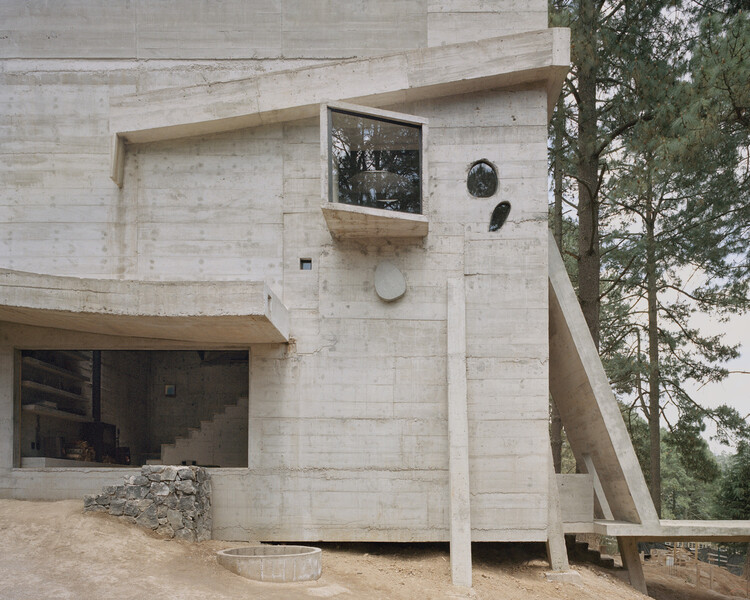
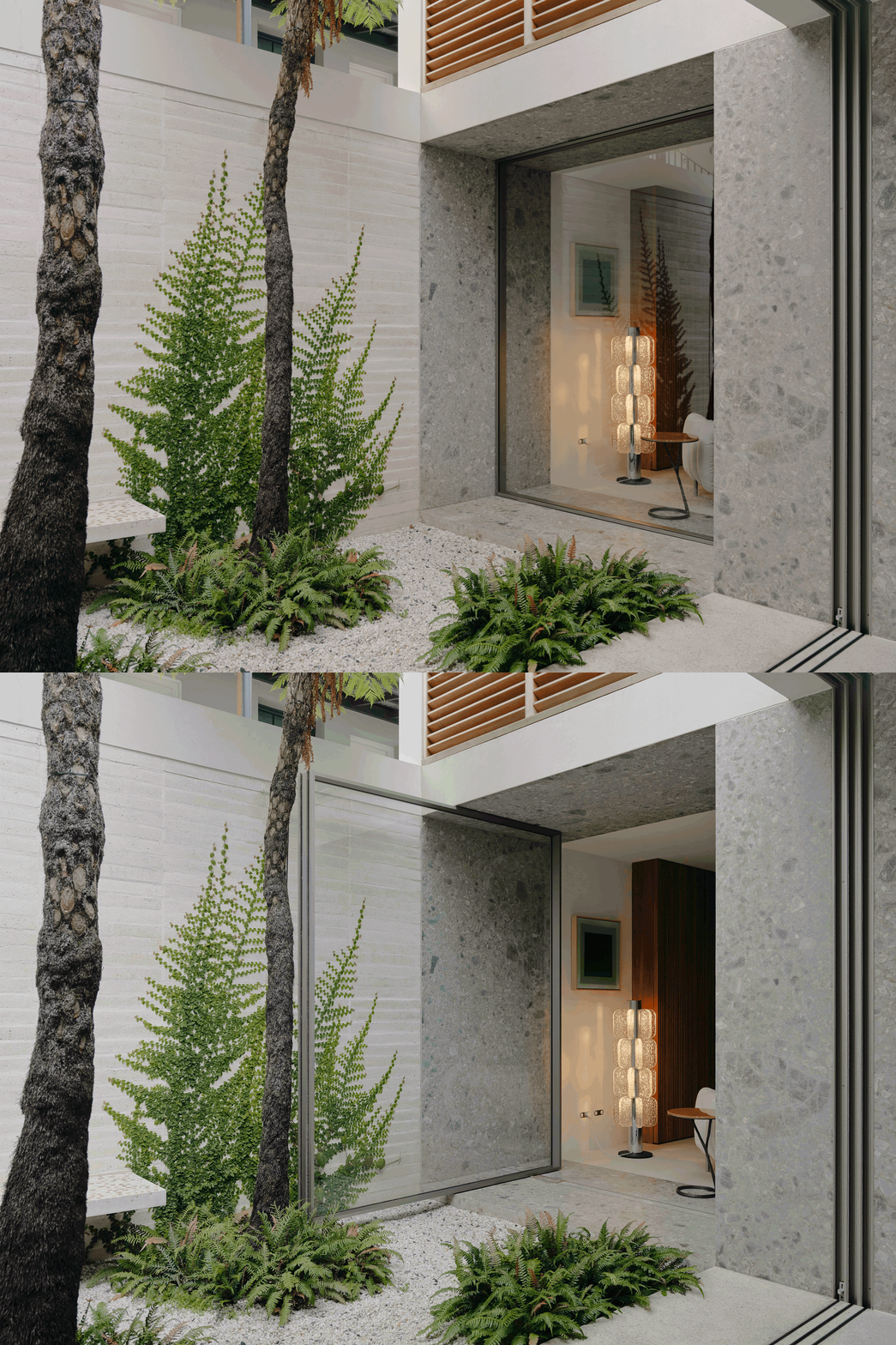
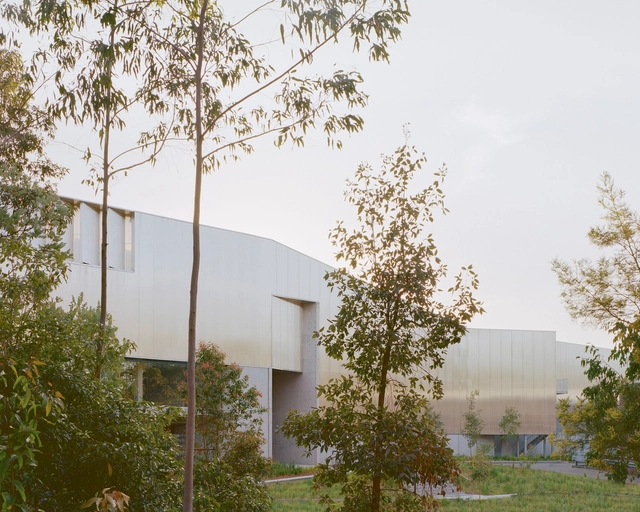
For much of the twentieth century, architectural culture was shaped by the pursuit of lightness. Steel structures and curtain walls reduced the building envelope to a thin layer separating interior from exterior, while façades became smooth, continuous surfaces where windows were cut as precise openings within an abstract plane. But for centuries, buildings were conceived as bodies of mass; walls possessed depth, windows were recessed within thick masonry, and space was often experienced as something carved from the solidity of construction. In recent years, several contemporary projects appear to revisit this older spatial logic, reintroducing thickness as an architectural condition through deep openings, monolithic volumes, and heavy envelopes.

This shift does not imply a rejection of modern construction technologies, nor does it represent a nostalgic return to historical forms. Instead, it reflects a renewed interest in the fundamental relationship between material, mass, and void. By reintroducing thickness into the architectural vocabulary, these buildings reconnect contemporary practice with long-standing traditions in which space was inseparable from the weight and depth of construction.

Thick Walls and Deep Openings: When Architecture Rediscovers Mass - More Images+ 19

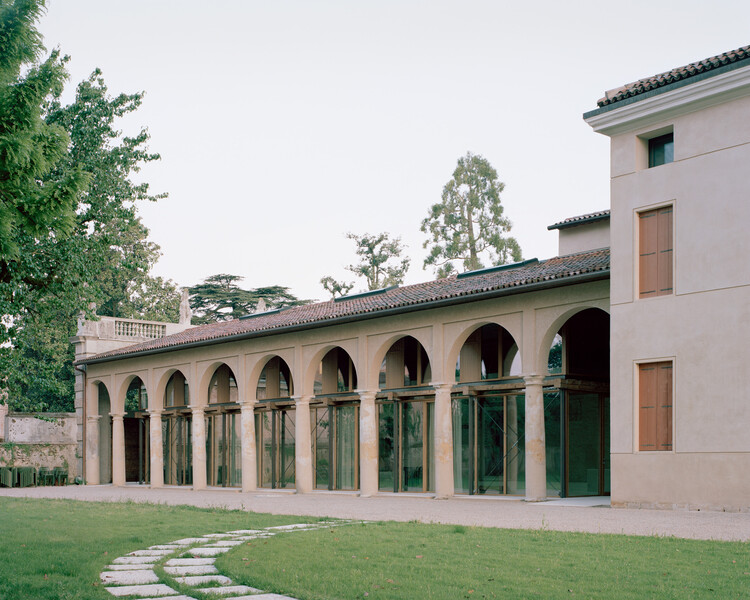
Vis-à-Vis Venetian Villa / RigonSimonetti

Vis-à-Vis Venetian Villa / RigonSimonetti - More Images+ 30

Costabissara, Italy
  • Architects: RigonSimonetti
  • Area Area of this architecture project Area:  714
  • Year Completion year of this architecture project Year:  2025
  • Manufacturers Brands with products used in this architecture project
    Manufacturers:  TON, Om-light, Videotecnica, 2F Srl, Antica edilizia, +40

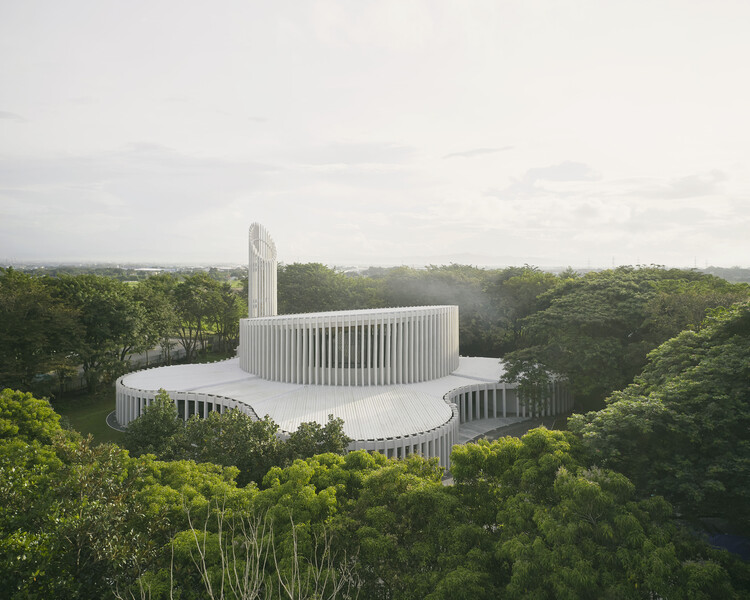
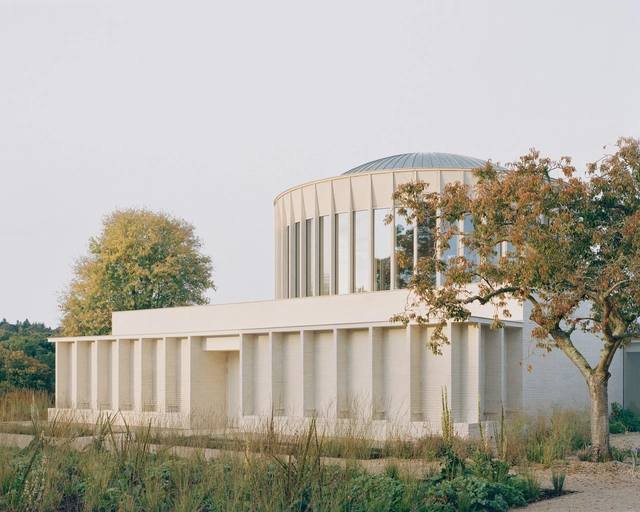
Temple Complex / James Gorst Architects

Temple Complex / James Gorst Architects - More Images+ 10

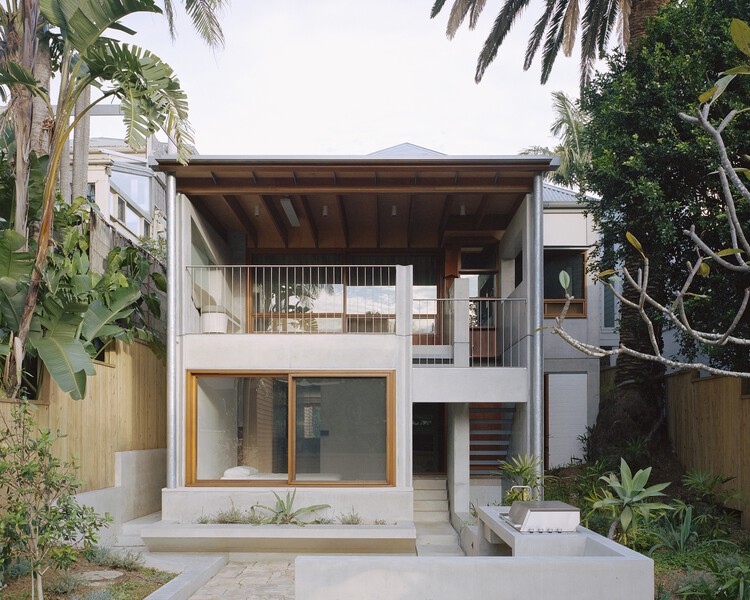
Lee House / Candalepas Associates

Lee House / Candalepas Associates - More Images+ 10

Watsons Bay, Australia

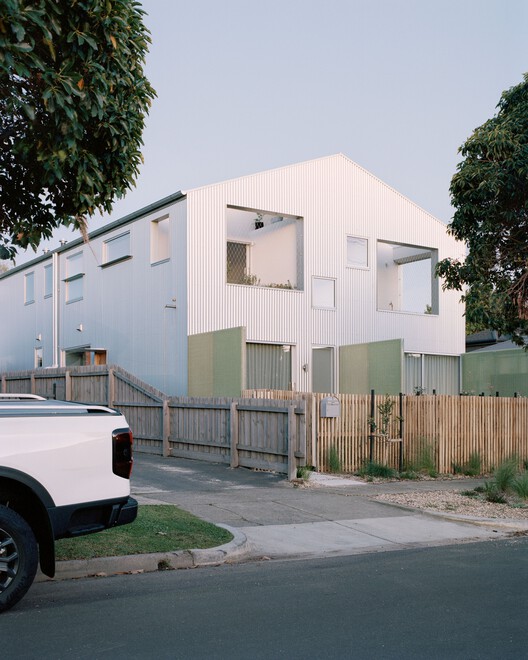
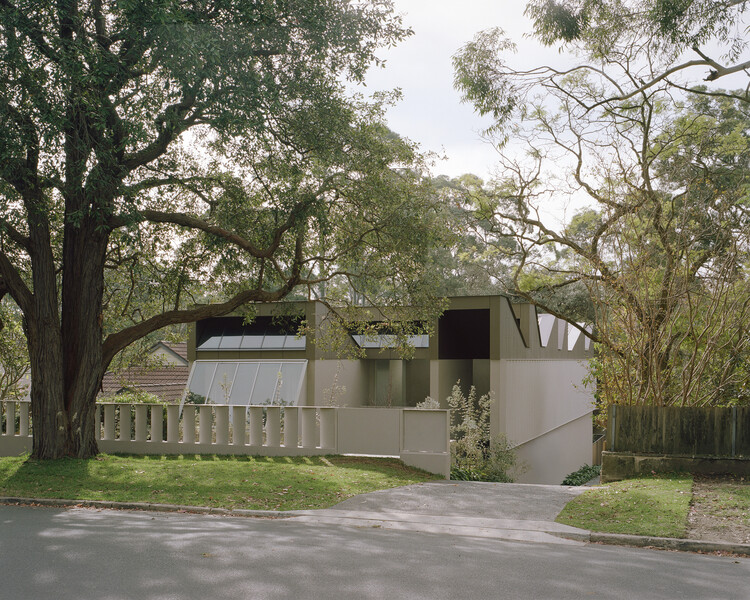
Lane Cove House / Lachlan Seegers Architect

Lane Cove House / Lachlan Seegers Architect - More Images+ 15

Lane Cove, Australia

Ethiopian Modernism: Mid-Century Architecture of Africa's Capital

Subscriber Access | 

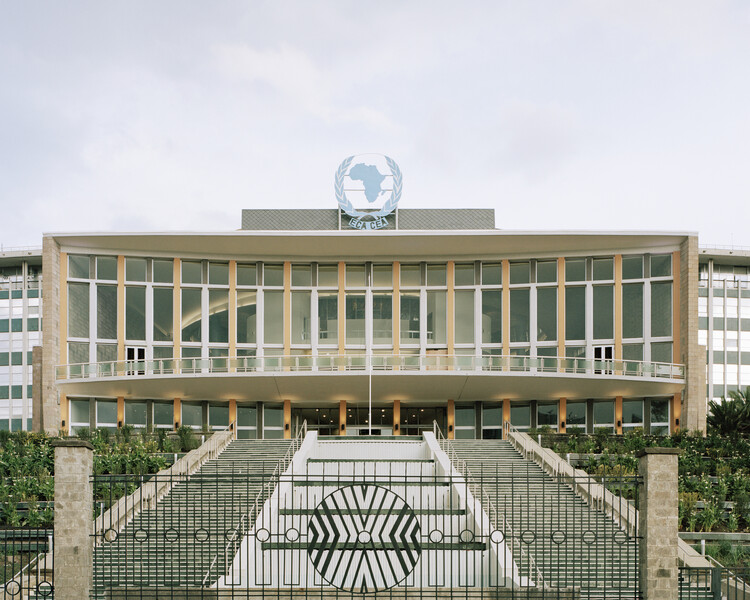
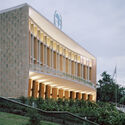
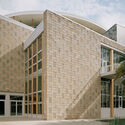
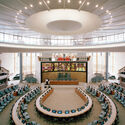
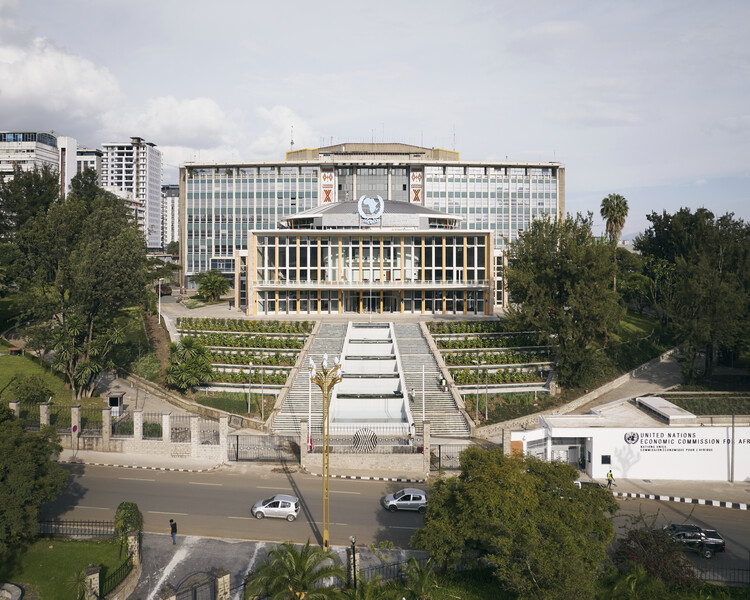
In January 2026, the World Monuments Fund/Knoll Modernism Prize was awarded to Australian firm Architectus for their conservation of the Africa Hall in Addis Ababa, Ethiopia. The award recognizes that Modernist buildings, once seen as a vanguard of architecture, are falling into disrepair and are underappreciated by the public. The situation in Africa is typical of this global sentiment, and this was the first time a building on the continent was graced with this award. The prize also spotlights Ethiopia's rich Modernist inventory, which marks its continental role in the mid and late twentieth century.

Ethiopian Modernism: Mid-Century Architecture of Africa's Capital - More Images+ 13

Meet the 15 Winning Projects of the 2026 ArchDaily Building of the Year Awards

A revitalized canning factory in a coastal Portuguese city, a memorial park in Ethiopia, a small-town Brazilian home, a wooden pavilion evoking Bahrain's heritage, and 11 other visionary projects comprise the winners of the 2026 ArchDaily Building of the Year Awards. Chosen over three weeks of public voting, the winners are representative of the current architectural landscape, reflecting a diversity of approaches, materialities and aesthetics, while also showcasing common threads across cultures.

In its 17th edition, this year's Building of the Year Awards received more than 120,000 votes from over 100 countries, marking a record-breaking year for the world's largest community-driven architecture award. The winners represent 14 different countries, cultures and perspectives, coming from Brazil, Canada, Chile, Colombia, Denmark, Ethiopia, Germany, India, Indonesia, Japan, Portugal, South Korea, United States and Vietnam.

Introducing the 75 Finalists of the 2026 ArchDaily Building of the Year Awards

Two weeks and over 85,000 nominations later, the finalists of this year's Building of the Year Awards are in. The selection is much like the ArchDaily audience that chose it: diverse in geography, generous in ideas, and precise in intent. With projects from 46 countries, in a variety of typologies and scales, they present a beautiful snapshot of the current architectural moment.

We invite you to sit back, browse, and vote for your ultimate favorites. Below, you will find all of the 75 finalists in their respective categories. Voting is open until February 18th at 18:00 EST. Thank you—your participation is key to making this the world's largest community-driven architecture award.

Extreme Architecture: Challenges and Solutions in Inhospitable Environments

Subscriber Access | 

"In various regions of the planet, nature imposes adverse conditions on the human body. In these places, designing a building is almost like creating a garment: an artifact that protects and offers comfort. This challenge requires technological performance that must be combined with aesthetics. Making human beings feel good involves more than just meeting notions of comfort and safety; it's also a question of working with spaces in their symbolic and perceptual dimensions." This is the beginning of the description for the design of the Brazilian Antarctic Station in Antarctica, by Estúdio 41, located on the Keller Peninsula, where the surrounding sea freezes for around six to seven months of the year, where everything and everyone arrives by plane or ship and the nearest hardware store is days away. If designing a building in normal circumstances already presents numerous complexities, it's not hard to imagine the additional challenges when developing something in an extreme environment, such as locations with very high or low temperatures, or in places susceptible to corrosion, radiation, and more. In this article, we will explore the difficulties, the main solutions and the materials used in these contexts.

United Nations’ Africa Hall Restoration in Ethiopia Receives 2026 World Monuments Fund/Knoll Modernism Prize

World Monuments Fund (WMF) is an independent organization dedicated to safeguarding significant places that enrich people's lives and foster mutual understanding across cultures and communities. Since 2008, the World Monuments Fund/Knoll Modernism Prize has been a biennial award recognizing outstanding achievements in the conservation of buildings emblematic of the modernist architectural movement. The prize honors individuals and organizations that revitalize modern built heritage through innovative and sensitive architectural interventions.

On January 22, 2026, WMF and Knoll announced the Australia-based architecture firm Architectus as the recipient of the 2026 World Monuments Fund/Knoll Modernism Prize for its conservation of the United Nations' Historic Africa Hall in Addis Ababa, Ethiopia. The jury recognized the project for reestablishing a significant work of African modernism as an active venue for diplomacy and cultural exchange. In addition to the main prize, the jury also awarded Paul Rudolph's Umbrella House in Sarasota, Florida, United States, with the Stewardship Award for Modernist Homes.

United Nations’ Africa Hall Restoration in Ethiopia Receives 2026 World Monuments Fund/Knoll Modernism Prize - More Images+ 13

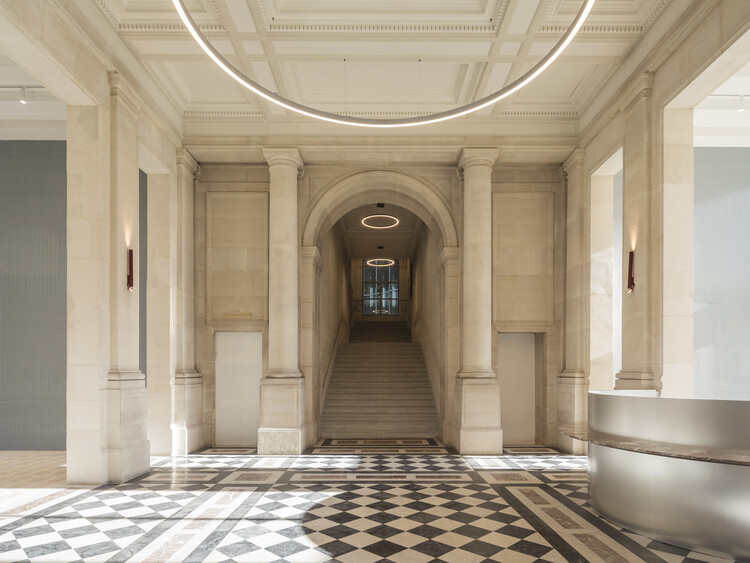
Chamber of Notaries of Paris / L'Atelier Senzu + LAGNEAU Architectes

Chamber of Notaries of Paris / L'Atelier Senzu + LAGNEAU Architectes - More Images+ 37

  • Area Area of this architecture project Area:  2868
  • Year Completion year of this architecture project Year:  2025
  • Manufacturers Brands with products used in this architecture project
    Manufacturers:  Saint-Gobain, Degaine et Mergozzo, MARAZZI, QUINTESSENZA CERAMICHE, vandaglas

Architecture in Motion: Framing Spaces That Live and Breathe

 | Sponsored Content

Architectural space has long been framed by permanence: rooms for fixed functions, facades that clearly define where exterior ends and interior begins. Yet contemporary life is defined by overlap and transition: between work and living, interior and exterior, privacy and community. Spatial needs evolve continually, demanding architecture that can respond, adapt, and remain relevant over time. 

In this context, adaptability has emerged not only as a design ambition but as a sustainable necessity. Buildings that adjust to shifting uses, evolving climates, or new forms of living extend their lifespan and reduce the need for demolition or extensive retrofits. Flexibility becomes a measure of resilience, allowing structures to remain vital across decades. But how can architecture respond to the evolving ways we inhabit and experience space?

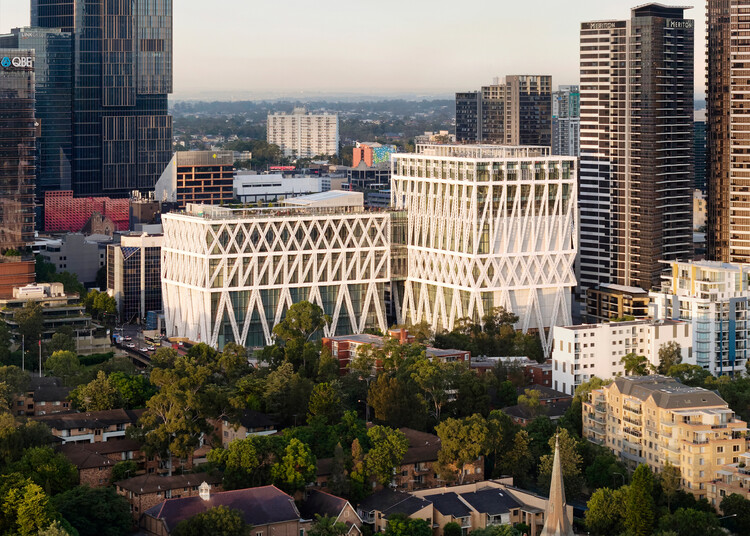
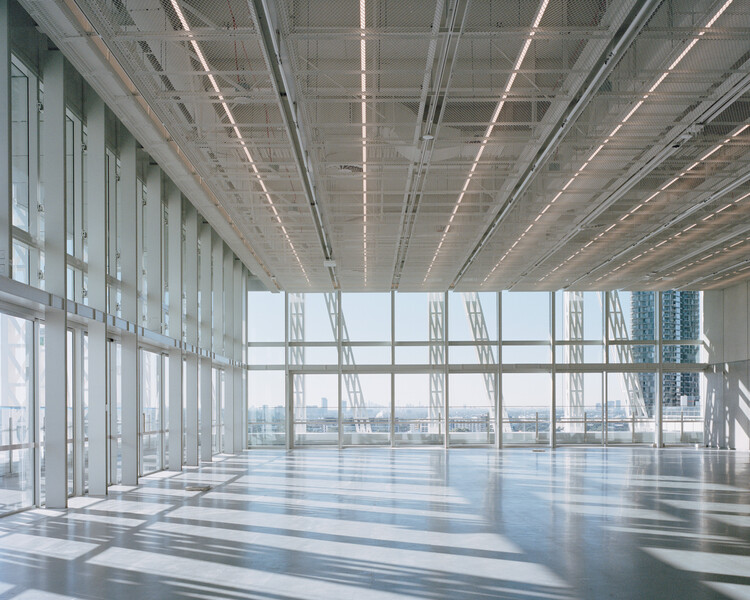
Powerhouse Castle Hill / Lahznimmo Architects

Powerhouse Castle Hill / Lahznimmo Architects - More Images+ 9

Birdwood House / Peter Besley

Birdwood House / Peter Besley - More Images+ 18

Brisbane, Australia

Permanent Public Pavilion / Besley & Spresser

Permanent Public Pavilion / Besley & Spresser - More Images+ 12

  • Architects: Besley & Spresser
  • Area Area of this architecture project Area:  400
  • Year Completion year of this architecture project Year:  2025

Carlton Cottage / Lovell Burton Architecture

Carlton Cottage / Lovell Burton Architecture - More Images+ 20

Carlton, Australia

Overprovision: Exploring Purposefully Wasteful Spaces in Residential Design

Overprovision can be seen as an architecture strategy through the lens of resilience—making spaces adaptable to changes, reinterpretations, and future needs. However, could overprovision also offer a productive lens for rethinking spatial design? Are there parallels in architectural theory or practice that align with this concept, as explored by notable figures in the discourse on space?

This question becomes particularly relevant in residential design, especially in regions like Hong Kong or Tokyo, where the demand to maximize space is a cultural and practical norm. Designers are frequently tasked with "making use of every inch" for storage or function, reflecting a tendency among residents to accumulate belongings disproportionate to their living spaces. 

Overprovision: Exploring Purposefully Wasteful Spaces in Residential Design - More Images+ 12

Volumes Capables Collective Housing / A6A

Volumes Capables Collective Housing / A6A - More Images+ 24

  • Architects: A6A