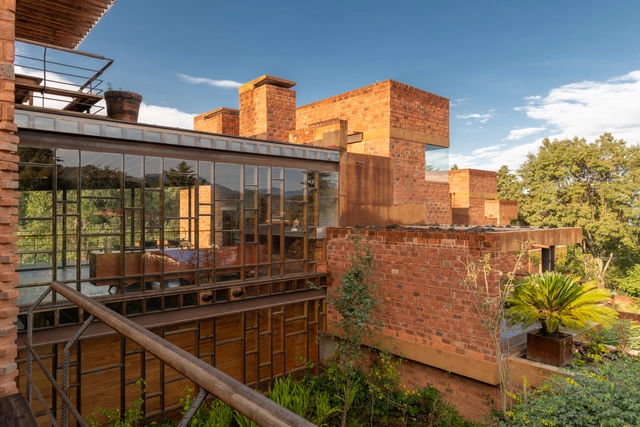
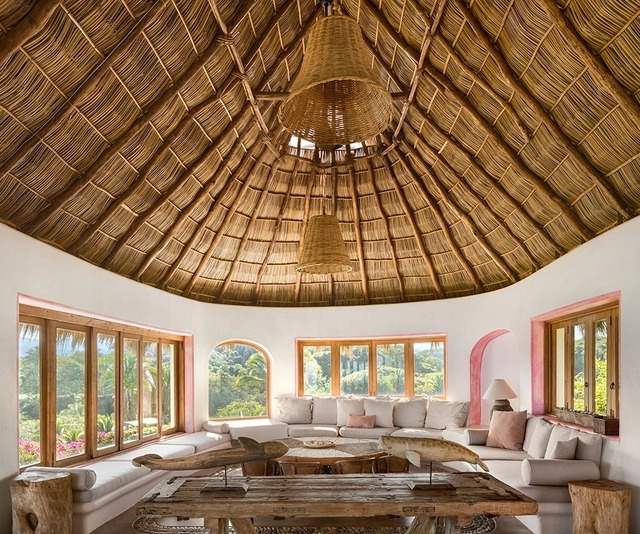
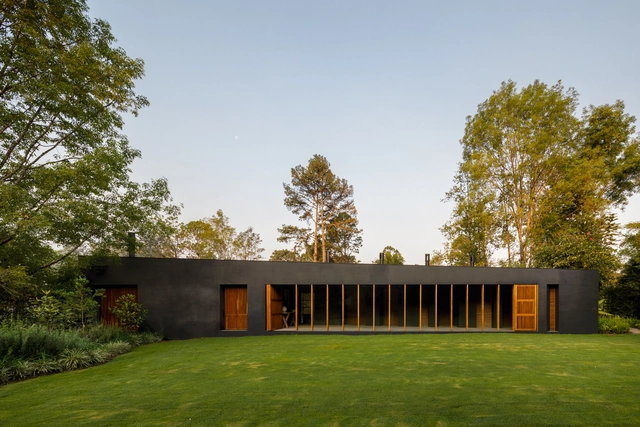
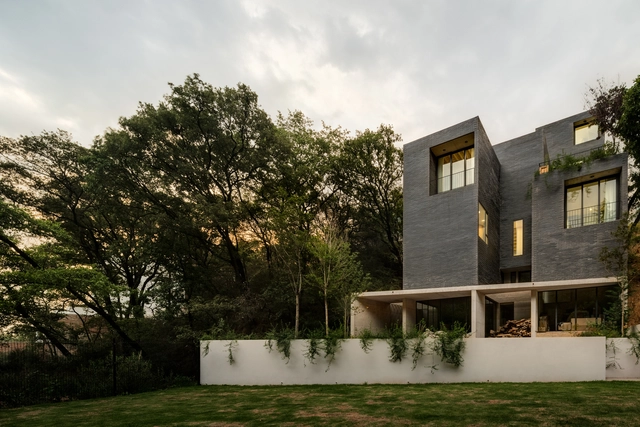
Mexico's Valle de Bravo region, to the southeast of Mexico City, is characterized by the Presa Miguel Alemán lake, created in 1947 as a reservoir for Mexico City and Toluca's water supply. Thanks to its proximity to the capital, Valle de Bravo is a popular weekend destination for residents of surrounding cities. This in turn has sparked the interest of various architects, who have aimed to create projects that enhance visitors' experience such as offering an optimal view of the lake, or an immersive experience in the surrounding forest.
On November 20, the 2020 Panamerican Architecture Biennial of Quito (BAQ 2020) announced the winners of the present edition. Every other year, the BAQ "invites to discuss contemporary production of the built environment, aiming to improve the practice of our profession" in the Americas.
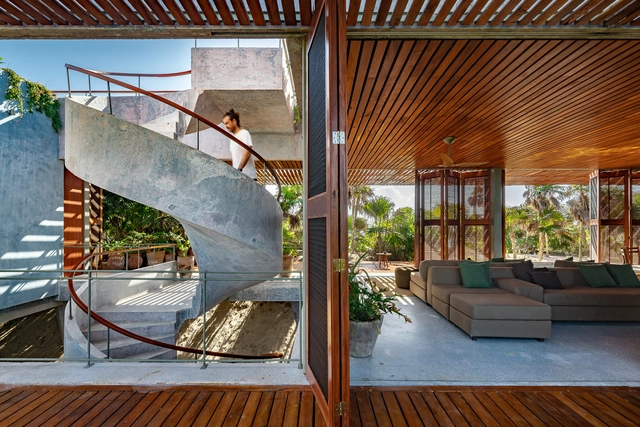
Stairways are central to access and mobility within a space, and yet, they often take a backseat to other elements of design within a work of architecture. However, Mexican firm PRODUCTORA has put them at the forefront of many of their projects, notably the Teopanzolco Cultural Center.
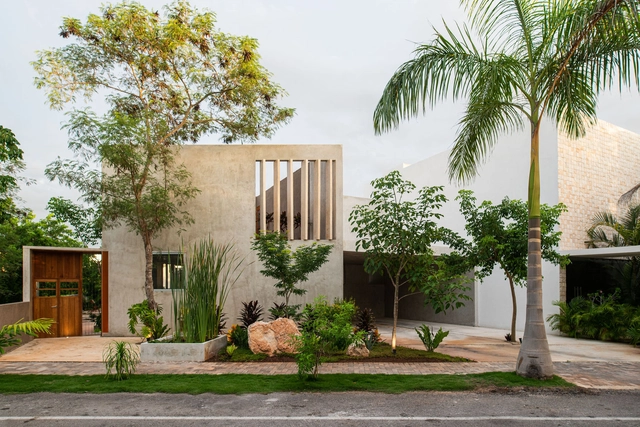
In Yucatan, architects are reviving an ancient Mayan stucco technique for contemporary buildings, merging modern architecture with regional history and culture. The technique is called “chukum,” a term derived from the colloquial name for the Havardia albicans tree native to Mexico. Made with chukum tree bark, the material has several defining qualities that separate it from traditional stucco, including impermeable properties and a natural earthy color. Though chukum initially fell out of use following Spanish conquest of the Maya civilization, it was rediscovered and reemployed by Salvador Reyes Rios of the architecture firm Reyes Rios + Larrain Arquitectos in the late 1990’s, initiating a resurgence of use in the area.
https://www.archdaily.com/946291/the-rustic-beauty-of-the-chukum-in-modern-mexican-architectureLilly Cao
On April 16, a ground-breaking ceremony was held in the city of Guangzhou, China, for what is to be the world’s largest soccer stadium. The most controversial aspect of the project was not its $1.7 billion price tag, but its bold lotus shape causing a backlash from the local architectural community but praise from the general public.
https://www.archdaily.com/939211/forecasting-the-future-of-sports-architecture-with-10-newly-built-stadiums-around-the-worldMilly Mo


.jpg?1597763267&format=webp&width=230&height=230&crop=true)
.jpg?1597763791&format=webp&width=230&height=230&crop=true)

.jpg?1597763256&format=webp&width=230&height=230&crop=true)













_copy.jpg?1596150637&format=webp&width=230&height=230&crop=true)
















.jpg?1590449785&format=webp&width=640&height=580)
.jpg?1590449691&format=webp&width=230&height=230&crop=true)
.jpg?1590449749&format=webp&width=230&height=230&crop=true)
.jpg?1590449727&format=webp&width=230&height=230&crop=true)
.jpg?1590449711&format=webp&width=230&height=230&crop=true)
.jpg?1590449785)
.jpg?1589561028&format=webp&width=640&height=580)
.jpg?1589561093&format=webp&width=230&height=230&crop=true)
.jpg?1589560651&format=webp&width=230&height=230&crop=true)

.jpg?1589561059&format=webp&width=230&height=230&crop=true)
.jpg?1589561028)
