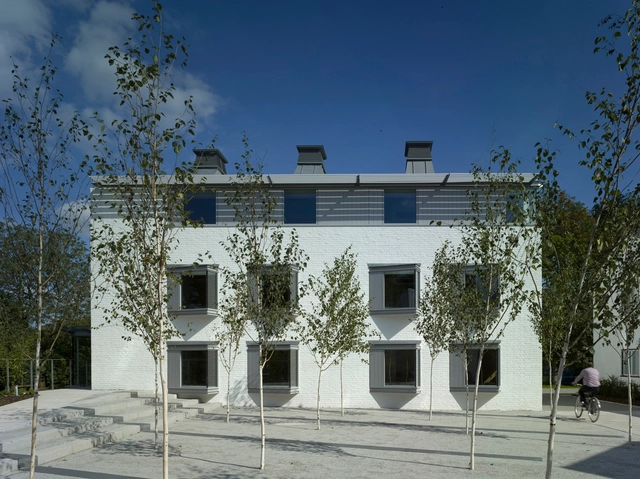
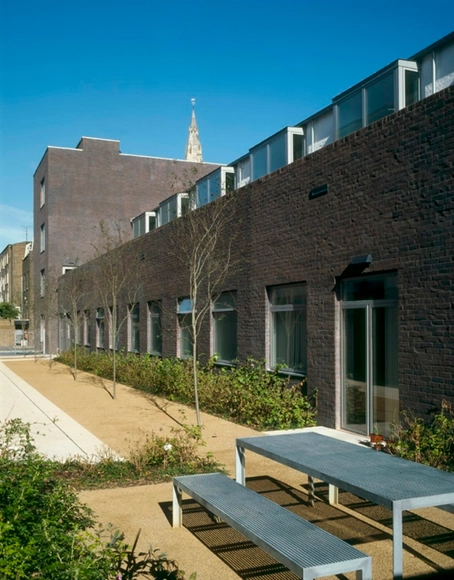
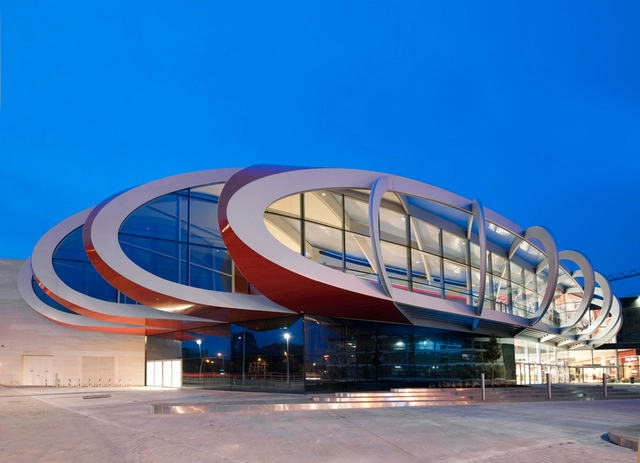
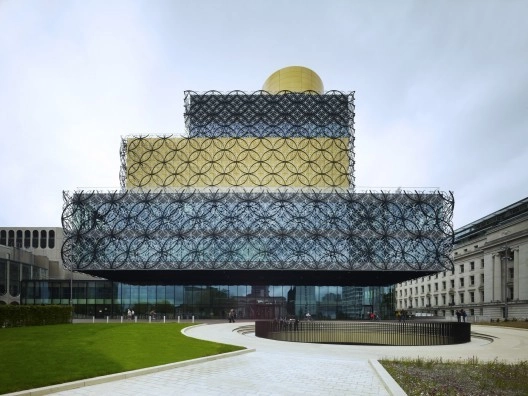
Architects’ Journal has just released the shortlist for theirWomen in Architecture Awards, which aim to "raise the profile of women architects in a sector where women still face an alarming degree of discrimination."
Christine Murray, Editor of Architects’ Journal, commented:“I’m delighted to announce this year's shortlist, which includes the women behind the celebrated Library of Birmingham, the new Stonehenge development and the Giant's Causeway visitor centre. The awards celebrate design excellence and leadership — qualities needed to succeed as an architect — and especially among women, who are under-represented in the construction industry.”See the list, after the break.
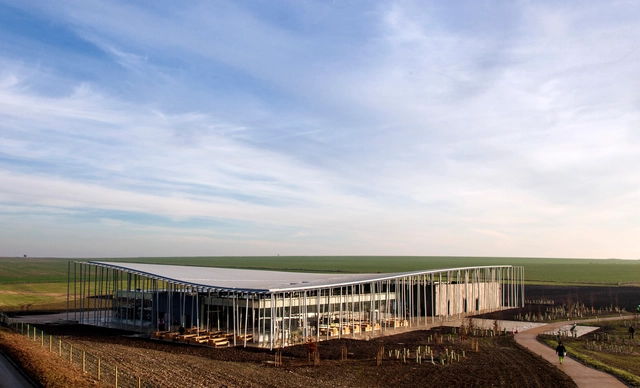
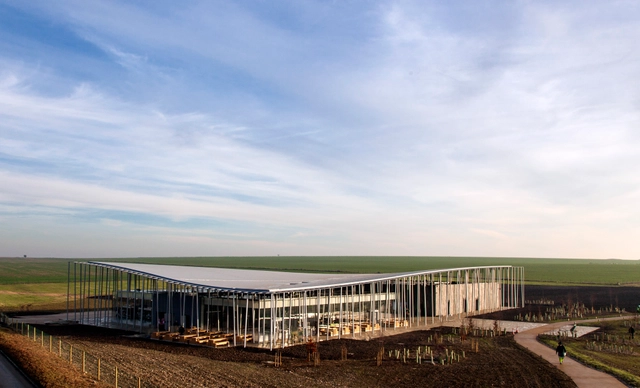
After a tortuous 21-year process Stonehenge, the stone circle that is one of the world's most important neolithic artifacts, finally has the visitor centre it deserves. Denton Corker Marshall's design, situated 2.5 km (1.5 miles) to the west of the UNESCO World Heritage Site, has opened its doors and is preparing to deal with the site's nearly 1 million annual visitors.
The new design features a museum, educational facilities, a cafe, shop and a ticket office. These spaces are brought together by a perforated oversailing roof supported on 211 narrow angled columns.
Read on for more about the new Stonehenge Visitor Centre
The following article is by Simon Henley of Henley Halebrown Rorrison (HHbR). His column London Calling will look at London's every-day reality, its architectural culture, and its role as a global architectural hub.
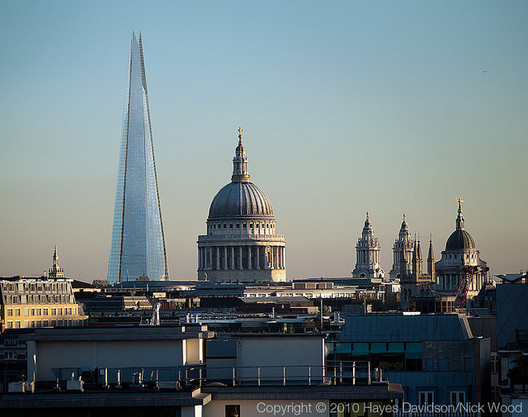
As a city, London is more than ever an architectural capital for propagating and consuming design culture. It has the highest concentration of architectural practices of any city in the world. Publications, exhibitions, events and a variety of pop-ups, pavilions and charrettes (not to mention the ever more popular pecha-kuchas) also attest to the fact. Schools like the Architectural Association (AA) in London’s Bedford Square have formed the minds of a number of world stage “star” architects.
Reflecting on this state of affairs of ‘high end architectural culture’ versus ‘high end commissioning culture’, one cannot help but see a curious chasm in London. In some ways, we are still today very much like the Victorians. Great inventors who leave it to the rest of the world to move our inventions forward.
Is London truly the world capital of architecture? Or a metropolitan trading post, an exporter of architectural ideas? Read more of Simon Henley's take, after the break...






.jpg?1375922071&format=webp&width=640&height=580)
.jpg?1375921952&format=webp&width=230&height=230&crop=true)
.jpg?1375921924&format=webp&width=230&height=230&crop=true)
.jpg?1375921956&format=webp&width=230&height=230&crop=true)
.jpg?1375922004&format=webp&width=230&height=230&crop=true)
.jpg?1375922071)