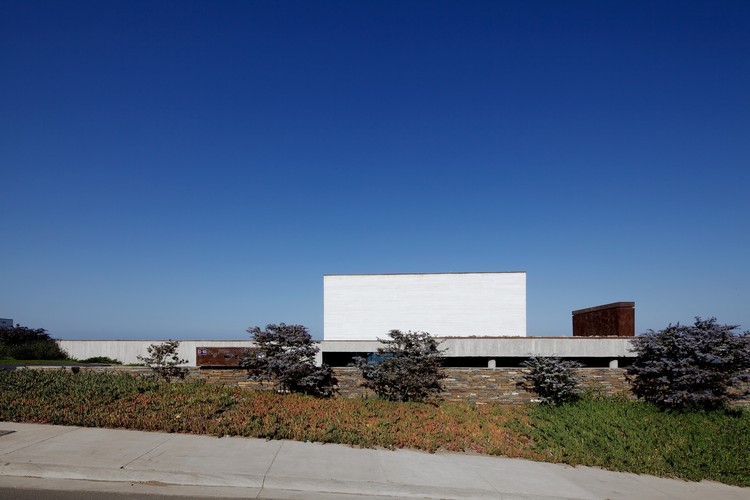
-
Architects: Studio Selva
- Area: 50 m²
- Year: 2016


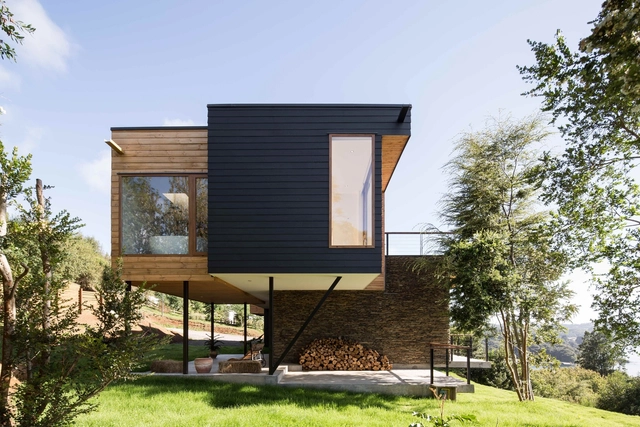
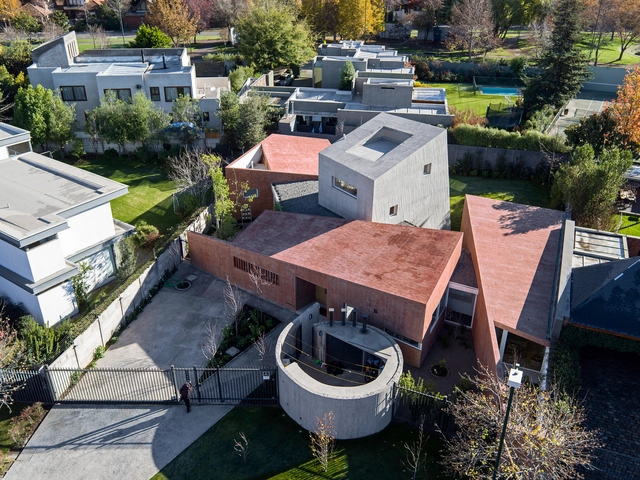
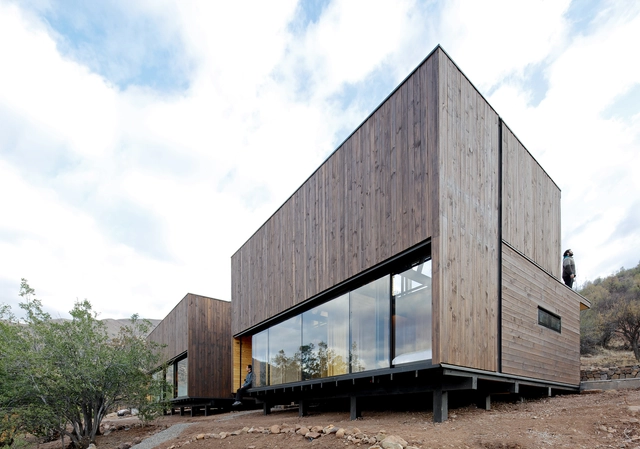
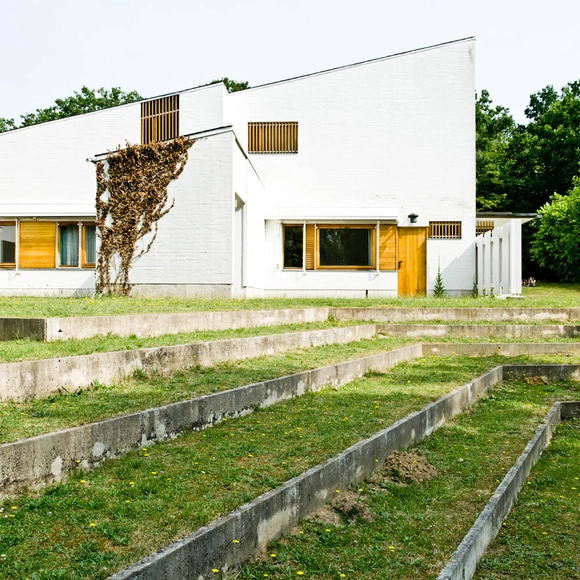
Last year saw the Alvar Aalto Foundation experience a record-breaking number of visitors at each of its four sites – a total of 42,755 as opposed to the 36,744 people that toured the sites in 2015.
Of those numbers, The Alvar Aalto Museum and the Muuratsalo Experimental House in Jyväskylä received a total of 20,005 visitors combined, half of which had arrived from outside of Finland to explore the Museum, while also continuing the recent trend of an increasing number of visits over the past five years.

As editors on the Projects Team at ArchDaily, we wanted to reflect on the projects published in 2016—and, based on those submissions, to consider what we hope to see from the submissions we will publish in 2017.
During 2016, the projects we published had a high level of visual impact. Axonometric views were part of the vast majority of our publications, democratizing understanding by creating easily accessible views which closely resemble reality. Secondly, the development of immersive video technology has allowed us to publish full 360-degree tours through the interiors of works of different sizes, generating images which are increasingly representative of the physical reality of the work in question.
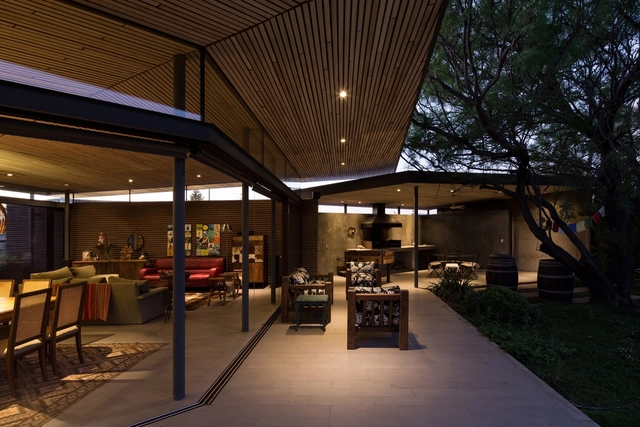
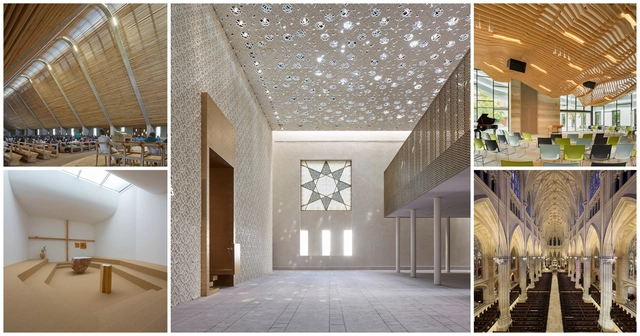
Each year, Faith & Form magazine and the Interfaith Forum on Religion, Art and Architecture (IFRAA) reward the best religious architecture, design and art for religious spaces. In their 2016 awards, the jury recognized 28 projects across 10 categories, with almost half of the winners designed for sites outside of North America. Aside from this diversity of location, another trend in the awards was a tendency toward material honesty and simplicity. "Several jurors were impressed with how designers used an economy of means with simple, elegant materials to meet the needs of congregations," said Michael J Crosbie, editor-in-chief of Faith & Form, adding that "a reverence for natural materials was seen in many submissions, and in winning projects." Read on to see all 28 winners.
.jpg?1478776420&format=webp&width=640&height=580)
This article by Kjetil Trædal Thorsen, the cofounder of Snøhetta, was originally published by Metropolis Magazine as "Opinion: The Next Great Public Spaces Will Be Indoors."
Maybe with the sole exception of railway stations, public space is generally understood as outdoor space. Whether in the United States or in Europe, especially now with heightened concerns around security, there seems to be this determined way of privatizing everything that is indoors, even as we are increasingly aiming to improve access to public space outdoors. But in the layered systems of our cities of the future, we will need to focus on the public spaces that are found inside buildings—and make them accessible.


The Lisbon Triennale Millennium bcp Début Award was created to celebrate the achievements, and promote the careers of, young architects and practices under the age of 35.
More than 140 applications were received, representing five continents and including 39 countries including Portugal, Germany, Brazil, and Mexico, as well as Iran, Jordan, Sudan, and Palestine. The jury have praised the very high level of the proposals across the board.
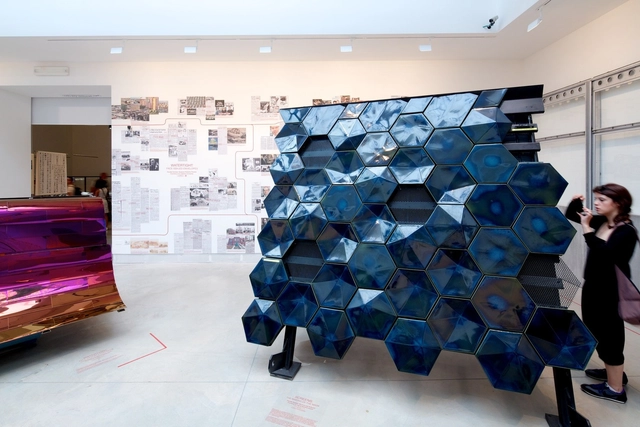
With the 2016 Venice Biennale opening this week, it seems oddly appropriate that a dispute originating in the 2014 Biennale is finally hitting the courts. On Tuesday evening, a New Jersey court document was anonymously leaked to ArchDaily and a variety of other architecture publications. It showed that Alejandro Zaera-Polo, founder of AZPML and former Dean of Princeton University’s School of Architecture, was suing his employer over the events surrounding his own abrupt resignation as Dean last year.
The resignation itself was demanded* by Princeton University President Christopher Eisgruber after Zaera-Polo was accused of plagiarizing parts of a text he produced for the “Elements of Architecture” exhibition curated by Rem Koolhaas at the 2014 Venice Biennale. From the start, Zaera-Polo has denied that his texts violate Princeton’s academic code of conduct, but nevertheless agreed to Eisgruber’s demand. In the documents leaked Tuesday, Zaera-Polo criticizes the actions taken by Princeton both before and since his resignation, arguing that they have damaged his reputation. He is thus suing them on four charges: “breach of contract,” “breach of the implied covenant of good faith and fair dealing,” “tortious interference with contract and prospective economic advantage,” and finally “trade libel.”
The story will undoubtedly receive a lot of attention, given that it involves a controversial dispute between an internationally renowned architect and a university with an international stature. But the real story behind the dispute is not about Alejandro Zaera-Polo’s academic conduct or Princeton’s handling of its staff contracts; instead, it has everything to do with our expected standards for architectural research.