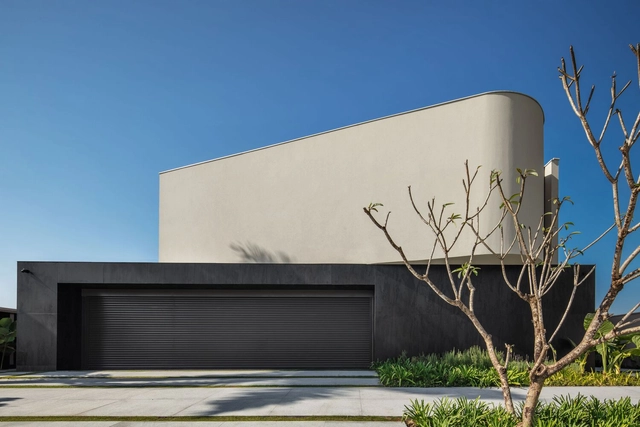
Galeriah House / Okha arquitetura e design


https://www.archdaily.com/1025580/galeriah-house-okha-arquitetura-e-designPilar Caballero
As 50 melhores casas de 2024
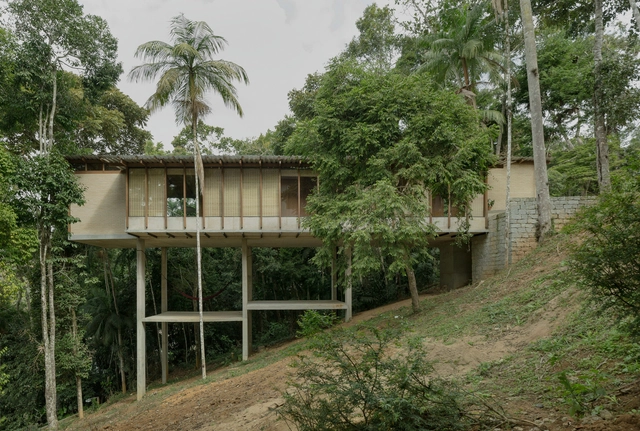
A cada ano, a equipe de Curadoria de Projetos do ArchDaily rememora a vasta gama de obras publicadas ao longo desse período, apresentando retrospectivas que permitem não apenas identificar tendências e variações na produção arquitetônica, mas também reconhecer de que forma impactam a nossa audiência. No ArchDaily Brasil, a seleção anual de melhores casas – que ano após ano, segue permanecendo como nossa categoria de projeto mais popular – representa uma amostra das variadas soluções, estratégias, técnicas e materiais encontrados na arquitetura residencial dos países de língua portuguesa.


https://www.archdaily.com/1025064/as-50-melhores-casas-de-2024Susanna Moreira
Interior Courtyards: An Effective Strategy to Improve Space Quality in 15 Residential Projects
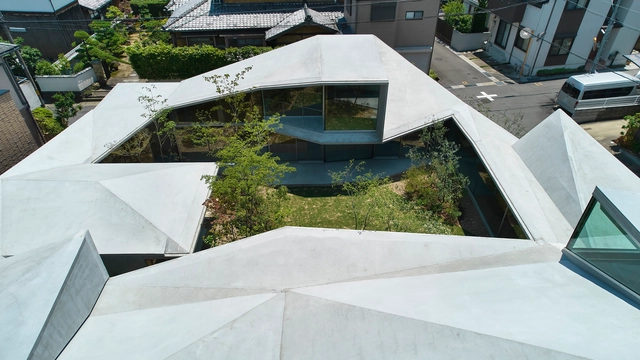
There are many advantages to incorporating interior courtyards in residential projects, both in urban contexts and in more natural surroundings. In both cases, they are a key element in improving the quality of the home's interior space in various ways. Whether in the form of a central cloister, side courtyards, or through perforated slabs and the addition of skylights, these spaces play a vital role in creating a harmonious living environment, offering benefits ranging from the regulation of interior temperature to enhancing social interactions and fostering a close connection with nature.


https://www.archdaily.com/895476/natural-light-and-ventilation-17-remarkable-interior-courtyardsPaula Pintos
Pina Contemporânea Museum / Arquitetos Associados
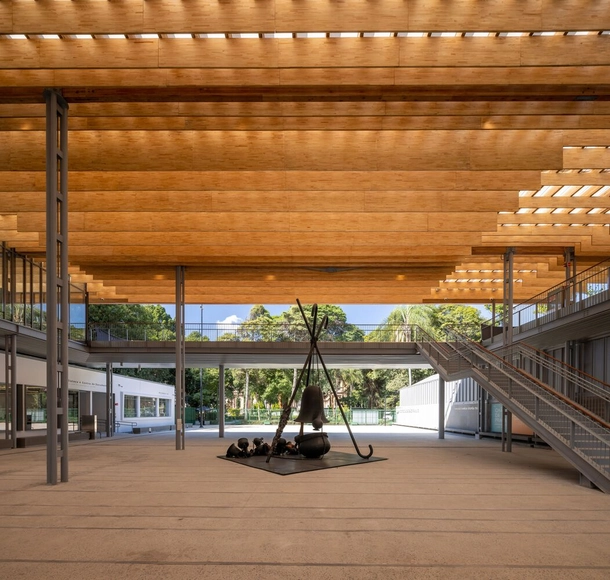


https://www.archdaily.com/1014137/pina-contemporanea-museum-arquitetos-associadosSusanna Moreira
Women Architects and their Material Strategies: Bo Bardi, Merrick & Hadid
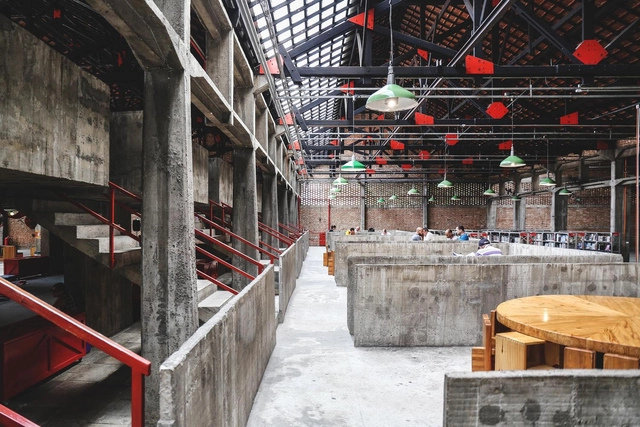
Although there is more of a balance between women and men in architecture today, the landscape was quite different a few decades ago. Pioneering women architects have been resistant in a profession dominated by men, and have faced skepticism in challenging contexts, such as construction sites itself. Zaha Hadid commented on the difficulty of inclusion in what she called the "boys club", listing the difficulties in coming to agreements or creating partnerships. Lina Bo Bardi, in turn, used her strong personality to overcome the sexism of her time. Even though these difficulties, women have always found a way to stand out and bring priceless contributions to the profession.
On countless occasions architecture has remembered famous architects and their material discoveries through time, but what about recognizing women's contributions to the discipline? Discussing their pioneering material explorations is key to understanding their role in projects. With an analysis of the work of the well-known architects Lina Bo Bardi, Norma Merrick Sklarek and Zaha Hadid –which introduced innovative techniques and material trends– the following discussion brings to light how women's ideas have influenced the development of architecture. Identifying their approaches on how to managing structures and materials helps to understand the personality of their work and how to implement similar strategies in the future.
https://www.archdaily.com/990075/women-architects-and-their-material-strategies-bo-bardi-merrick-and-hadidCamila Prieto
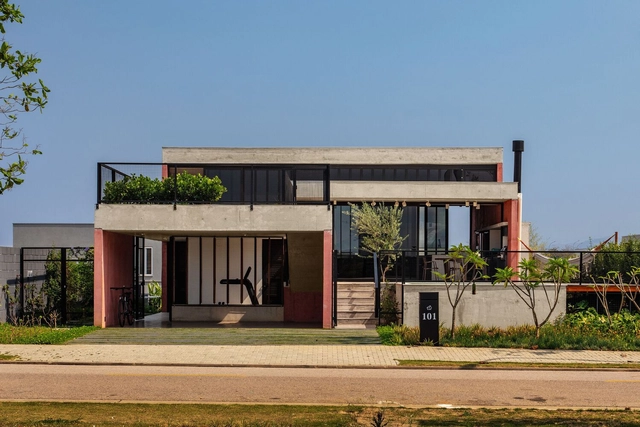
Maya House / Obra Arquitetos


-
Architects: Obra Arquitetos
- Area: 3078 ft²
- Year: 2024
https://www.archdaily.com/1023496/maya-house-obra-arquitetosPilar Caballero
Art Galleries that Draw You In: 5 Artistic Spaces in Brazil Connecting Indoors and Outdoors
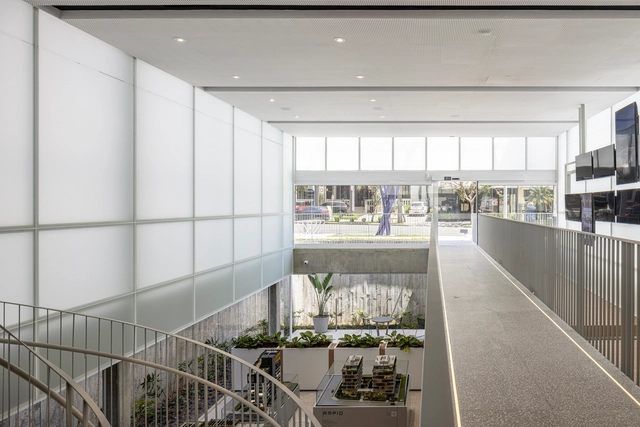
Art and architecture go through a series of interpretive processes before their creation that involve recognizing a capacity for wonder, experimentation, communication, and imagination. Sharing sensitivities and creative quests, they can transform the experience of the world by responding to a collective set of ideas that, at times, design, paint, and write about themes related to the connection with nature, the role of society in the built environment, the sensations conveyed by spaces, and more.


https://www.archdaily.com/1022829/art-galleries-that-draw-you-in-5-artistic-spaces-in-brazil-connecting-indoors-and-outdoorsAgustina Iñiguez
Architecture Classics: Modern Housing on the American Continent 1930-1960
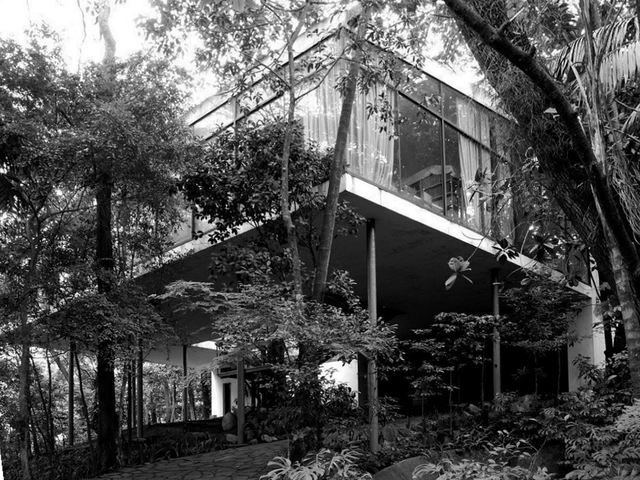
Much of the production of modern architecture on the American continent was based on the model of European architects who, with their works, projected the fundamental premises and ideas for modern living. These pillars of architecture were transferred and consequently adapted to the American territory, introducing, at the same time, their own characteristics according to the territorial, socio-cultural and economic context.
We understand that good architecture is that which serves as a model for solving problems inherent to the discipline of architecture in general. This is why certain references that we consider today as "classics" are examples of good architectural practices that have been appropriated by other architects, taking the pertinent and necessary elements to achieve a result in accordance with the particular context.
https://www.archdaily.com/989390/classics-and-good-architecture-modern-housing-on-the-american-continent-1930-1960Paula Pintos + Agustina Coulleri
Crona 665 Building / Andrade Morettin Arquitetos Associados


-
Architects: Andrade Morettin Arquitetos Associados
- Area: 22259 m²
- Year: 2022
https://www.archdaily.com/1020537/crona-665-building-andrade-morettin-arquitetosAndreas Luco
Round Pillars in Architecture: From the Classical Column to the Modern Sculptural Support
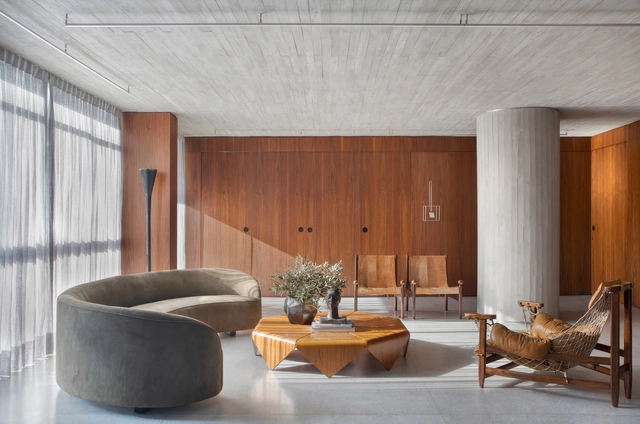
The pillar has adorned many of the greatest monumental examples of Western architecture since antiquity, from the Doric columns of the Parthenon to the Corinthian capitals of the Pantheon portico. In the West, the legacies of these classical forms have permutated over the centuries and into modern times: the Doric columns of the Lincoln Memorial, the Ionic columns of the British museum portico, and the Villa Savoye’s pilotis are just a few examples of the classical column’s continued transformation and use over the last few centuries. Today, the round pillar continues to be used in modern design, both functionally and aesthetically. Below, we look into these elements in more detail, including their materials, construction, structural qualities, and several contemporary examples of their use.
https://www.archdaily.com/948544/round-pillars-in-architecture-from-the-classical-column-to-the-modern-sculptural-supportLilly Cao
Heliópolis Housing Complex Gleba G – Phase 2 / Biselli Katchborian Arquitetos Associados
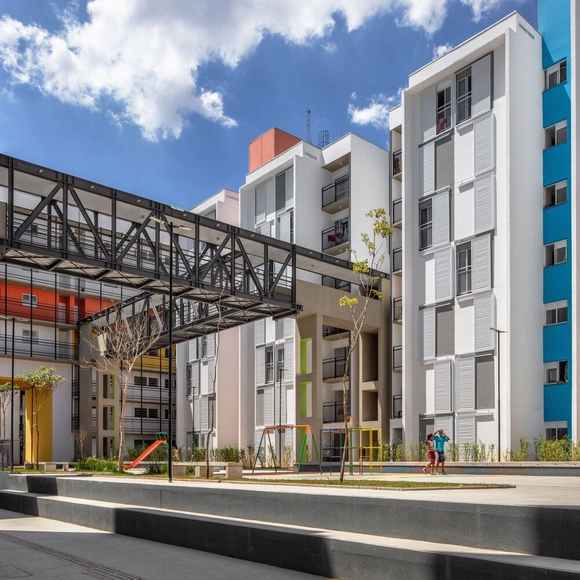


-
Architects: Biselli Katchborian Arquitetos Associados
- Area: 5099 m²
- Year: 2023
-
Manufacturers: Arpa Fenix , Planmetal, Reyfa
https://www.archdaily.com/1175532/heliopolis-housing-complex-gleba-g-phase-2-biselli-katchborian-arquitetos-associadosAndreas Luco
Rudolf Steiner University / Biselli Katchborian Arquitetos
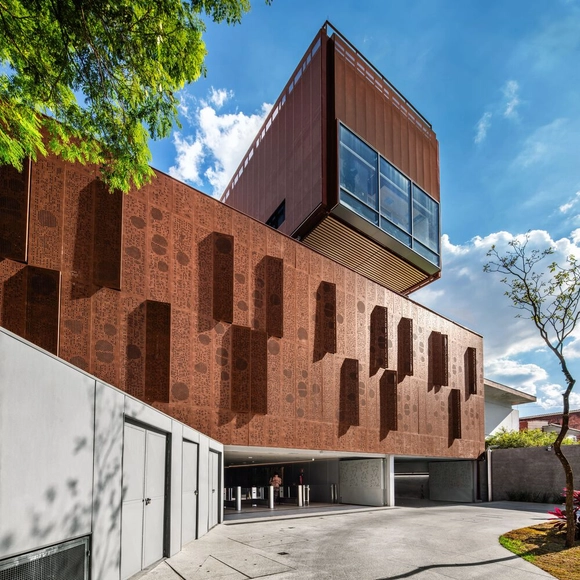


-
Architects: Biselli Katchborian Arquitetos
- Area: 3850 m²
- Year: 2024
-
Manufacturers: Artsy, Castelatto, Formica, OWA Nexacustic e Nexalux , Permetal, +3
https://www.archdaily.com/1018265/rudolf-steiner-university-biselli-katchborian-arquitetosValeria Silva
These are the 26 works selected for the 2024 Rogelio Salmona Latin American Architecture Award
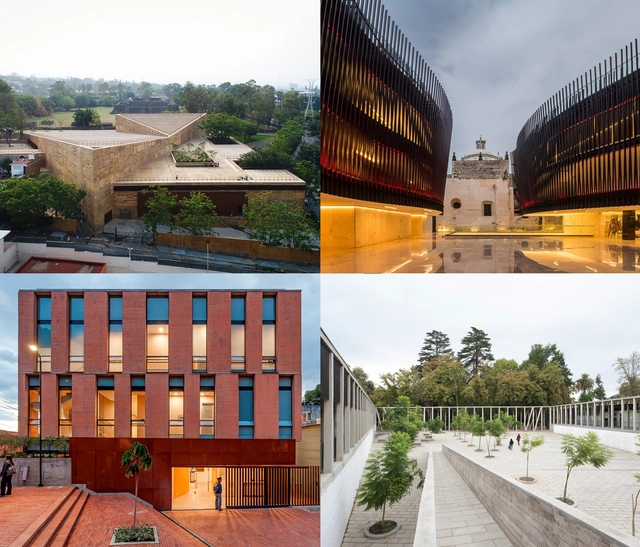
The ‘Rogelio Salmona Latin American Architecture Prize: open spaces / collective spaces’ seeks to recognize built works of architecture that create significant spaces for citizens, helping to foster more welcoming cities. Unlike previous editions, this year two categories were established: Latin America and Colombia.
“The city is citizenship, with its people, institutions, monuments, culture, architecture, and public space, and with the physiognomy that it has acquired and built over time, it is humanity's great civilizing proposition.” - Rogelio Salmona
https://www.archdaily.com/1078759/these-are-the-26-works-selected-for-the-2024-rogelio-salmona-latin-american-architecture-awardAgustina Iñiguez
HL House / Andrade Morettin Arquitetos Associados
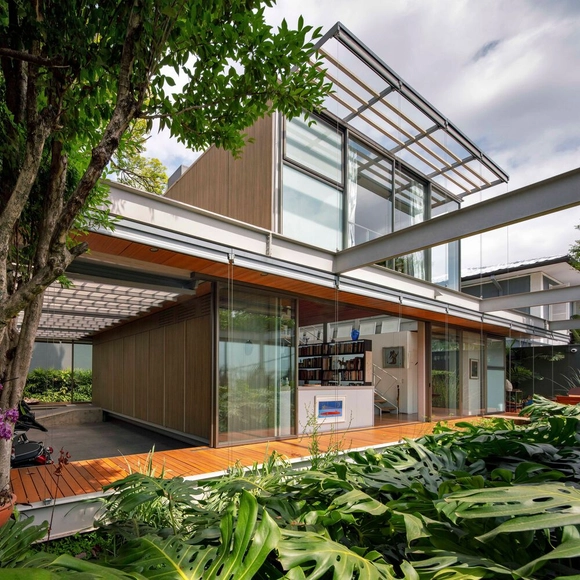


-
Architects: Andrade Morettin Arquitetos Associados
- Area: 205 m²
- Year: 2020
https://www.archdaily.com/1172820/hl-house-andrade-morettin-arquitetos-associadosSusanna Moreira
Learn to Pre-Dimension a Reinforced Concrete Structure
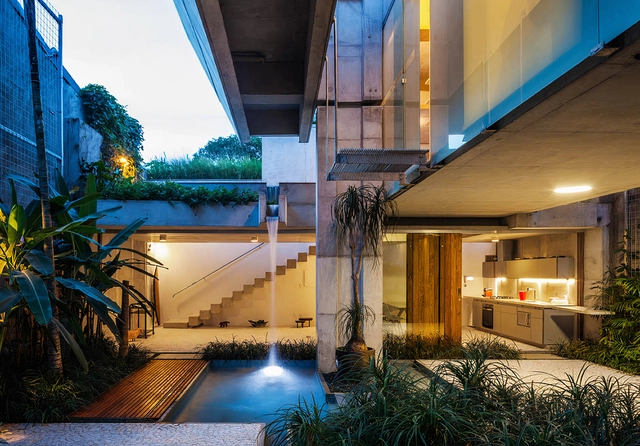
It's fundamental that architects know about structures, not only to bring their designs to reality but also to be able to discuss their projects with engineers in order to find the best solutions for construction. Structural pre-dimensioning is crucial to the initial design of the structural components, revealing the restrictions and the possibilities of the spaces.
One of the main loads that a structure must support is its own weight, so it's essential to know this information so that the different parts of the building can be dimensioned. When starting a structural project, the engineer doesn't yet know the dimensions of the different pieces that make up the structure, and therefore, can't know their own weight. A paradox appears without a solution: to know the weight it's necessary to know the dimensions, but, to know the dimensions, it's necessary to know the weight.
During the development of the project the architect finds himself in the curious situation of having to design without necessarily knowing the size of each of the parts of the building (such as the size of the pillars, for example). These important elements directly affect functionality and aesthetics of the project.
https://www.archdaily.com/891880/learn-to-pre-dimension-a-reinforced-concrete-structureJoão Carlos Souza
Modernization and Restoration of the Ipiranga Museum / H+F Arquitetos
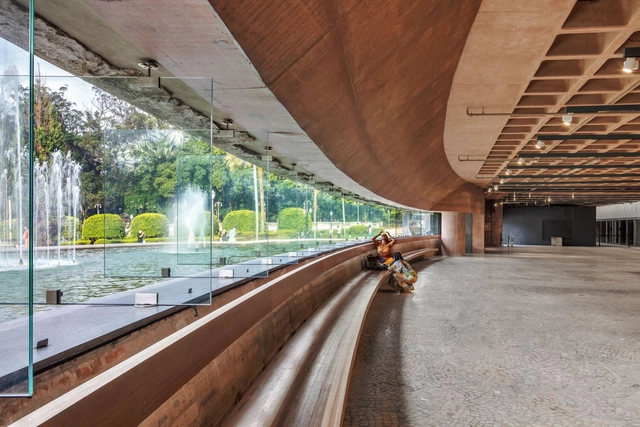


-
Architects: H+F Arquitetos
- Area: 16338 m²
- Year: 2022
https://www.archdaily.com/994351/modernization-and-restoration-of-the-ipiranga-museum-h-plus-f-arquitetosSusanna Moreira
Concrete Blocks in Architecture: How to Build With This Modular and Low-Cost Material
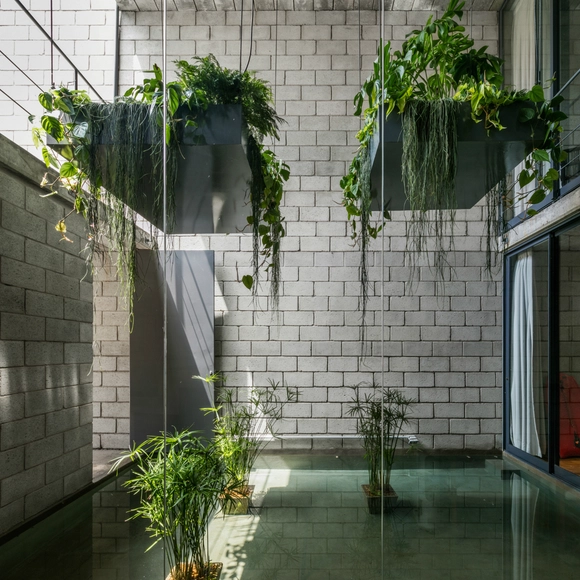
Concrete blocks are prefabricated materials primarily used for constructing walls. Similar to bricks, these blocks are stacked together and bonded with mortar, typically composed of cement, sand, and water. They are hollow inside to accommodate steel bars and mortar filling.
These blocks are available in a variety of dimensions and textures, ranging from traditional smooth surfaces to fluted or rough finishes. Additionally, there are special units designed for corners or beams with longitudinal reinforcements. The dimensions vary, from the classic 8x8x16 inches (approximately 19x19x39 cm) intended for structural use, to a size of 8x3.5x39 inches (approximately 19x9x39 cm) for partitioning walls. How can we creatively incorporate them into our designs?
https://www.archdaily.com/889657/concrete-blocks-in-architecture-how-to-build-with-this-modular-and-low-cost-materialJosé Tomás Franco
4 Homes in Brazil that Encourage Indoor-Outdoor Living
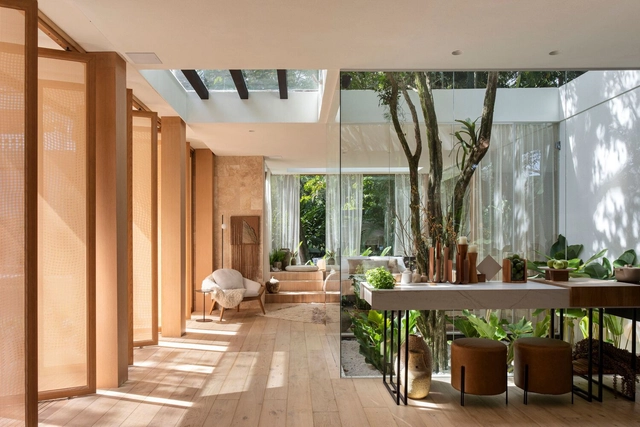
The early 20th century marked a pivotal era in Brazilian architecture with the advent of the modernist movement. Architects like Oscar Niemeyer or Lúcio Costa introduced avant-garde designs characterized by sleek lines, reinforced concrete, and a focus on functionality. What's more: residential projects of the era, in particular, blurred the lines between indoor and outdoor, flawlessly merging interior and exterior spaces to reflect a lifestyle that harmonizes with nature. Fast forward to the present day, and contemporary architects and designers in Brazil continue to embrace the challenge of creating indoor-outdoor homes that nod to the country's tropical climate. These residences often feature open floor plans, expansive glass walls, and strategic positioning of courtyards, gardens, or terraces with a design philosophy that emphasizes natural light, ventilation, and the incorporation of greenery for increased well-being. We take a detailed look at four recently completed residential projects in Brazil that fuse contemporary architecture, sustainable living, and a deep appreciation for their natural surroundings.


https://www.archdaily.com/1009873/new-homes-in-brazil-that-encourage-indoor-outdoor-livingClaire Brodka