Max Touhey

BROWSE ALL FROM THIS PHOTOGRAPHER HERE
↓

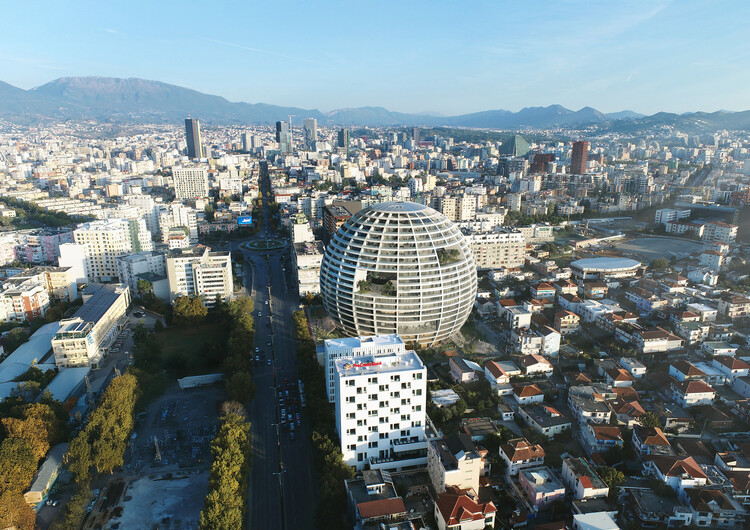
New Cultural Venues, Awards and Transformative Architecture From Ghana to New York: This Week’s Review

This week's architecture news highlights a diverse global landscape of design innovation, cultural investment, and adaptive reuse. Across continents, new museums and cultural venues are opening to foster dialogue around art, design, and community engagement. At the same time, major recognitions and project announcements underscore the growing importance of sustainable, socially conscious practices in shaping contemporary architecture. From adaptive transformations in New York, Tainan, and Milan, including preparations for the Milano Cortina 2026 Winter Games, to new cultural landmarks in Ghana and Qatar, this week's overview features projects by leading firms such as Herzog & de Meuron, Snøhetta, and Mecanoo, alongside initiatives from emerging practices like Limbo Accra in West Africa.

New Cultural Venues, Awards and Transformative Architecture From Ghana to New York: This Week’s Review - More Images+ 17

Touching the Past: When Architecture Becomes a Gesture of Continuity

Subscriber Access | 

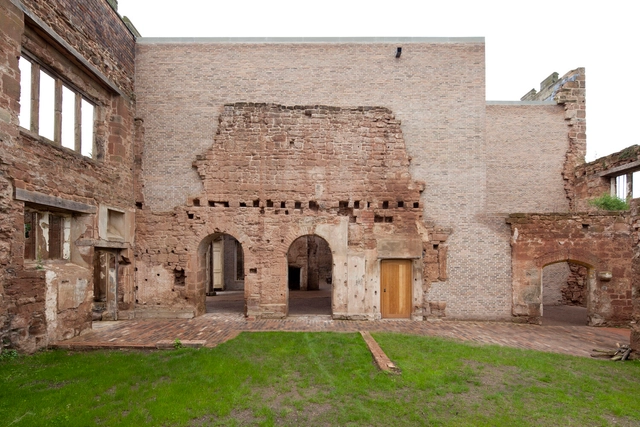
There is a particular kind of architecture that does not begin with a blank page. It begins in silence, in ruins, in walls shaped by time. It begins by listening. Rather than imposing itself, it draws near, slowly, choosing to touch rather than overwrite. This is an architecture that engages with the past through the lens of the present, not to erase it or mimic it, but to offer it continuity.

Contemporary architecture increasingly recognizes that to build with the past is not to be held back by it. Heritage is no longer seen as a constraint but as an active ground for design. Within this shift, pre-existence becomes more than a physical condition — it becomes a narrative thread, a structural and symbolic presence that invites care. Rather than asserting dominance, many architects today choose to respond with gestures that are deliberate, quiet, and precise. These interventions frame rather than replace, protect rather than obscure. In doing so, they allow history to remain visible, not as a backdrop, but as a living layer of the architectural experience.

Touching the Past: When Architecture Becomes a Gesture of Continuity - More Images+ 55

Air Rights Explained: Balancing Private Gain with Public Good

Subscriber Access | 

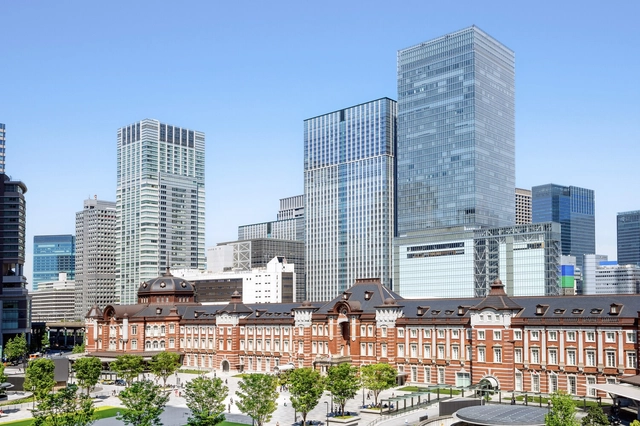
Air rights transactions have become essential in urban development, allowing cities to grow vertically while preserving limited land resources. Typically defined as the right to use or sell the space above a property, air rights enable property owners to transfer unused floor area ratio (FAR) to neighboring parcels, creating increased density and financial gain opportunities. However, the definition can vary based on locality and region, as each country interprets air rights and the ability to build or transfer them differently. As urban centers face mounting pressures from limited land supply and population growth, air rights continue to offer a creative solution that fosters architectural innovation and economic efficiency.

Air Rights Explained: Balancing Private Gain with Public Good - More Images+ 9

The New Life of Industrial Architecture in Cities: 20 Renovations and Conversions of Old Factories and Warehouses

Subscriber Access | 

In the same way that societies transform, times change, and cities evolve, industrial architecture modernizes and becomes more technological, sometimes reaching a state of abandonment or ruin. Understanding its value as a built legacy and being vestiges of technological, social, and cultural changes, the renovation and/or conversion of numerous factories and industrial warehouses can lead to the revitalization, recovery, or growth of various areas in large cities by incorporating new uses and spaces for the enjoyment of its citizens.

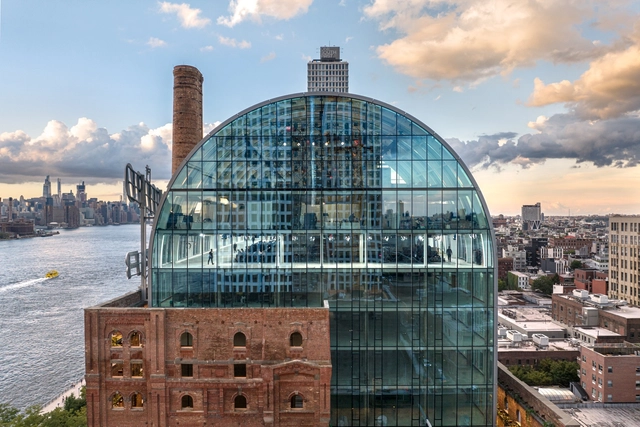
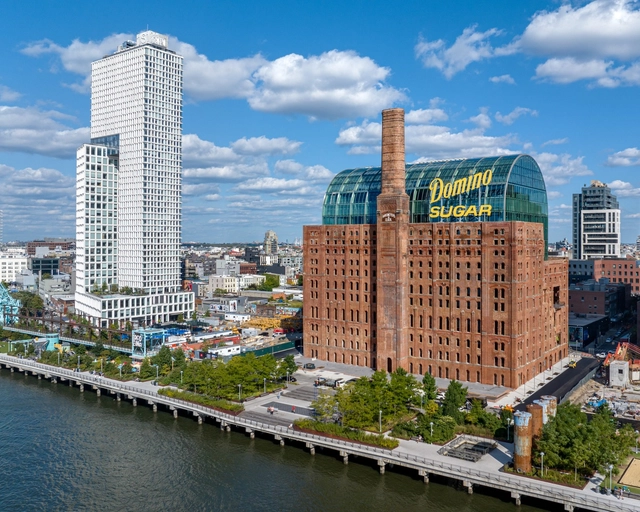
Domino Sugar Refinery / PAU - Practice for Architecture and Urbanism

Domino Sugar Refinery  / PAU - Practice for Architecture and Urbanism - More Images+ 14

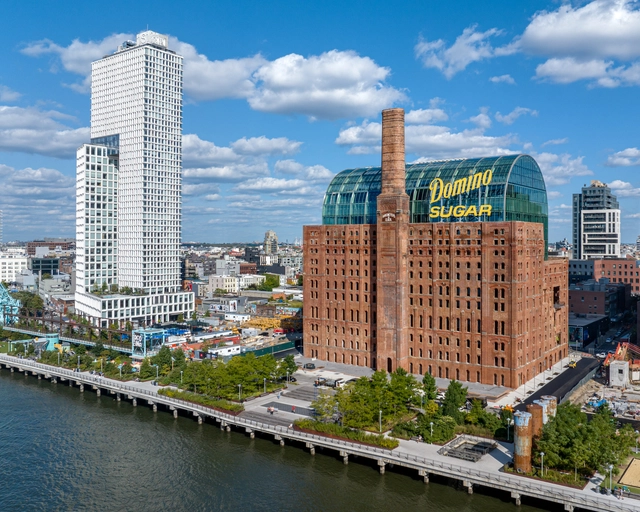
PAU’s Domino Sugar Refinery Reopens as Brooklyn’s Newest Workspace

Two Trees Management announced the official reopening of The Refinery at Domino Sugar, one of Brooklyn’s most iconic buildings transformed into a modern workspace. The design of the adaptive reuse project, led by Practice for Architecture and Urbanism (PAU) began in 2017 with the purpose of reimagining the monument to become a point of connection between the existing neighborhood and the recaptured waterfront. The building now features 15 stories of office space, approximately 460,000 square feet, complete with retail spaces, communal workspaces, a private club, and event spaces.

PAU’s Domino Sugar Refinery Reopens as Brooklyn’s Newest Workspace - More Images+ 15

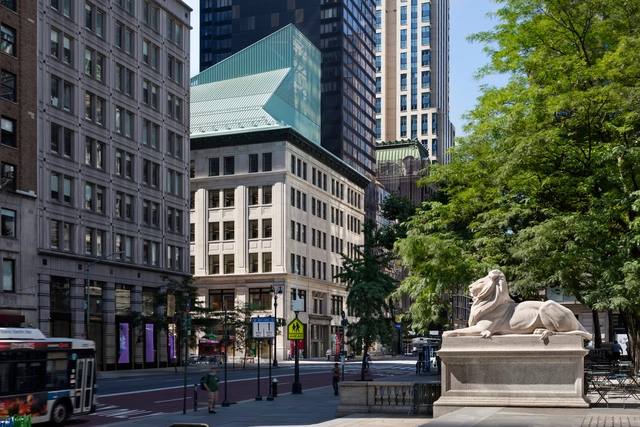
The Stavros Niarchos Foundation Library / Mecanoo + Beyer Blinder Belle

The Stavros Niarchos Foundation Library / Mecanoo + Beyer Blinder Belle - More Images+ 32

Aerial Futures Explores the Future of Aviation in New York

A new video by AERIAL FUTURES explores how New York's Stewart International Airport could become a catalyst for urban regeneration. Situated 60 miles north of Manhattan, the city is aiming to create a transformation. The video proposes ways in which the airport could positively impact Newburgh’s economy, agriculture, mobility, and civic life, and expand on its function as a travel hub.

Aerial Futures Explores the Future of Aviation in New York - More Images+ 1

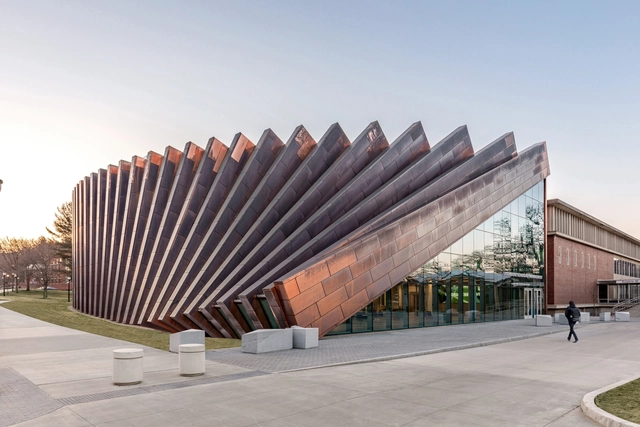
Isenberg School Of Management Business Innovation Hub / BIG

Isenberg School Of Management Business Innovation Hub / BIG  - More Images+ 18

  • Area Area of this architecture project Area:  6500 m²
  • Year Completion year of this architecture project Year:  2019
  • Manufacturers Brands with products used in this architecture project
    Manufacturers:  Alucoil, National Enclosure Company, Viracon

MoMA Releases Opening Date and New Images of Major Diller Scofidio + Renfro Expansion

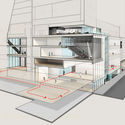
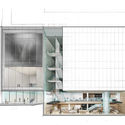
The Museum of Modern Art (MoMA) has announced an October 2019 opening date of its Diller Scofidio + Renfro / Gensler-designed extension, which will offer 40,000 square feet of gallery space for the iconic institution in Midtown Manhattan. The expansion features two key additions, with the Marie-Josée and Henry Kravis Studio creating a double-height space for live and experimental programming, and the Paula and James Crown Platform offering experimental, creative pace to explore ideas, questions, and processes that arise from MoMA’s collection.

The project has not been without controversy, with considerable backlash generated from the decision to demolish the American Folk Art Museum in order to make way for the new expansion. Speaking to the Los Angeles Times in January 2014, DS+R principal Liz Diller embraced the criticism, saying “we would be on the same side if we didn’t know all the details that we know.”

MoMA Releases Opening Date and New Images of Major Diller Scofidio + Renfro Expansion - More Images+ 7