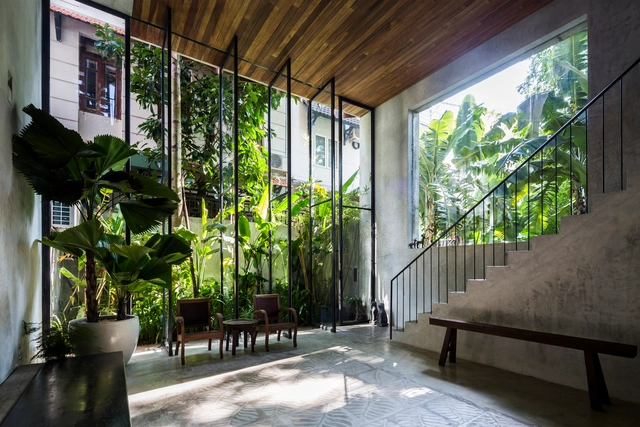
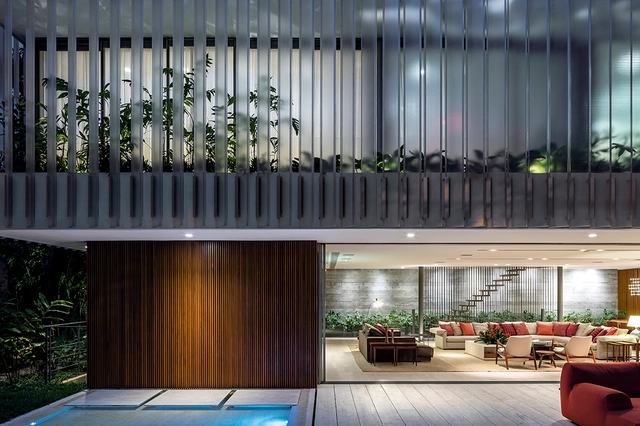
Plants are excellent elements to add in architecture and built spaces. However, when it comes to indoor environments, which usually receive less natural light and ventilation, certain species are resistant to adaptation.
Therefore, when thinking about species for indoors – be it a home, apartment or commercial space – some species are better than others. We have selected the best 13 indoor plants for your home.
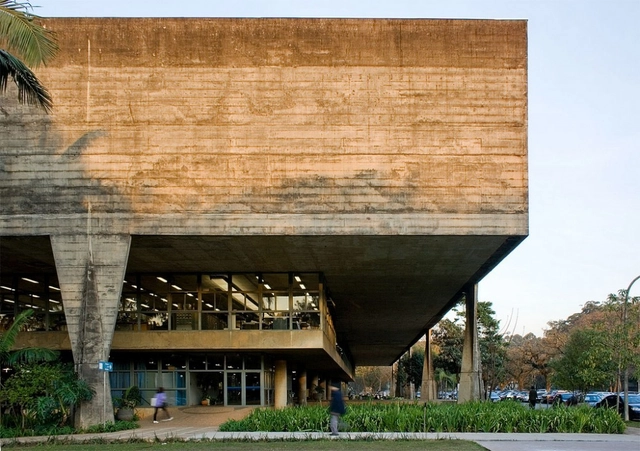
In the eyes of an architect, concrete is practically a fetish. Currently, it's used in a wide range of projects and buildings, from infrastructure to residential, and offers an architect a great deal of freedom in generating eye-catching results. To start, we will show you how to pre-dimension concrete structures and understand what cracks in concrete structures mean. Continue reading to get our tips on how to use concrete and get the best result possible.
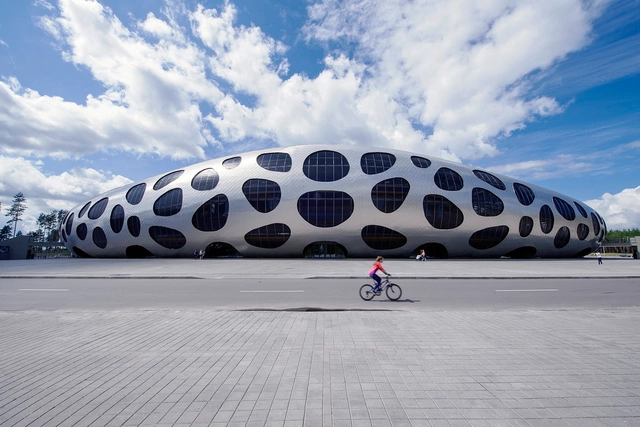
Stadiums —new or remodeled— provide excellent and innovative examples of architecture on a large scale; they are required to shelter thousands of people, including the athletes of the games they host. In addition to the technical aspects and considerations related to sports, these structures apply interesting cladding systems, with some stadiums even generating the energy needed to function.
Read on for more about stadiums and their structures in detail.
A few weeks ago we published an article on a recent sustainability crisis that often goes unnoticed. The construction industry has been consuming an exorbitant amount of sand, and it's gradually depleting. When used for manufacturing concrete, glass, and other materials, it is a matter that should concern us. Construction is one of the largest producers of solid waste in the world. For instance, Brazil represents about 50% to 70% of the total solid waste produced. But how can we change this situation if most of the materials we use are not renewable, and therefore, finite?
Popularized in Europe and gradually gaining attention in the rest of the world, Cross Laminated Timber (CLT) stands out for its strength, appearance, versatility, and sustainability.
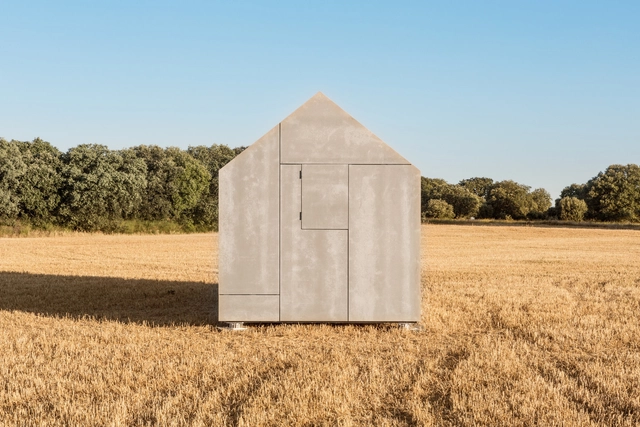
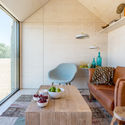
Tiny houses have become popular in recent years as housing prices continue to soar. Whether as an off-the-grid retreat or a way to live more simply and economically, tiny homes offer a more flexible way to live. They are even being used by charity organizations such as the Tiny Homes Foundation in Australia as a way to tackle the issue of homelessness in cities and the need for social housing. As the popularity and need for tiny homes become ever more prevalent, knowing the necessary skills to design a tiny house for yourself or a client is a useful skill to have.
Below are 6 tips to keep in mind when designing and building a tiny house:
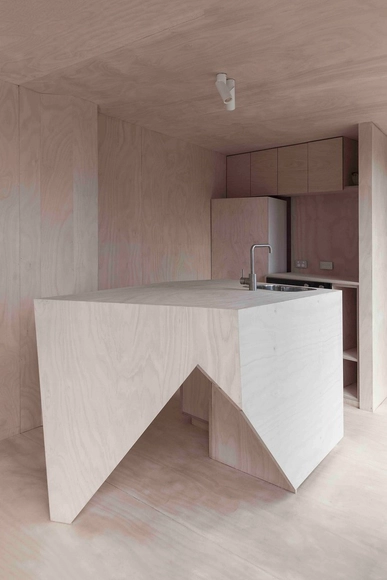
Small spaces often need to accommodate essential functions. How can you incorporate a kitchen into your design in the best possible way when floor space is limited? We've carefully reviewed our published projects to select seven houses where architects have effectively addressed this challenge through intelligent and innovative configurations.
These kitchens manage to appear larger than they actually are by being connected to adjacent spaces such as living rooms or dining rooms. They occupy very small areas themselves, taking a different approach from the traditional kitchen, which usually occupies a separate and exclusive room.
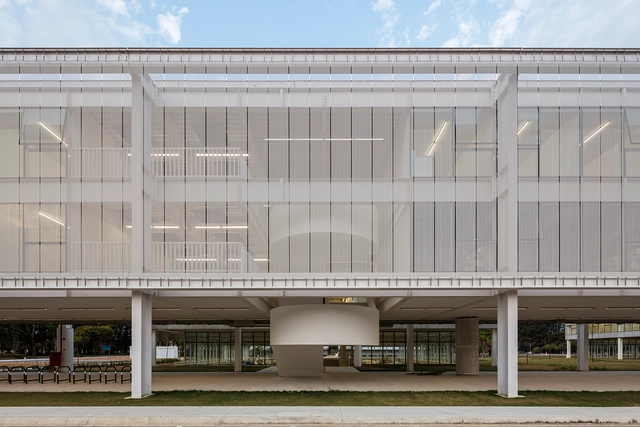
With its Mies Crown Hall Americas Prize, the Illinois Institute of Technology College of Architecture seeks to recognize the most distinguished works of architecture in the Americas. Every two years, the Prize is awarded at an event that takes place in the masterpiece of Mies van der Rohe, the S.R. Crown Hall, the home of the Chicago-based school.
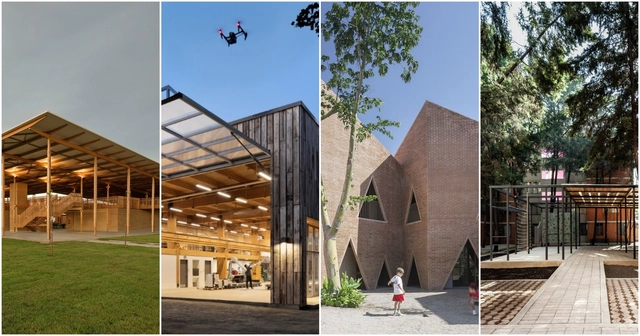
The jury, comprising Ricky Burdett, Jose Castillo, Ron Henderson, Rodrigo Pérez de Arce, and Claire Weisz, has announced four finalists in the prize's latest version of the MCHAP.emerge award, which covers architecture built in 2016 and 2017. MCHAP.emerge award aims to recognize outstanding built work by emerging practices, offering a prize of $25,000 to the winner.
With nearly 100,000 votes cast during the last two weeks, we are happy to present the winners of the 2018 ArchDaily Building of the Year Awards. This peer-based, crowdsourced architecture award showcases projects chosen by ArchDaily readers who filtered thousands of projects down to the 15 best works featured on ArchDaily in 2017.
https://www.archdaily.com/888634/winners-of-the-2018-building-of-the-year-awardsAD Editorial Team
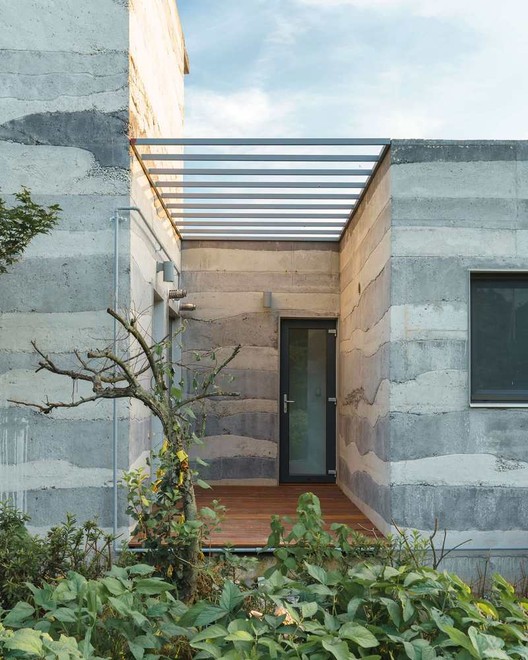
Of all construction materials, concrete is perhaps the one that allows the greatest diversity of finishes and textures. The mixture of its ingredients, the shape and texture of the formwork, and the pigmentation of the materials all offer the opportunity to achieve an interesting design. This week we've prepared a selection of 10 inspiring images of innovative concrete, taken by renowned photographers such as Gonzalo Viramonte, Song Yousub, and Ana Cecilia Garza Villarreal.
Understanding the structural aspects of architecture is an inherent task of the architect; sufficient structural knowledge allows designers to propose ideas such as large structural elements which offer an interesting response to a project's needs.
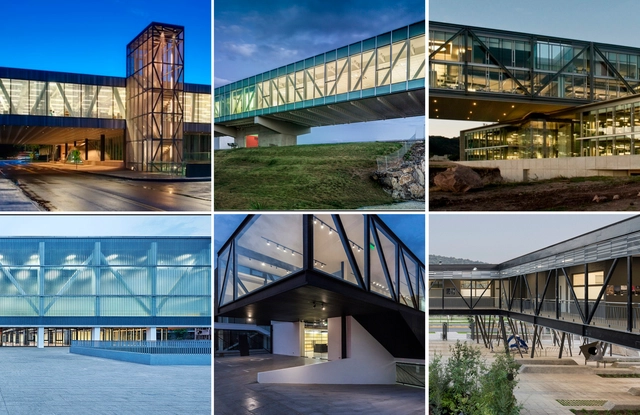
Steel trusses are an example of such a response, which demonstrate an ability to define spaces and structures that are truly complex and interesting.
Below is a list of 10 inspirational projects that use metal trusses as an essential element of design.
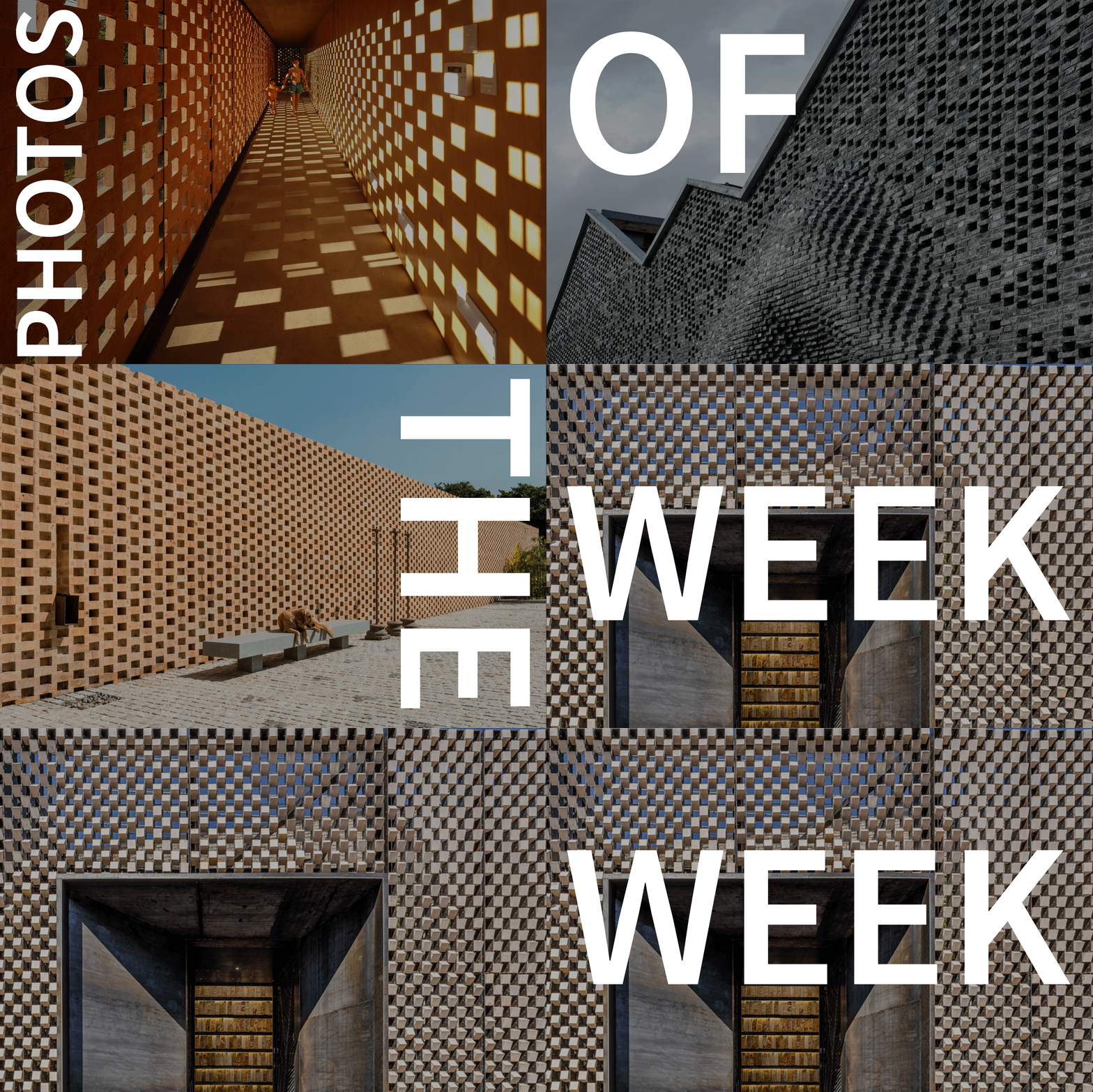
It can't be denied that architects love brick. The material is popular both for its warmth and for the diversity of expressions that can be achieved by applying it in a creative way—depending on the arrangement of individual bricks or the combination of bonds, it’s possible to arrive at a result that is both original and attractive. That ingenuity is what photographers like Hiroyuki Oki, Gustavo Sosa Pinilla, and François Brix, among others, have attempted to capture in their photographs. In these images, light is a key element of good composition, allowing the photographers to control the intensity of color and the contrast of masses and voids, as well as enhancing the incredible textures of the brick we love so much.