-
Architects: Yutaka Yoshida Architect & Associates
- Area: 208 m²
- Year: 2025

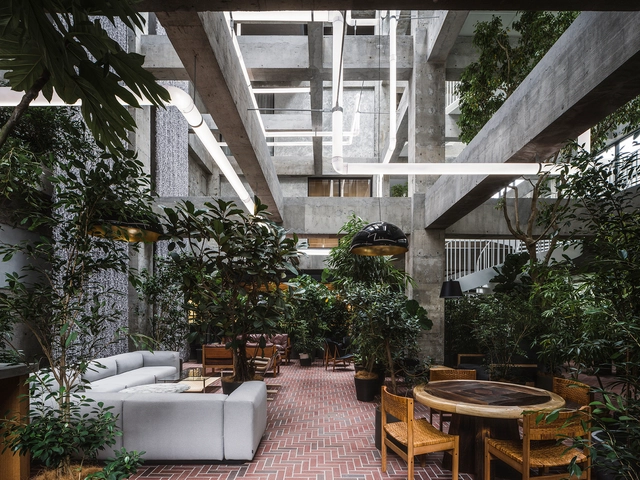
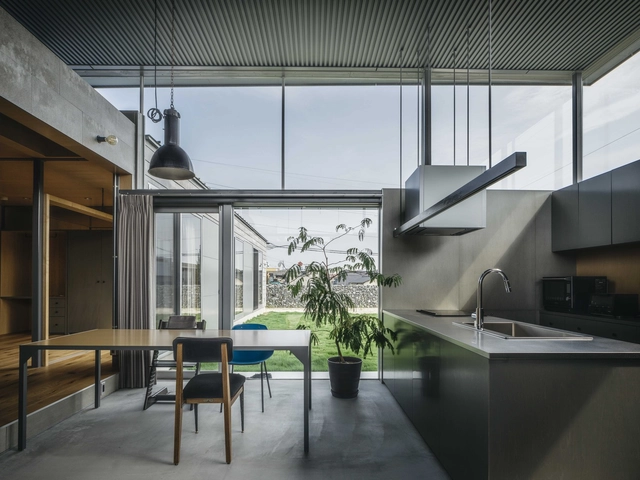
There is not enough that can be said about the benefits of incorporating plants in interiors or Plantscaping. Integrating vegetation indoors serves many purposes, whether practical, aesthetic, or psychological. Although there are basic requirements for incorporating greenery into Homes, well-thought-out plant selections and placements are characteristically different across the world. By going over recent interior works, a few recurrent plantscaping design patterns arose, each reflective of distinctive climates, building styles, and traditional building techniques.
While the type of the chosen plants varies depending on favorable conditions for growth and local availability, the main distinctions are related to the direct environment and display method in which the vegetation is set, as well as its intended purpose. While plants are there to offer mental wellness to some, they are essential for cooling to others, or could even be meant for small-scale farming.

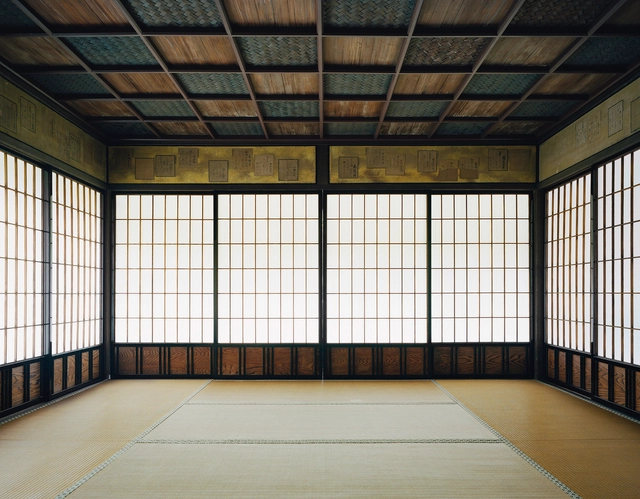
Cultural diplomacy refers to the use of cultural expression and creative exchange to foster understanding and build relationships between nations. In this context, architecture has long played a distinctive role. Beyond its functional and aesthetic dimensions, it serves as a medium of communication, a language through which countries express identity, values, and ambition on the global stage.
Architecture operates as a form of soft power — persuasive rather than coercive — enabling nations to project influence through material presence. From modernist embassies in the post-war era to monumental pavilions at world expositions, governments and institutions have recognized the built environment's potential to shape perception. By commissioning prominent architects and adopting specific design languages, countries have used architecture to signal modernity, tradition, innovation, or stability.
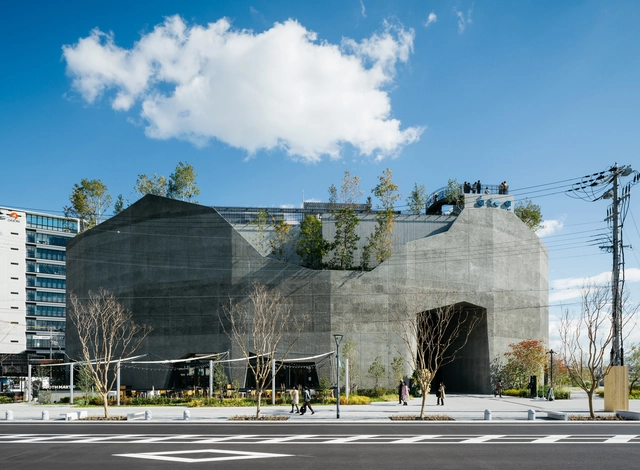
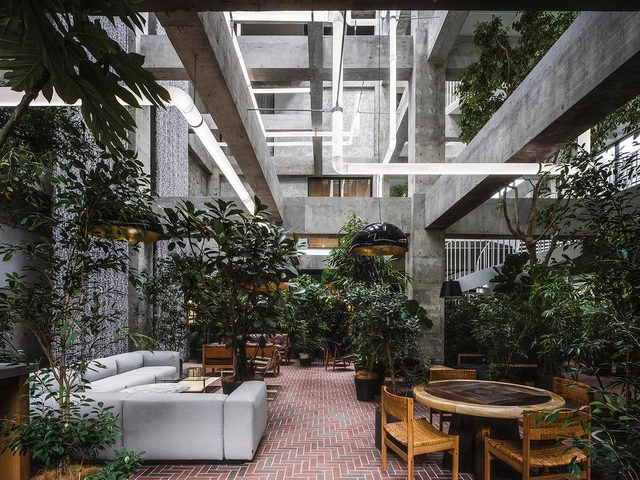
Widely recognized as being responsible for 8% of global CO2 emissions, concrete should be a blacklisted material, relegated to the shameful annals of architectural history. Rapid global urbanization, however, will ensure its unequaled production simplicity and structural strength help retain concrete’s firm grip on the construction industry.
If you can’t beat it, improve it: is the industry’s mantra on innovation, currently developing various alternatives to concrete or its constituent parts and admixtures. So with a concrete set for the environmental green list, the concrete revolution –using the material as an aesthetic exterior facade, interior decoration and fittings, or even in furniture and lighting, as well as a structural framework– is free to continue.