Our partner Vidrio Andino has shared valuable insights into the world of glass with us, helping us better understand how the material behaves and guiding us in choosing the right glass for our architectural projects.
From A to Z, read on to discover why thermal shock should be avoided, what solar factor actually means, and exactly what tempered glass is.
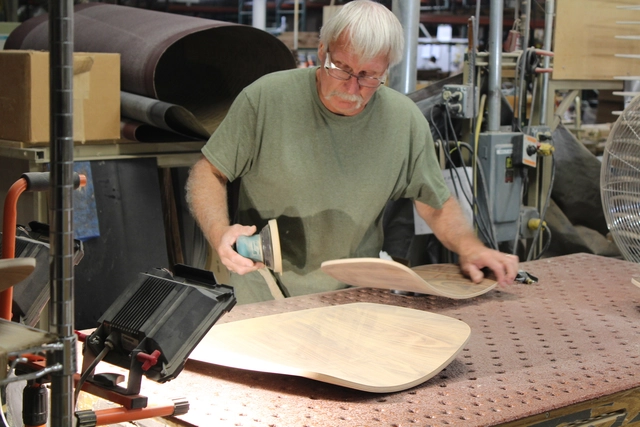
What is the manufacturing process of a chair like?
Our partners at Herman Miller opened the doors of their factories and offices in Michigan, United States, to show us the complex yet efficient design and manufacturing process of their various furniture pieces and products. During a three-day tour, we saw that their production involves a high level of detail and craftsmanship, where the experience and skill of their workers are essential.
Today, October 1st, marks World Architecture Day. To celebrate in style, ArchDaily invites you to tune in to our live broadcasts of our special programming.
Seven architects from Chile, Mexico, and Venezuela will visit our offices in Santiago and Mexico City to discuss their key projects and share their architectural vision. Follow the live broadcasts on the Instagram accounts of Plataforma Arquitectura and ArchDaily México.
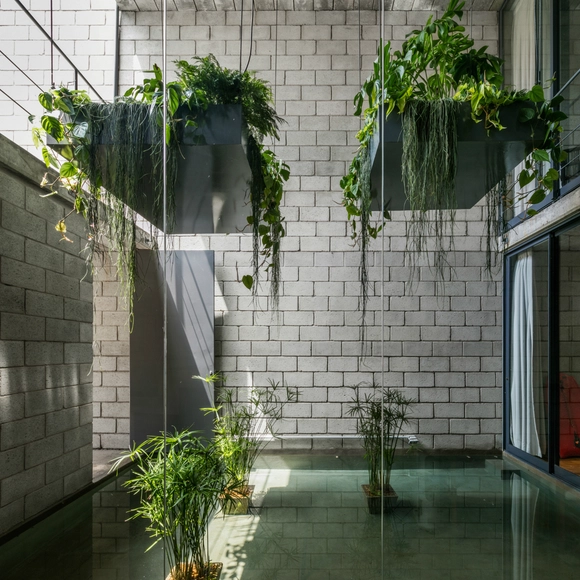
Concrete blocks are prefabricated materials primarily used for constructing walls. Similar to bricks, these blocks are stacked together and bonded with mortar, typically composed of cement, sand, and water. They are hollow inside to accommodate steel bars and mortar filling.
These blocks are available in a variety of dimensions and textures, ranging from traditional smooth surfaces to fluted or rough finishes. Additionally, there are special units designed for corners or beams with longitudinal reinforcements. The dimensions vary, from the classic 8x8x16 inches (approximately 19x19x39 cm) intended for structural use, to a size of 8x3.5x39 inches (approximately 19x9x39 cm) for partitioning walls. How can we creatively incorporate them into our designs?
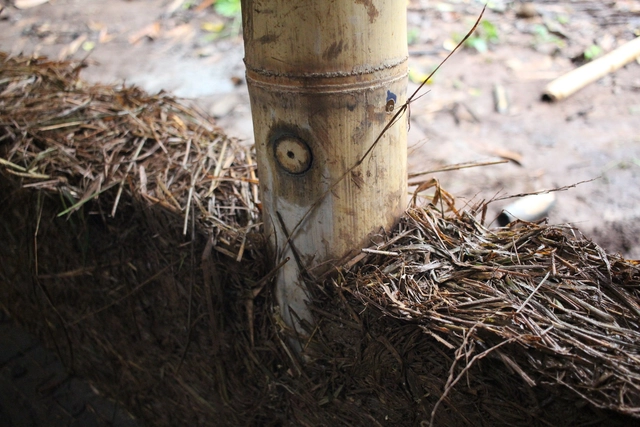
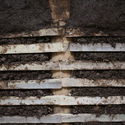
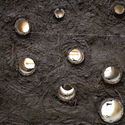
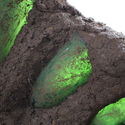
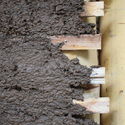
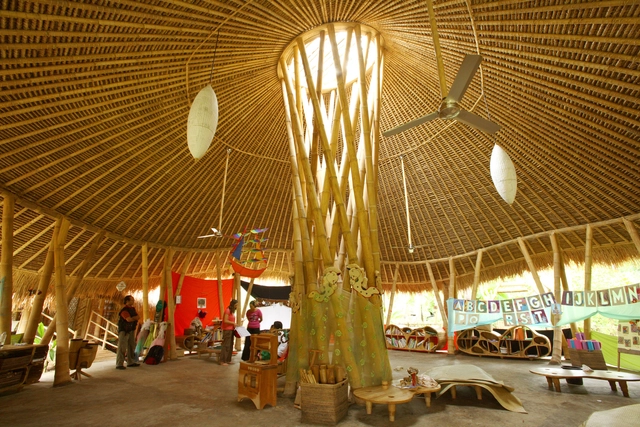
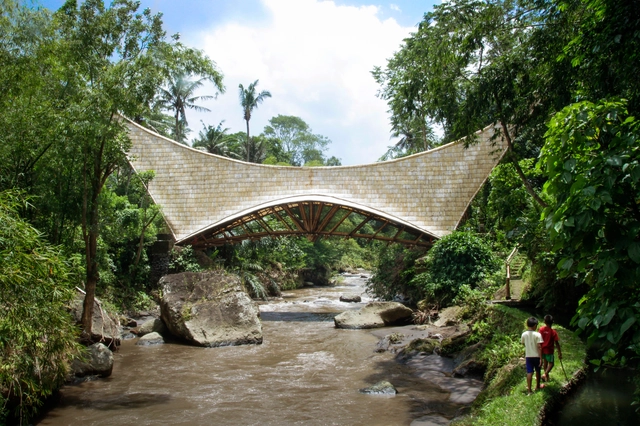
By recognizing and analyzing the multiple architectural possibilities of bamboo—a construction material mostly native to warm and tropical areas—the following questions arise: How can we take advantage of its qualities and enhance its use in colder climates? Such regions necessarily require a certain level of thermal isolation in walls, floors, and roofs—but for these climates, we can combine bamboo with materials that complement it.
We spoke with Penny Livingston-Stark, a designer and professor of permaculture who has worked for 25 years in the field of regenerative design based on non-toxic natural materials, to understand the opportunities offered by combining bamboo with earth.
Although holograms have been a possibility for decades—the first hologram was developed in the early 1960’s following the development of laser technology—many might still associate them more with science fiction, the term conjuring up images of high-tech superhero gadgets and spaceships in the distant future. Yet as we inch closer to the reality of a hyper-technologized future, and a variety of industries—including architecture and construction— begin to embrace new forms of increasingly advanced technology, holography, too, has a chance of completely reshaping the way we conceptualize and experience architecture. While it is impossible to predict exactly how holographic technology will be used in the future, below, we list several examples of existing projects that use holograms and other types of holography to create atmospheric environments, fantastical scenes, and practical visualizations. These examples move beyond the use of holograms to visualize structures and sites during the design phase; they utilize holography to shape the completed architectural space itself, completely altering the sensory and spatial experience of their environment.
https://www.archdaily.com/963011/holography-how-it-could-change-architectural-spaceLilly Cao
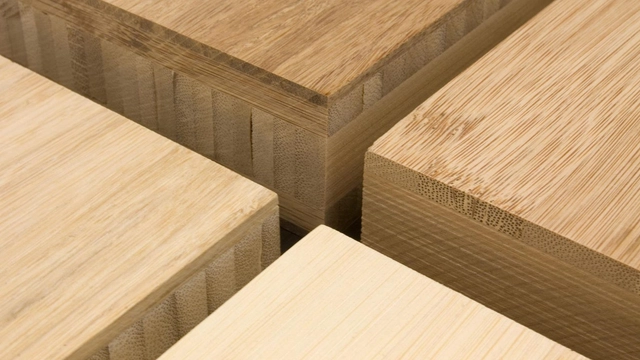
Mass timber has been hailed as the solution to architecture’s notorious sustainability problem – that buildings account for nearly 40% of global energy use is by now a worn and overcited fact. But timber isn’t the world’s only renewable material, and architects and engineers have begun looking elsewhere for other possible steel and concrete replacements. One such possibility that has recently come to light is engineered or laminated bamboo, a highly sustainable and structurally impressive material. Below, we investigate how laminated bamboo is made, what its primary qualities are, and how it compares to timber.
Human economic activities are naturally dependent on the global ecosystem, and possibilities for economic growth may be limited by the lack of raw materials to supply factory and trade stocks. While for some resources there are still untapped stocks, such as certain metals and minerals, there are others, such as fossil fuels and even water, with serious availability issues in many locations.
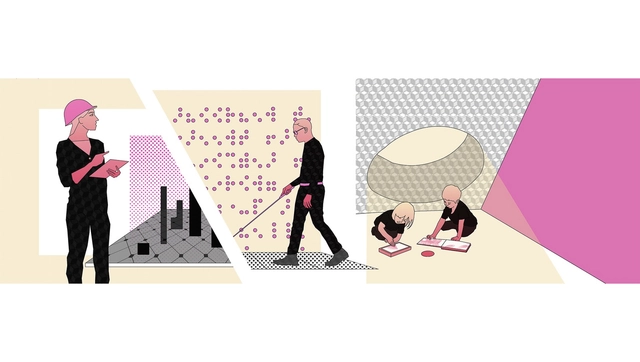
A good architecture project must be accessible to all, regardless of their physical or cognitive abilities. To raise awareness about these issues, and help you in the design process, we have compiled some basic actions that must be carried out for people to inhabit residential spaces comfortably and without obstacles.
It's important to remember that each country has its own regulations in relation to accessibility, so the specific dimensions presented below – based on the 'Universal Accessibility Guide' by Ciudad Accesible– are conceptual and may vary for each project. Before designing an accessible home, review local guidelines and adhere to, if not exceed, listed needs and requirements, thus ensuring a good quality of life for users in the long term.
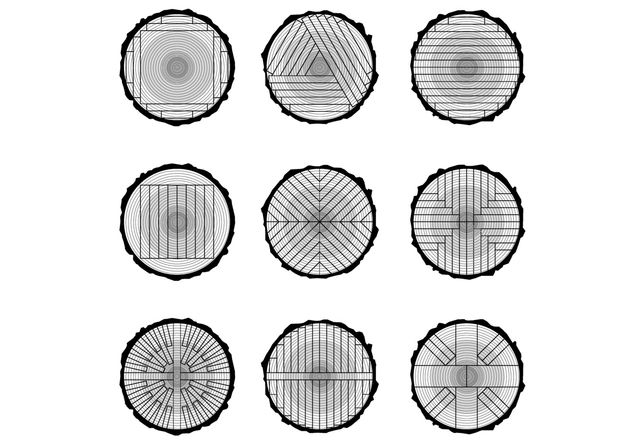
As wood is one of the most widely-used materials in the world, architects are accustomed to being able to easily obtain sawn wood at a nearby store. However, many of us know little about its manufacturing process and all the operations that determine its appearance, dimensions, and other important aspects of its performance.
The lumber we use to build is extracted from the trunks of more than 2000 tree species worldwide, each with different densities and humidity levels. In addition to these factors, the way in which the trunk is cut establishes the functionality and final characteristics of each wood section. Let's review the most-used cuts.
Within the framework of Espacios Oscuros research project, focused on observing and analyzing the experience of sexual diversity in public spaces of Santiago de Chile, architects María González and José Tomás Franco spoke with Nikos Salingaros, a mathematician and thinker known for his alternative theoretical approach to architecture and urbanism. Salingaros promotes design focused on human needs and aspirations, combining rigorous scientific analysis with a deep intuitive experience.
Our cities are, for the most part, hostile to the sensibilities of their citizens. (...) Almost everything has been aligned, standardized, emptied. So, how to meet different people, and how to expect a mix between strangers?
Back in 2008, ArchDaily embarked on a challenging mission: to provide inspiration, knowledge, and tools to the architects tasked with designing cities. In an effort to further align our strategy with these challenges, we recently introduced monthly themes in order to dig deeper into topics we find relevant in today’s architectural discourse. From architects who don't design to reframing climate change as a global issue, we are celebrating our 11th birthday by asking 11 editors and curators to choose ArchDaily's most inspiring articles.
Materials, products, and construction systems are constantly evolving and following new technologies, discoveries, and market trends. The question is: are we, as architects, evolving with them? We have heard about robots working on construction sites, responsive and intelligent materials and the continued rise of 3D printing, but is it all white noise at the moment of starting a new design? More importantly, could these new systems continue to progress without sensitively and effectively taking people's quality of life into account?
How should we use materials—both in their traditional forms and in their future conceptions—so that our projects are making relevant contributions to the way we are inhabiting our planet?
In order to evolve, we have to know how, so it' s worth beginning a discussion around these issues.
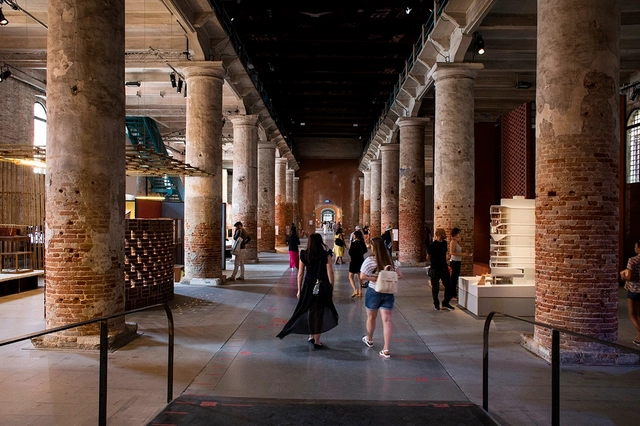
Arsenale. Image Courtesy of la Biennale di Venezia
As always, this year’s edition of the Venice Architecture Biennale is brimming with exhibitions and installations—the result of thousands upon thousands of hours of research and work. When arriving at the Arsenale or Giardini, the overwhelming amount of "things to see" are neatly tucked into the national pavilions, or, in the case of the Arsenale, hidden on the sides of the sweeping corridor. In the likely event that you have limited time to enjoy all that FREESPACE has to offer, ArchDaily's editors have selected our favorite works displayed at the 16th International Architecture Exhibition.
Here, presented in no particular order, are some of our top suggestions from across the Biennale sites.
https://www.archdaily.com/895621/11-must-see-exhibitions-at-the-2018-venice-biennaleAD Editorial Team
As part of our 2018 Venice Architecture Biennale coverage, we present the completed Argentinian Pavilion. Below, the curatorial team describes the exhibition in their own words.
Horizontal Vertigo, Argentinian Pavilion at the Venice Biennale 2018, delves into the notions of humanity and democratic spirit as proposed by Freespace, by establishing a cross-cutting dialog between geography, place, and architecture.
The exhibition, curated by the architects Javier Mendiondo, Pablo Anzilutti, Francisco Garrido and Federico Cairoli, is an invitation to rethink our territory as a collective construction and discover architecture in its capacity to convey unexpected generosity in every project.


.jpg?1542810627&format=webp&width=230&height=230&crop=true)
















.jpg?1530466848&format=webp&width=230&height=230&crop=true)


.jpg?1527355326&format=webp&width=640&height=580)