

-
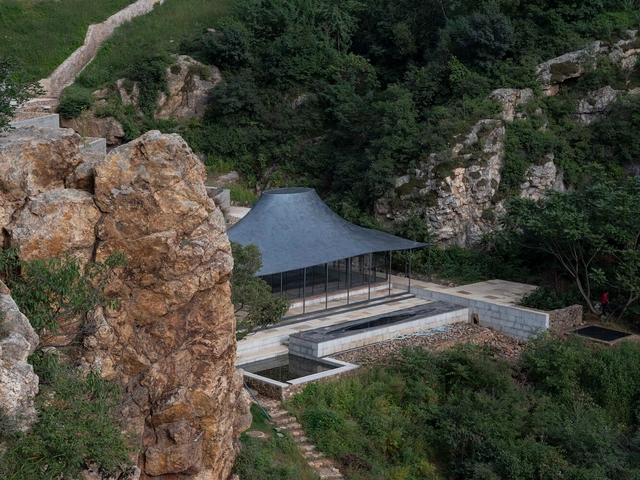
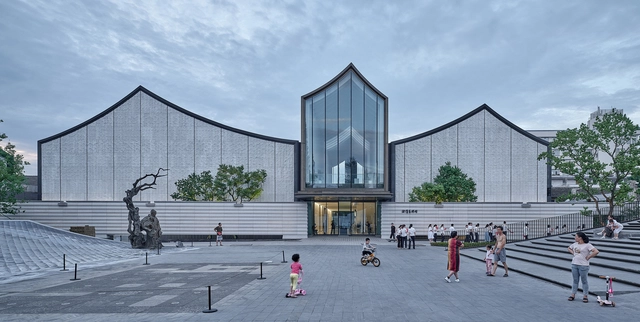
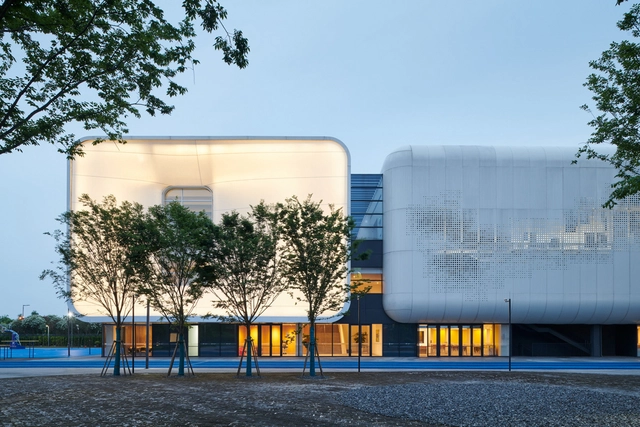
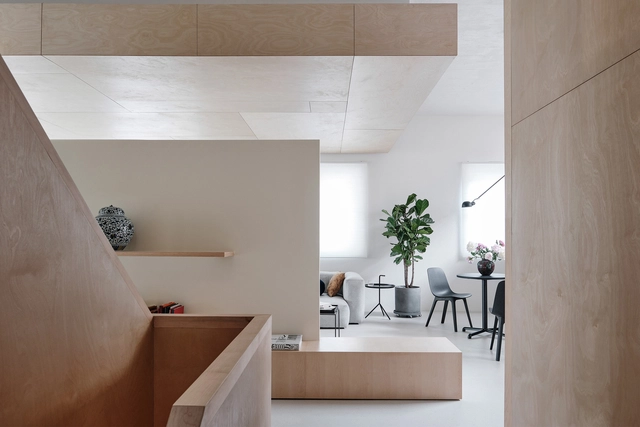
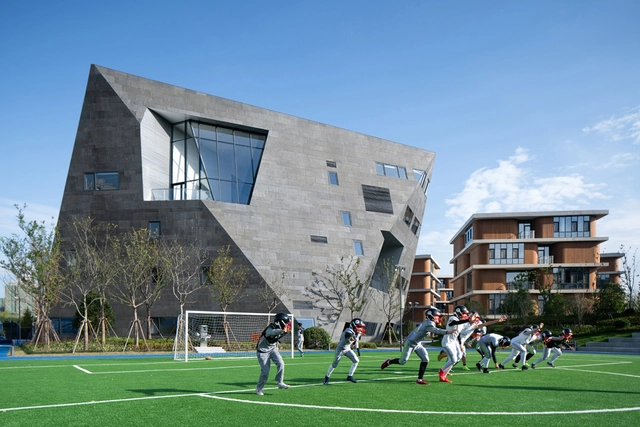
Architects: Atelier Deshaus
- Area: 615 m²
- Year: 2022
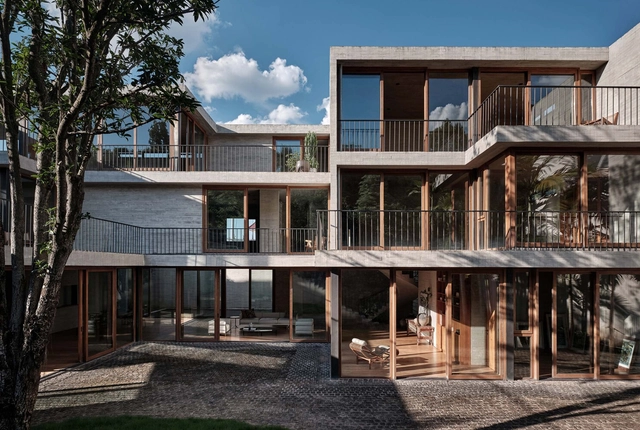
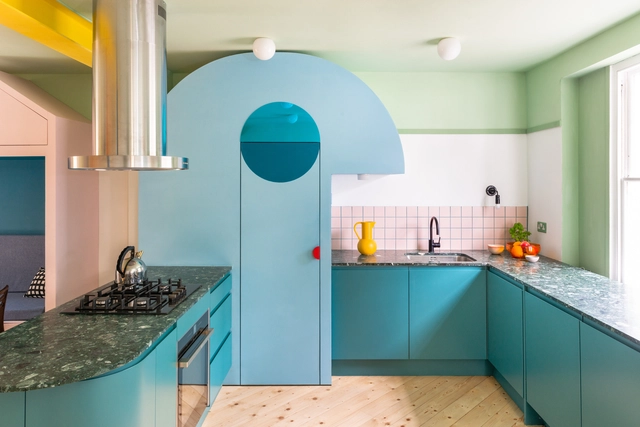
As transitory as trends may be, they always have a way of coming back. We see it all the time in fashion, with clothing pieces we thought were long gone coming back in style and reconquering the market. Interior design is no exception. Although this century has set the ideal on subtle sophistication and simplicity – with white surfaces, clean lines and slick gloss finishes –, bold retro enhancements are reviving in residential and commercial interiors. Whether in the form of vibrant colored walls, floors with intricate geometric patterns or vintage-looking furniture pieces, there seems to be a renewed appreciation for design elements inspired by trends from the second half of the 1900s, particularly from the 50s to the 80s.

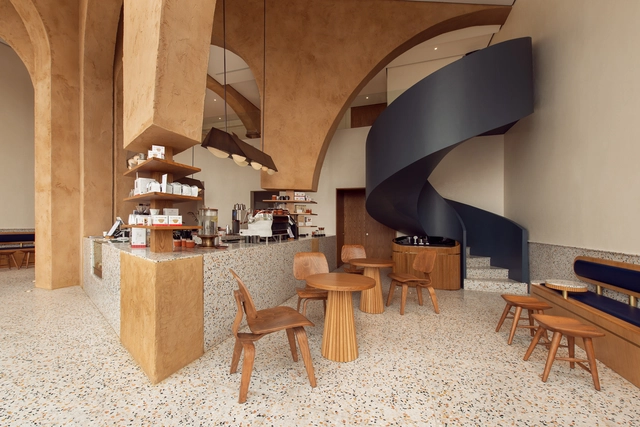
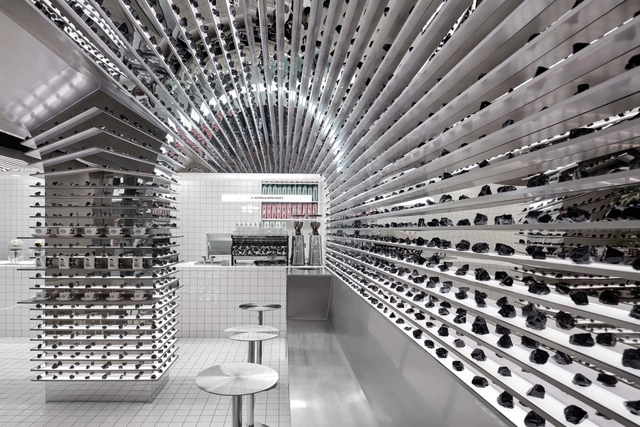
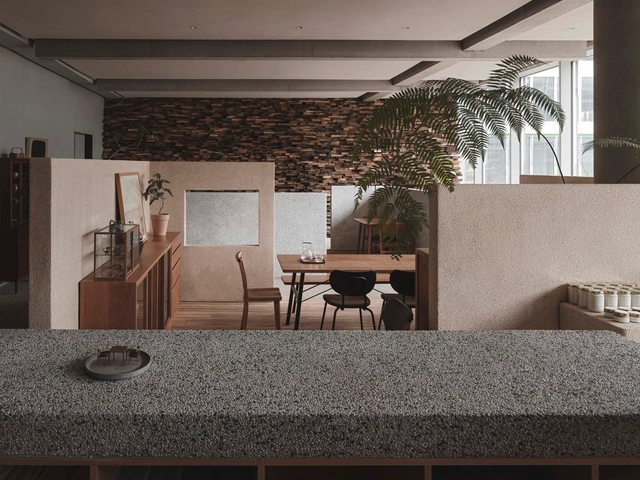
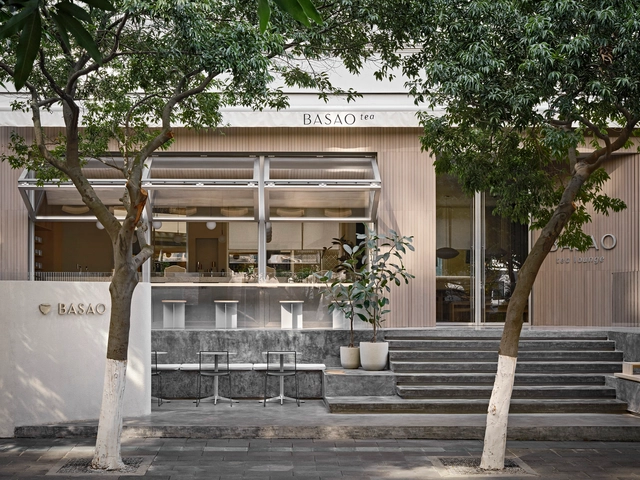
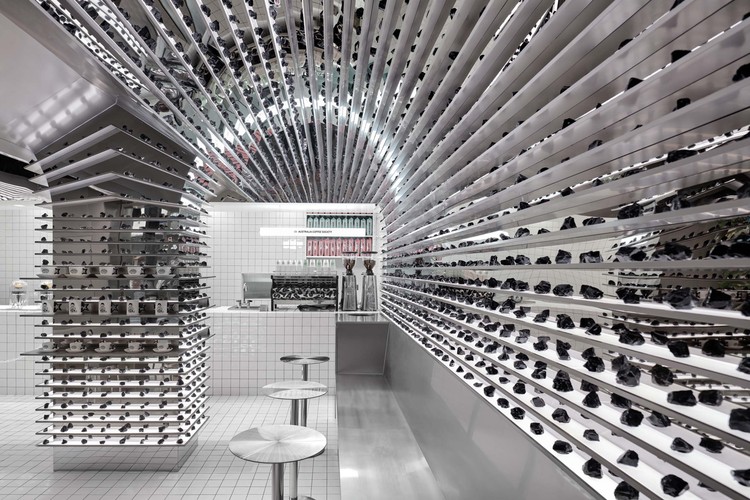
Coffee shops have always been popular gathering spaces among coffee lovers, but with the rise of remote working, especially post-pandemic, they have become a hotspot for remote workers and students as well. One of the many reasons why they are such a popular hangout spot, other than the fact that they serve one of the most globally-adored drinks, is because of their well-designed interior spaces that promote comfort, relaxation, and productivity simultaneously. After all, it's always been said that architects and coffee go hand in hand. In this interior focus, we explore how different design elements shape the user experience of a coffee shop, and look at how architects have employed them through 17 examples.
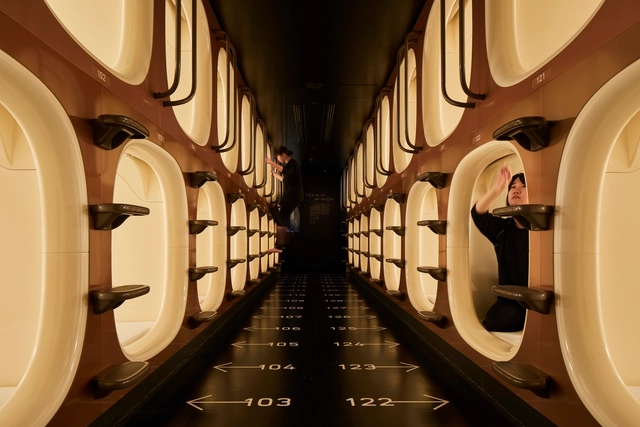
Hotels are a hub for commerce, transportation and culture. Today, interior designers are redefining hospitality spaces to accommodate new forms of travel, communication and rest. From historic renovations to contemporary ground-up hotels, these projects center around leisure and memorable guest experiences. In turn, they express brand identity to rethink what interior design and hospitality will be in the future.
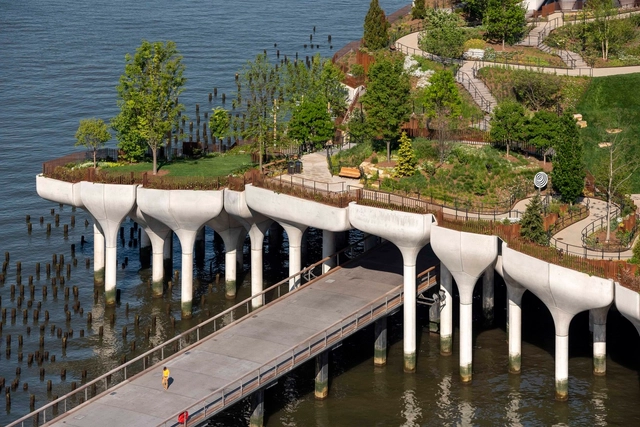
More than 5000 new projects published throughout 2021 make ArchDaily the largest online architecture library in the world. ArchDaily Curatorial Team researches, contacts offices, prepares, and delivers the built projects in the world on a daily basis, with the objective of providing inspiration, knowledge, and tools to our users who take part in the creation of better built environments.
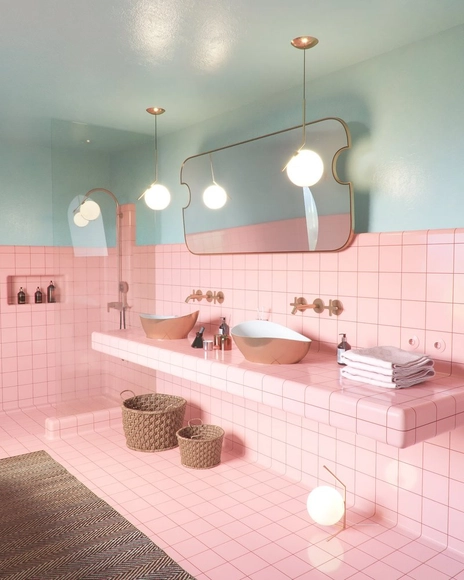
Even though white minimalism remains the norm, retro trends are making a serious comeback in modern bathroom designs, with homeowners incorporating pops of color, classic fixtures, and patterned surfaces. Despite often being static and traditional spaces in homes, bathrooms have certainly undergone significant transformations throughout the years. While those of the outspoken 1970s brought vibrant colors like avocado green and mustard yellow, the ‘80s introduced ceramic tiles in more muted, pastel shades. On the other hand, this century has set the ideal on white and marbled surfaces, slick gloss finishes, and silver fixtures. However, even as this all-white look continues to be the protagonist, bold retro enhancements are reviving and blending in with contemporary elements to create elegant, yet lively atmospheres with a strong character.

.jpg?1618830875&format=webp&width=640&height=580)

Would you be willing to buy a home from a robot using only an app? As technology becomes more and more integrated into the design and real estate sector, that once an outlandish idea has become a reality. Only a decade ago, almost no one talked about technology and start-ups in the built environment. The real estate industry, which has historically lacked technological innovations compared to other sectors, is now taking a stance to reinvent itself as an industry that is more efficient, flexible, and automated- all resulting in one of the newest buzzwords that has taken the world by storm, proptech or Property technology.






.jpg?1628595557&format=webp&width=230&height=230&crop=true)


.jpg?1618830881&format=webp&width=230&height=230&crop=true)
.jpg?1618830897&format=webp&width=230&height=230&crop=true)
.jpg?1618830890&format=webp&width=230&height=230&crop=true)
.jpg?1618830933&format=webp&width=230&height=230&crop=true)
.jpg?1618830875)


