BROWSE ALL FROM THIS PHOTOGRAPHER HERE

Rural Transportation Hubs: Infrastructure Design, Access, and Regional Mobility

Subscriber Access | 

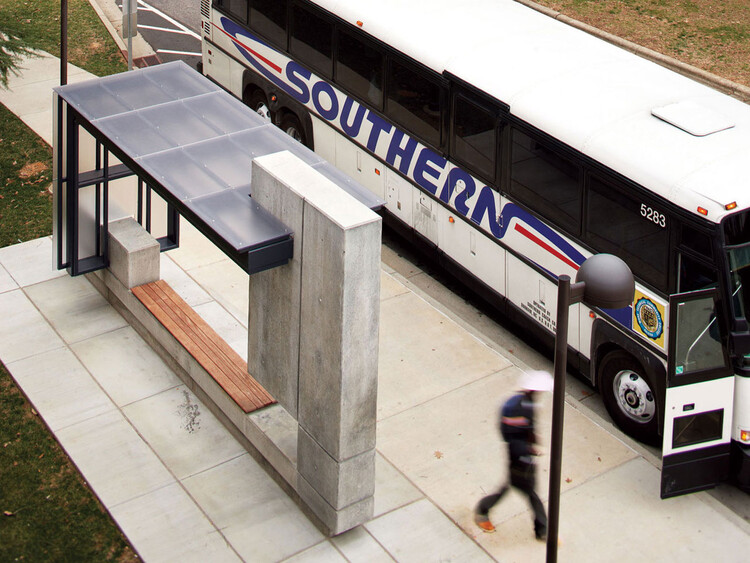
The future of transportation hubs in the United States will not be defined by iconic metropolitan airport terminals and expansive central train stations. Rural communities contain the majority of the nation's road miles, carry nearly half of all truck vehicle miles traveled, and originate two-thirds of rail freight. These realities position rural transportation hubs as vital regional access points and distribution centers that shape national mobility outside models of urban extensions.

Rural transportation hubs in the United States are essential civic and logistical anchors whose success cannot be measured against urban metrics. Instead of replicating transport hubs of dense urban typologies, designers are developing architectural models that reflect rural realities: dispersed populations, freight-dominant infrastructure, modest multimodality, safety challenges, and social access needs. In many rural regions, a modest airport terminal sustains economic viability, a rail transfer facility connects resource-based industries to national markets, and a regional bus depot provides access to employment, education, and essential services.

Rural Transportation Hubs: Infrastructure Design, Access, and Regional Mobility - More Images+ 44

Understanding Soft Architecture: The Shift from Monument to Moment

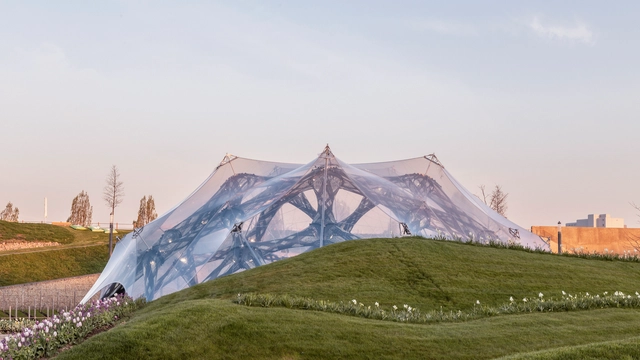
In recent years, architecture has increasingly embraced adaptability, flexibility, and responsiveness as core design principles. This evolution reflects a shift from traditional notions of static, permanent structures to dynamic environments that can adjust to changing needs and conditions. Central to this transformation is the concept of "soft architecture", which leverages pliable materials and innovative systems to create spaces that are functional, sustainable, and user-centric. Soft architecture takes shape through membranes that breathe, façades that move, structures that inflate or fold, and surfaces that bend rather than break. It involves designing for transformation — not only in how a building performs environmentally, but also in how it can accommodate shifting functions, user interactions, or temporary occupations. This approach to building challenges traditional notions of durability and control, proposing instead a more responsive and open-ended architecture. It reflects a growing awareness that buildings, like the societies they serve, must be able to evolve.

Understanding Soft Architecture: The Shift from Monument to Moment - More Images+ 53

Pedestrian Infrastructure: 15 Bridges Connecting Public Spaces and Transforming Cities

Subscriber Access | 

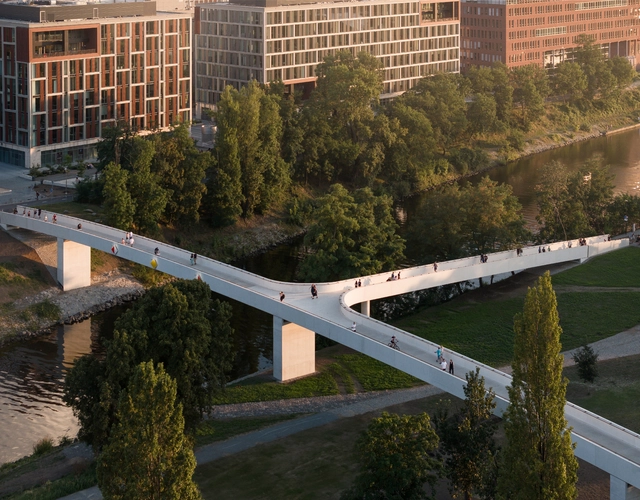
There is growing awareness of the importance of developing pedestrian infrastructure. Bridges and elevated structures enhance the quality of cities by connecting spaces and reducing distances. Their use benefits pedestrians and the thousands of cyclists seeking a more sustainable mode of transportation.

Pedestrian infrastructures, such as bridges, walkways, and widened sidewalks, not only promote sustainable mobility but also contribute to the revitalization of urban areas. Their design can transform underused spaces into active, safe, and accessible places for everyone, enhancing social cohesion and fostering community. By incorporating elements such as greenery, smart lighting, and urban furniture, these structures become more than just thoroughfares: they transform into meeting points and spaces for social interaction.

Pedestrian Infrastructure: 15 Bridges Connecting Public Spaces and Transforming Cities - More Images+ 26

Awesome and Affordable: Making the Case for Great Housing

This article was originally published on Common Edge.

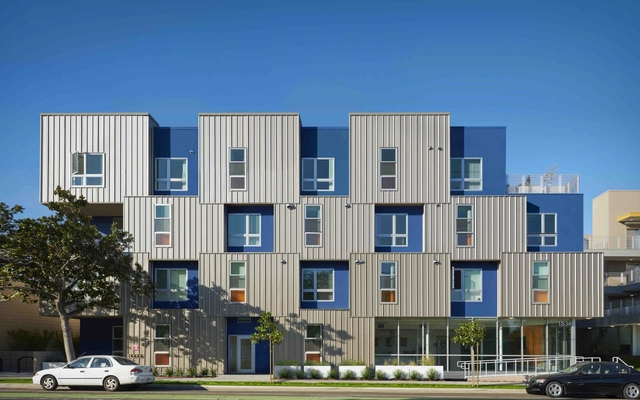
When Brenda Mendoza told an NPR reporter about her commute to work, she became the face of the housing crisis in Los Angeles today. Mendoza, a uniform attendant at a Marriott hotel, was living with her family in an apartment in Koreatown, where she had grown up, 10 minutes from her job. The landlord raised the rent, so she moved to a less costly place in Downey. When that rent also rose out of reach, she moved to Apple Valley, and now gets up at 3:30 a.m. to drive 100 miles to her job, dropping off her husband and son at their jobs on the way. She did not move to Apple Valley to invest in a house she could love. She simply found an equally unstable, but slightly more affordable, rental hours from her workplace.

Awesome and Affordable: Making the Case for Great Housing - More Images+ 1

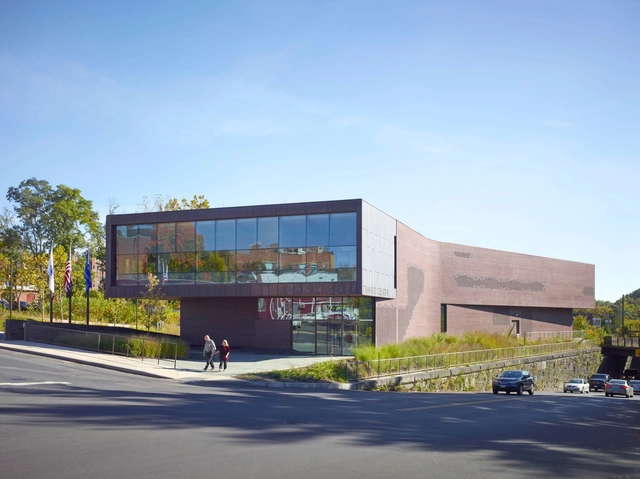
John Olver Transit Center / Charles Rose Architects

John Olver Transit Center / Charles Rose Architects - More Images+ 18

West Coast Modernism: LA's New Class of Single Family Homes

Subscriber Access | 

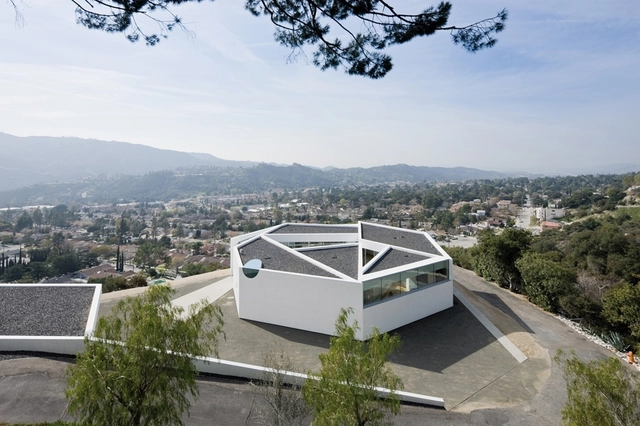
Los Angeles is a city of dreams. Known across the United States and the world, L.A. embodies both freedom and experimentation, defined as much by its freeways as its diversity. It is also a city of houses. Single-family homes cover almost half of Los Angeles, and as the city continues to evolve, architects have explored new ideas on modernity and daily life through the single-family typology.

Around 10 million people live in L.A. County, and Los Angeles itself has become one of the world's most ethnically diverse cities. The built environment reflects the nature of its residents, home to some of the most iconic residential and cultural architecture in the world. Los Angeles has its own dose of Lautner, Schindler, Wright, and Neutra. It's a city that has long embodied multiplicity and progressive forms, from the Eames House and Gehry's Residence to the iconic Stahl House. Through the lens of photographer Julius Shulman, many homes came to represent not only new residential styles but also the postwar culture of Southern California.

West Coast Modernism: LA's New Class of Single Family Homes - More Images+ 9

Caltech Chen Neuroscience Research Building / SmithGroup

Caltech Chen Neuroscience Research Building / SmithGroup - Exterior Photography, Research Center
© Randall Howard

Caltech Chen Neuroscience Research Building / SmithGroup - More Images+ 13

Flexform's Versatile Furniture Enhances Projects Worldwide

 | Sponsored Content

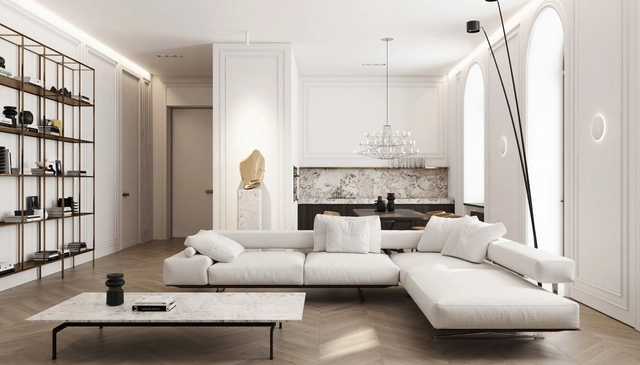
Architectural design of a space and the furniture chosen to fill it can work together to define a room's function, set a certain vibe, and make a statement. While an architect or designer may want specific furniture to create a certain look at the time of design completion, versatility is also important over the course of a building's life. Not only do the needs of building programs and inhabitants shift over time, but owners of commercial and public spaces often want the ability to react to both aesthetic and social trends to keep up-to-date. 

What is ETFE and Why Has it Become Architecture's Favorite Polymer?

Subscriber Access | 

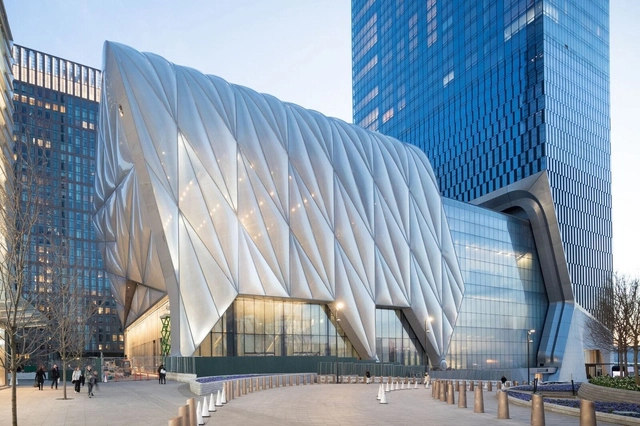
Until recently, the architecture world largely viewed plastic polymers as inferior building materials, handy for wipe-clean kitchen surfaces, but not practical in full-scale building applications. But with technological innovations driving material capabilities forward, polymers are now being taken seriously as a legitimate part of the architect’s pallet. One of the most widely-used of these materials is a fluorine-based plastic known as ETFE (Ethylene tetrafluoroethylene). Brought into the public consciousness thanks to its use on the facade of PTW Architects' Water Cube for the 2008 Beijing Olympics, architects are now realizing the film’s capabilities to express a new aesthetic and replace costlier transparent and translucent materials. Its most recent and spectacular public appearance was on the 120-foot telescopic shell of The Shed, designed by Diller Scofidio + Renfro and Rockwell Group in New York City.

What is ETFE and Why Has it Become Architecture's Favorite Polymer? - Image 1 of 4What is ETFE and Why Has it Become Architecture's Favorite Polymer? - Image 2 of 4What is ETFE and Why Has it Become Architecture's Favorite Polymer? - Image 3 of 4What is ETFE and Why Has it Become Architecture's Favorite Polymer? - Image 4 of 4What is ETFE and Why Has it Become Architecture's Favorite Polymer? - More Images+ 4

Renovation of Beverly Center / Massimiliano and Doriana Fuksas

Renovation of Beverly Center / Massimiliano and Doriana Fuksas - More Images+ 22

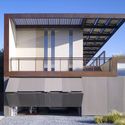
Brucato House / Martin Fenlon Architecture

  • Area Area of this architecture project Area:  2200 ft²
  • Year Completion year of this architecture project Year:  2016
  • Manufacturers Brands with products used in this architecture project
    Manufacturers:  Boise Cascade, Hardy Frame, Kohler, Oldcastle APG, Oldcastle BuildingEnvelope, +1

Scarpa + Brooks Explore How Architecture Can Shape Memory

Why do we remember buildings, locations, and experiences? Even a place visited in our childhood can conjure emotions that make an impact on us through the memories they create. Angela Brooks and Larry Scarpa explain that the work of Brooks + Scarpa Architects aspires to make a lasting impression out of even a brief encounter. “We try to leave something behind,” says Scarpa, “something ingrained in people’s memory that sticks with them.”

Scarpa + Brooks Explore How Architecture Can Shape Memory - More Images+ 2

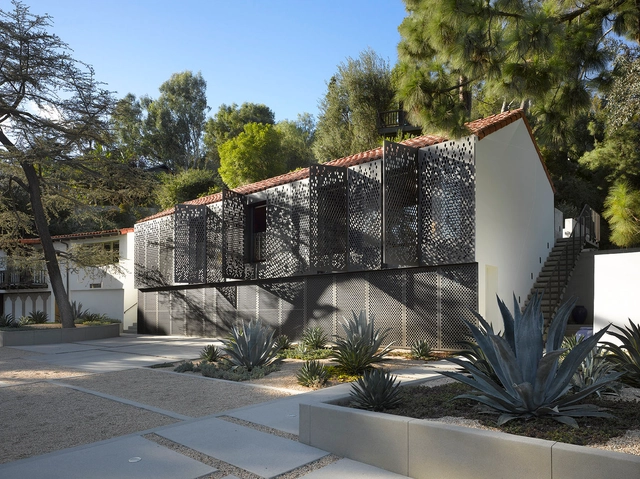
The Annex / Martin Fenlon Architecture

The Annex / Martin Fenlon Architecture - More Images+ 18

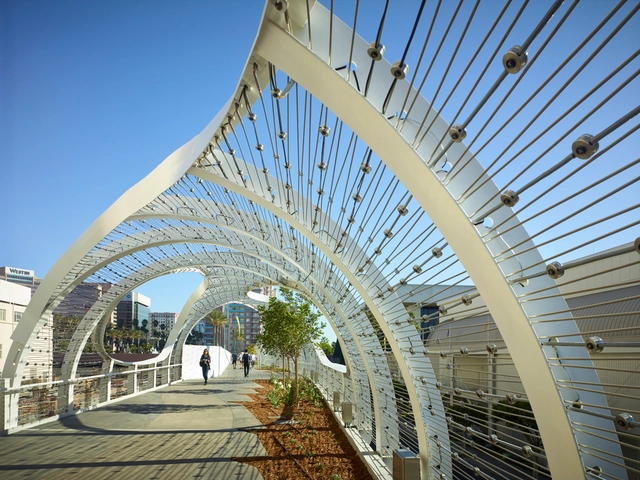
The Rainbow Bridge / SPF: architects

The Rainbow Bridge / SPF: architects - More Images+ 19

  • Architects: SPF: architects
  • Area Area of this architecture project Area:  10800 ft²
  • Year Completion year of this architecture project Year:  2017
  • Manufacturers Brands with products used in this architecture project
    Manufacturers:  Carl Stahl, B-K Lighting, Drinking Fountain, Flouronar, Lumenpulse, +3
  • Professionals: Hood Design Studio, Arup

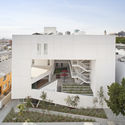
Morgan Phoa Library and Residence / Zoltan E. Pali + SPF: architects

Morgan Phoa Library and Residence / Zoltan E. Pali  + SPF: architects - More Images+ 6

  • Area Area of this architecture project Area:  3300 ft²
  • Year Completion year of this architecture project Year:  2015
  • Manufacturers Brands with products used in this architecture project
    Manufacturers:  Alkco, Arktura, Tiella, USAI, Zumtobel

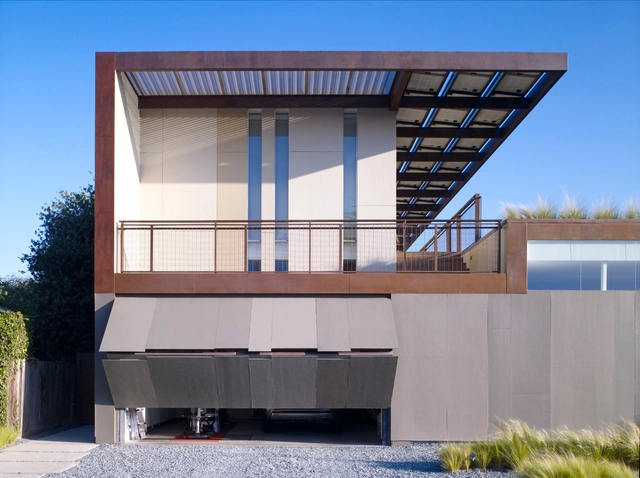
Yin-Yang House / Brooks + Scarpa Architects

Yin-Yang House  / Brooks + Scarpa Architects - More Images+ 8

Los Angeles, United States
  • Area Area of this architecture project Area:  4700 ft²
  • Year Completion year of this architecture project Year:  2011
  • Manufacturers Brands with products used in this architecture project
    Manufacturers:  Grohe, APOC, Anemostat, Angelus Block, Blanco, +14

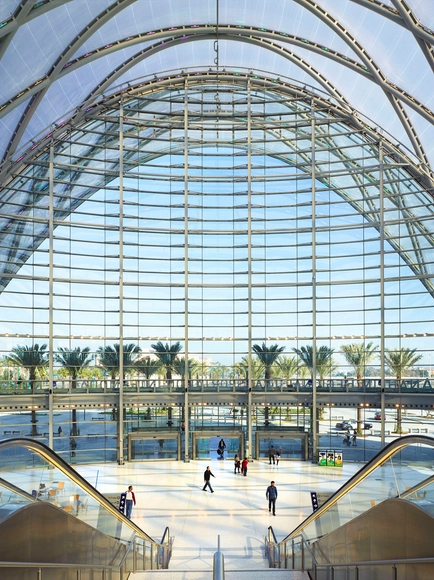
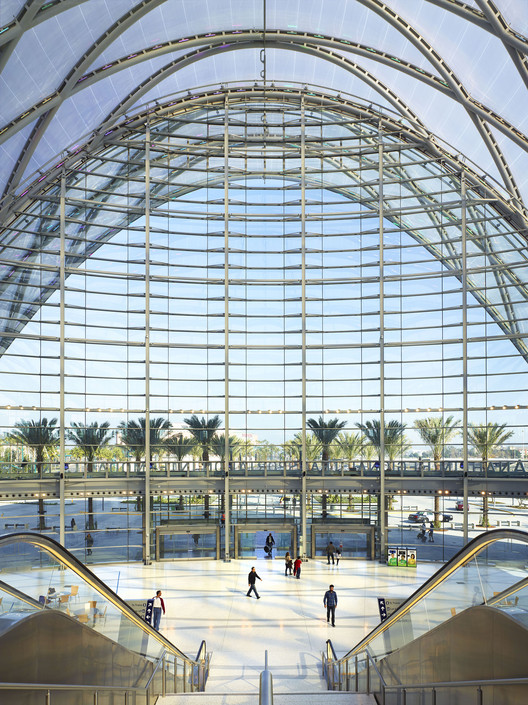
Anaheim Regional Transportation Intermodal Center / HOK

Anaheim Regional Transportation Intermodal Center / HOK - More Images+ 6

Orange County, United States
  • Architects: HOK
  • Year Completion year of this architecture project Year:  2014
  • Manufacturers Brands with products used in this architecture project
    Manufacturers:  Kalzip, Terrazzo & Marble, Hahn Lamellenfenster, Hess Lighting, Insight Lighting, +2

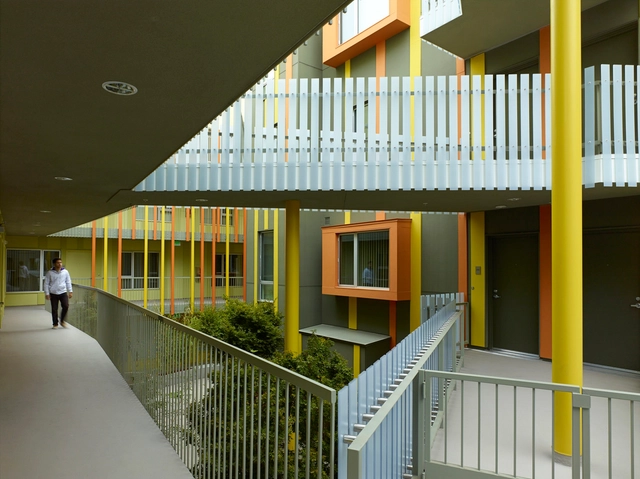
2802 Pico Housing / Moore Ruble Yudell

2802 Pico Housing / Moore Ruble Yudell - More Images+ 23

Santa Monica, United States
  • Architects: Moore Ruble Yudell
  • Area Area of this architecture project Area:  42263 ft²
  • Year Completion year of this architecture project Year:  2014