-
Architects: KAAN Architecten
- Area: 4700 m²
- Year: 2026
-
Manufacturers: MOSO BAMBOO, MOSO Bamboo

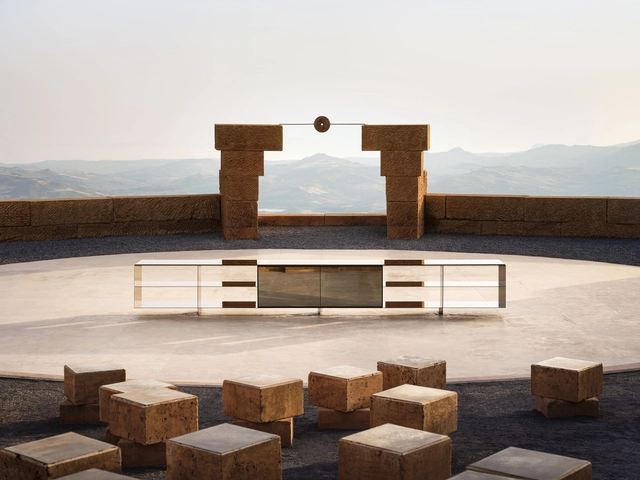
This year's Milan Design Week brought together designers, architects, producers, and key figures from the design world. The events were divided between the Salone del Mobile at Rho Fiera, a trade fair with over 1950 exhibitors, and Fourisalone, featuring various events across Milan. With numerous installations throughout the city and a wide range of events, conferences, and debates, Milan Design Week stands as one of the most significant design-focused events worldwide. For architects, this represents an opportunity to not only exchange ideas but also to actively contribute through collaborations and explorations across disciplines.
This year, many internationally recognized architects have entered collaborations with furniture and light design companies, exploring the intersection of design and architecture. Despite the change in scale, many of these products reflect the recognizable architectural language of their designers, offering an insight into the principles that guide their practice. In addition to aesthetic explorations, many of the products selected are tackling important themes of interest, from the need to develop more sustainable materials with a reduced carbon footprint, to the potential impact of new technologies such as artificial intelligence.
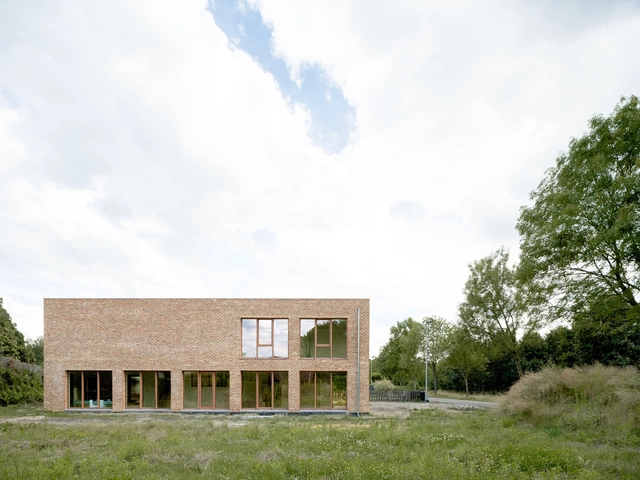
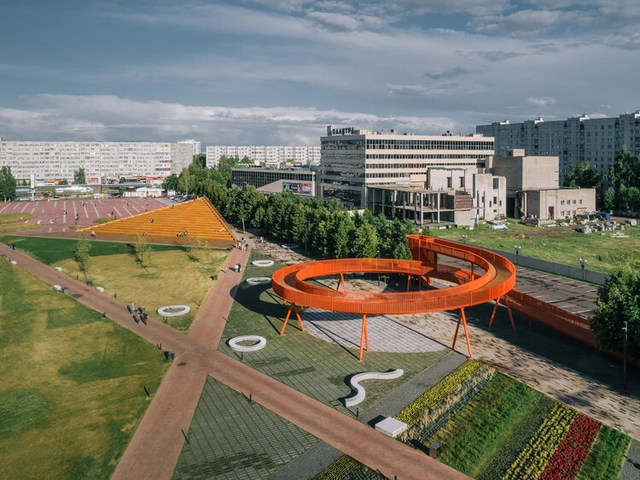
In the architectural world, unestablished practices are often overlooked, yet, by challenging the traditional dogmas of the industry, they can have a significant impact on the built environment. The Young European Architecture Festival (YEAH!) explores the work of these upcoming architectural offices, looking at how they share ideas visions and experiences at the European level. The event is divided in two sections: Habitats, exploring ideas of domesticity and the residential typology, and Hybrids, initiatives that are rethinking the traditional systems of city planning.
The following represents a selection of projects by emerging architectural practices selected by YEAH! For the Hybrids category. Many of these initiatives are challenging the ideas of public space, but in doing so, they are also shedding light on the larger social structures at play in these spaces. The selection includes community spaces, schools, transportation hubs, and even projects initiated by the architects themselves, who have noticed deficiencies in their environment and are working to not only correct them but to enhance their presence and empower the local community through them.
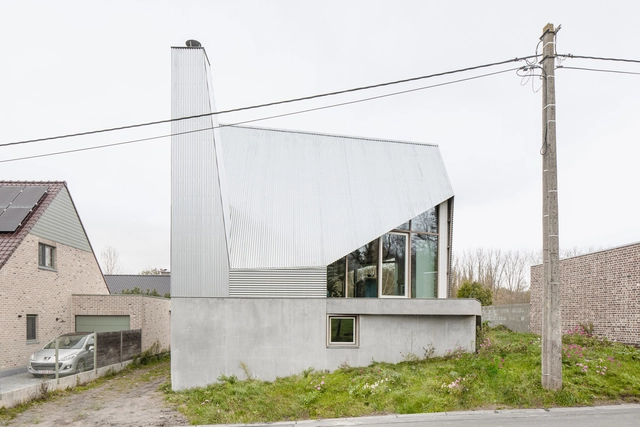

Momoyo Kaijima and Yoshiharu Tsukamoto of Atelier Bow-Wow and Elizabeth Diller are this year’s Architecture laureates of the Wolf Prize, an annual award highlighting scientists and artists for “their achievements in the interest of mankind”. One of Israel’s most prestigious international awards, the prize’s art categories include painting and sculpting, music and architecture, accompanied by the scientific categories of medicine, agriculture, mathematics, chemistry and physics. The jury commended the three architects’ notable work at the confluence of research, pedagogy and practice, influential for advancing the practice of architecture.

The housing shortage has long been the catalyst for architectural speculation over adaptive resue scenarios or the valorisation of underused places in cities. At the same time, the health crisis and its work from home imperatives have brought into sharp focus the adaptive reuse potential of offices spaces into housing. The probability that some office buildings remain vacant post-pandemic opens up the possibility of bringing back housing to city centres, enabling the implementation of a 15-minute city vision. The following discusses the challenges and opportunities of transforming office spaces into housing, highlighting this limited phenomenon's long-term feasibility and impact.