

-
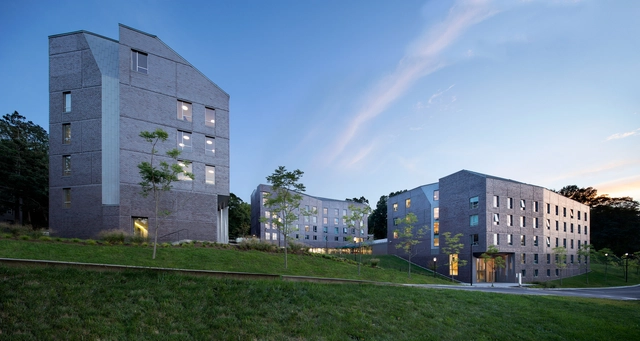
Architects: Sasaki
- Area: 245000 ft²
- Year: 2020
-
Professionals: Sasaki, Langan, Vanderweil, LeMessurier, Becker & Frondorf, +4
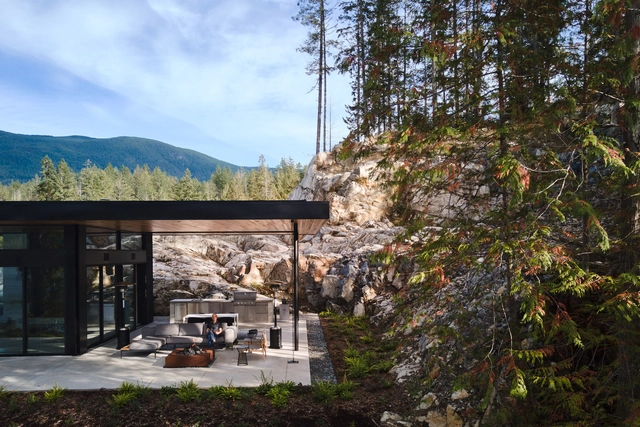
The weather across the northern hemisphere is getting warmer, and with rising temperatures comes the urgent need for many of us to spend as much time outside as possible. While a variety of outdoor activities bring with them their own sense of accomplishment and relaxation, one in particular combines feelings of leisure, indulgence and community: outdoor cooking. But how did this tradition start? And what has it evolved into?
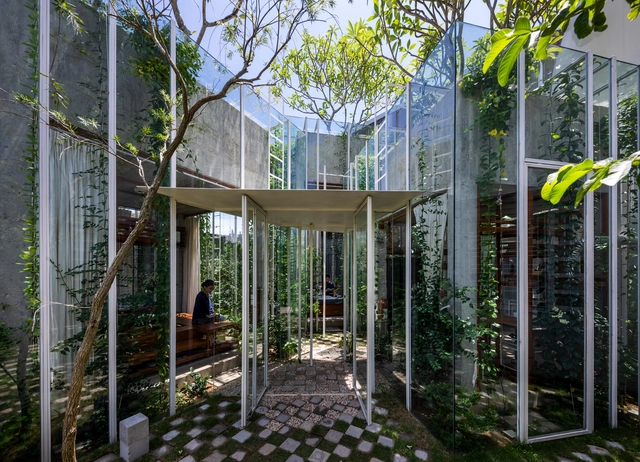
As 2022 winds down, ArchDaily brings together the highlights of architecture in a series of retrospectives. As part of this effort, the Projects Team turns to one of the most popular categories among readers—residential architecture—with the objective of gathering the houses that represent the best of a vast world of architectural production according to our worldwide audience.
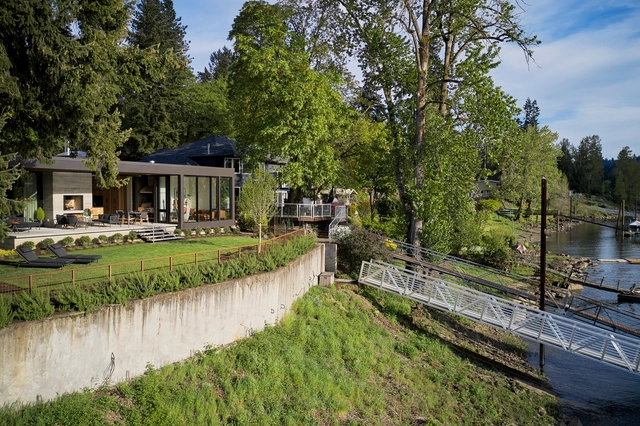
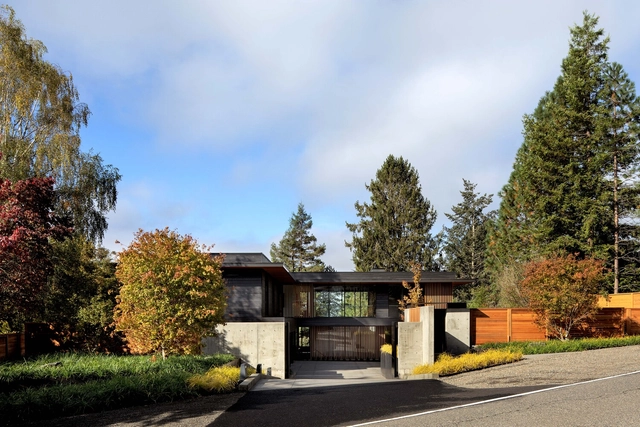

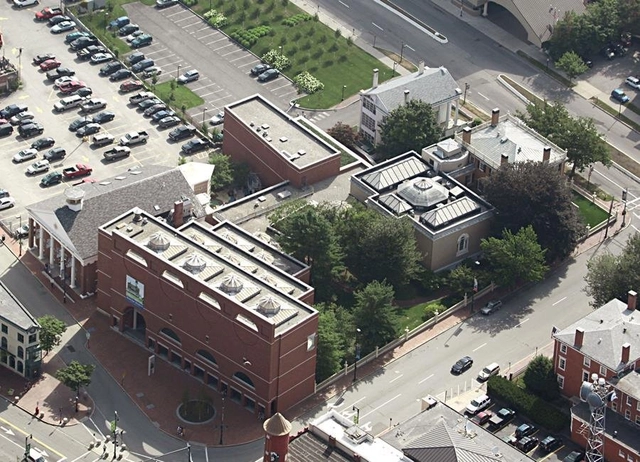
The Portland Museum of Art, along with architects from Dovetail Design Strategists have announced four renowned architecture firms shortlisted for the unification and expansion of Portland Museum of Art’s new campus in the heart of Downtown Portland, Maine. Under the theme of "Art for All", PMA’s mission, vision, and commitment to Sustainability and Diversity, Equity, Accessibility, and Inclusivity were the basis of the value proposition guiding the museum unification and expansion, with a goal to "reflect a challenge to museums and cultural institutions to do more to create centers of belonging and foster social change".


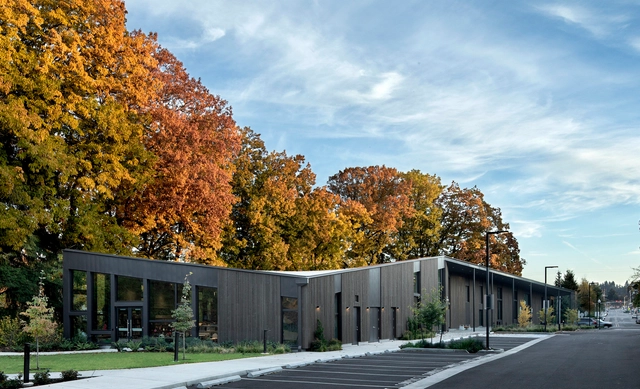
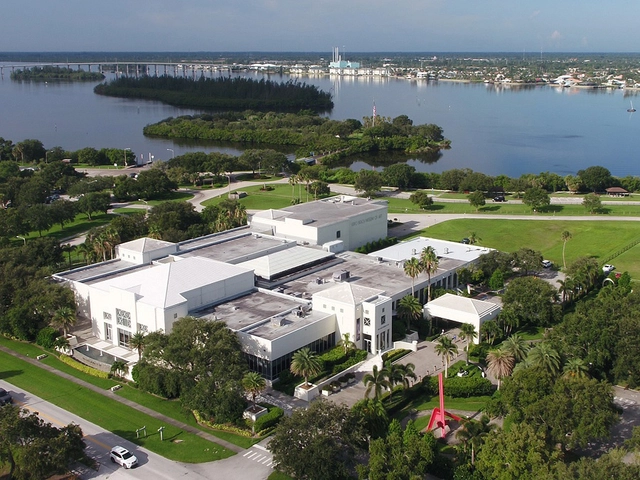
The Vero Beach Museum of Art (VBMA) in Florida has announced the appointment of Allied Works Architecture to lead the expansion and renovation project. The selection process took over nine months and it entailed a line-up of 13 national architectural firms and an eventual short-list. The winning design team will be led by Allied Works founder Brad Cloepfil and Principals Chelsea Grassinger and Gabe Smith. The expansion and renovation process is expected to be completed by 2026.


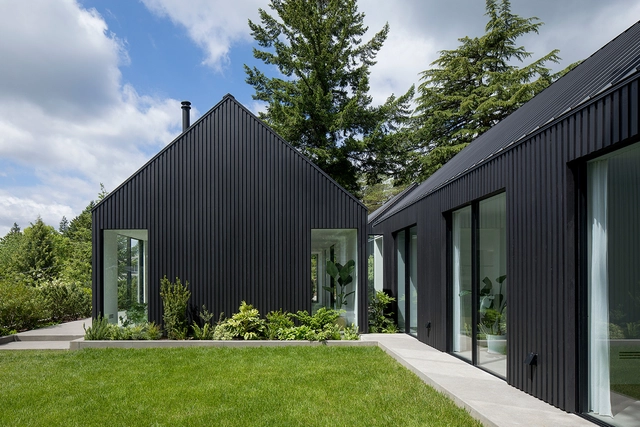

Climbers embrace their own type of architecture. Between barn doors, mantels and multi-pitch routes, rock climbing and bouldering take on a range of surfaces, materials and structures, whether outside or indoors. Today, more recreational centers and sports facilities are including climbing walls as the sport grows in popularity. As spaces to build strength and unwind, climbing gyms are built as their own interior worlds to explore.
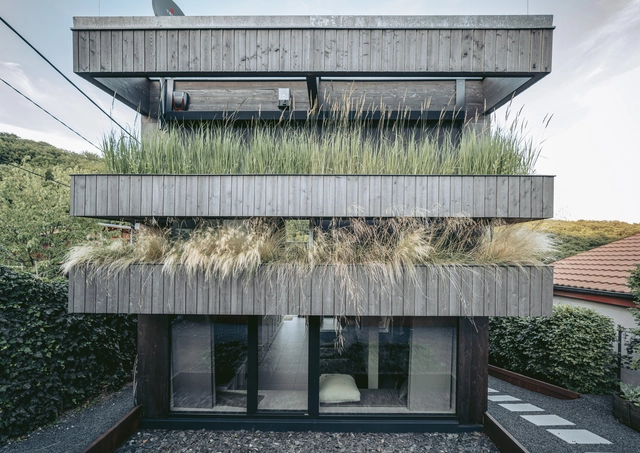
Residential architecture is one of the most popular categories among our readers. In 2021 we published more than 3,800 projects, featuring houses from different regions of the world and offering a variety of solutions, materials, contexts, environments, scales, and typologies. Providing a broad source of inspiration for those seeking references for their own residential project.

"We all have to change our way of thinking now. I want to change my architecture to be even more kind to nature," says Kengo Kuma in this Louisiana Channel interview, where he shares his thoughts on the pandemic's impact on architecture and the environment. The architect discusses the collective responsibility towards nature and the importance of designing buildings and cities that allow for and encourage outdoor activities.