-
Architects: Daniel Moreno Flores, La Cabina de la Curiosidad, Marie Combette
- Area: 49 m²
- Year: 2019
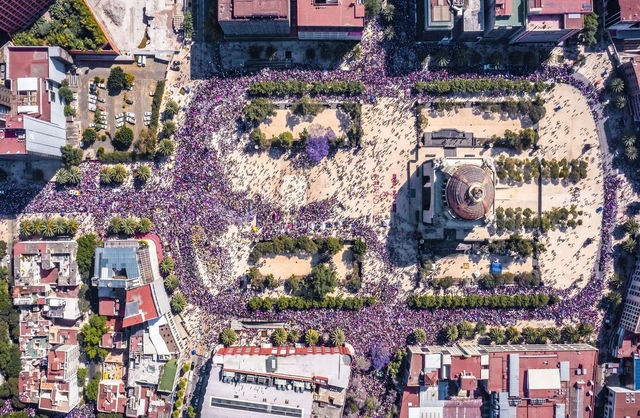
World Architecture Day, celebrated on the first Monday of every October, was set up by the Union International des Architects (UIA) back in 2005 to “remind the world of its collective responsibility for the future of the human habitat”, coinciding with UN-Habitat's World Habitat Day.
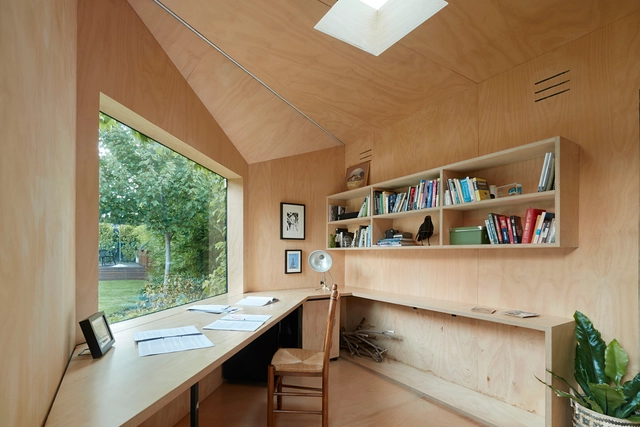
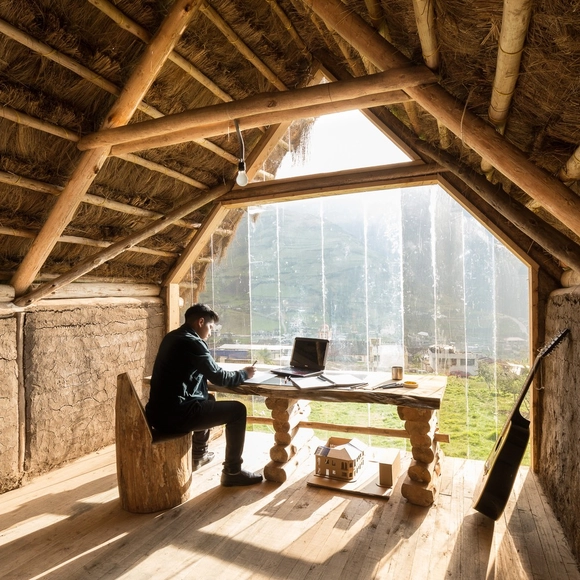
Working from home comes with a flexible schedule, not to mention savings on travel costs, and you can be closer to family. But distractions can make working from home inefficient. It becomes critical to separate the spaces used for living from the ones used for working. Building an addition is, in most cases, the perfect solution.
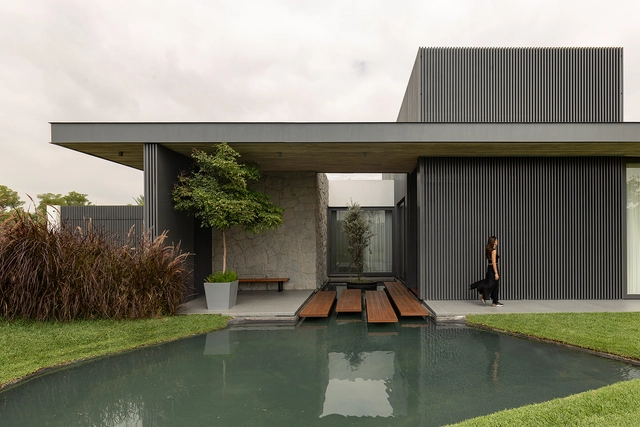
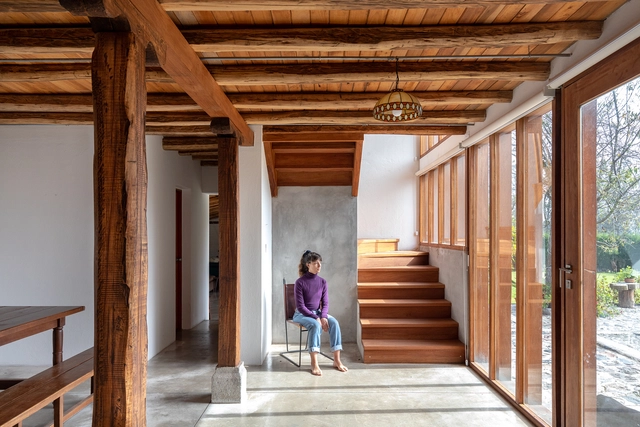
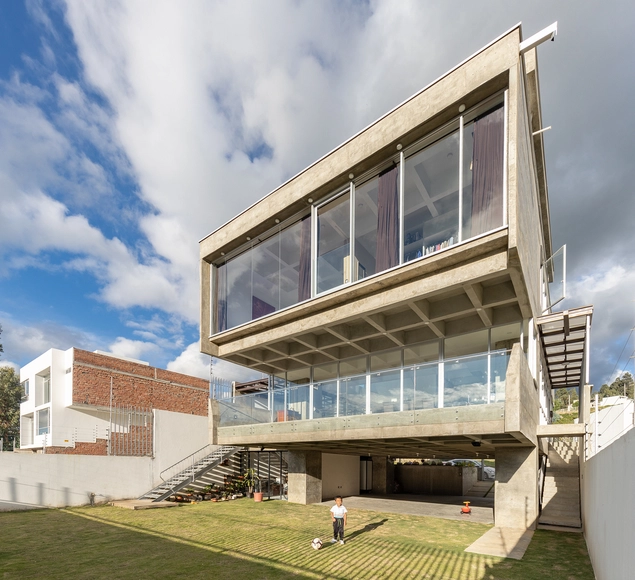
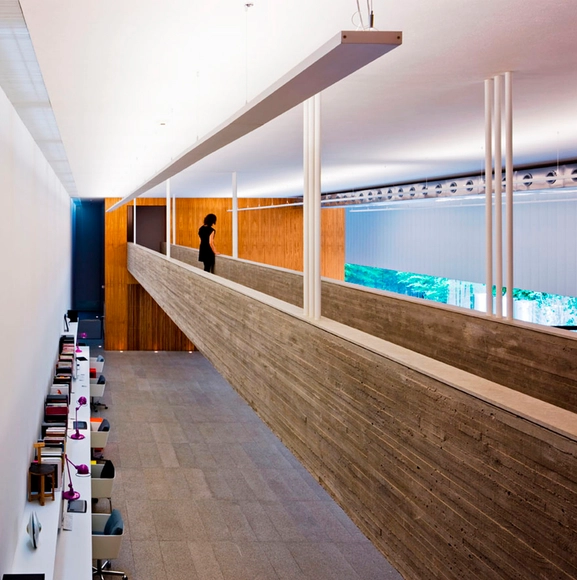
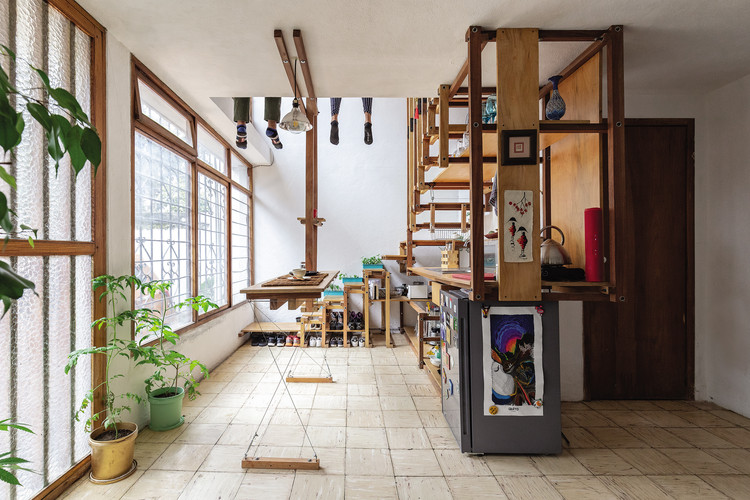
Bridges and walkways are horizontal circulation elements that establish physical connections between the interior or exterior spaces of a project, articulating their layout and, in some cases, bridging existing level changes. These suspended structures enhance visual connections between different levels and, through more dynamic pathways, enable the creation of intentional framing sequences.
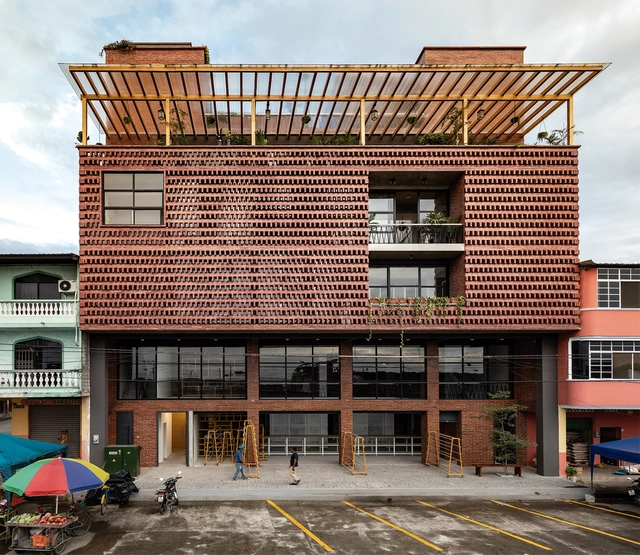
Single family homes are undergoing a quiet transformation in recent years. Increasing land costs, the growth of urban settlements, and the lack of available space for construction have triggered an increase in the development of mixed-use housing. The result is that architects have begun to incorporate more community programs within private residential projects. We can now find homes that integrate commercial, cultural, educational, or industrial uses. This not only provides diversity and efficiency, but also allows surrounding neighborhoods to be revitalized through mixed programs that foster social engagement, interaction and connection.
These type of projects can be created both vertically - in a 2 or 3-story house - and horizontally, using two neighboring lots or around an open space. The following are 12 examples of modern mixed-use homes.
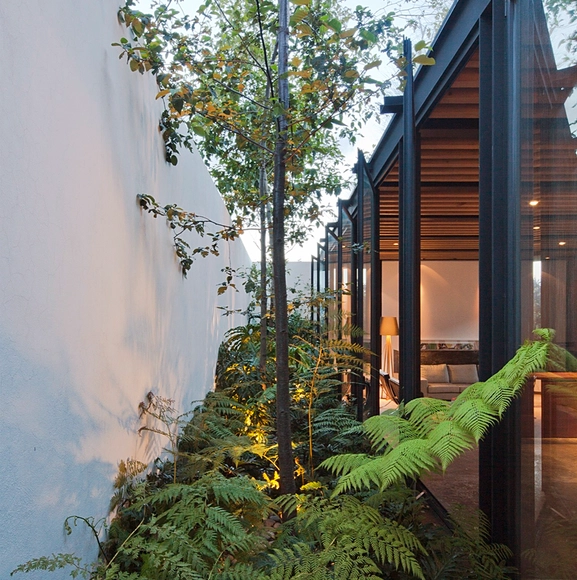
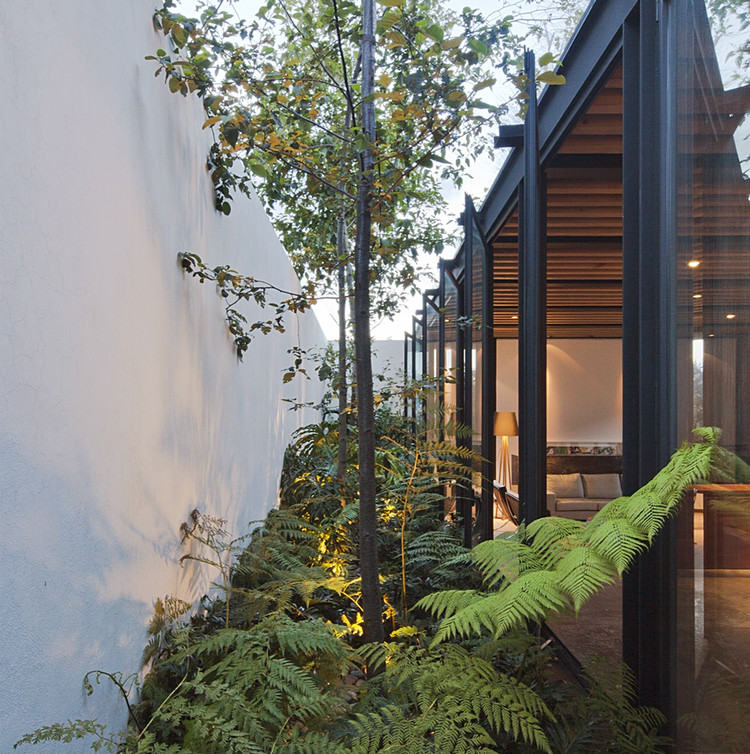
Patios and gardens play a crucial role in a project's planning and layout. In some instances, they serve as organizing elements while in others, they improve the quality of life in a space by providing light, ventilation, and a connection to the outdoors while maintaining the privacy of the inhabitants.

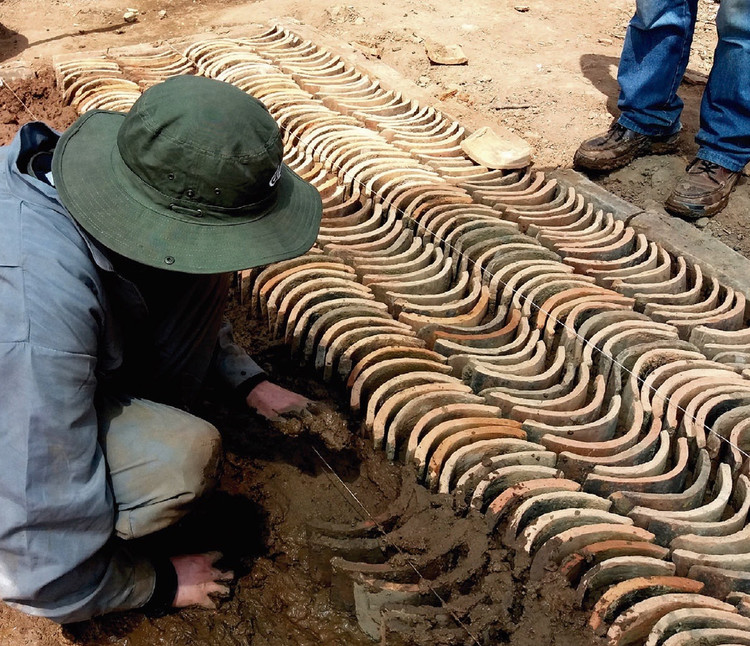
Whether you're looking for an upgrade or to replace broken pieces for floors or walls, tiles are always an effective and readily available option for any project that you have in mind. With their relatively low production cost, tiles are rarely reused or recycled and, if they are, it's usually for their original function.
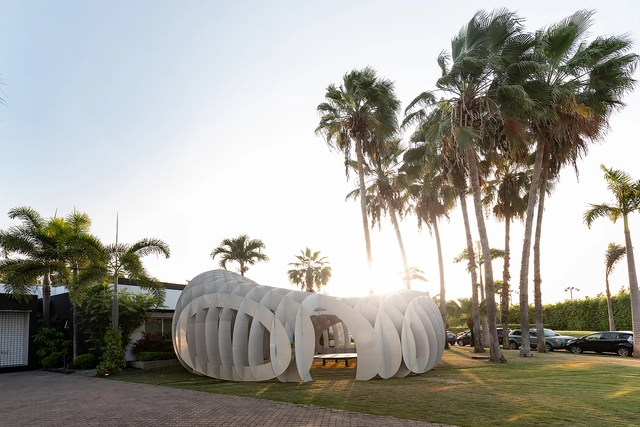

Due to its climate and territorial characteristics, Ecuador possesses an immense diversity of bamboos: it has 6 genera and 42 identified species, of which 11 are endemic. Among them, Guadua angustifolia cane is considered the most important species in terms of abundance and physical and mechanical properties. The indigenous term guadua was used by the native communities of Ecuador and Colombia to designate this species of "native bamboo," which was later renamed "Guadua angustifolia"—meaning "narrow leaf"—and taxonomically belongs to the Poaceae family and the Bambusoideae subfamily. The use of this material is so ancient that, according to the book *Nuevas técnicas de construcción en bambú* (1978), remains have been found in buildings in Ecuador estimated to be 9,500 years old.
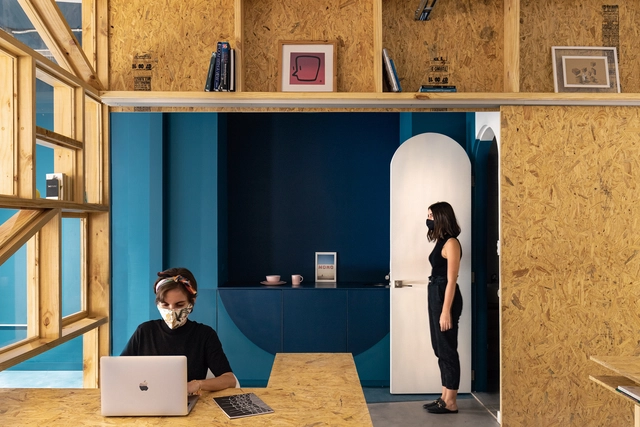

In densely-populated cities, where construction projects tend to require party walls, the close proximity of other buildings complicate even further the process of creating spaces that incorporate elements like natural light and cross-ventilation. But this of course is not the only challenge: the ever-changing and multiplying nature of cities has given rise to atypical lots--properties that have been created by subdividing large swathes of urban land. In general, the reduced dimensions force developers to look for ways to maximize the limited space available to them.
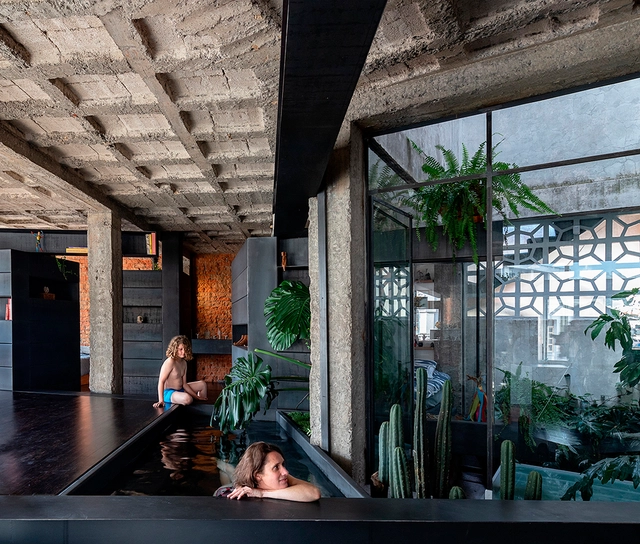
With its wide range of applications and cosmetic properties, concrete is having a moment in the world of architecture. Today, thanks to the ever-moving stream of innovation in concrete production and application, optimal results are now the norm rather than the exception. For architects and builders alike, concrete is an opportunity to explore and experiment with tones and textures, ensuring that there is something for every design and project.
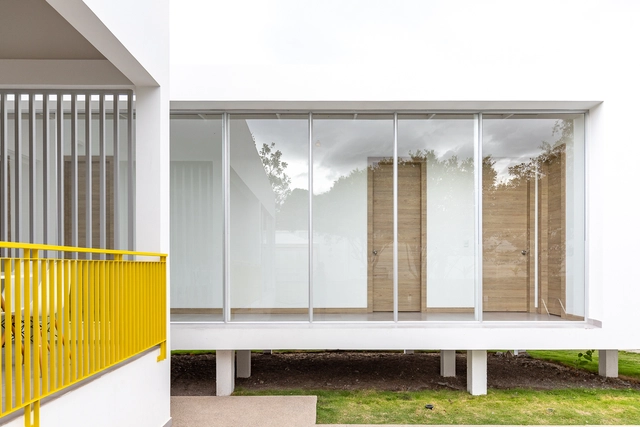
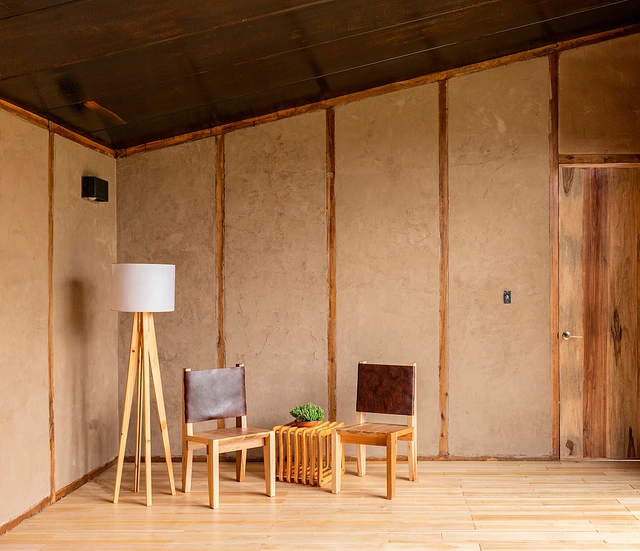
Earth is a material that has been used for building since time immemorial. Its low environmental impact and the variety of techniques available for working with it have enabled its enduring relevance in architectural projects worldwide. Whether using rammed earth, wattle and daub, earthen wall systems, or adobe structures, various contemporary projects rework and reinterpret these traditional methods to shape their spaces.