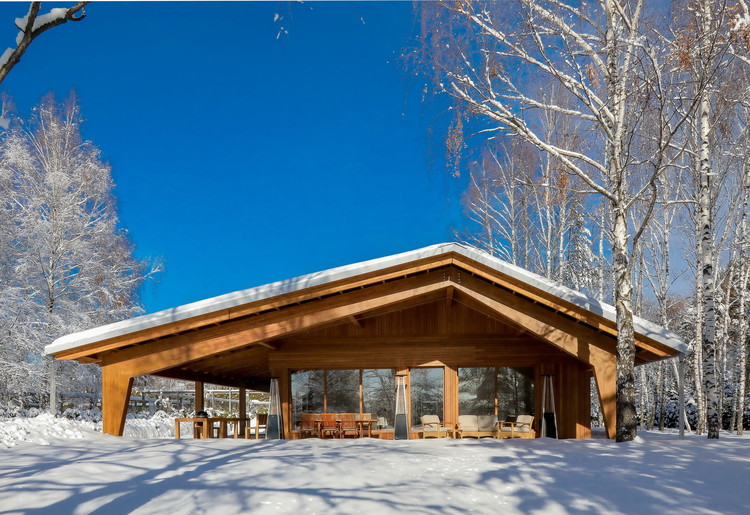
Glued Laminated Wood (Glulam) is a structural material manufactured through the union of individual wood segments. When glued with industrial adhesives (usually Melamine or Polyurethane resin adhesives), this type of wood is highly durable and moisture resistant, capable of generating large pieces and unique shapes.
The functional distribution plays a fundamental role in the contemporary design of offices and places for work. The study of the architecture plan shows an interesting form of approach; not only allows for proper logistics and circulation but find efficient variations and innovations that will enable better workspaces that adapt to the current needs.
We have selected more than 50 plans of projects that will inspire you, recognizing the different ways in which architects have faced the challenge to design offices, in all different scale ranges.
The link between architecture and cinema is unquestionable, as is the magic of seeing a film in a place structured specifically for this contemplative activity. The design requires architectural solutions that not only respond to the distribution of seats and visibility of movie-goers but also to acoustics and lighting.
Various projects published on our site highlight how architects have responded to this challenge in innovative ways. Below, stunning 10 movie theaters with their plans and drawings.
Wine production is an industry that combines robust economic activity with an extensive cultural legacy. Although there are several programs related to the wine sector, we commonly find spaces dedicated to the process of fermenting grapes into wine. However, there are a variety of duties grouped around wine production that play an important role in boosting the industry, such as tasting rooms, education centers, sales rooms, or broadcast. Below, a selection of 27 inspiring projects of wine architecture.
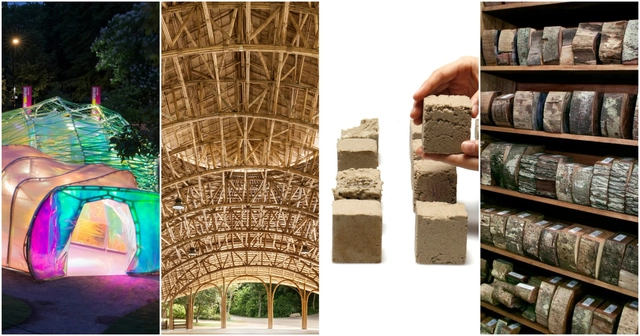
In architecture we are so caught up in creating something new, we often forget about what happens at the end of a building’s life cycle—the unfortunate, inevitable demolition. We may want our buildings to be timeless and live on forever, but the harsh reality is that they do not, so where is all the waste expected to go?
As with most non-recyclable waste, it ends up in the landfill and, as the land required for landfill becomes an increasingly scarce resource, we must find an alternative solution. Each year in the UK alone, 70–105 million tonnes of waste is created from demolishing buildings, and only 20% of that is biodegradable according to a study by Cardiff University. With clever design and a better awareness of the biodegradable materials available in construction, it’s up to us as architects to make the right decisions for the entirety of a building’s lifetime.



.jpg?1573485211&format=webp&width=230&height=230&crop=true)








.jpg?1559705182&format=webp&width=640&height=580)
.jpg?1559705657&format=webp&width=230&height=230&crop=true)
.jpg?1559707000&format=webp&width=230&height=230&crop=true)
.jpg?1559706384&format=webp&width=230&height=230&crop=true)
.jpg?1559707470&format=webp&width=230&height=230&crop=true)
.jpg?1559705182)





.jpg?1539961672&format=webp&width=640&height=580)
.jpg?1539961582&format=webp&width=230&height=230&crop=true)

.jpg?1539961598&format=webp&width=230&height=230&crop=true)
.jpg?1539961754&format=webp&width=230&height=230&crop=true)
.jpg?1539961672)