

-
Architects: OTP Arquitetura
- Area: 150 m²
- Year: 2022


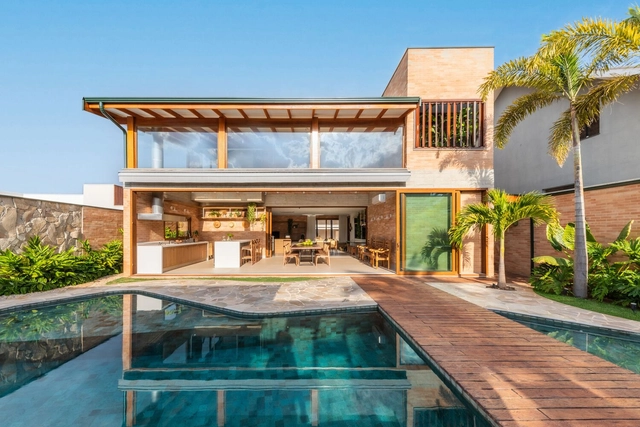
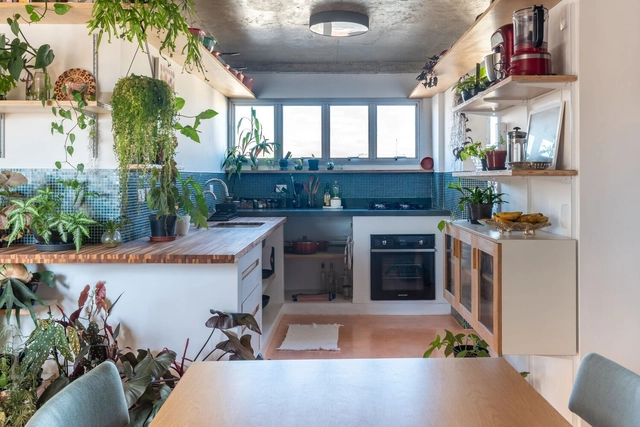
In many cultures, the kitchen has become not only a workspace, but also a meeting place, a social environment where family and friends gather for conversation and meals. Seeking to respond to this transformation from more integrated architectural plans and appliances that also have an aesthetic appeal, as well as practical, the choice of kitchen equipment, such as the stove, is no longer restricted to its technical conditions. Check out how to combine practical, technical and aesthetic aspects when choosing a stove.

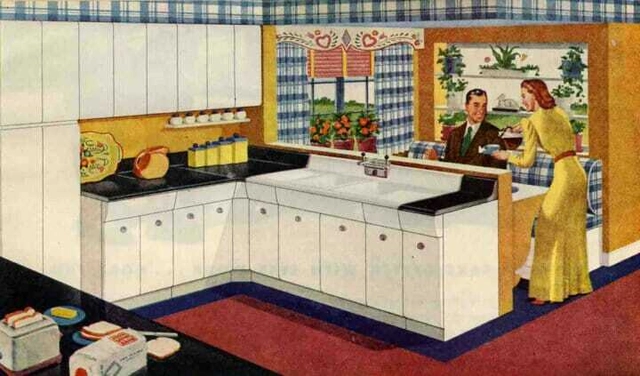
The discovery of fire was one of the great events that changed the social organization of human agglomerations, which gradually passed from nomadic to sedentary lifestyle. Fire, which in that context served to keep people warm and protect the group, was also being explored as a source for cooking food, which not only changed human eating habits, but also made it possible to conserve food, changing the social organization of communities. The preparation and meals were collective acts, which brought people together to feed, warm up and protect themselves. It is from this habit that we inherited the practice of large banquets and the appreciation of food and meal times. Food preparation, on the other hand, was gradually marginalized.
While the Egyptians, Assyrians, Phoenicians, Persians, Greeks and Romans shared the habit of holding large banquets, the preparation gained less and less prestige, losing its collective social dimension until it was physically segregated in a specific room: the kitchen.
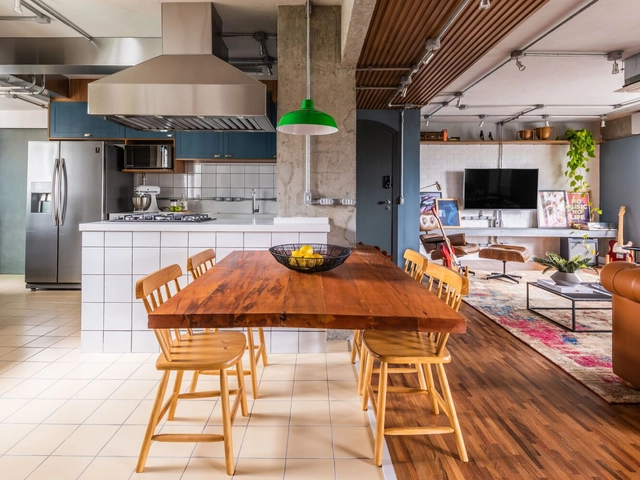
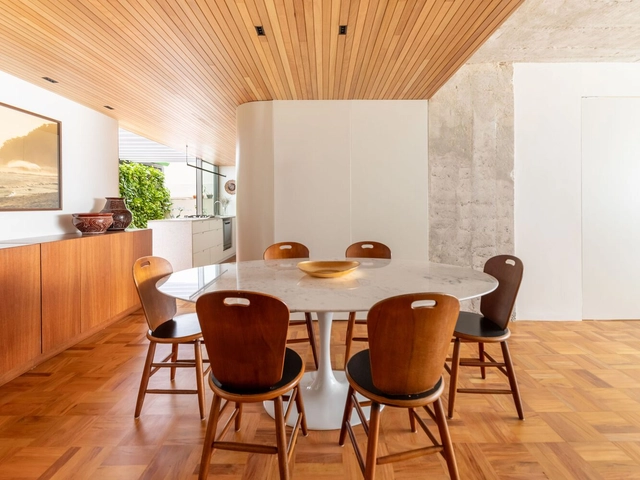
The floor is one of the largest areas of coverage of an environment, and therefore, its choice goes through several criteria related to both aesthetic and visual identity issues, as well as technical issues of resistance and maintenance. It is common to use different floors for areas with different uses and often this transition is not marked by walls or doors. Next, we will bring you tips on how to make this transition harmoniously when there is no physical boundary between the floors.
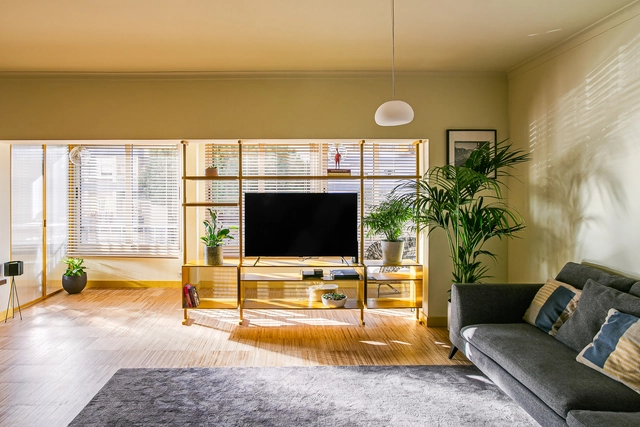
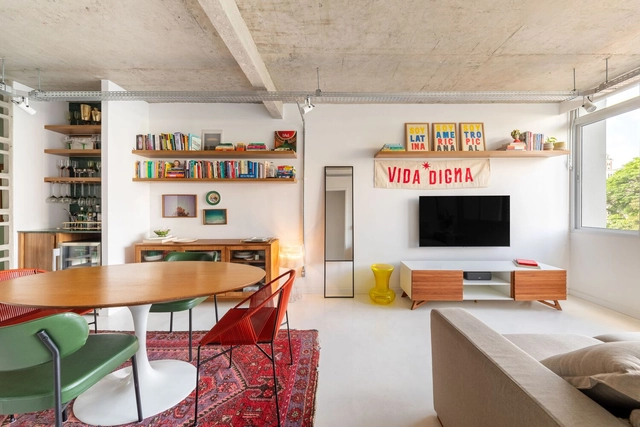
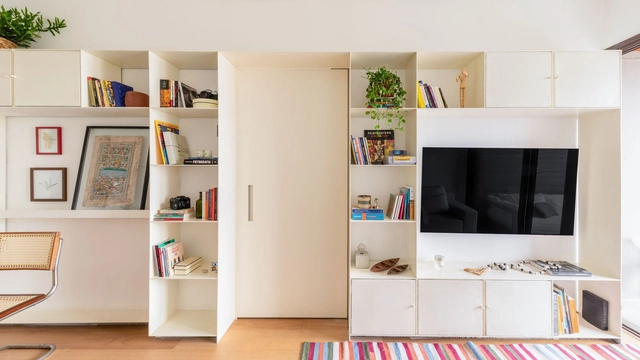
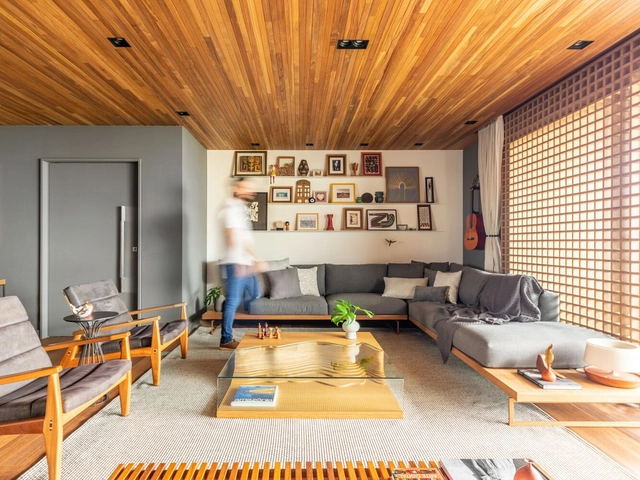
The TV is one of the main elements that make up the living room, especially in most Brazilian homes, where the living room is the place both for receiving visitors and for enjoying rest and leisure. However, it is not always easy to position this equipment, which varies so much in size and especially to combine it with the rest of the space.
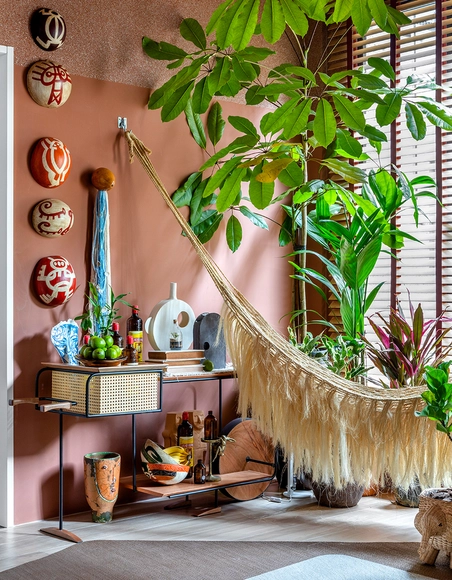
Hammocks are an undeniable passion and an iconic design element in Brazil and are key pieces of furniture in many Brazilian homes. In small houses or apartments, however, hammocks can often be difficult to place in the room. This article shows examples of how to include hammocks in architectural projects and ideas to inspire you to hang one in your apartment.