

-
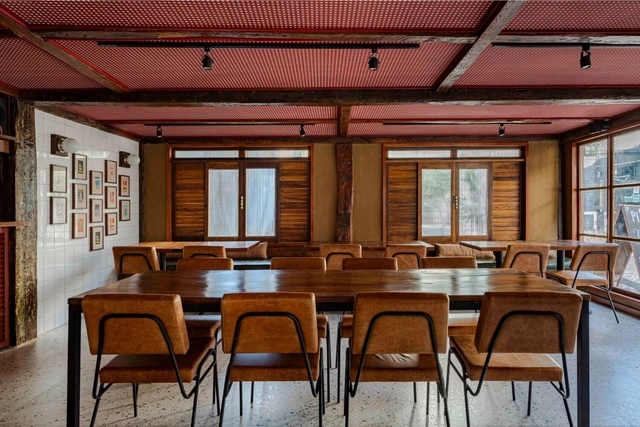
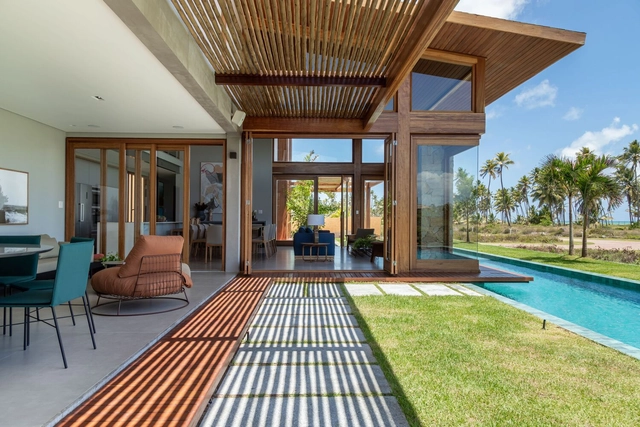
Architects: FRS Arquitetura
- Area: 120 m²
- Year: 2024
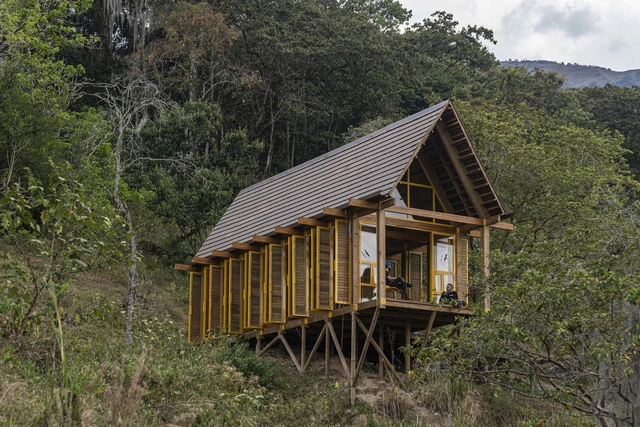
Each year, the ArchDaily Curatorial team reviews the projects that resonated most with our readers, identifying the architectural trends and design approaches that captured the greatest attention throughout the year. Across our local sites – ArchDaily Brasil and ArchDaily en Español – residential architecture remains the most popular category, with projects built in Latin America standing out year after year.
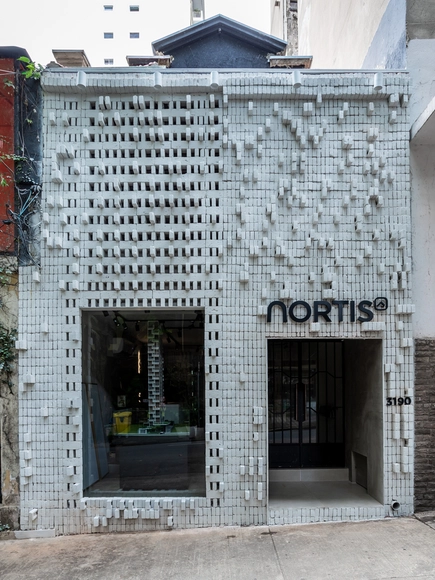
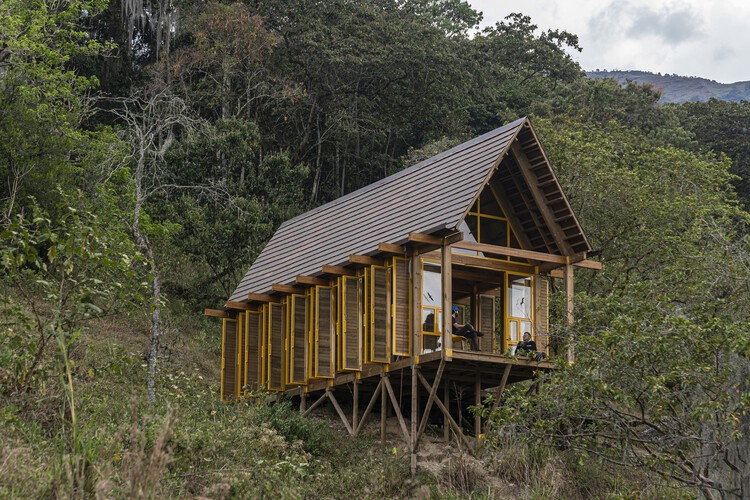
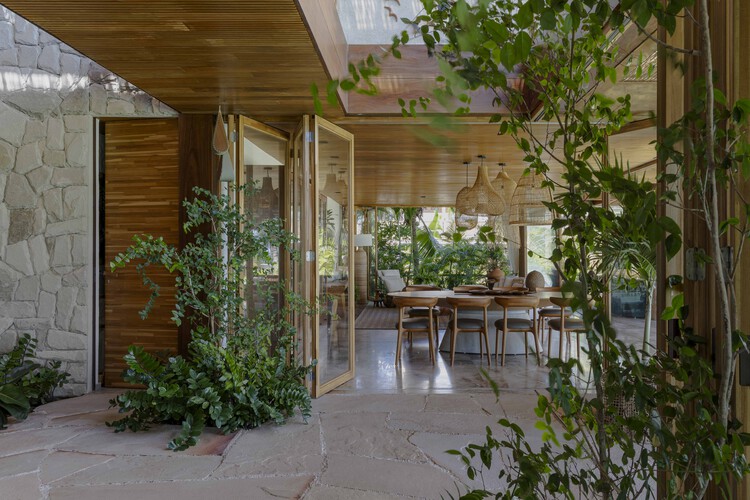
This year's selection of Best Latin American Houses brings together both renovations and ground-up projects, covering reinterpretations of local construction techniques and innovative architectural responses. The works are set in a wide range of contexts, from dense urban environments to rural and coastal landscapes.
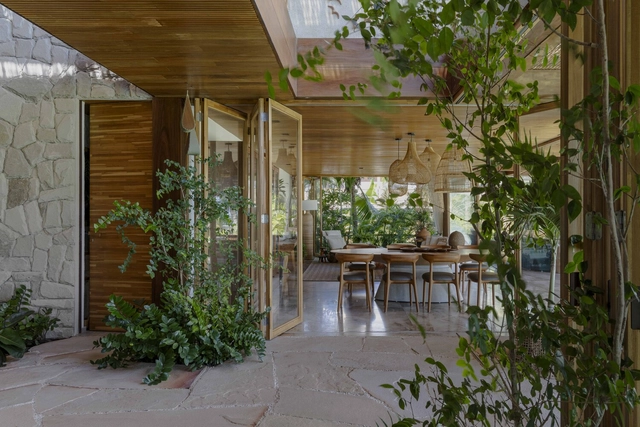
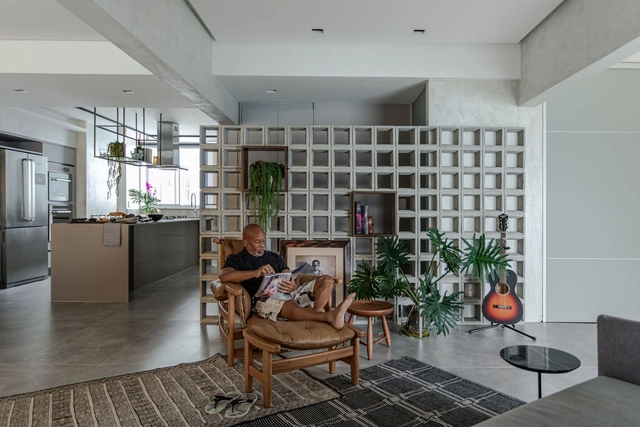
In early 2020, along with the implementation of worldwide social isolation measures, we published several articles in order to help our readers increase productivity and comfort in their home offices. After months of continued isolation, surveys show that more than 80% of professionals want to continue working from home even after quarantine ends. In addition, a good number of companies are similarly satisfied with current work practices, showing a high tendency to adopt this practice indefinitely, since the majority of companies observed that remote work was as or more productive than face-to-face work.
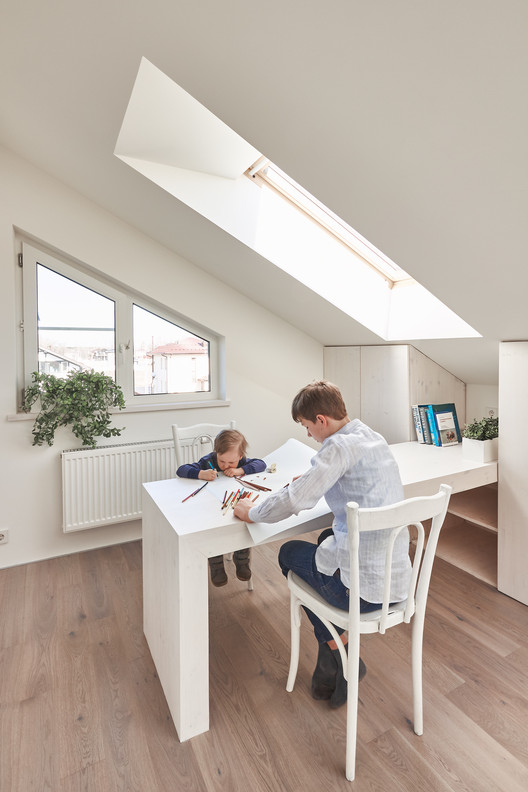
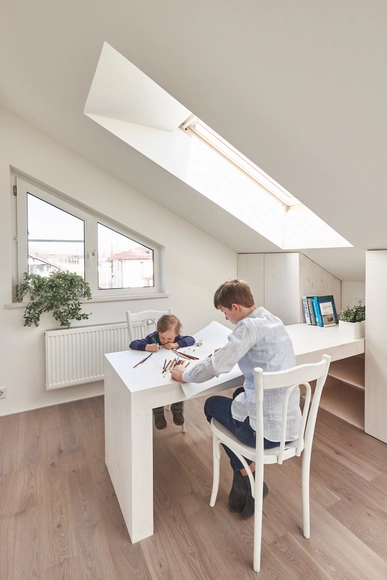
However, with respect to children and home studying during the pandemic, the result was not as positive. One of the main reasons for this difference is that it can be difficult to get students to concentrate and motivate themselves for a long time in front of screens. Lack of physical interaction with other children is also a contributing factor. Yet until the global situation improves, it is likely that the return to schools will continue to be postponed. With this situation in mind, we decided to share in this article a series of efficient strategies to transform study spaces at home into better spaces for learning.