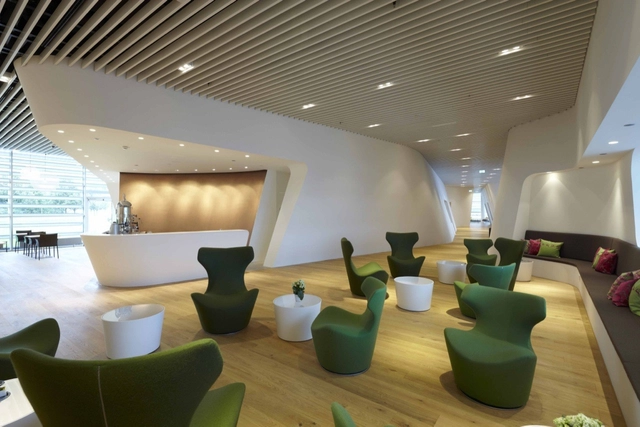
German design has become synonymous with accuracy, efficiency and precision. While the stereotype has roots in geography and local culture, the country's built environment reflects an affinity for structure, privacy and order. Combined with influences across Europe, Germany's contemporary architecture showcases refined forms and an emphasis on craft.
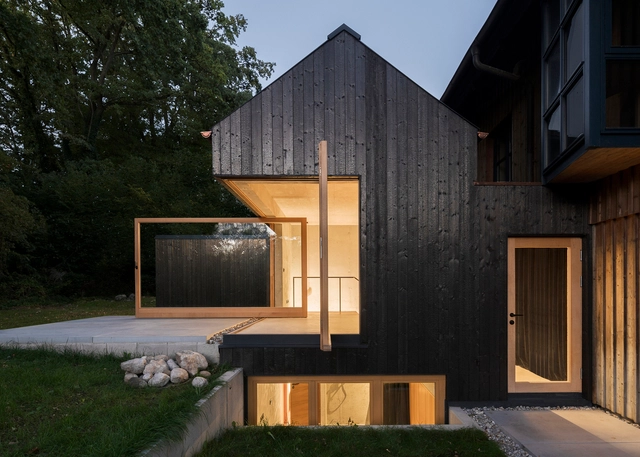
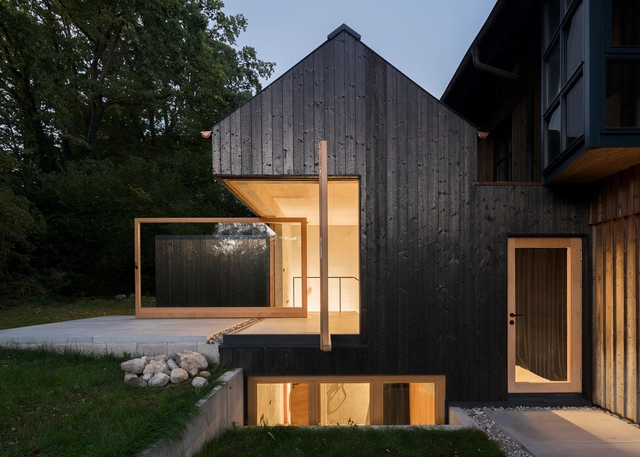
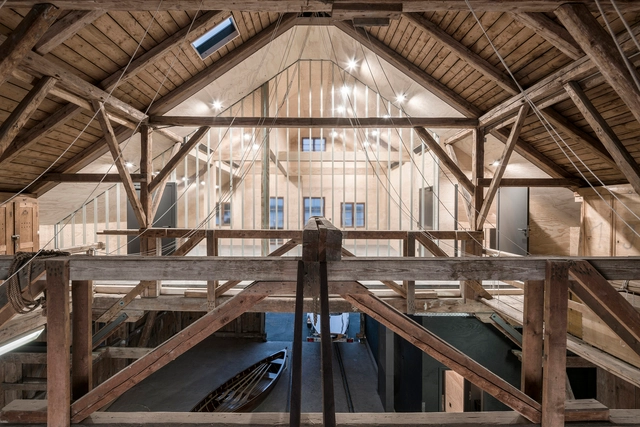
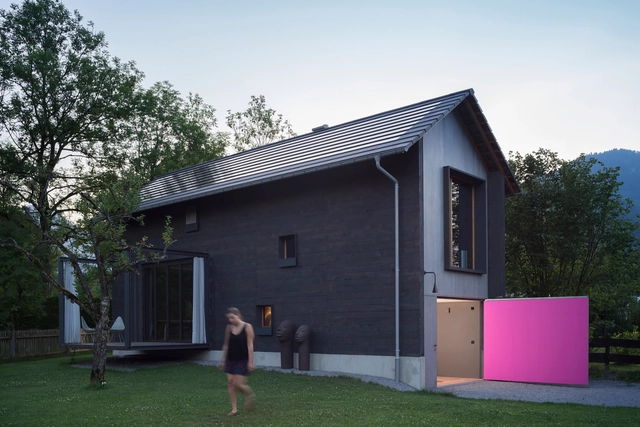
Text description provided by the architects. Rural areas in Germany are often characterized by urban sprawl, faceless villages and generic detached houses. This is especially the case for the eastern shore of Lake Ammersee, which lies inside Munich metropolitan region. A contrast is formed by a small black house that stands out from its surroundings solely on account of its carbonized facade. Unlike typical detached homes it is located between two existing houses an office building and a multifamily home. And although it directly adjoins the latter it does consciously distinguish itself from its setting, so that it is perceived as an independent building. In this manner, a further element is added to the existing heterogeneous ensemble.
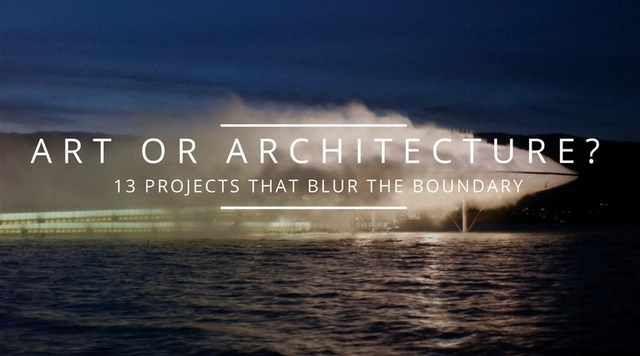
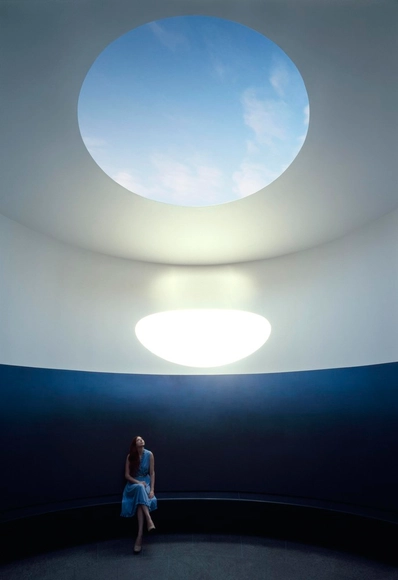
Whether architecture is a form of art or not has often been a controversial topic of conversation within the architecture world. If one goes by the general definition of the word "art," architecture could potentially fit within the umbrella term: "the expression or application of human creative skill and imagination, typically in a visual form such as painting or sculpture, producing works to be appreciated primarily for their beauty or emotional power." As anyone involved in the architectural discipline probably knows, there is an abundance of varying definitions of the word "architecture," so whether its primary purpose is to achieve beauty or to organize space is evidently up for discussion.
Ask Jay A. Pritzker, founder of the Pritzker Prize, and he may say that "architecture is intended to transcend the simple need for shelter and security by becoming an expression of artistry." Ask The Guardian's Jonathan Jones and he may tell you that "architecture is the art we all encounter most often, most intimately, yet precisely because it is functional and necessary to life, it's hard to be clear about where the 'art' in a building begins." But this ambiguity is part of what makes the field of architecture challenging and exciting. To celebrate this complicated aspect of architecture, below we have collected a list of just some of the works that could be seen as art, architecture or both, depending on who’s looking, to provide some context to those blurry boundaries.
As you might have heard, ArchDaily is celebrating our 5th birthday today! We decided it was time to get a bit nostalgic and look back at the projects of yesteryear, the ones that struck a chord with you, our ArchDaily readers, and helped us get to where we are today.
So, with no further ado, the 20 most visited projects in ArchDaily history! Beginning with....
See our 20 most popular projects of all time, after the break...
















.jpg?1427171842&format=webp&width=640&height=580)
.jpg?1427171890&format=webp&width=230&height=230&crop=true)
.jpg?1427172337&format=webp&width=230&height=230&crop=true)
.jpg?1427172668&format=webp&width=230&height=230&crop=true)
.jpg?1427172027&format=webp&width=230&height=230&crop=true)
.jpg?1427171842)




.jpg?1362687201)