In a recent interview with Louisiana Channel, acclaimed Japanese architect Shigeru Ban shared his perspectives on architecture, his journey in the field, and his dedication to socially responsible design. Known for his innovative use of materials such as paper and timber, Ban has spent much of his career creating solutions for disaster-stricken communities and displaced populations around the world.
"I Am Disappointed in Architects" Shigeru Ban on Socially Conscious Architecture in Louisiana Channel Interview


https://www.archdaily.com/1025839/i-am-disappointed-in-architects-shigeru-ban-on-socially-conscious-architecture-in-louisiana-channel-interviewNour Fakharany
What is Low-Tech Architecture: Comparing Shigeru Ban and Yasmeen Lari's Approaches
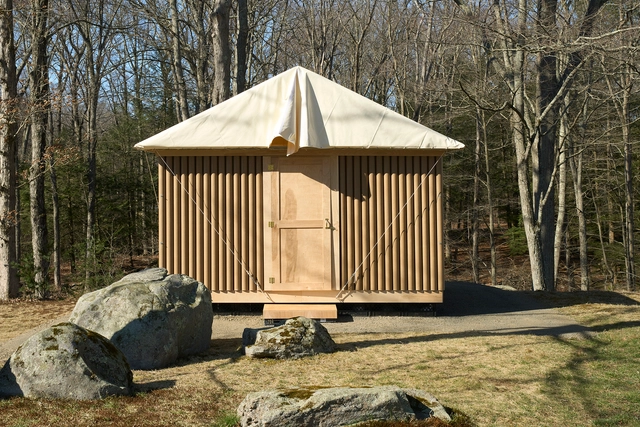
The concept of low-tech architecture recognizes the impact of carbon-intensive technologies and building practices and proposes an alternative: a rediscovery of practical, rational, locally adapted solutions that count on smart design strategies instead of energy-intensive devices to ensure a safe, comfortable living environment. Far from being a regressive approach, the term remains open to innovations but seeks to rebalance the industry's reliance on mechanization. It thus favors an architecture of fewer components, minimized dependence on high-tech solutions, and a preference for low-embodied carbon materials.


https://www.archdaily.com/1017671/what-is-low-tech-architecture-comparing-shigeru-ban-and-yasmeen-laris-approachesMaria-Cristina Florian
From Paper Tube Shelters to Timber Innovations: Shigeru Ban's Complete Works Explored by Philip Jodidio for Taschen
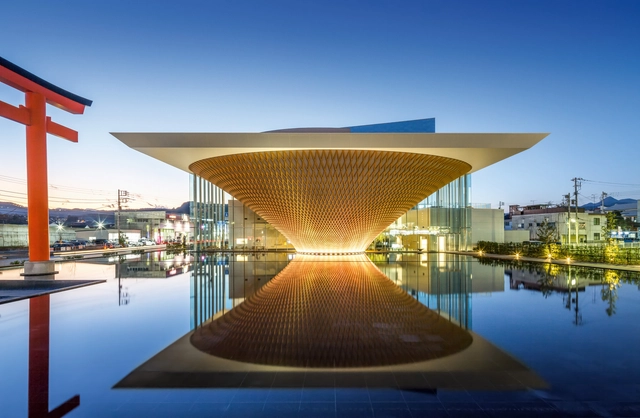
Japanese architect Shigeru Ban stands out in the architectural world for his commitment to socially responsible design, his eagerness to respond to disaster-related emergencies, and his creativity in adapting solutions to local conditions. He pioneered the use of materials such as paper and cardboard, employing them to create high-quality low-cost shelters and even community amenities such as churches, containers for creating a Nomadic Museum, and mass timber to push the possibilities of responsible design. The works of the Pritzker Prize laureate are now explored in the latest monography by Taschen, “Shigeru Ban. Complete Works 1985–Today” led by author Philip Jodidio. The multilingual edition features texts in English, French, and German, and will become available on June 14, 2024.


https://www.archdaily.com/1017271/from-paper-tube-shelters-to-timber-innovations-shigeru-bans-complete-works-explored-by-philip-jodidio-for-taschenMaria-Cristina Florian
The Tropical Architecture of Monsoon Asia
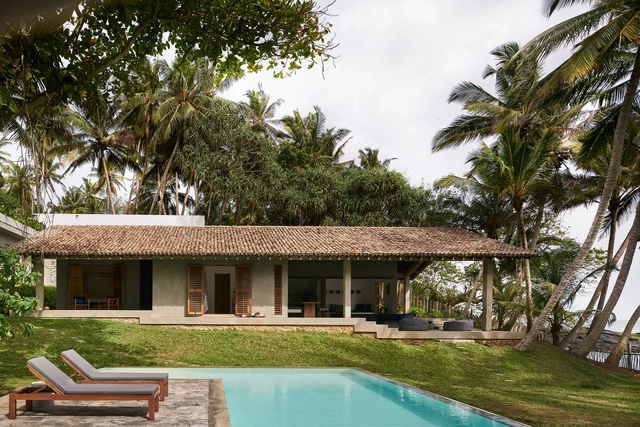
Tropical architecture, a term widely used in architectural discourse, lacks a consistent definition. The adjective ‘tropical’ relates to the zone between the Tropics of Cancer and Capricorn, which covers more than 40% of the earth’s surface. Heat is possibly the only shared characteristic of this belt. The tropical zone holds a range of climates from arid to wet, as well as a variety of geographic, social, and economic contexts. Unlike in temperate or arctic zones, a single umbrella term is used to describe the architecture of the tropics.


https://www.archdaily.com/999602/the-tropical-architecture-of-monsoon-asiaAnkitha Gattupalli
Architectural Responses to Humanitarian Crises Beyond Designing Buildings
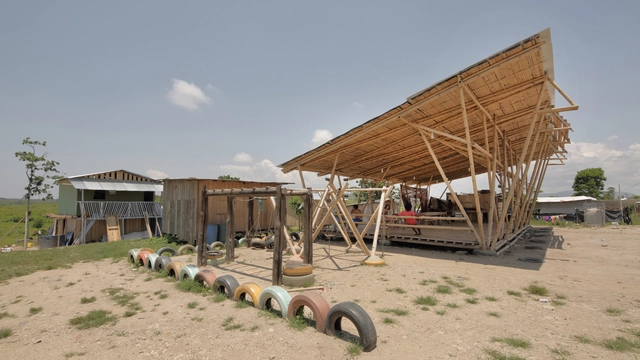
Following decades of ongoing socio-cultural and economic crises across the globe, the design community has realized that it is time to “design like they give a damn”. And with that, they embraced a movement that saw architects and designers use their acquired skills to develop design-based solutions to humanitarian crises, ranging from building modular housing and mapping landscapes, to developing mobile applications and documentaries, all from an altruistic standpoint. But since pro bono work is not yet ingrained in the ethos of architecture, how have architects broken out of the traditional model of “corporate” architecture and established a way to ensure ethical responsibility for human welfare?
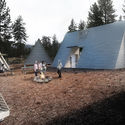
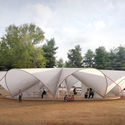
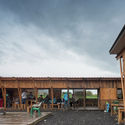
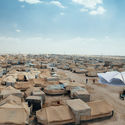

https://www.archdaily.com/976502/architecture-philanthropy-and-the-responses-to-humanitarian-crises-beyond-designing-buildingsDima Stouhi
The Humanitarian Works of Shigeru Ban

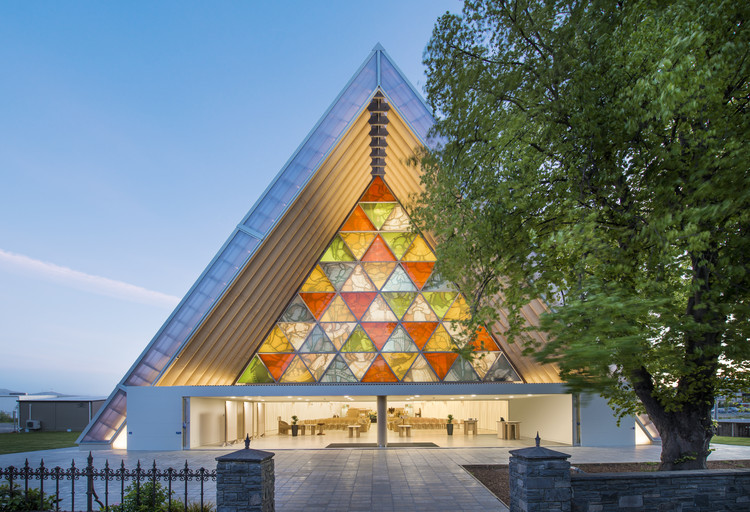
2014 Pritzker Laureate Shigeru Ban may be as well known for his innovative use of materials as for his compassionate approach to design. For a little over three decades, Ban, the founder of the Voluntary Architects Network, has applied his extensive knowledge of recyclable materials, particularly paper and cardboard, to constructing high-quality, low-cost shelters for victims of disaster across the world —from Rwanda to Haiti, to Turkey, Japan, and more. We've rounded up 10 projects of his humanitarian work, explained by Shigeru Ban Architects themselves.


https://www.archdaily.com/489255/the-humanitarian-works-of-shigeru-banArchDaily Team
Spotlight: Shigeru Ban
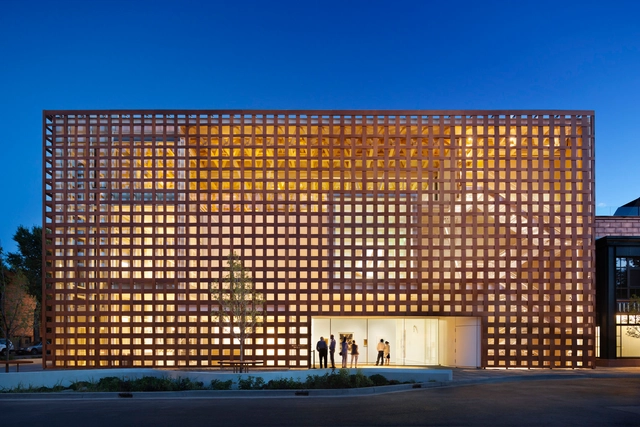
Shigeru Ban (born August 5th 1957) is a Japanese architect who won the 2014 Pritzker Prize for his significant contributions in architectural innovation and philanthropy. His ability to re-apply conventional knowledge in differing contexts has resulted in a breadth of work that is characterized by structural sophistication and unconventional techniques and materials. Ban has used these innovations not only to create beautiful architecture but as a tool to help those in need, by creating fast, economical, and sustainable housing solutions for the homeless and the displaced. As the Pritzker jury cites: “Shigeru Ban is a tireless architect whose work exudes optimism.”



https://www.archdaily.com/792108/spotlight-shigeru-banJan Doroteo
Shigeru Ban to Design Up to 20,000 New Homes for Refugees in Kenya
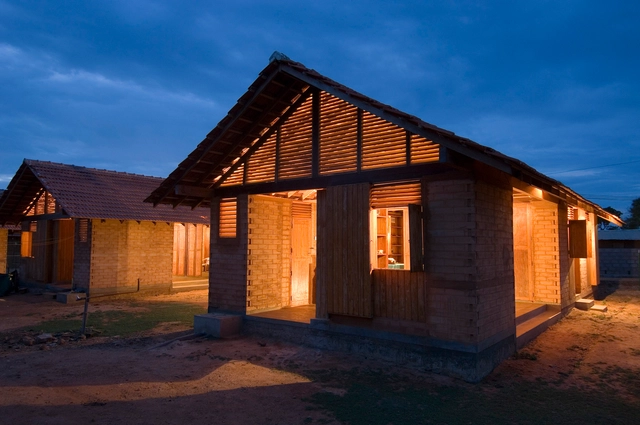
Pritzker Prize winning architect Shigeru Ban has signed an agreement with UN-Habitat, the United Nations agency tasked with guiding sustainable development, to design up to 20,000 new homes for refugees in Kenya’s Kalobeyei Refugee Settlement. Currently home to more than 37,000 refugees, the settlement is quickly outgrowing its original capacity of 45,000 – over 17,000 have arrived this year alone, with numbers expected to continue to increase.
“The key thing will be to design and construct shelter where no or little technical supervision is required, and use materials that are locally available and eco-friendly. It’s important that the houses can be easily maintained by inhabitants.”
https://www.archdaily.com/876070/shigeru-ban-to-design-up-to-20000-new-homes-for-refugees-in-kenyaPatrick Lynch
Six Essential Materials & The Architects That Love Them
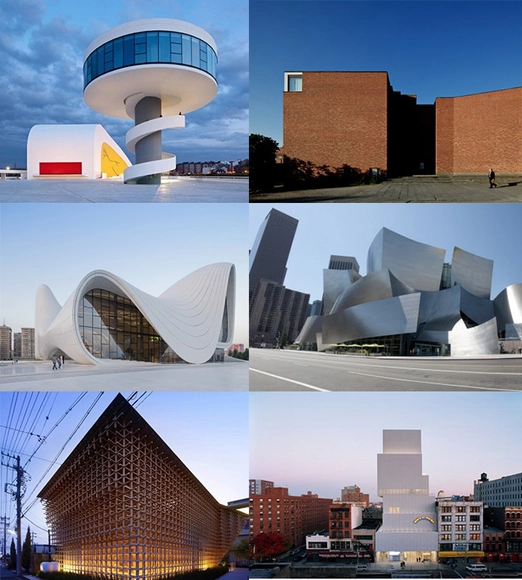
In case you missed it, we’re re-publishing this popular post for your material pleasure. Enjoy!
To celebrate the recent launch of our US product catalog, ArchDaily Materials, we've coupled six iconic architects with what we deem to be their favourite or most frequently used material. From Oscar Neimeyer's sinuous use of concrete to Kengo Kuma's innovative use of wood, which materials define some of the world's best known architects?
https://www.archdaily.com/469825/six-essential-materials-and-the-architects-that-love-themJames Taylor-Foster
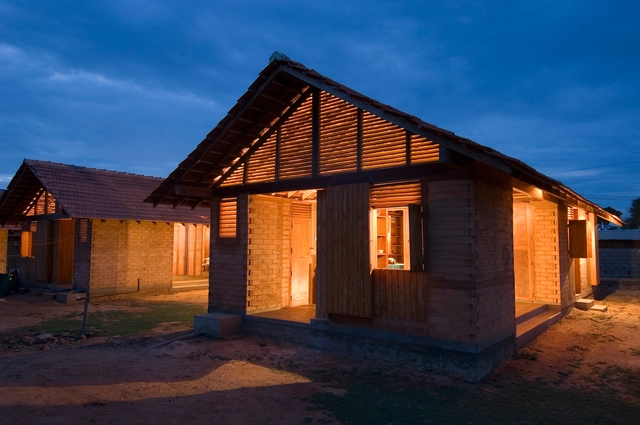
Post-Tsunami Housing / Shigeru Ban Architects


-
Architects: Shigeru Ban Architects
- Area: 71 m²
- Year: 2007
https://www.archdaily.com/368248/post-tsunami-housing-shigeru-ban-architectsNico Saieh