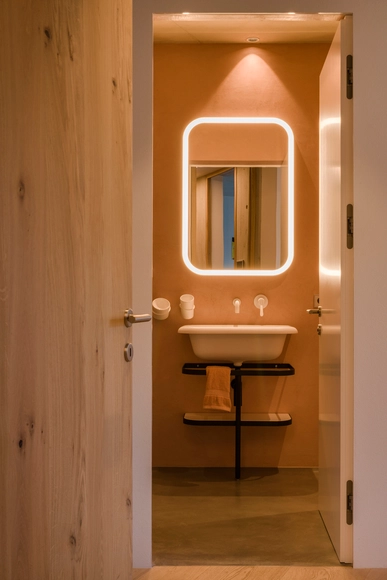
A successful interior design must be paired with a proper lighting design. It is responsible for ensuring that the quantity and wattage of the bulbs are suited to the space based on its dimensions and use.
A successful interior design must be paired with a proper lighting design. It is responsible for ensuring that the quantity and wattage of the bulbs are suited to the space based on its dimensions and use.

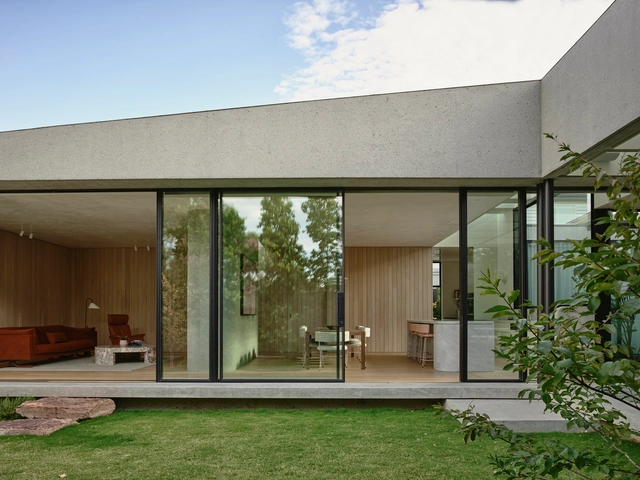
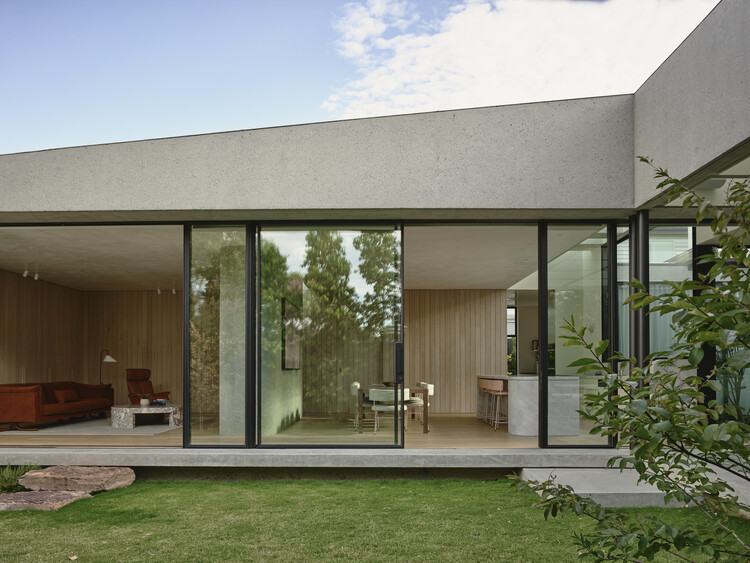
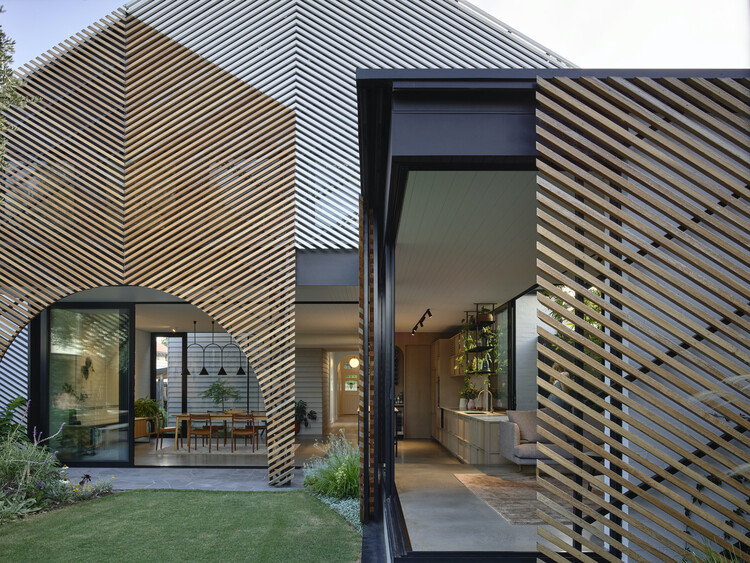
What defines the atmosphere of a home? Beyond material palettes and natural light, sound plays a defining role in how spaces are perceived and inhabited. The reverberation of footsteps across stone, the muted calm of a textile-lined room, or the way music carries through an open-plan interior all shape the sensory identity of domestic space. Architecture is experienced not only visually, but acoustically.
The concept of the "soundscape" describes this relationship between people, sound, and the built environment. In residential architecture, sound is more than background noise or technical performance; it influences privacy, concentration, rest, and emotional comfort. Geometry and materiality act as the primary acoustic conductors: while concrete, glass, and stone reflect and amplify, timber and upholstery soften and absorb. Ceiling heights, circulation paths, and room proportions further shape how sound travels and settles across a space.
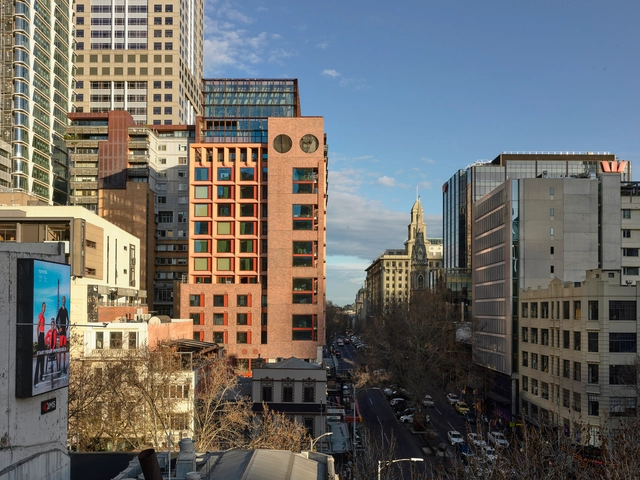
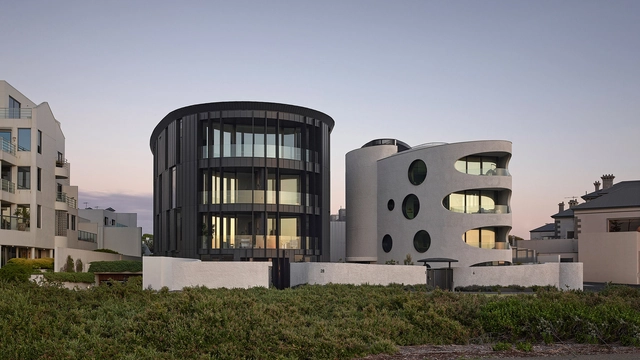

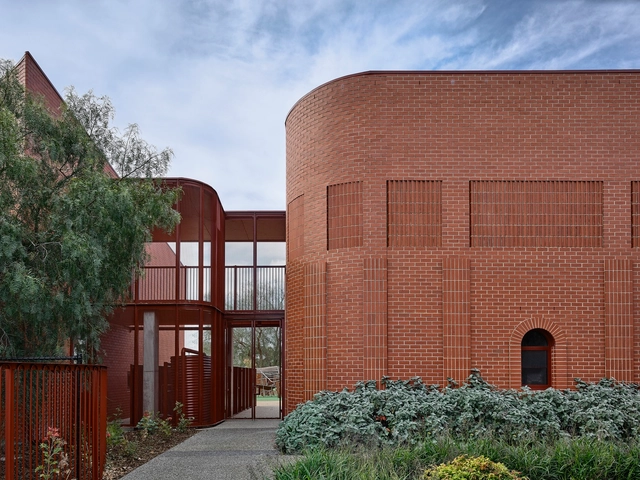
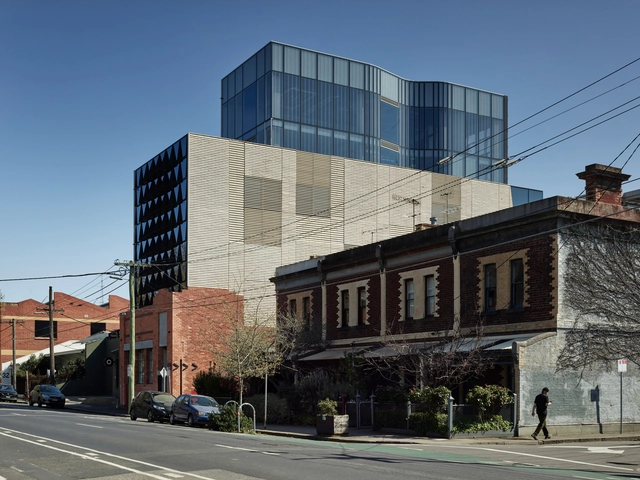
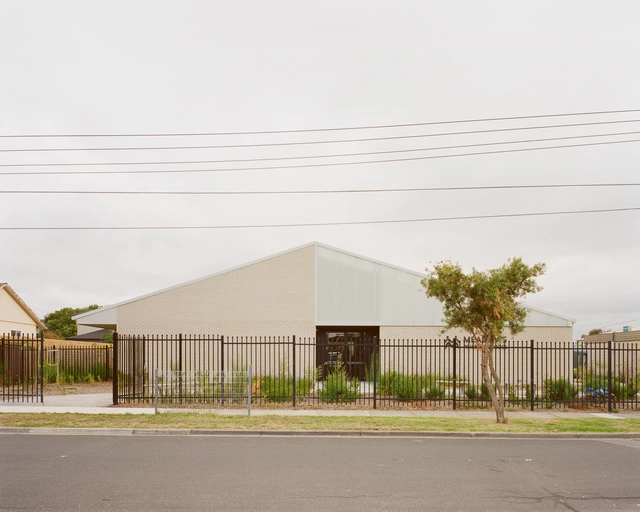
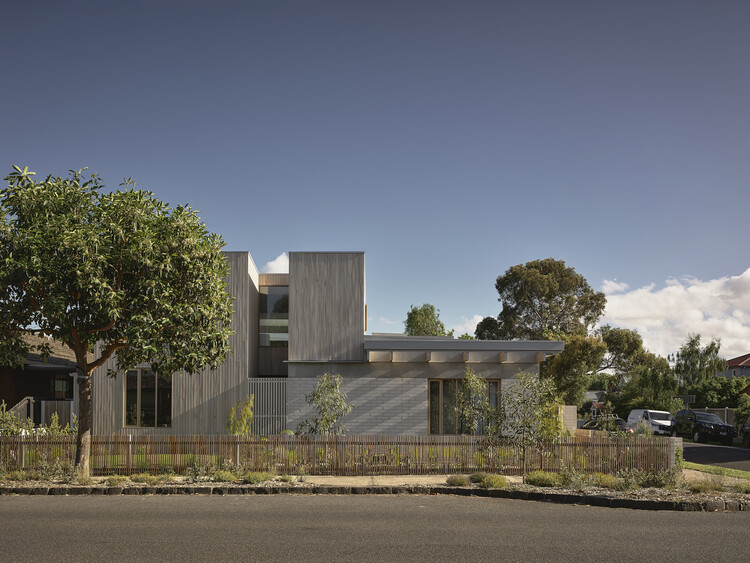
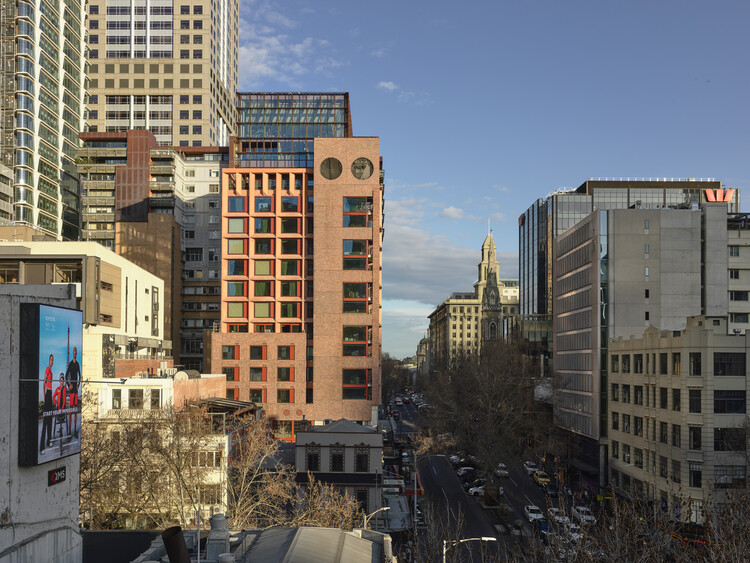
For the third year in a row, Melbourne has been selected as one of the top five most liveable cities in the world. The city is widely viewed as the leading architectural hub in Australia for its unique street culture and diverse design expression, with its layers and bold mix of architectural styles. From the very well-restored Victorian era edifices with their intricate ornamentation and detailing to the adjoining Contemporary landmarks, the city seems to achieve a nice balance of all typologies and design movements, while still being very inviting and engaging to its citizens.
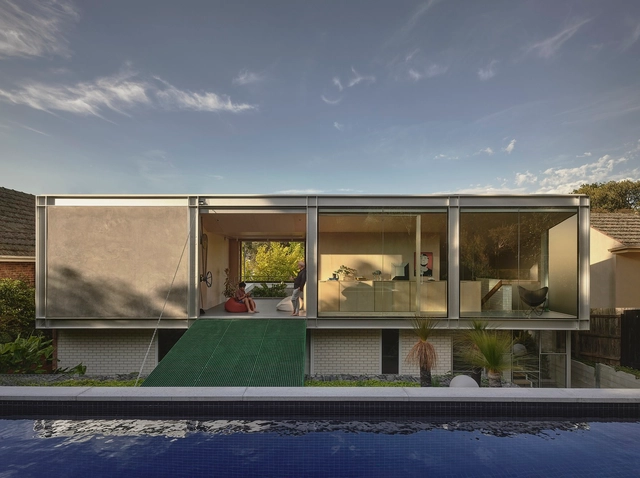
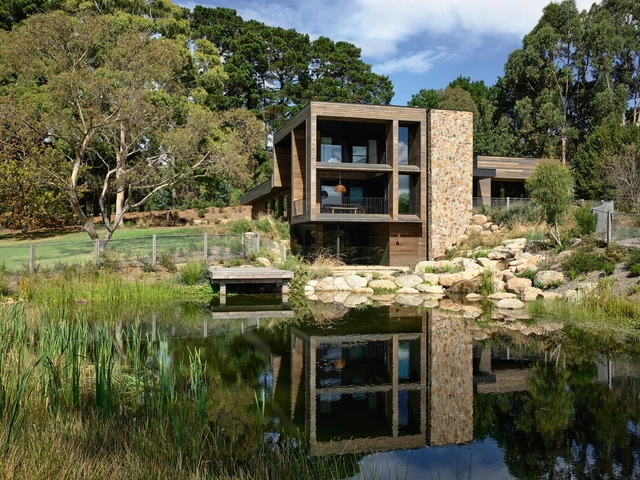
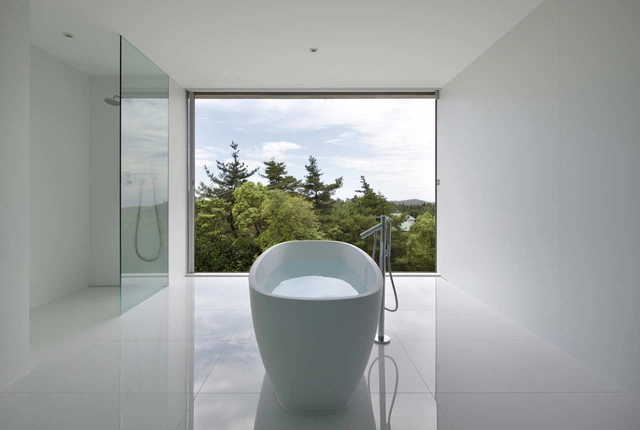
The private space is usually associated with hiding what goes on inside, allowing people to have certain moments of intimacy. Habitually, bathrooms have been designed for this purpose, reducing openings to a minimum or — sometimes — eliminating them completely.
However, being such an important space within a building, bathrooms have become an object of new exploration for architects. By blurring the limits of privacy — without losing it completely — these spaces are open to the outdoors, allowing the breeze to enter. How does this new experience feel? Check out 30 open bathrooms that play with the feeling of exhibitionism, without fully revealing what is happening inside.