

-
Architects: Ecoproyecta
- Area: 308 m²
- Year: 2023
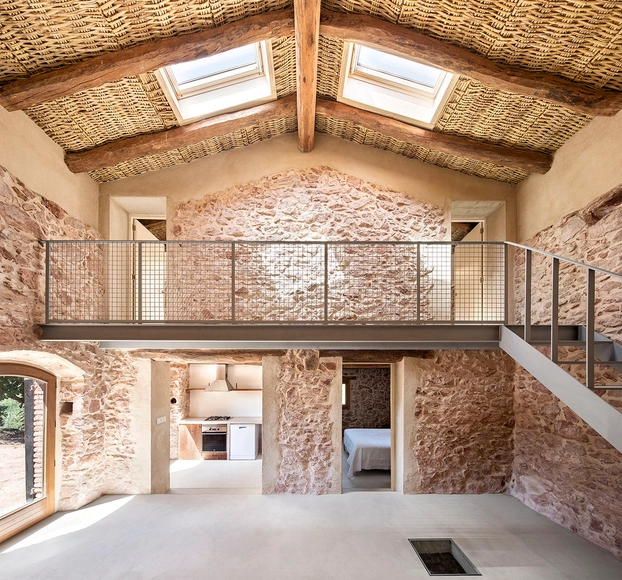
What does architectural restoration, transformation, or renovation entail? What factors are involved in their processes? When delving into the interiors of Spanish homes, we set out to discover the various methodologies, tools, and technical and construction strategies that are often employed, with stone as the main protagonist.
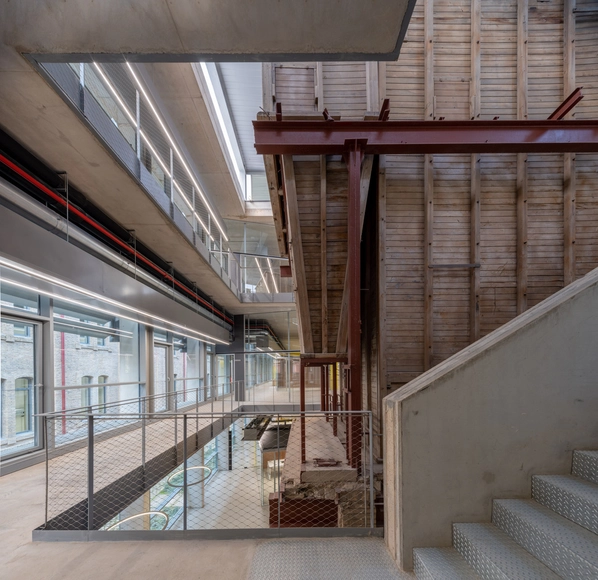
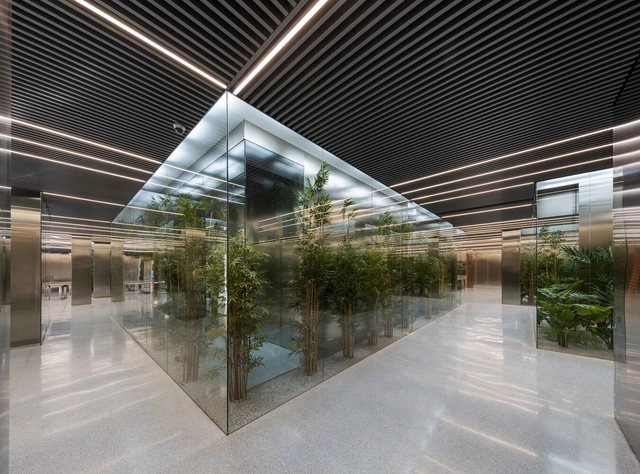

The key to successfully designing or recovering public spaces is to achieve a series of ingredients that enhance their use as meeting places. Regardless of their scale, some important tips are designing for people's needs, the human scale, a mix of uses, multifunctionality and flexibility, comfort and safety, and integration to the urban fabric.
To give you some ideas on how to design urban furniture, bus stops, lookouts, bridges, playgrounds, squares, sports spaces, small parks, and urban parks, check out these 100 notable public spaces.
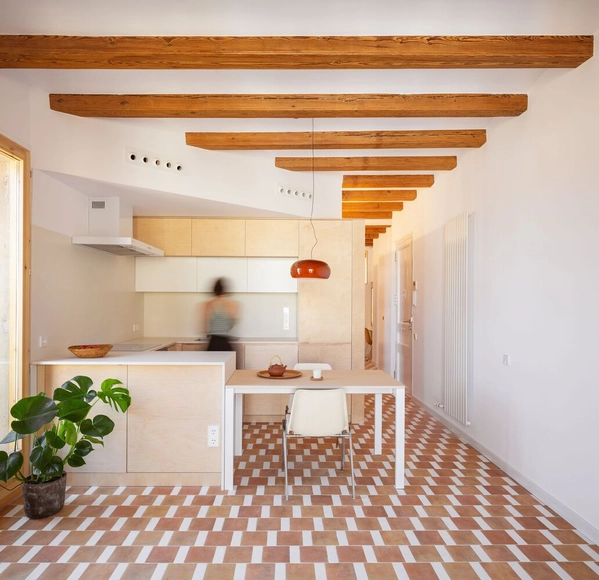
In Spain, the implementation of integrated kitchens in homes has become increasingly common in contemporary architecture. Although there are various configurations and designs that are applied according to the customs and cultures of societies, as we saw in Argentina or Uruguay, the essence of conceiving the kitchen space as a hub of activities and a gathering space among its inhabitants and visitors is a common factor. This has led architects to try to find innovative ways, technologies, or materials that achieve an aesthetic and harmony capable of providing functionality, spaciousness, and flexibility to homes.
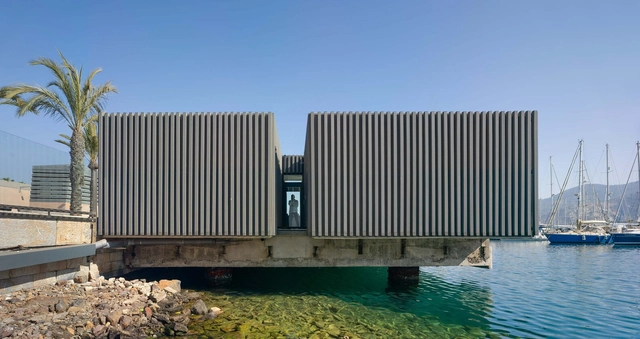
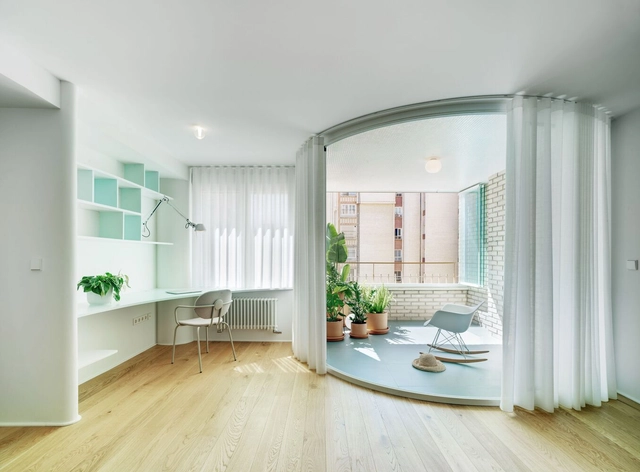
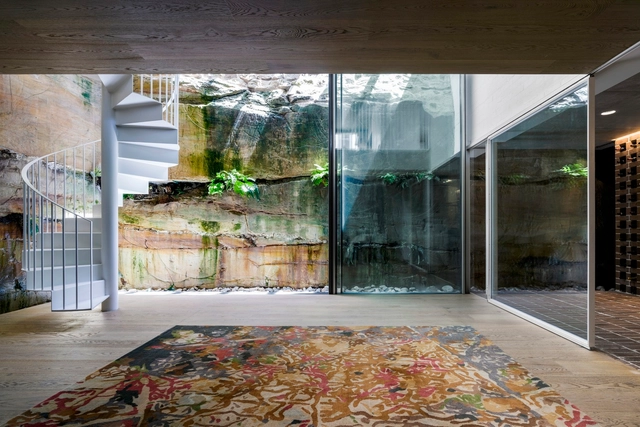
According to the UN, more than 7000 extreme weather events have been recorded since 2000. Just this year, wildfires raged across Australia and the west coast of the U.S.; Siberia charted record high temperatures, reaching 100 degrees Fahrenheit before Dallas or Houston; and globally, this September was the world’s hottest September on record. As the effects of the climate crisis manifest in these increasingly dire ways, it is the prerogative of the building industry – currently responsible for 39% of global greenhouse gas emissions – to do its part by committing to genuine and sweeping change in its approach to sustainability.
One of the most challenging aspects of this change will be to meet mounting cooling demands in an eco-friendly way. Cooling is innately more difficult than heating: any form of energy can become heat, and our bodies and machines naturally generate heat even in the absence of active heating systems. Cooling does not benefit equally from spontaneous generation, making it often more difficult, more costly, or less efficient to implement. Global warming and its very tangible heating effects only exacerbate this reality, intensifying an already accelerating demand for artificial cooling systems. As it stands, many of these systems require large amounts of electricity and rely heavily on fossil fuels to function. The buildings sector must find ways to meet mounting demand for cooling that simultaneously elides these unsustainable effects.

From its outer skin to its structural framing system, a building is made out of many layers. Just like a human body, many of those layers – which tend to be the most crucial, functional components – remain unseen by the public, covered with aesthetic features. Among all the hidden elements, all buildings include sheathing, the outer casing that construction crews place to serve several key purposes: protect the floor, walls, roofs and ceilings, fortify the structure against internal and external forces, and cover the entire framework, giving the building a solid shape.
Wood is the most common material for sheathing, with Oriented strand board (OSB) panels usually being the top choice. Why? Made by compressing and gluing cross-oriented strands of wood together with heat-cured adhesives, OSB boards are lightweight, flexible, strong, versatile and fully recyclable. They also stand out by resisting deflection, warping and distortion, apart from offering some thermal and acoustic insulation. However, besides their good performance and mechanical properties, OSB is especially known for being cheaper than other alternatives, drastically saving both costs and time. In fact, this structural panel can be $3 to $5 less expensive than plywood, which explains why it is often considered its low-cost substitute.
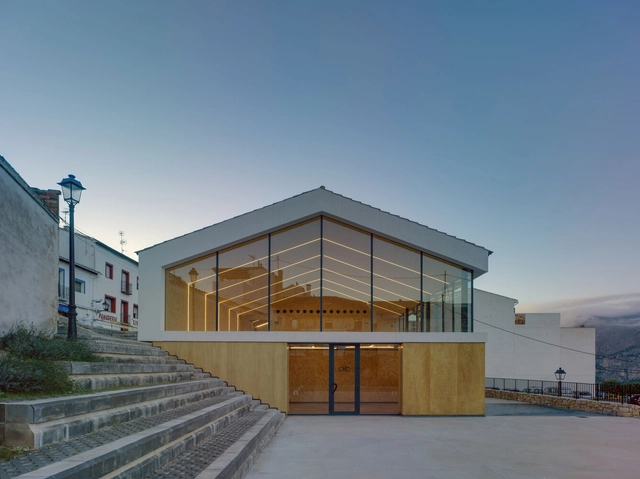


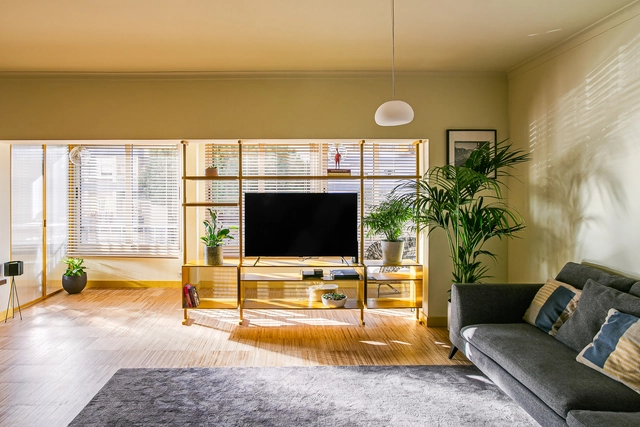
The TV is one of the main elements that make up the living room, especially in most Brazilian homes, where the living room is the place both for receiving visitors and for enjoying rest and leisure. However, it is not always easy to position this equipment, which varies so much in size and especially to combine it with the rest of the space.
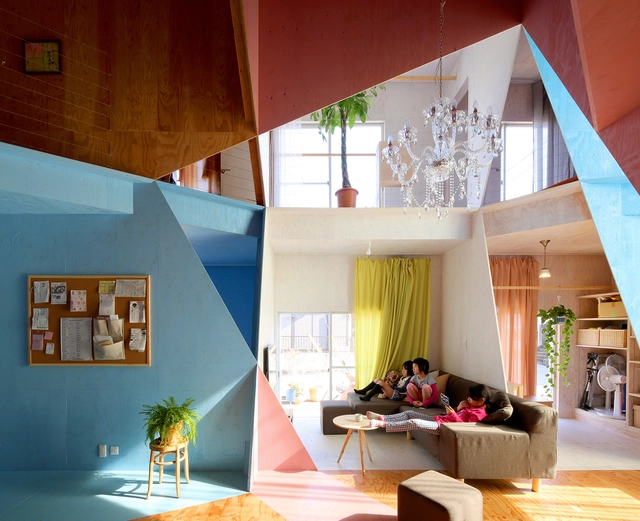
Renovation projects are often perceived as being more limited and therefore less exciting. In this article, we present renovation projects with unexpected solutions that show that it is possible to be creative when adapting and reusing an existing space.
Renovation projects - also called retrofitting, refurbishing, remodeling - are becoming increasingly popular in the market and the practice of architecture, especially after the COVID-19 pandemic.
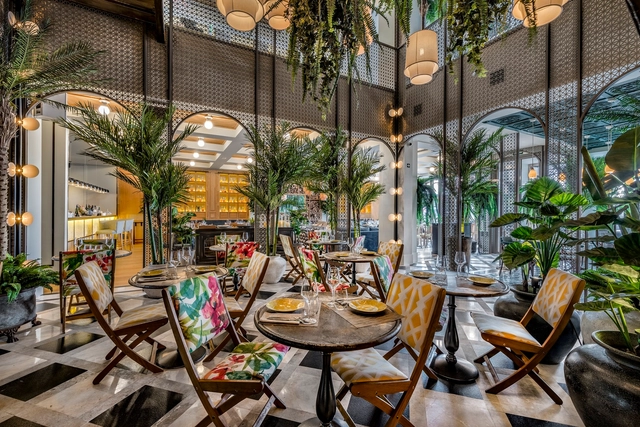
Renovating a space for a gastronomic purpose can be one of the most interesting challenges for an architect, due to the freedom of design that tends to characterize these projects. It allows us to play with cladding materials, lighting, and furnishings to create unique spaces that are both attractive and functional for both the restaurant team and the diners.
We dived into our project library to select 5 restaurants that took advantage of their renovations and complexities to create distinctive spaces, presented by ICEX e Interiors from Spain.