

-
Architects: Architectural Bureau WALL
- Area: 232 m²
- Year: 2021
-
Manufacturers: Wienerberger, Centrsvet, Nayada, Pratta, Tochka Sborki
.jpg?1611142088&format=webp&width=640&height=580)

During the first days of the quarantine, we noticed a drastic change throughout the world's cities—streets, plazas, and parks deserted and devoid of life, putting into perspective the powerful effect that humans have on urban spaces. Here, we have compiled a list of projects and spaces that show just how humans bring life to the places they inhabit.
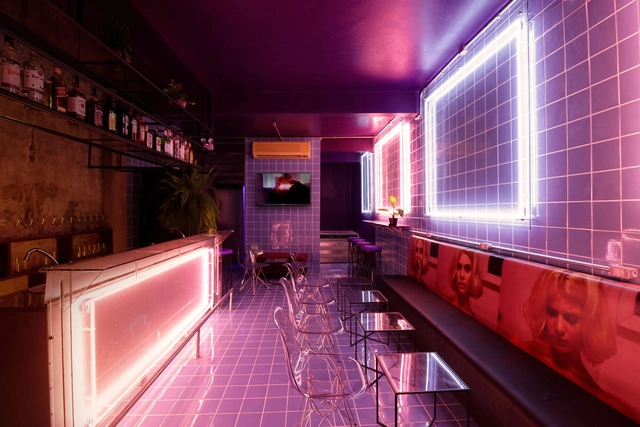
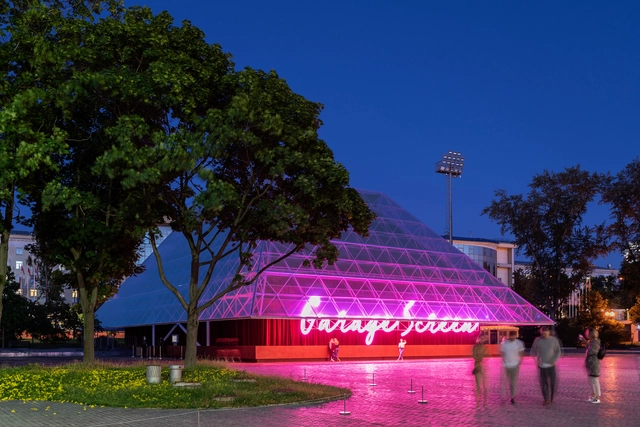
Neon lights are a bold, cosmopolitan statement that can easily revitalize or accentuate an architectural space or structure. With eye-catching brilliance, a plethora of color options, and ties to a retro aesthetic, these lighting pieces can make a space feel simultaneously modern and nostalgic. Yet few understand the scientific workings or material properties of neon, and many architects neglect its use due to its narrow association with commercial signage. Below, we explore how neon works, its architectural history, and how architects can continue to use it today.
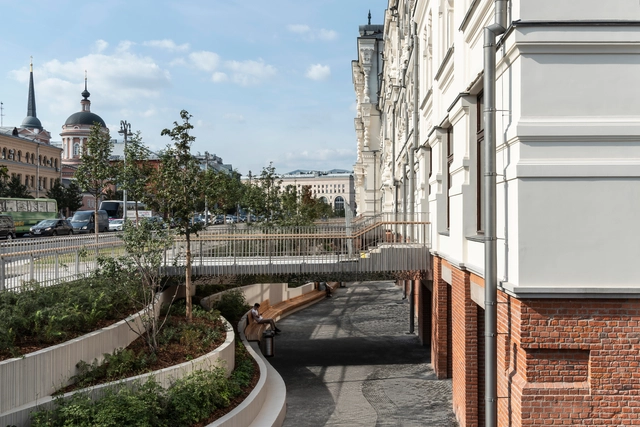
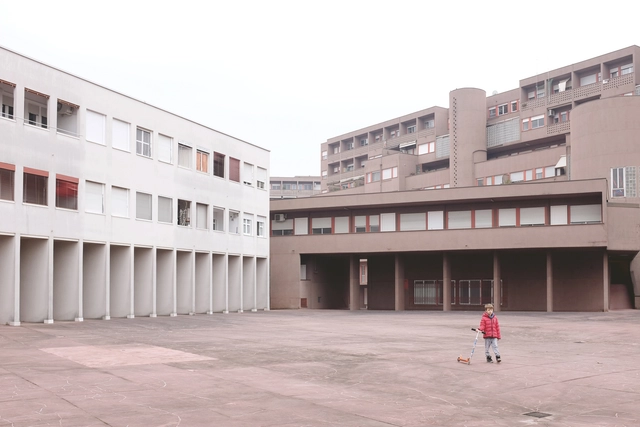
As the dust settled following the Second World War much of Europe was left with a crippling shortage of housing. In Milan, a series of plans were drafted in response to the crisis, laying out satellite communities for the northern Italian city which would each house between 50,000 to 130,000 people. Construction the first of these communities began in 1946, one year after the end of the conflict; ten years later in 1956, the adoption of Il Piano Regolatore Generale—a new master plan—set the stage for the development of the second, known as 'Gallaratese'. The site of the new community was split into parts 1 and 2, the latter of which was owned by the Monte Amiata Società Mineraria per Azioni. When the plan allowed for private development of Gallaratese 2 in late 1967, the commission for the project was given to Studio Ayde and, in particular, its partner Carlo Aymonino. Two months later Aymonino would invite Aldo Rossi to design a building for the complex and the two Italians set about realizing their respective visions for the ideal microcosmic community.[1]
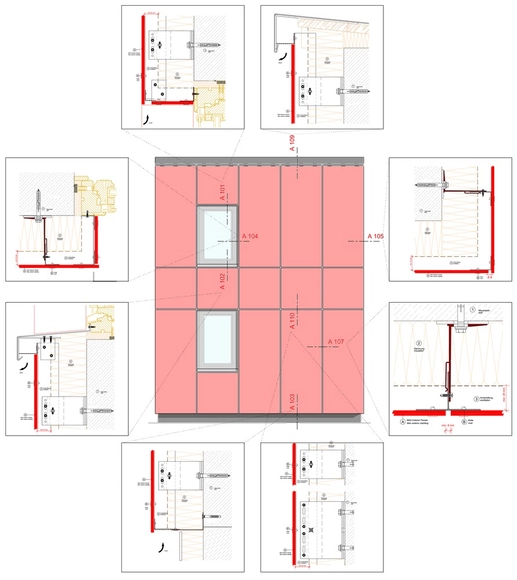
A facade must meet steep requirements as both the first skin that protects a building, its interiors, and its materials, and as the first thing a person sees. In addition to weather resistance and durability, its appearance is extremely vital for any architectural project. Prefabricated facade panels provide a clean, precise, and sophisticated finish to buildings and sport high versatility through different patterns and shapes.
.jpg?1611142277&format=webp&width=230&height=230&crop=true)
.jpg?1611142027&format=webp&width=230&height=230&crop=true)
.jpg?1611142569&format=webp&width=230&height=230&crop=true)
.jpg?1611142613&format=webp&width=230&height=230&crop=true)
.jpg?1611142088)




.jpg?1591019033&format=webp&width=230&height=230&crop=true)


_1.jpg?1586211293&format=webp&width=230&height=230&crop=true)