-
Architects: Biazus Arquitetura
- Area: 500 m²
- Year: 2025
-
Manufacturers: Zampieron Pedras

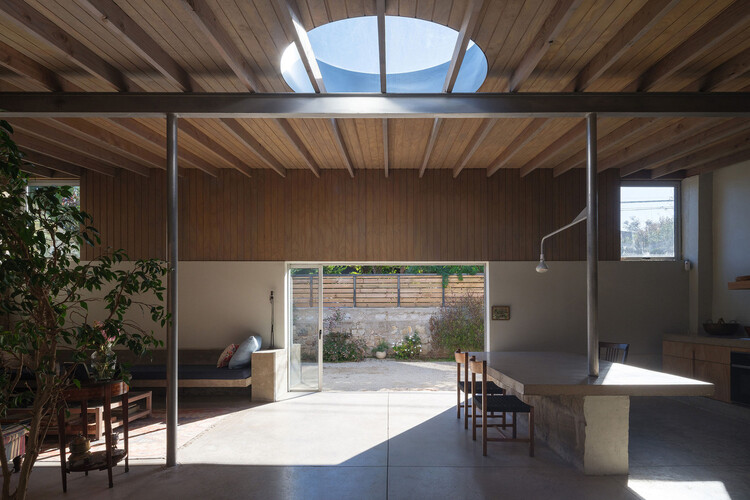
Across South America, environmental comfort is understood not as an interior condition, but as one shaped through space. In regions marked by heat, humidity, intense sunlight, and seasonal variation, architecture has long relied on spatial decisions to moderate climate and support daily life. Comfort emerges from how interiors are opened, shaded, ventilated, and inhabited over time.
Rather than isolating interior spaces from their surroundings, many contemporary projects across the region cultivate comfort through depth, porosity, and intermediate zones. Light is filtered rather than maximized, air is guided through aligned openings and voids, and thresholds become active spaces of use rather than residual edges. These strategies do not seek uniform environmental control, but produce interiors that remain temperate, adaptable, and closely attuned to changing climatic conditions. In this context, environmental comfort becomes inseparable from spatial experience.


Chimneys are among the most quietly persistent elements in architectural history. Yet their presence persists in nearly every cultural and climatic context, serving as a technical feature and a spatial, atmospheric, and symbolic device. It populates dense city skylines and anchors rural horizons alike, its vertical silhouette as ordinary as a window or a doorframe. This apparent ordinariness is deceptive. The chimney is one of the few architectural components that links the intimate scale of interior life with the expansive forces of the environment. For architects and designers, the necessity of the chimney presents a choice: to let it recede quietly into the building's functional fabric or to amplify it as a central, expressive element that shapes a project's identity.
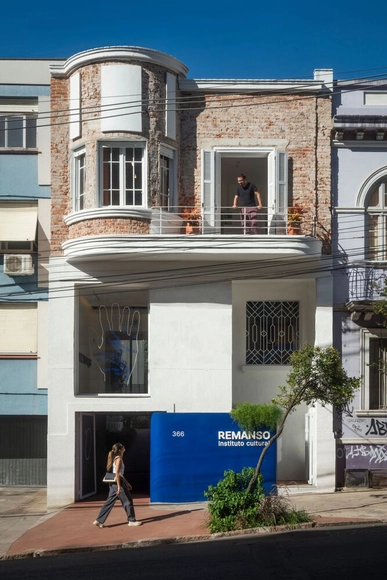
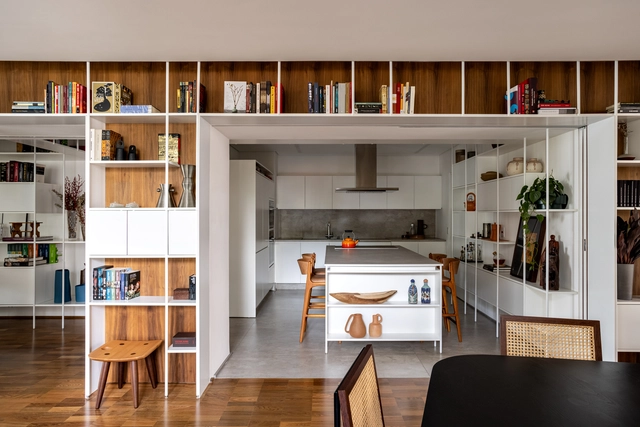
Beyond the wide variety of landscape, environmental, economic, social, and cultural particularities that distinguish each region of Latin America, the renovation of interior spaces that make up domestic life generally focuses on achieving the greatest possible integration of environments along with providing flexibility, spaciousness, and better conditions for ventilation and natural lighting. Seeking to revalue unused spaces and/or give them a second life, renovations aim to transform the ways of living through strategies capable of involving the restoration of materials, the preservation of structures, the maintenance of installations, and more.
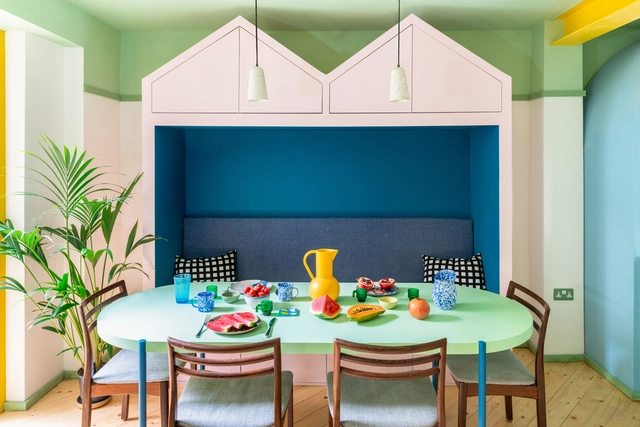
Playfulness is a concept often attributed to children and hardly connected with adult life. In architecture, projects dedicated to childhood propose a combination of objects, colors and solutions to encourage imagination and break the rigidity of spaces. In contrast, most conventional projects are limited to regularity and stamp the sobriety of adult life.
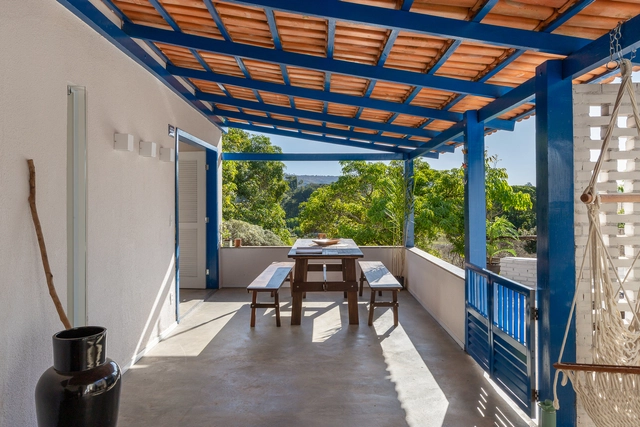
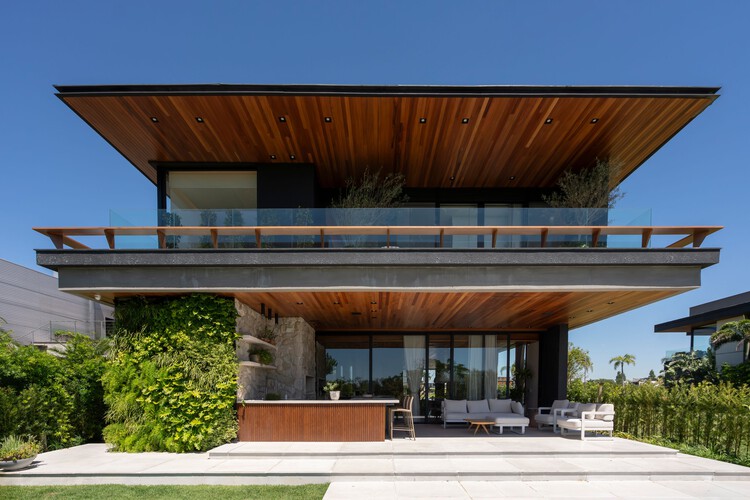
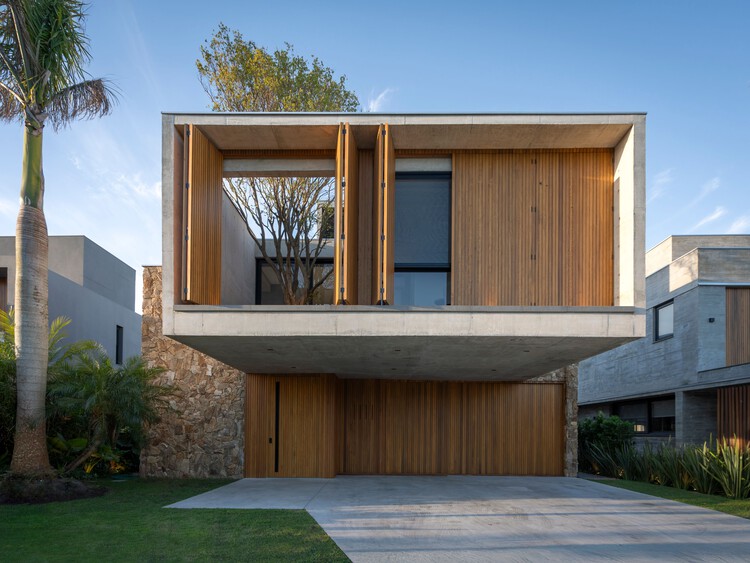
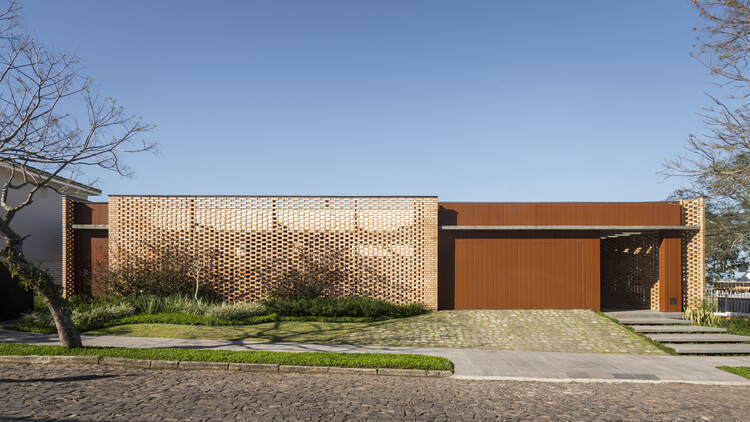
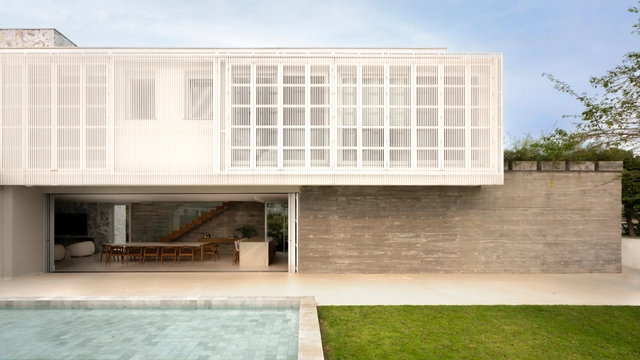
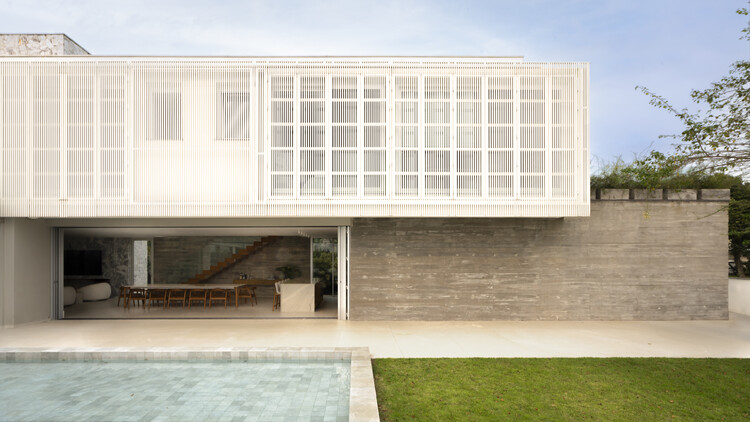
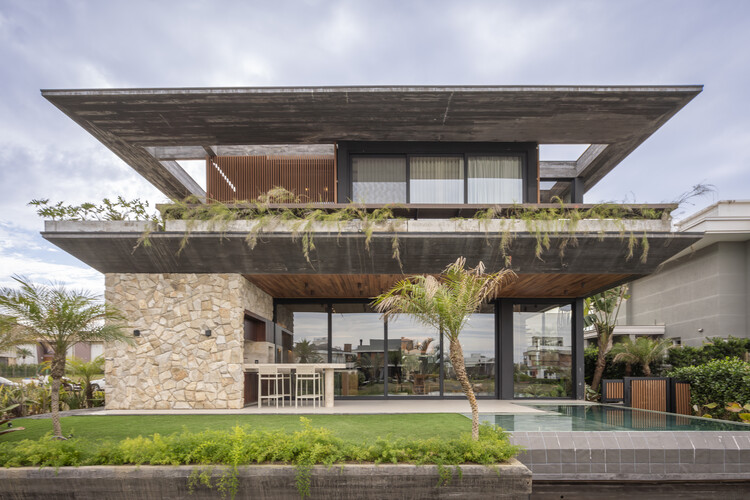
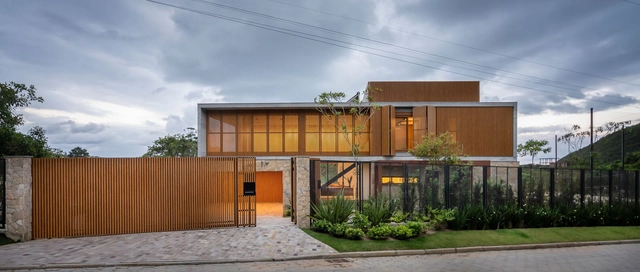
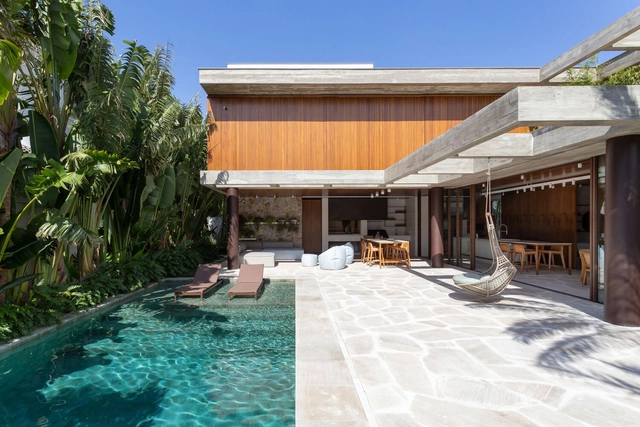
Brazil is one of the largest countries in the world, covering an area that goes from the Equator to beyond the Tropic of Capricorn, presenting a wide variety of climates and vegetation, which implies in the diverse natural landscape, flora and fauna for which the country is known. Residential architecture, when considered from its location, must adapt to the conditions of the surroundings, transforming its design according to the climate and morphology. We have gathered below a selection of Brazilian houses that respond to the natural environment in which they are located.
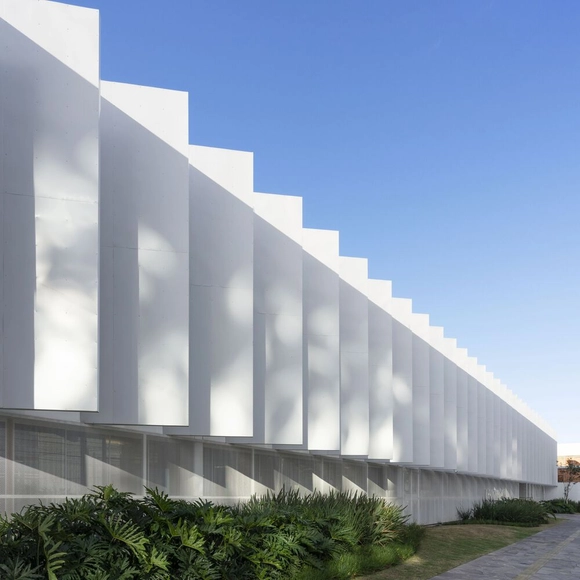
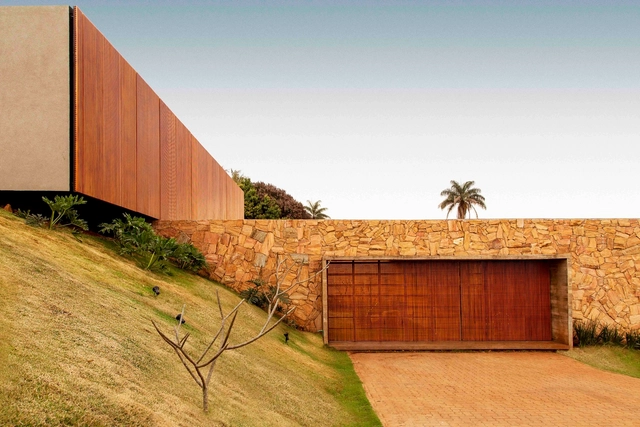
Inherited from ancestral techniques, dealing with natural stone as a building material is, historically, linked more to the structure of a building than to the finishing stage. With the development of construction, natural stones as a structure were replaced by more efficient and cheaper systems, such as reinforced concrete or even metallic structures and structural masonry, opening space for the use of stones as finishes and coatings.
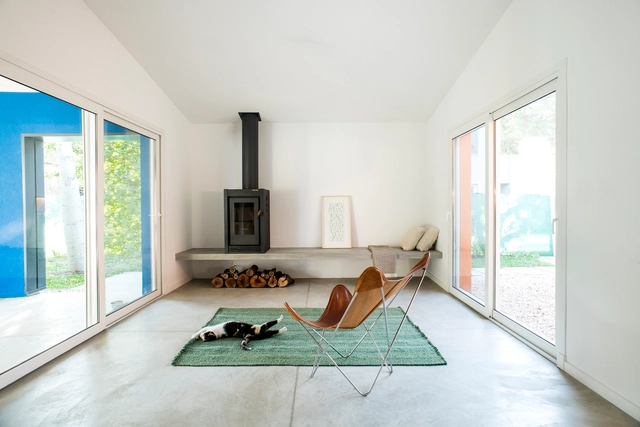
Originating as protection against low temperatures around 3,500 years ago, carpets and rugs have, over time, evolved into a true art form, reaching a high level of specialization by the 16th century. Rugs, carpets, and tapestries of various shapes, colors, textures, and patterns are integrated into different areas of the home to meet users' needs and enhance spatial comfort, sometimes extending far beyond their original purpose.
Wallpapers can be quite controversial. They can be typical of old-fashioned and antiquated homes, but at the same time, they can also add personality to otherwise dull spaces. One of the best parts of using these elements is that they can be quickly installed, and with relatively low costs. This also means that they aren't very long-lasting, and can therefore be quickly discarded and replaced, making them transient decoration items. As Joanna Banham—a researcher on wallpapers—states, “Wallpaper is often regarded as the Cinderella of the Decorative Arts – the most ephemeral and least precious of the decorations produced for the home. Yet, the history of wallpaper is a long and fascinating subject that dates back to the 16th century and encompasses a huge range of beautiful patterns created both by anonymous hands and by some of the best-known designers of the 19th and 20th centuries.” Today we are seeing another wallpaper resurgence, with numerous options of materials, patterns, and colors, and several examples of architects who have used them creatively in their projects. In this article, we go through the history of wallpapers and some of the current alternatives on the market, by diving into the Architonic catalog.

Circulation spaces are often challenging for designers as they are intended—as the name implies—for moving from one room to another. While many take advantage of these areas by using them as storage spaces, Mies van der Rohe at the Farnsworth house reduced circulation to a minimum, creating an open floor plan completely free of hallways. When faced with vertical circulation, the issue is similar. Stairs fulfill the purpose of overcoming the height between one floor and another, but rarely constitute indoor living spaces. Bleachers, in turn, play this role in several projects. Until recently, they were only found in sports spaces or amphitheaters; now the use of bleachers has become widespread and is seen in office spaces, public buildings, schools and even homes.