-
Architects: Sibling Architecture
- Year: 2025
-
Manufacturers: Big River Group, Dulux, Laminex
-
Professionals: Vhaus, Flowerspike, Contegrity
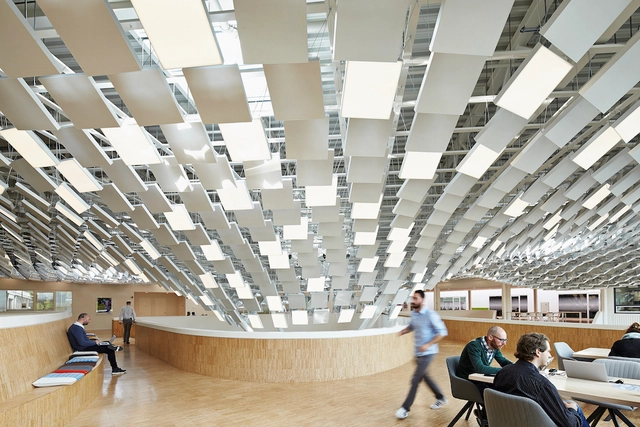
As trivial as the act of flipping a switch and lighting up a room may seem, we've had to come a long way to have safe and reliable light sources. It is estimated that the first lamps were invented 70,000 years ago, consisting of hollowed out stones or shells filled with an absorbent material soaked with animal fat that could be ignited. The Egyptians, on the other hand, used decorated ceramic vessels filled with oil, which provided a constant flame. Candles were popularized during the Middle Ages, made of tallow (animal fat) or beeswax, and could be burned in simple candlesticks and chandeliers. It was in the late 19th century that Thomas Edison and his team invented an incandescent light bulb that could be mass manufactured and was economically viable, soon becoming the dominant form of lighting for much of the 20th century. Although it was a revolutionary invention at the time, we are now aware that these lightbulbs are not very efficient, and they were eventually replaced by fluorescent and, more recently, LED bulbs. But if we have already advanced so much in such a short time, what can we expect for the future of lighting, and more specifically, how will our interiors be lit in a few years or decades?
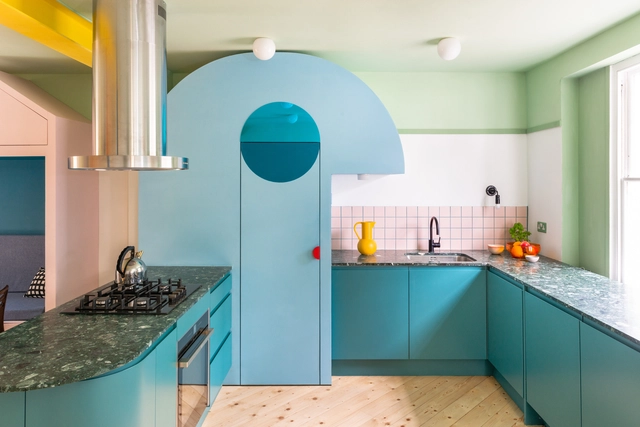
As transitory as trends may be, they always have a way of coming back. We see it all the time in fashion, with clothing pieces we thought were long gone coming back in style and reconquering the market. Interior design is no exception. Although this century has set the ideal on subtle sophistication and simplicity – with white surfaces, clean lines and slick gloss finishes –, bold retro enhancements are reviving in residential and commercial interiors. Whether in the form of vibrant colored walls, floors with intricate geometric patterns or vintage-looking furniture pieces, there seems to be a renewed appreciation for design elements inspired by trends from the second half of the 1900s, particularly from the 50s to the 80s.
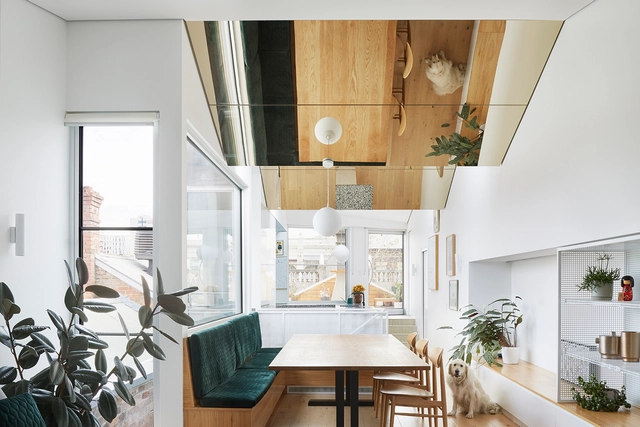
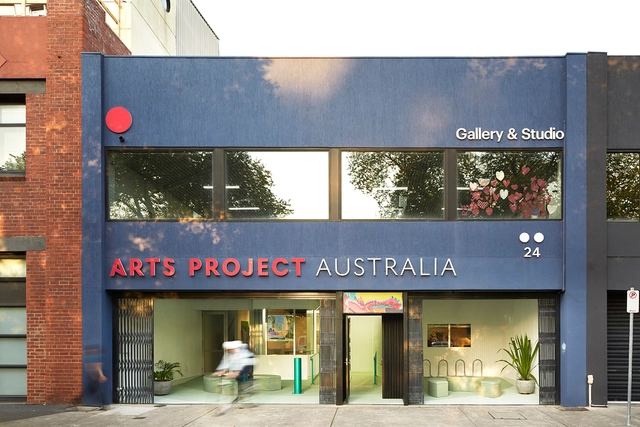
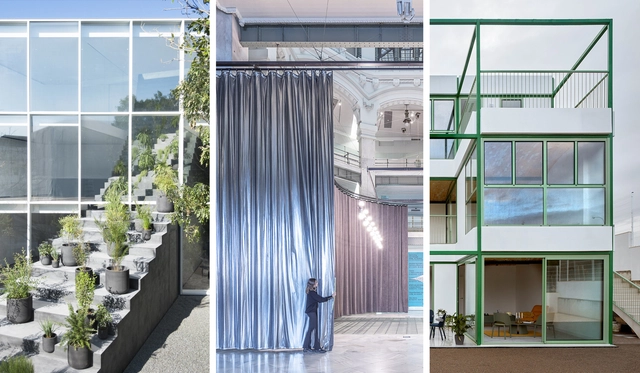
As we look back at the architecture projects we have published in 2020, as part of our yearly review, we were able to distinguish many recurring elements and solutions in terms of materials, programs, and functions.
Since the architecture industry moves slightly slower than others, we found that many things in the construction and design that have been building up these past years have come out making strong statements this 2020. We believe, therefore, that trends in the architecture world could be defined not only by what has been recurrent and popular but also, what has proven to be relevant and substantial.

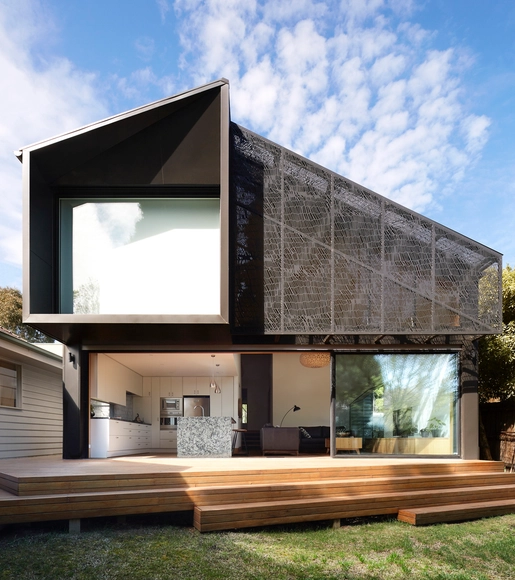
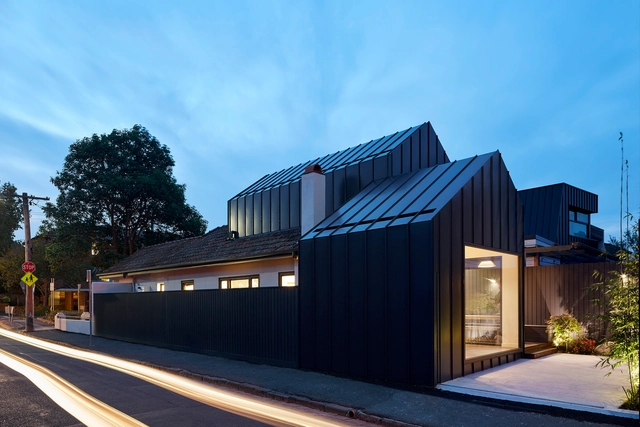
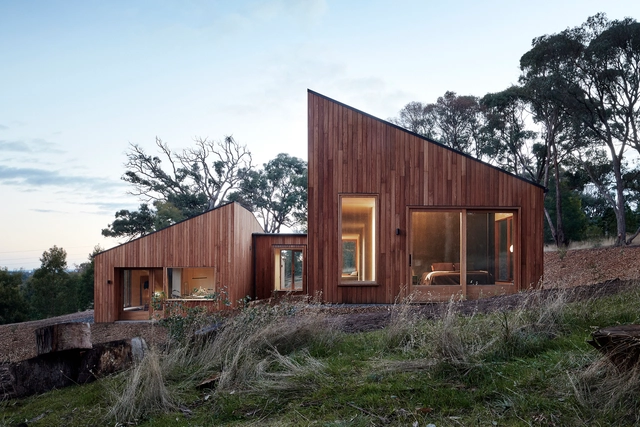
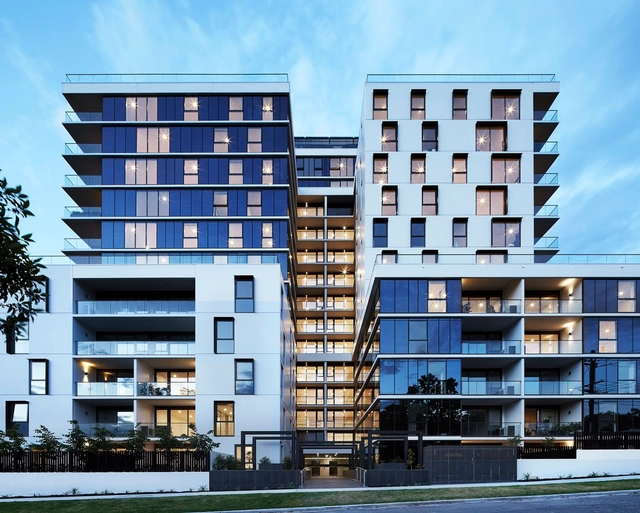

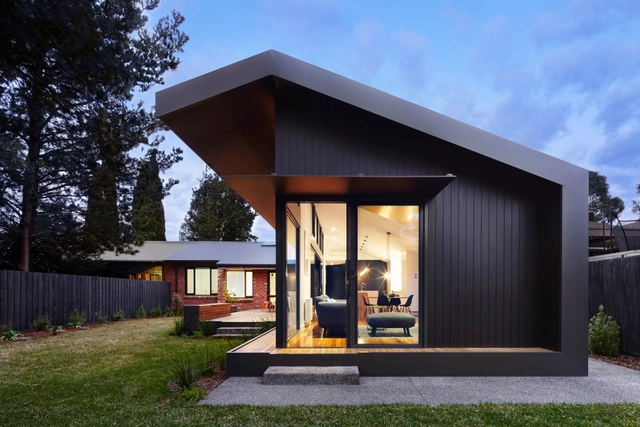
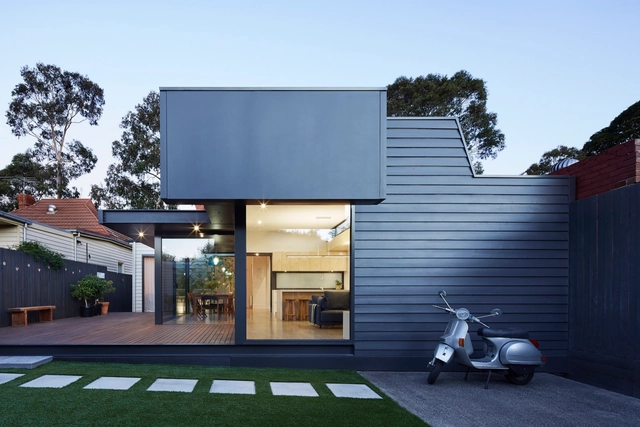

Some of the most integral parts of a building are related to light and air. Windows, for example, can help transform a project into a more liveable or better space, providing natural light or connecting the building’s users with their surroundings.
From windows inserted into historic structures, to windows meant to give the building a distinct, landmark look, these nine projects utilize windows as a primary feature. View the nine creative uses of windows after the break.