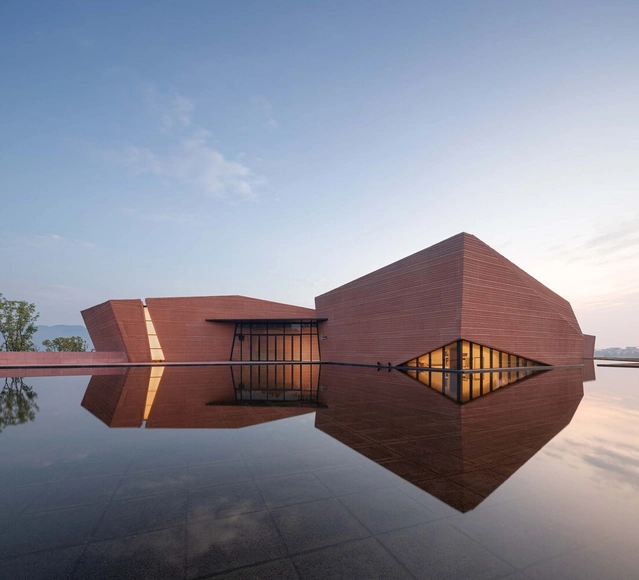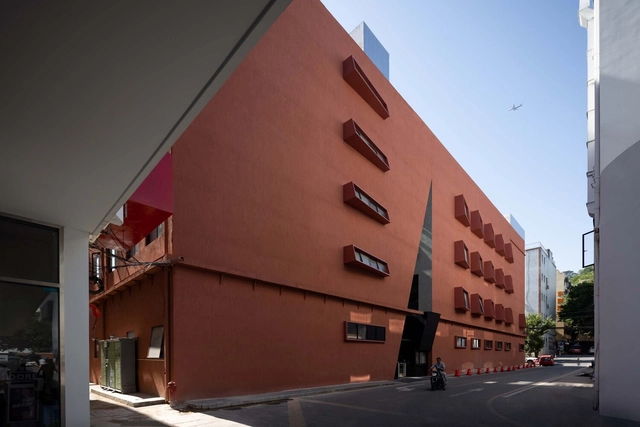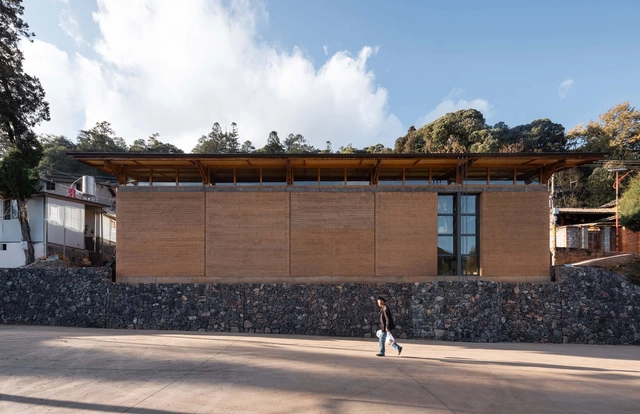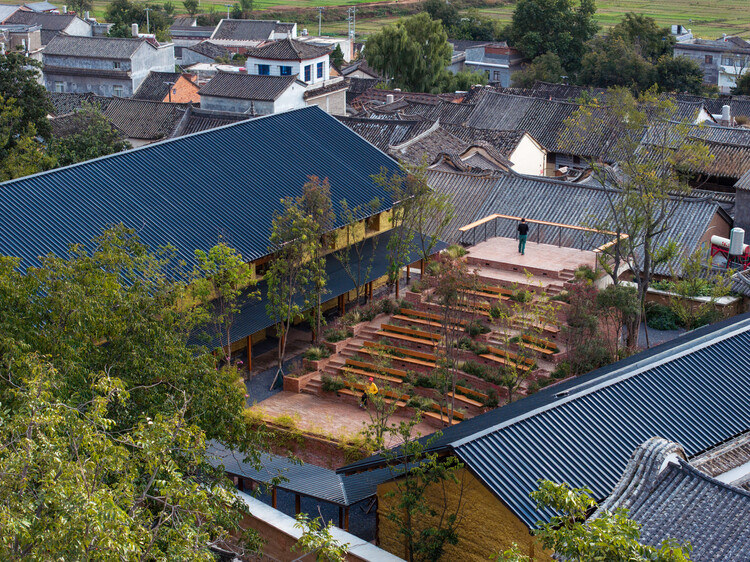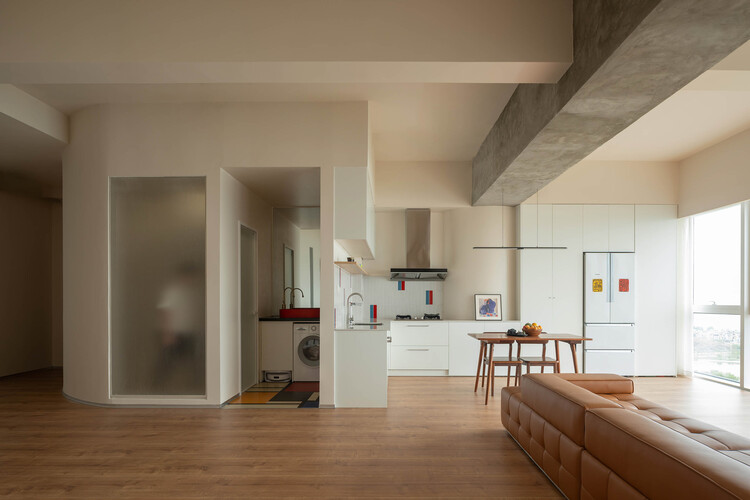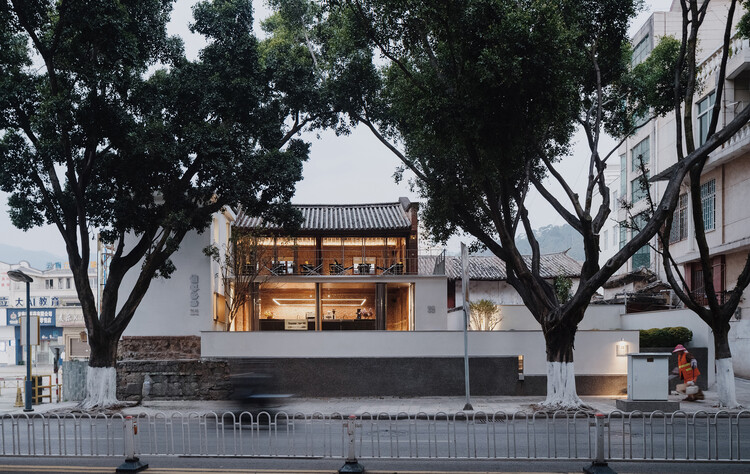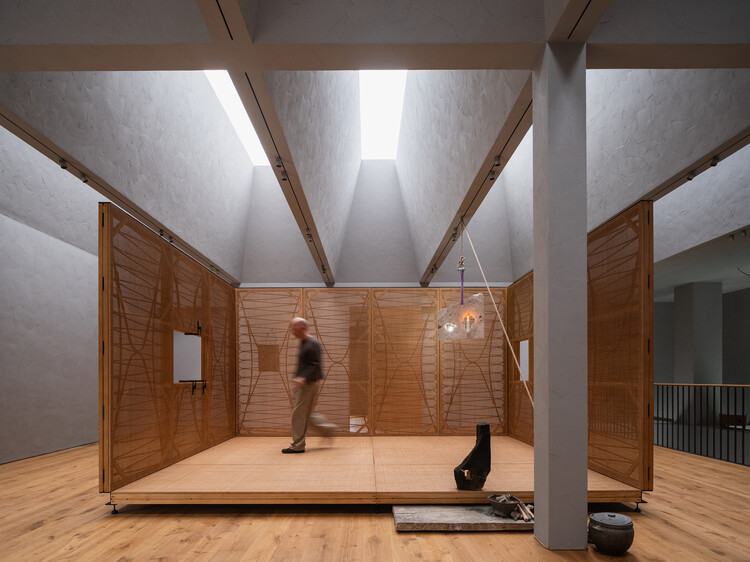
-
Architects: Hui Pan Architects
- Area: 400 m²
- Year: 2026
-
Manufacturers: GANWU, PanDOMO, yearly plan


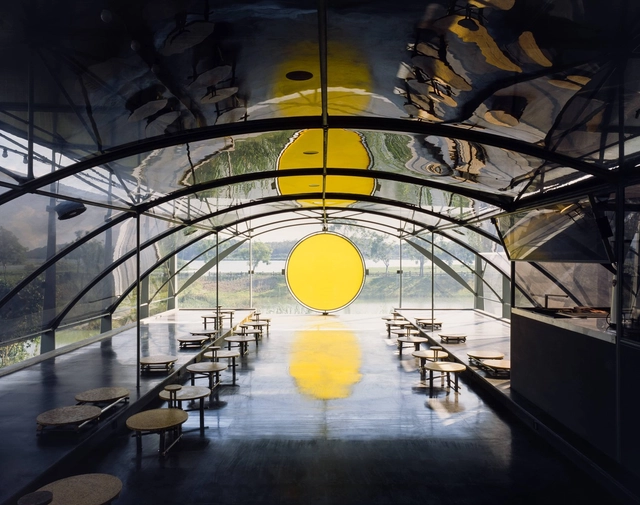
As the solstice marks the shortest day of the year in the Northern Hemisphere, it also draws attention to something architecture has long negotiated but often overlooked: time. Beyond form or function, buildings and spaces are continuously shaped by cycles of light and darkness, seasonal shifts, and environmental rhythms that affect how they are inhabited.
In recent years, a growing number of architectural projects have begun to work explicitly with these cycles. Rather than designing spaces to function in a single, fixed way, architects are creating environments that change throughout the day, across seasons, or in response to natural phenomena such as the sun's path, lunar phases, wind patterns, or circadian rhythms. These projects operate in dialogue with time, appearing, transforming, and activating differently depending on environmental conditions.
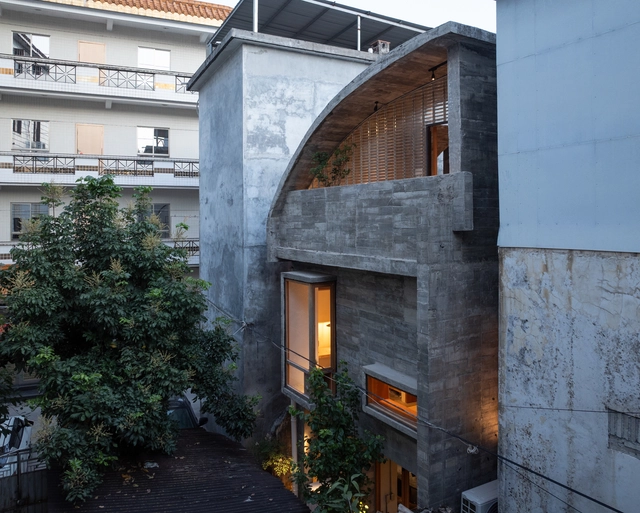
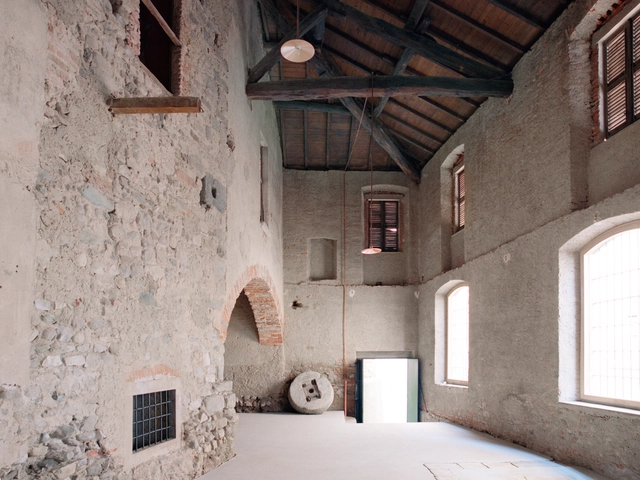
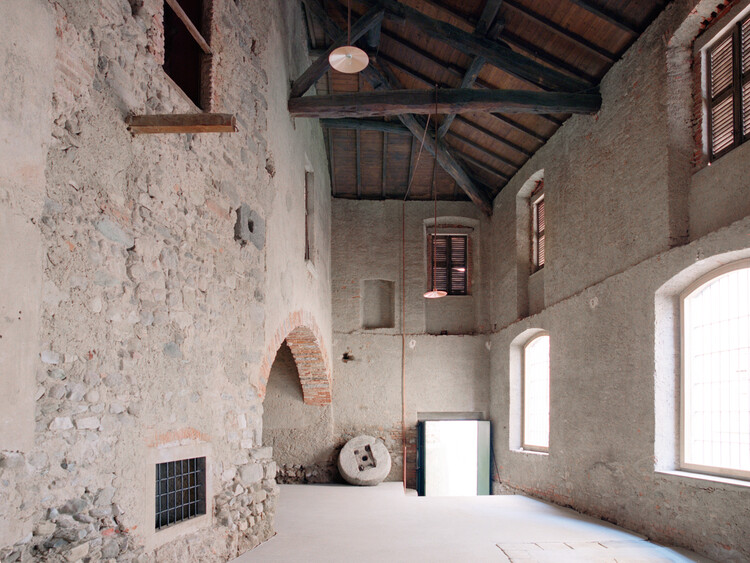
Adaptive reuse is shifting from simple preservation to active revitalization, a process of structurally rescuing and reprogramming architectural typologies whose original functions are no longer relevant. The obsolescence of architectural spaces occurs for varied reasons: sociological shifts, leaving spaces uninhabited; technological advances, phasing out specific machinery; and economic changes, making centralized functions necessary. The strategy of repurposing focuses on achieving spatial and functional longevity through minimal interventions, allowing the original structure to serve as the memory anchor of the project.
This wave of adaptive reuse treats the historic shell as a limited resource, prioritizing structural permanence over surface aesthetics. Designers are engaging in a sort of archaeological process by exposing the original structural essence: the heavy timber, raw concrete, or monumental masonry. Interventions are confined to meeting new programmatic needs, often appearing as an independent insertion within the ancient envelope. This contrast redefines the building's lifespan not as a singular narrative but as a layered story of continuous events.
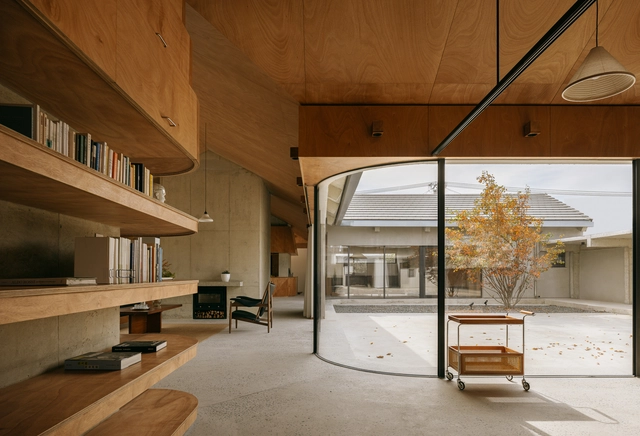
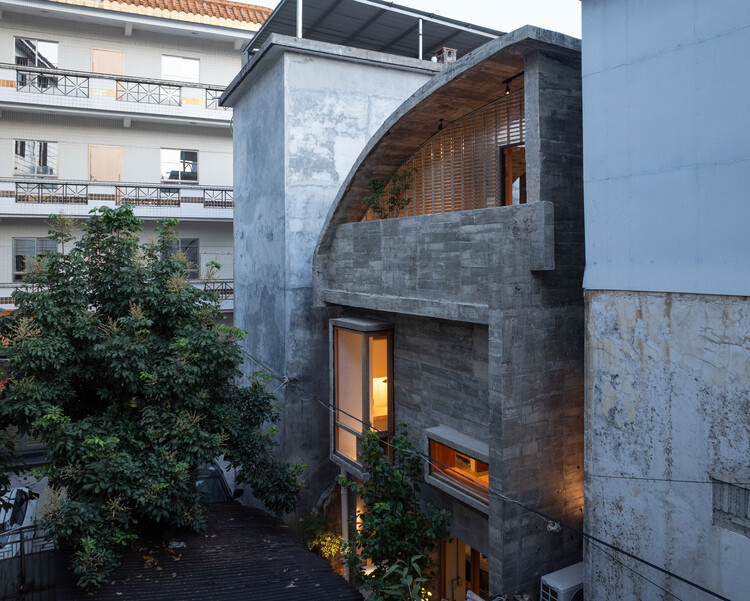
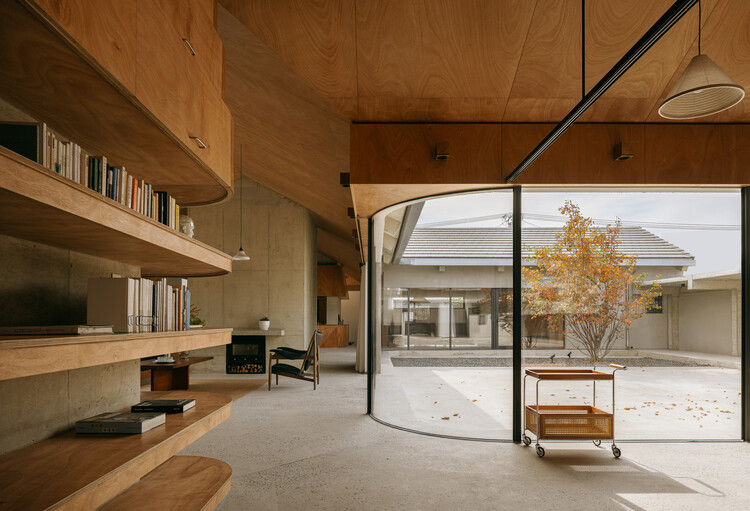
Interior design has been characterized by infinite alternatives in coatings, finishes, and furniture to achieve unique and unrepeatable spaces. Designers are constantly coming up with innovative solutions and materials specifically created for a distinctive spatial perception. However, there is also a trend that seeks the warmth of the interior spaces by exposing the raw building materials as they are. The richness of materials such as wood and concrete gives that feeling of durability and low maintenance that, combined with an attention-to-detail design, makes spaces look warm yet stay true in essence. See below for 35 examples of interior spaces where concrete and wood appear in their almost purest state.
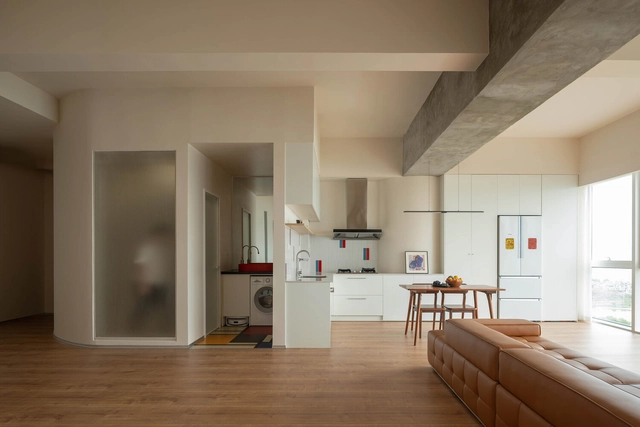
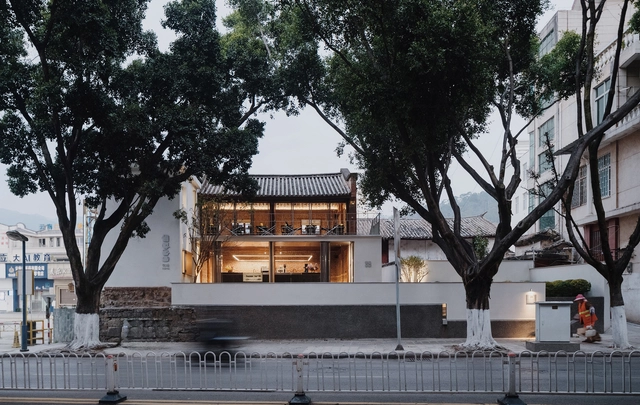
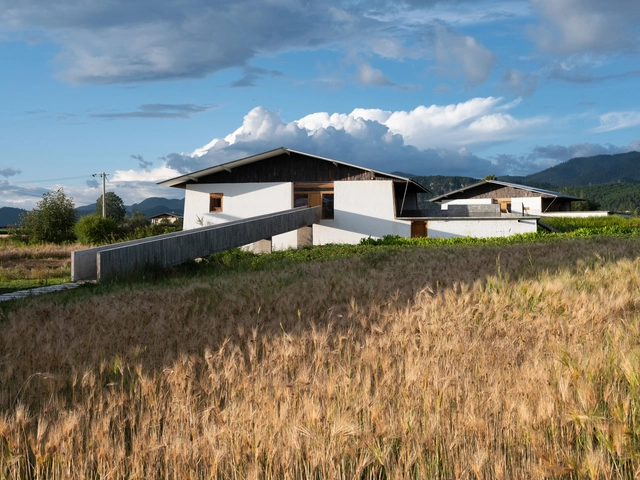
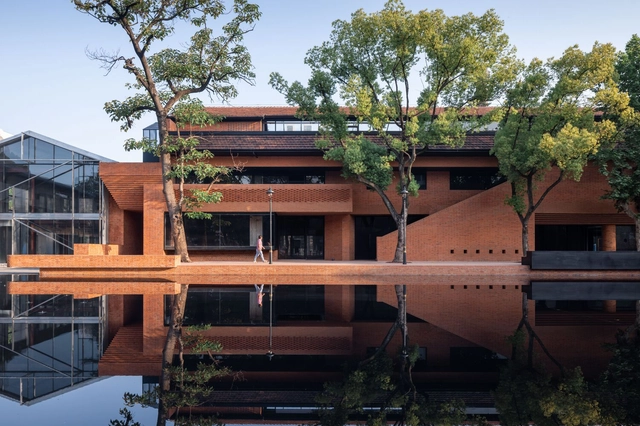
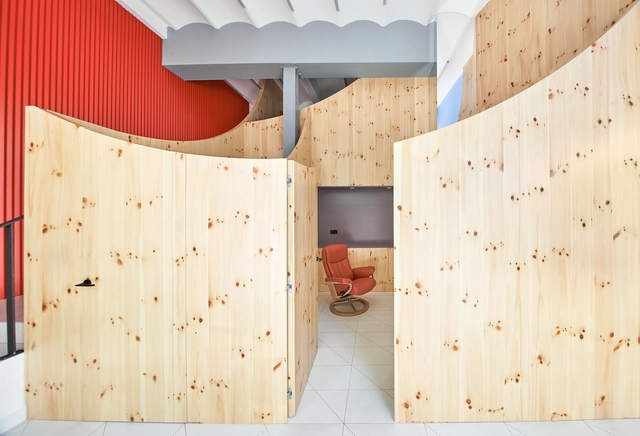
Throughout the annals of architectural history, timber has been a fundamental element in the evolution of building design and construction. From the ancient timber-framed structures of Japan to the medieval European cathedrals, timber's structural prowess and aesthetic appeal have left an indelible mark on human civilization. It wasn't until the Industrial Revolution's advent that a significant shift towards alternative building materials such as steel and concrete occurred, relegating the material to a secondary role in construction. As contemporary architects grapple with the consequences of climate change, however, timber has staged a remarkable comeback, offering an eco-friendly and structurally robust alternative. Internationally renowned firms are centering their designs around timber's potential, embracing its rich history while simultaneously harnessing advanced technologies to create awe-inspiring, sustainable structures that represent a harmonious blend of historical wisdom and modern innovation.
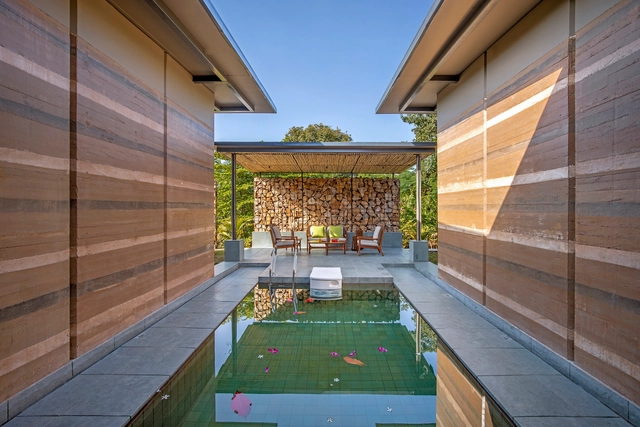
With the proper know-how, readily available earth, sand, chalk, lime, or gravel can yield a versatile, strong, and durable construction material. Its colorful results vary from region to region, depending on the natural soil component, climate, and treatment. While some prefer to minimize any added processing, others relish the exploration of rammed earth surfaces. Different textures and mesmerizing layers of multitoned or multicolored earth can be used to create a solid surface that enriches the visual quality of a space and carries a sense of warmth to any project.