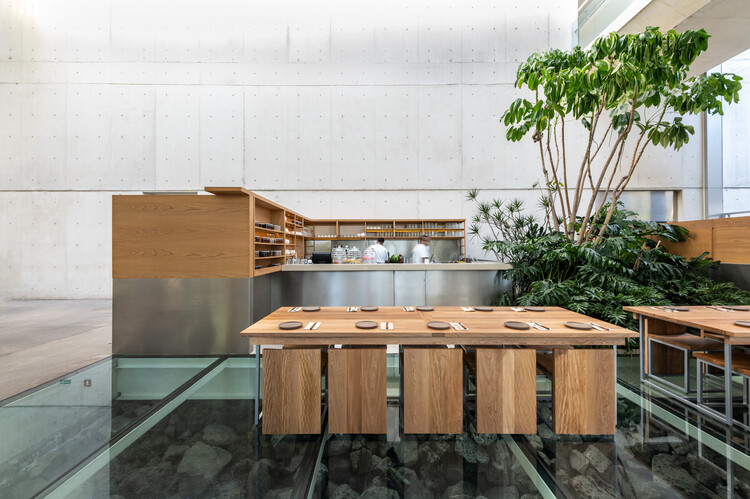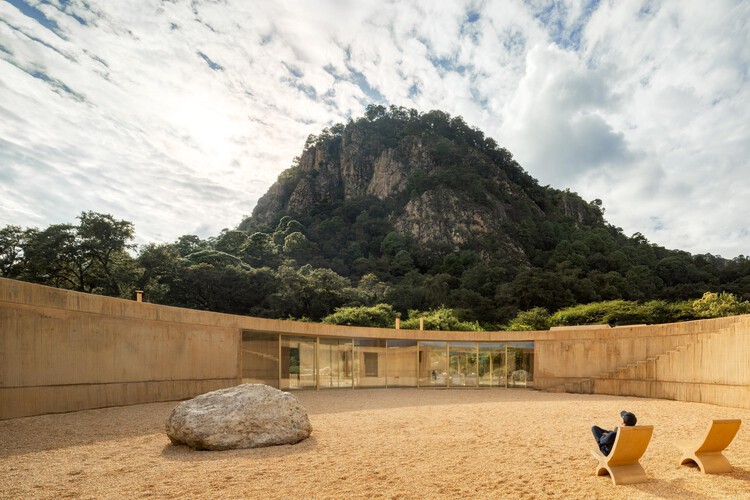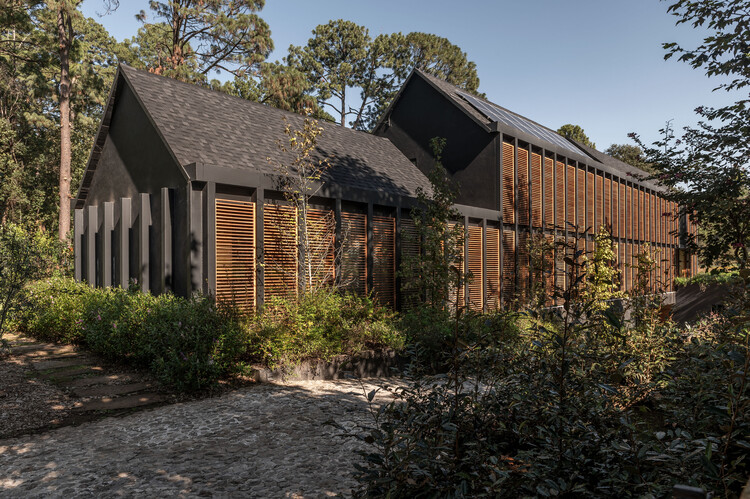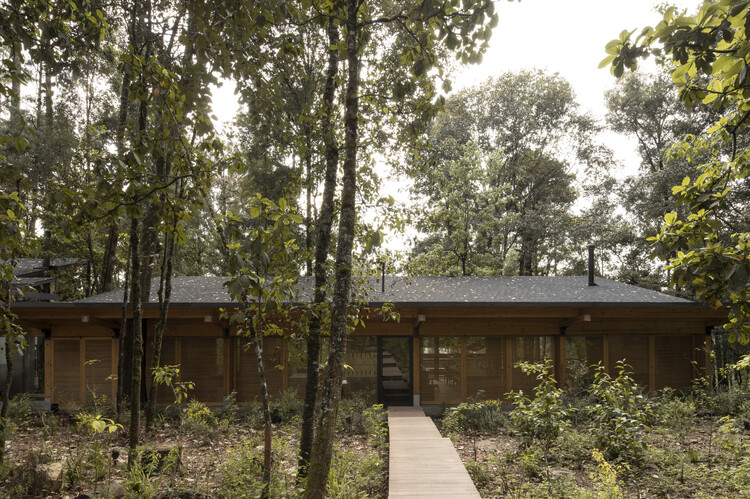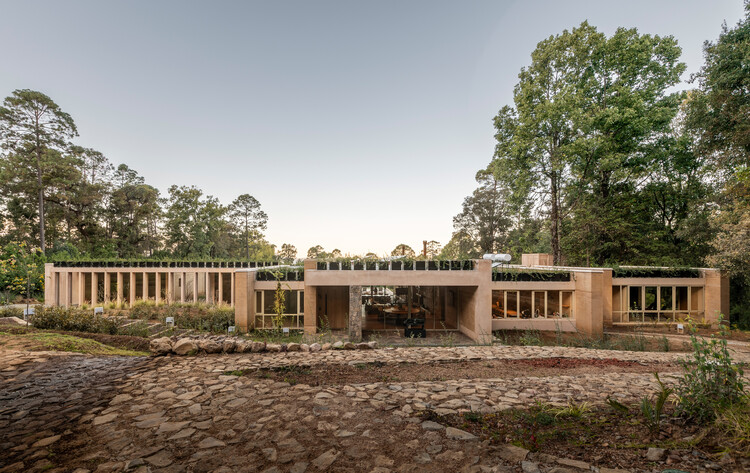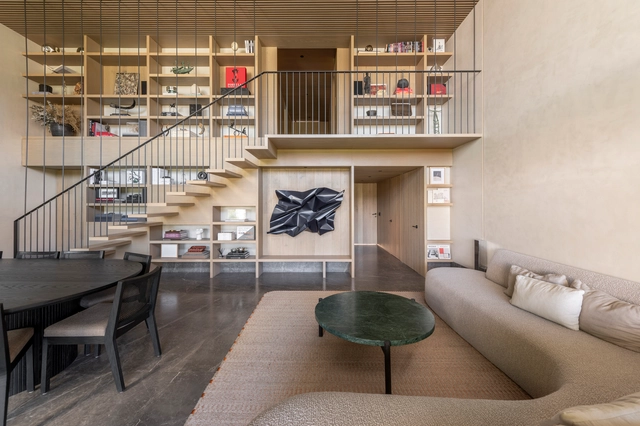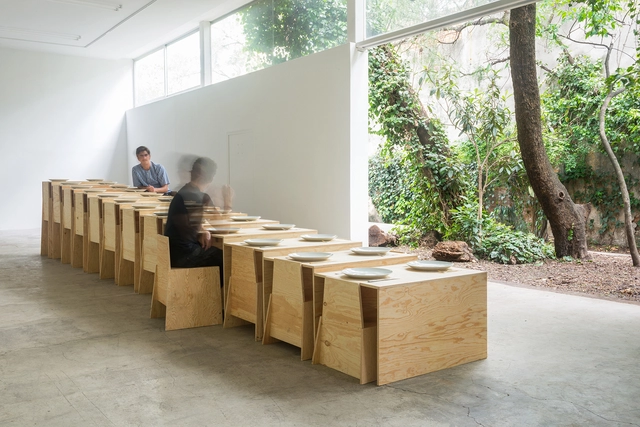
The Mexican architecture scene is increasingly shaped by young architects committed to holistic, globally conscious design. One such firm is LANZA Atelier, which will present three of its projects at SFMoMA on March 31.
The Mexican architecture scene is increasingly shaped by young architects committed to holistic, globally conscious design. One such firm is LANZA Atelier, which will present three of its projects at SFMoMA on March 31.

It is well known that Frederick Law Olmsted, designer of Central Park in New York; André Le Nôtre, responsible for the gardens of the Palace of Versailles; and Alan Titchmarsh, among others, were pioneers of landscape architecture for their ability to break the mold of traditional design. However, Latin America has produced outstanding work that deserves recognition. Such is the case in Mexico, where Pritzker laureate Luis Barragán showed the world the richness of the country's green spaces and his mastery in designing them.
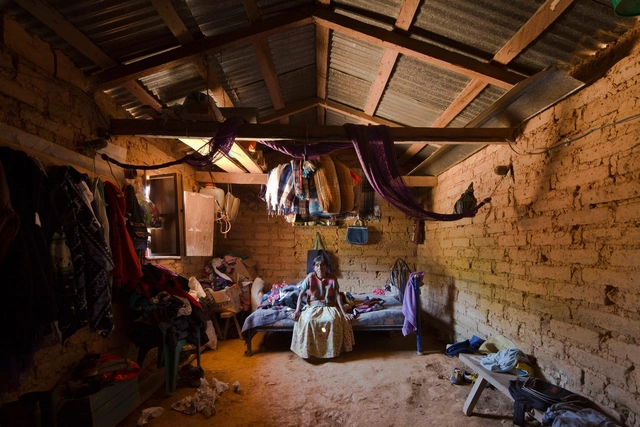
“Earthquakes are a naturally destructive effect of our earth's constantly changing surface”
-National Geographic, “Latest Earthquakes–and How Earthquakes Work”, February 2018.
ReConstructo is a group exhibition curated by Mexican architects Luis Carbonell and Andres Souto, presented at Zuecca Project Space in parallel with the International Architecture Exhibition of the Venice Biennale 2018. The exhibition offers a multifaceted look at simultaneous and overlapping readings of the actions and agents of destruction that subsequently paved the way for a latent reconstruction following the 2017 earthquakes in Mexico.

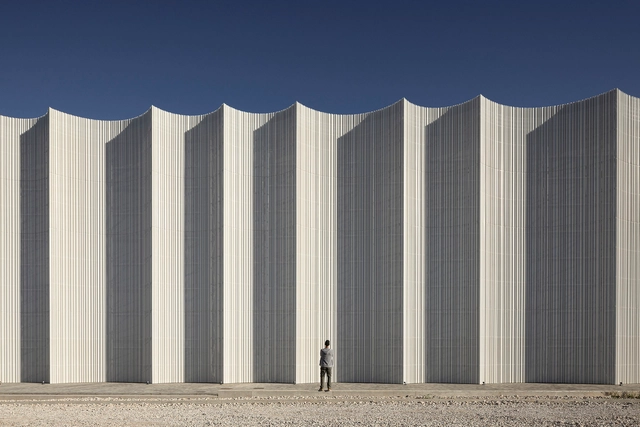
Architecture has always played a key role in providing shelter and protection for human beings. In prehistoric times, we sought refuge in caves, taking advantage of rock structures for protection against the natural elements and predators. Over time, shelters began to be made from materials found in nature, such as branches, leaves, and animal skins, evolving into more permanent and complex homes, with walls made of stone, bricks or wood, roofs to protect against rain and sun, and doors to control access. As we developed more advanced building skills, we used materials such as wood, stone, and clay and architecture evolved significantly, with the construction of temples, palaces, and fortifications that provided not only shelter but also symbolized power, status, and cultural identity. Even so, our buildings can continue to be seen as shells that protect us from the outside world.
From the massive stones of Greek temples to glazed skyscrapers, we work with a range of possibilities and thicknesses to separate what we consider internal and external. This article seeks to explore this diversity of thicknesses in architecture, from simple materials to complex construction techniques, highlighting how this variation not only provides protection but also influences our perception and interaction with the built environment.

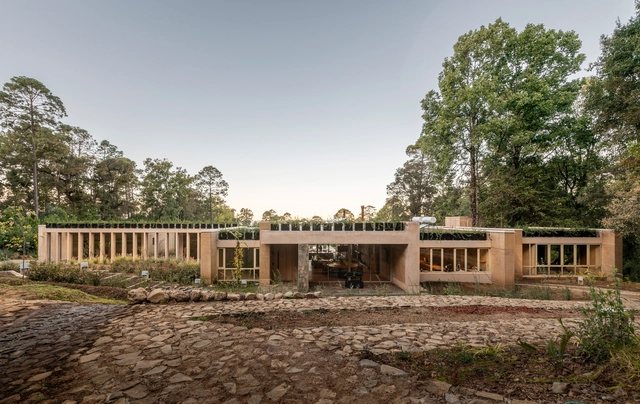
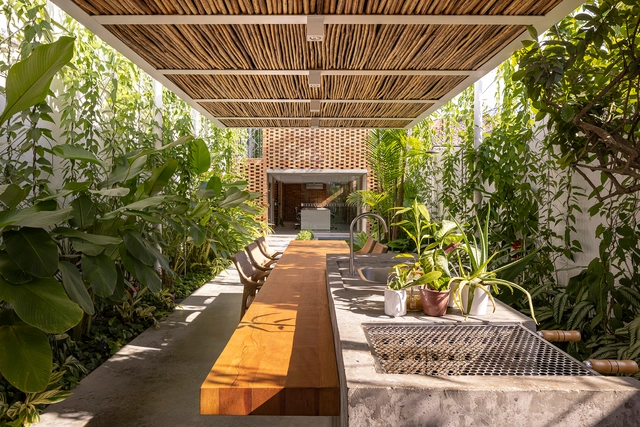
Humid environments present some of the most complex challenges in architectural design. From the tropical monsoon season of Southeast Asia to the equatorial heat of Central Africa, these environments demand solutions that account for intense moisture, high temperatures, and the constant battle against mold, decay, and stagnation. Yet, for centuries, communities in these regions have developed architectural techniques that do not fight against humidity but instead work with it, leveraging local materials, climate-responsive design, and passive cooling techniques to create sustainable and livable spaces. By considering atmosphere as a sensory and climatic phenomenon, architects will craft spaces that are not only evocative but also responsive, adaptive, and sustainable.

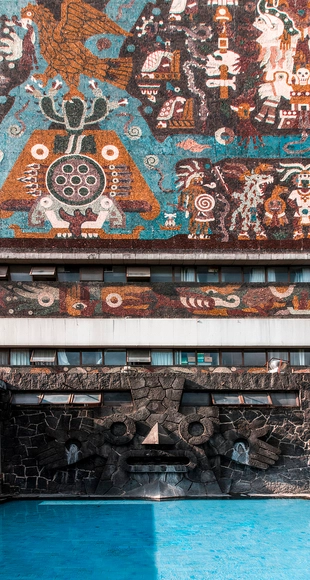
From the pre-Columbian period of the Americas –during which cultures such as the Olmec, Maya, Purepecha, and Mexica (Aztec) thrived– to the modern era where architecture has been influenced by social movements and even natural disasters, Mexican architecture showcases a valuable architectural expression, with its own unique voice and distinctive characteristics. Nobel Literature Laureate Octavio Paz argued that architecture is an incorruptible witness to history. Likewise, the materials used to shape it have acted as protagonists of that history, enduring in many cases over time and evolving thanks to the generations of architects who have contributed to it, from different perspectives.
To trace a timeline, it is possible to take as a starting point pre-Hispanic architecture, which exhibited a diversity of nuances due to Mexico's vast territorial extension. This allowed diverse cultures to find their niche and develop their characteristic architectural styles. Subsequently, the era of Spanish colonization, which itself drew influence from Islamic architecture, represented a noteworthy turning point in architectural development. This phase endured until the advent of Mexican Independence in the 19th century. In turn, this marked the initiation of social and cultural movements, both during and after the Mexican Revolution in the early 20th century.
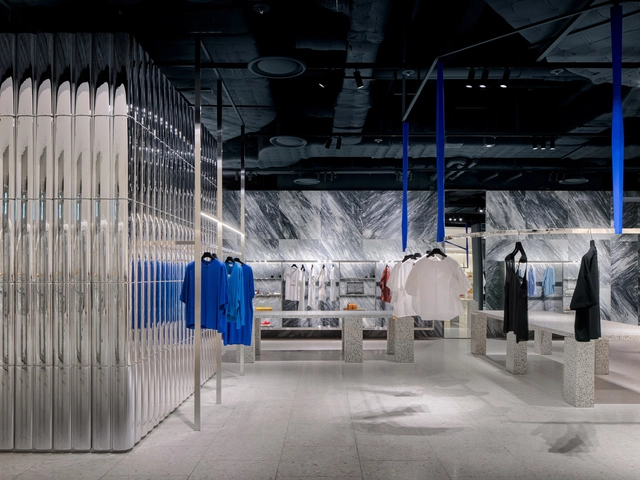
Within the realm of commercial architecture, the design of spatiality can adopt multiple approaches, conceiving proposals that achieve a balance between aesthetics and functionality. Taking into consideration that various cultural variables, social tensions, and economic interests are involved, the construction of these spaces directly involves the interaction between users, brands, and their products, participating in the experience on-site from colors and materials to lighting, climate control, sounds, aromas, and more.
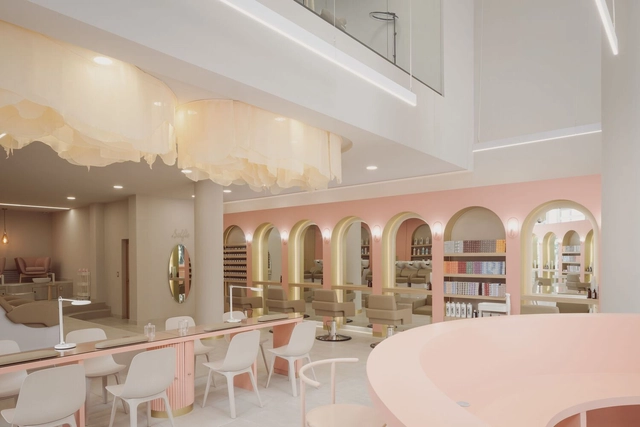
Art Deco is an artistic and design style that emerged in Europe in the late 19th and early 20th centuries, reaching its peak in the 1920s and 1930s. Although it's difficult to identify a single origin for Art Deco, it's believed that the style developed as a reaction against the Arts and Crafts and Art Nouveau movements, which emphasized craftsmanship and naturalistic ornamentation. The style quickly spread throughout the world and had a major influence on architecture, interior design, fashion, and visual arts during the first half of the 20th century.
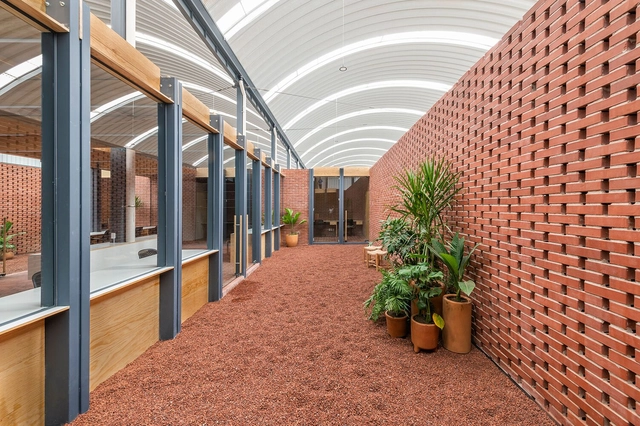
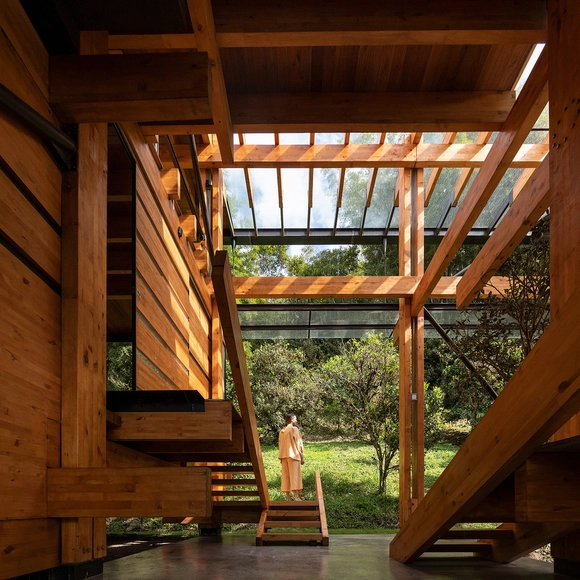
As another year comes to a close, the ArchDaily team looks back at the year's architectural highlights, compiling a selection of projects to review the content featured in 2022. As part of this retrospective, our curation team presents one of our readers' favorite categories—residential architecture—bringing together the projects that represent the very best of a vast year of architectural production, as chosen by our audience.
At a time marked by anticipation for the future of architecture, yet also by reflection on what has been accomplished over the past year, we present the 50 most-visited houses on ArchDaily in Spanish in 2022. In doing so, we continue our ongoing mission to provide tools, inspiration, and knowledge to everyone working toward a better built environment.
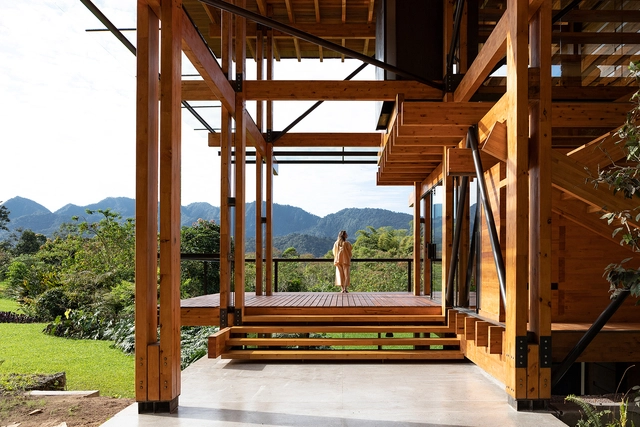
The Pan-American Architecture Biennial of Quito (BAQ2022) will take place at the Casa de la Cultura Ecuatoriana until November 18. Organized by the Colegio de Arquitectos del Ecuador, Provincial de Pichincha (CAE-P), the biennial has been held since 1978, aiming to foster dialogue, exchange, and reflection on architecture and the contemporary city. This edition's theme, "Inflexions: Looking Back," aims to provide a space for discussion and debate on architecture surrounding turning points in history.