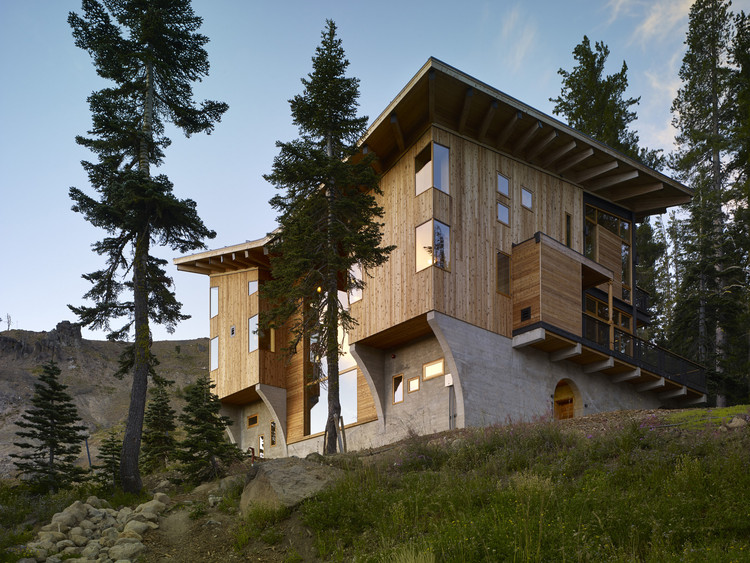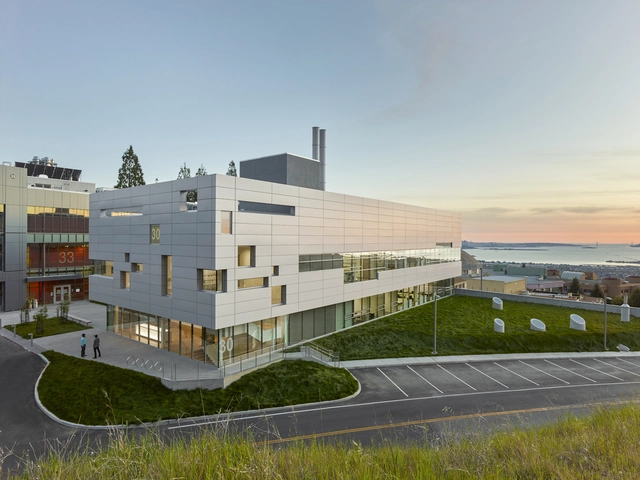


-
Architects: SmithGroup
- Area: 39000 ft²
- Year: 2015
-
Manufacturers: Acralight



Created by the Union International des Architects (UIA) in 2005, World Architecture Day is celebrated on the first Monday of October with the aim of reminding the world about the collective responsibility of architects in designing our future cities and settlements.
This year, the UIA has selected “Architecture, Building, Climate” as the theme of the day, seeking to highlight the essential role that architecture, design and urbanism have in the reduction of greenhouse gas emissions. With international climate treaty negotiations set to happen later this year, the “UIA members, working bodies and partners will mobilize on 5 October to promote actions and solutions that apply the enormous power of architecture and urban design in coping with global climate change, one of the greatest challenges of our time.”
Through small actions architects can collectively make a big difference and create significant changes. To celebrate World Architecture Day, we have rounded up a selection of projects that have taken steps towards the challenge of protecting our environment.

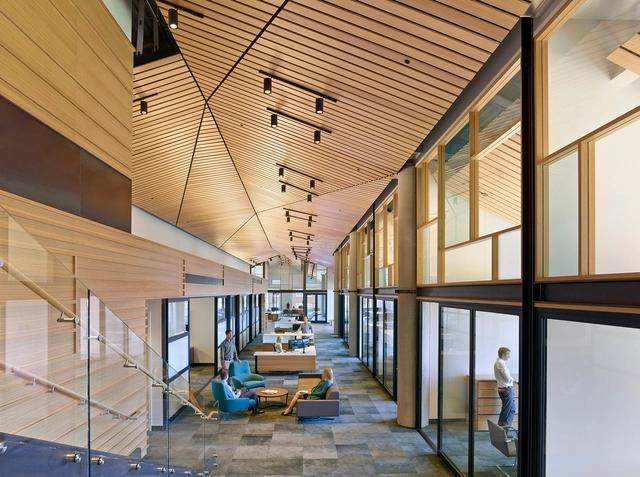


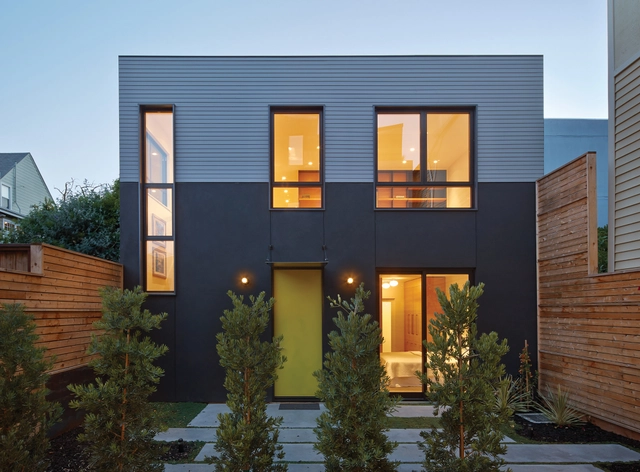
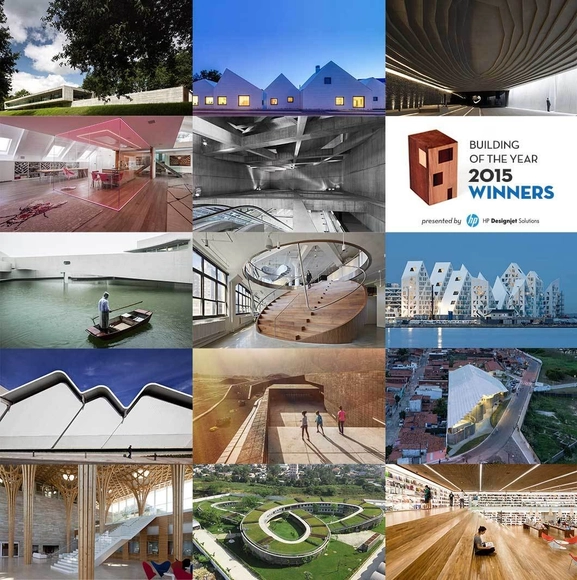
With our annual Building of the Year Awards, over 30,000 readers narrowed down over 3,000 projects, selecting just 14 as the best examples of architecture that ArchDaily has published in the past year. The results have been celebrated and widely shared, of course, usually in the form of images of each project. But what is often forgotten in this flurry of image sharing is that every one of these 14 projects has a backstory of significance which adds to our understanding of their architectural quality.
Some of these projects are intelligent responses to pressing social issues, others are twists on a well-established typology. Others still are simply supreme examples of architectural dexterity. In order that we don't forget the tremendous amount of effort that goes into creating each of these architectural masterpieces, continue reading after the break for the 14 stories that defined this year's Building of the Year Awards.
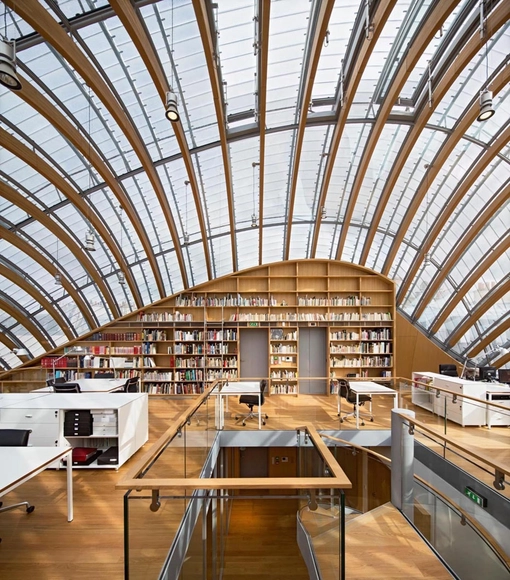
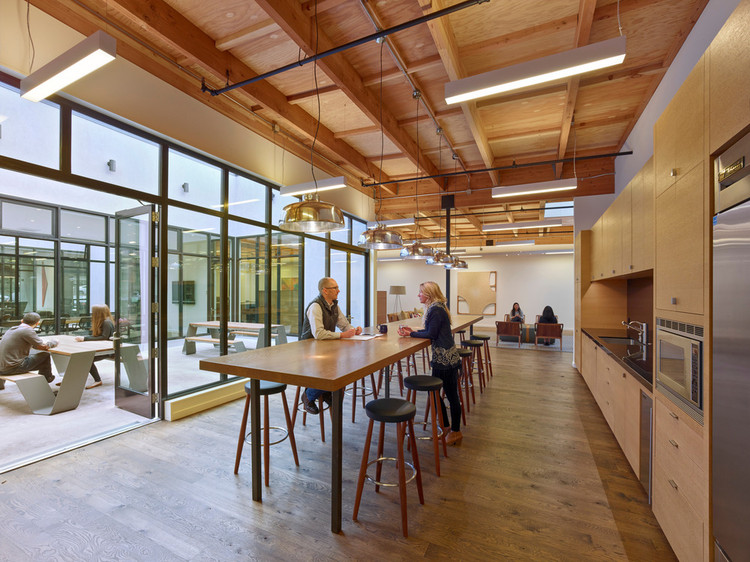
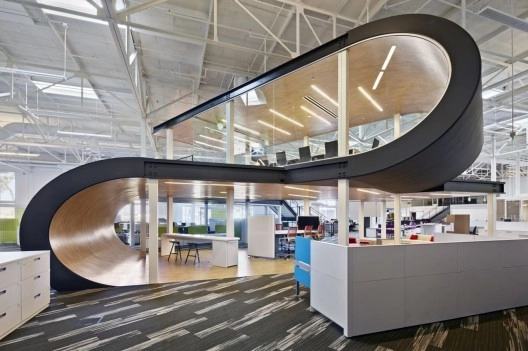
Workplace design has undergone a radical transformation in the last several decades, with approximately seventy percent of today’s modern offices now converted to open plans. However, despite growing concerns over decreases in worker productivity and employee satisfaction, the open office revolution shows no sign of slowing down. The open office model has proliferated without regard for natural differences in workplace culture, leading to disastrous results when employees are forced into an office that works against their own interests. If we are to make offices more effective, we must acknowledge that ultimately, design comes out of adapting individual needs for a specific purpose and at best, can create inviting spaces that reflect a company’s own ethos.

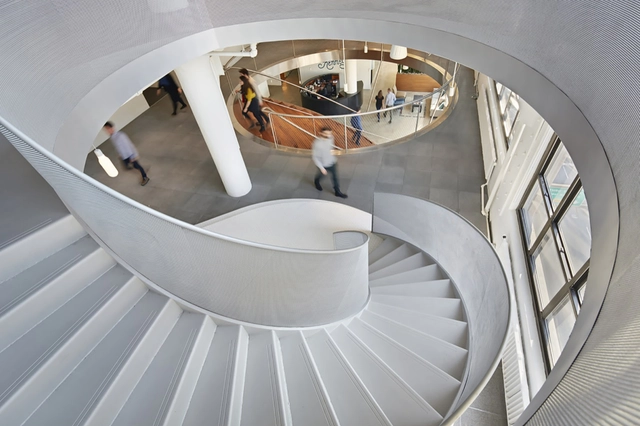
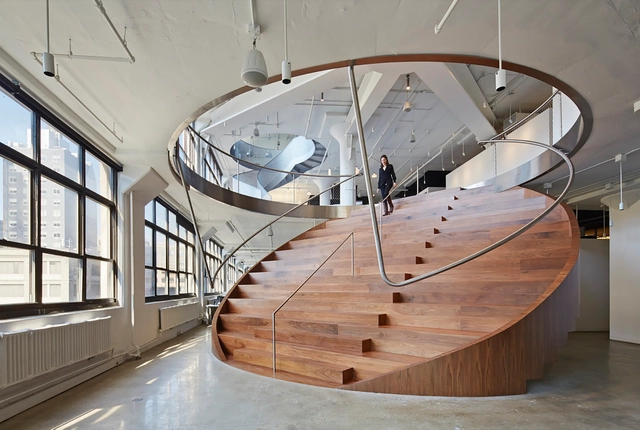
Since we spend most of our waking hours in buildings, shouldn't they be designed to encourage a healthy lifestyle? It turns out there are many ways in which architects can design spaces that encourage us to exercise as part of our daily routine. Likewise there are many design features that often dissuade people from physical activity. For example, while a dark or secluded staircase may be off-putting, centrally located and open staircases tend to be used even more than elevators. Find out how buildings can serve as our personal trainers in this article from Fast Co. Design, “How To Keep Our Buildings From Making Us Fat.”
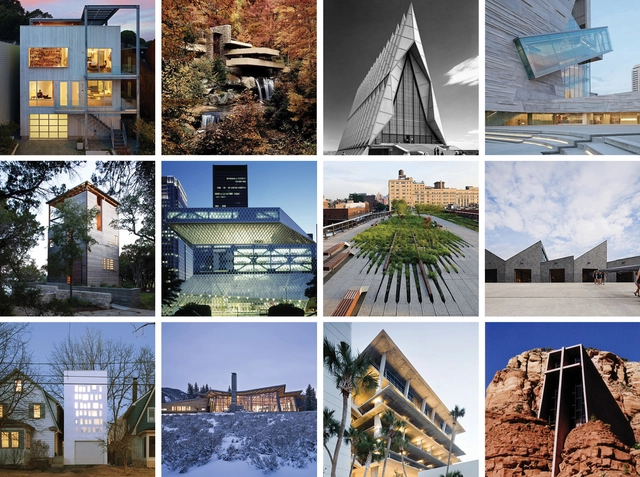
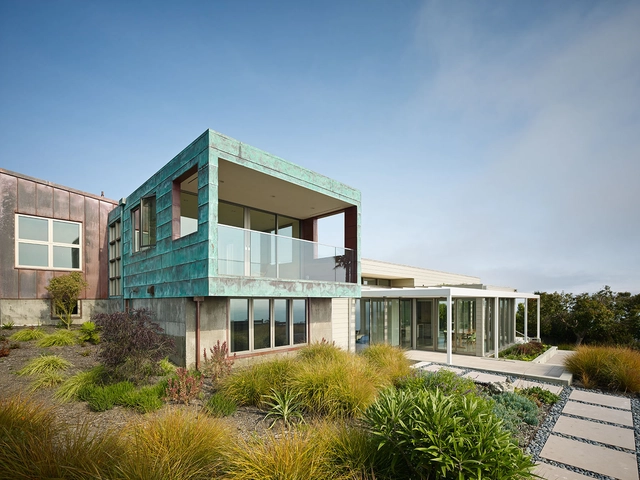
Happy 4th of July! To celebrate the USA's Independence Day, our editors have selected their favorite projects located in the USA, from architecture classics to extraordinary newcomers. Enjoy them all, after the break!
Last year, I wrote about doing away with the title “intern,” saying the word “should be banished from the profession.” The post, titled, No More Interns, caused quite a flurry of responses, some quite angry, in fact. Some respondents defended the title, saying a title is just a title; others launched attacks against it, saying it connotes someone unskilled or untrained.
For the record, I still think we should get rid of it — not simply because it is demeaning and diminishing to individuals who have gone through the rigorous educational stages of the profession, but because it makes the profession look antiquated. Think about where you find “intern” used today and what it generally implies: volunteer, unpaid/low-paid, student, temporary, trainee, to name a few. Imagine how clients from progressive business cultures view it. Also, from the standpoint of business, doesn’t it make sense that people would pay more for architecture not done by “interns”? I would pay more for “associates.”