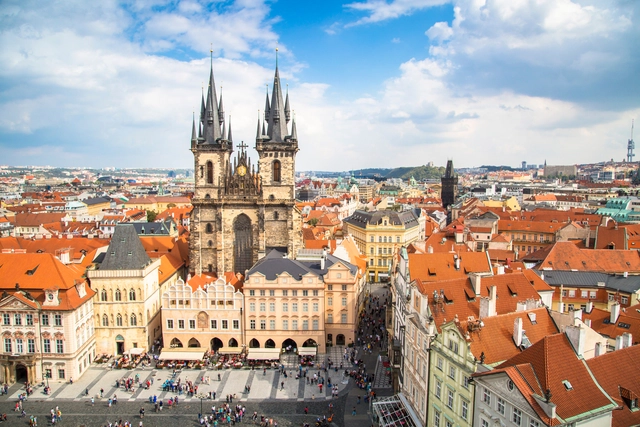
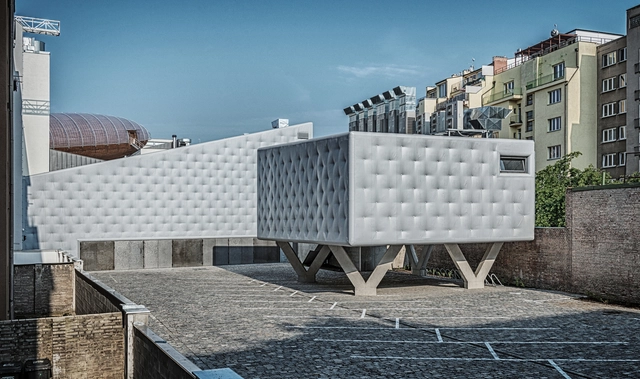
Prague, the capital of the Czech Republic, is one of Europe's best-preserved cities, having miraculously survived the widespread bombings of World War II. As the capital of the Czech Republic, Prague is home to over 1.3 million people and features an architectural heritage spanning centuries, covering a variety of architectural styles from Romanesque, Gothic, Renaissance, Baroque, and Rococo, to Modernist, Deconstructivism, and contemporary tendencies. The Old Town Square, where various architectural styles coexist, is a testament to this diversity. Known as the "Mother of all Cities," “the Golden City and “The City of a Hundred Spires,” Prague blends history and contemporary culture seamlessly. Its origins, steeped in legend, add to the city's charm.
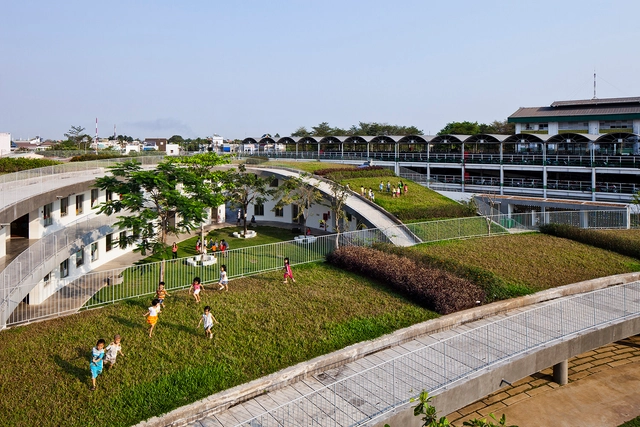
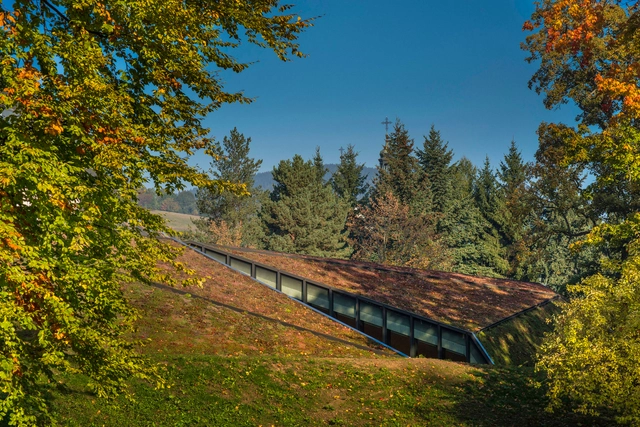
In the face of an unprecedented climate crisis, green roofs are increasingly establishing themselves as a global architectural trend, providing multiple social, economic, and environmental benefits in urban areas. Following the example of pioneering models like Copenhagen's, cities around the world are replacing gray roofs with green ones in an effort to move toward a more sustainable and healthy future. As a result, integrating green roofs has become a recurring practice in projects aiming to address the inherent challenges of the contemporary city.
Few cities combine history and contemporary culture like Prague. The so-called "Mother of all Cities" was spared from widespread destruction during World War II, and as a result, its diverse architecture dates back over a millennium. As a political, cultural and economic center of Europe, the city has become a significant metropolis balancing both its past and future as one of the world's most beautiful cities.