Bear and Terry

BROWSE ALL FROM THIS PHOTOGRAPHER HERE

Designing a Brand: How Apple Built an Architectural Language of Glass and Order

Audio available

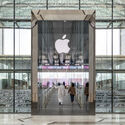
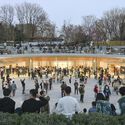
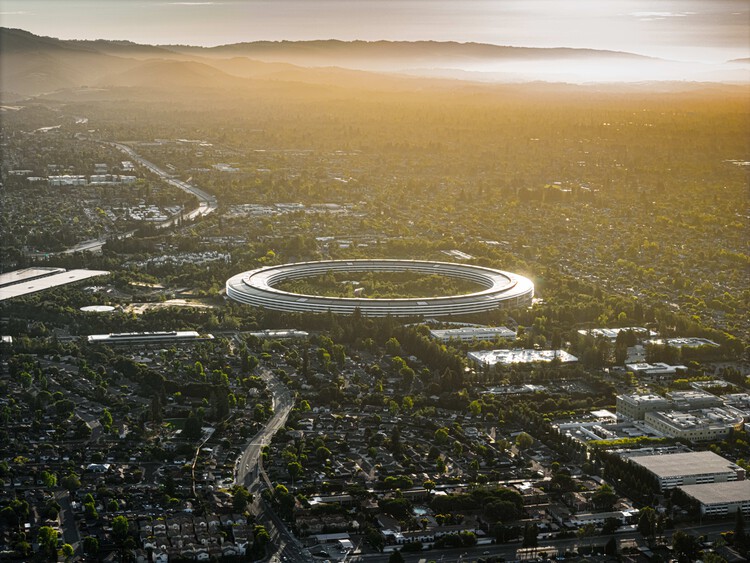
In 2026, Apple marked fifty years since its founding. Over the past two decades, Apple has developed a consistent architectural language that extends its brand into the built environment, transforming stores, workplaces, and public-facing spaces into active components of its identity. These environments guide movement, frame interaction, and condition the ways in which users encounter both products and the company itself.

From the handheld device to the urban interior, Apple has sought to maintain a high degree of control over form, material, and experience. Architecture becomes part of this system when the company begins to define how it is perceived and engaged with in physical space. Research on retail environments has shown how spatial layout, visibility, and circulation patterns can shape behavior and interaction, turning architecture into an interface between brand and user.
Designing a Brand: How Apple Built an Architectural Language of Glass and Order - Imagem 1 de 4Designing a Brand: How Apple Built an Architectural Language of Glass and Order - Imagem 2 de 4Designing a Brand: How Apple Built an Architectural Language of Glass and Order - Imagem 3 de 4Designing a Brand: How Apple Built an Architectural Language of Glass and Order - Imagem 4 de 4Designing a Brand: How Apple Built an Architectural Language of Glass and Order - More Images+ 10

Against the Grain: the Aesthetic Appeal of Wood in 30 Interiors Projects

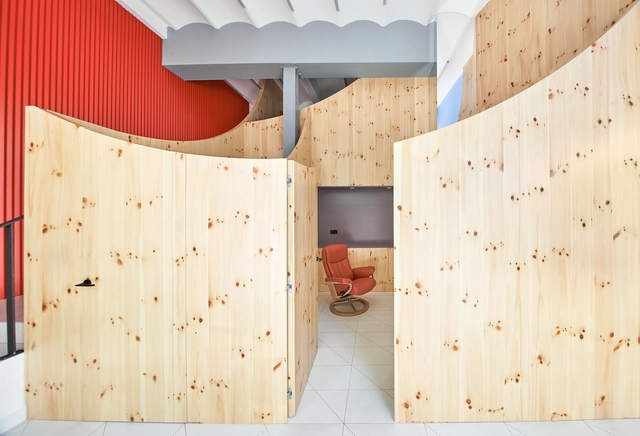
Throughout the annals of architectural history, timber has been a fundamental element in the evolution of building design and construction. From the ancient timber-framed structures of Japan to the medieval European cathedrals, timber's structural prowess and aesthetic appeal have left an indelible mark on human civilization. It wasn't until the Industrial Revolution's advent that a significant shift towards alternative building materials such as steel and concrete occurred, relegating the material to a secondary role in construction. As contemporary architects grapple with the consequences of climate change, however, timber has staged a remarkable comeback, offering an eco-friendly and structurally robust alternative. Internationally renowned firms are centering their designs around timber's potential, embracing its rich history while simultaneously harnessing advanced technologies to create awe-inspiring, sustainable structures that represent a harmonious blend of historical wisdom and modern innovation.

Against the Grain: the Aesthetic Appeal of Wood in 30 Interiors Projects - More Images+ 36

Best Architectural Projects of 2020

Best Architectural Projects of 2020 - More Images+ 97

On behalf of the entire ArchDaily team, we would like to thank you for your continued support and for making 2020 our best year so far! We are now reaching more architects around the world and inspiring them in the creation of better built environments. With more than 5500 different projects published during the year, our curators are excited to share this collection of the 100 most visited projects of 2020. This selection represents the best content created and shared by the ArchDaily community over the past 11 months.

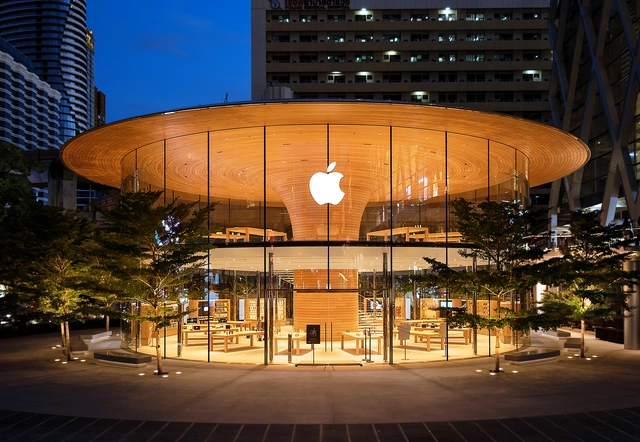
Apple Central World Bangkok / Foster + Partners

Apple Central World Bangkok / Foster + Partners - More Images+ 7

Khet Pathum Wan, Thailand
  • Architects: Foster + Partners
  • Year Completion year of this architecture project Year:  2020
  • Manufacturers Brands with products used in this architecture project
    Manufacturers:  Blumer Lehmann