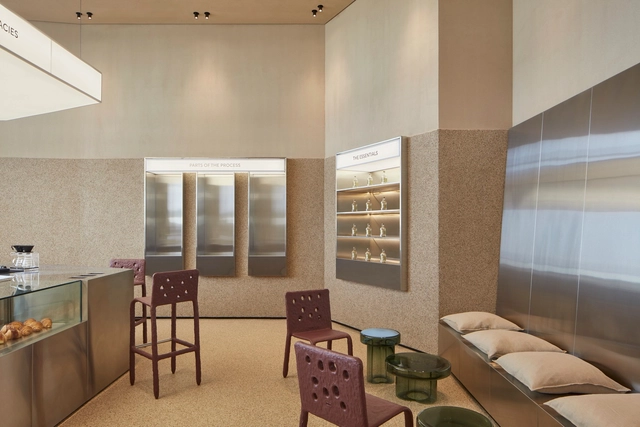
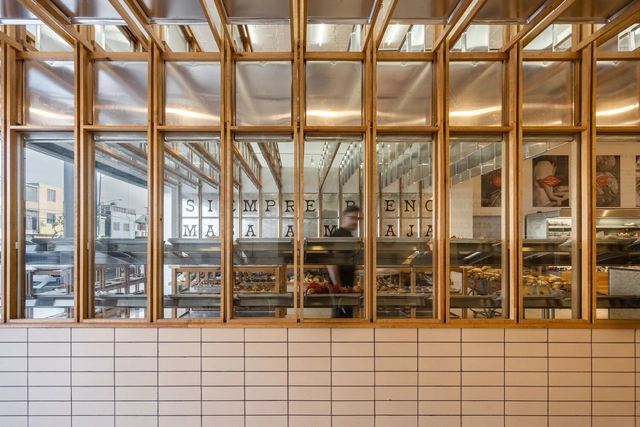
What is the link between architecture and pastry? What design strategies are applied in the contemporary interiors of bakeries and pastry shops? While architecture can serve as inspiration for the design of forms and configurations of edible elements, it also contributes the techniques of descriptive drawing, architectural composition, and staged planning to the culinary language. Focusing their thinking on people and their needs, both disciplines strive for precision, with interior design being a broad field where the use of figures, colors, materials, and various equipment can be explored to enhance user experiences.
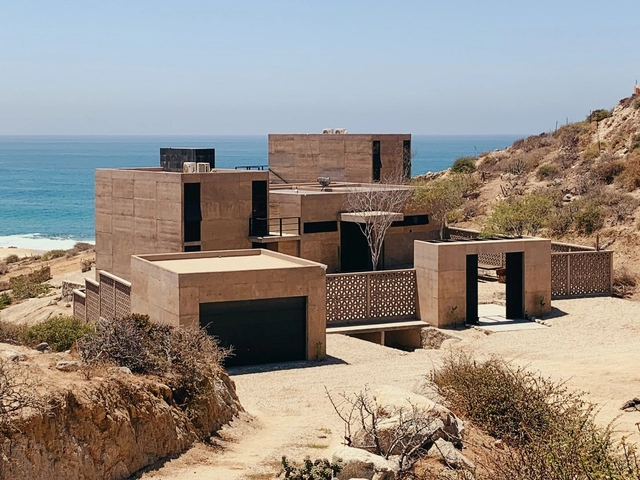
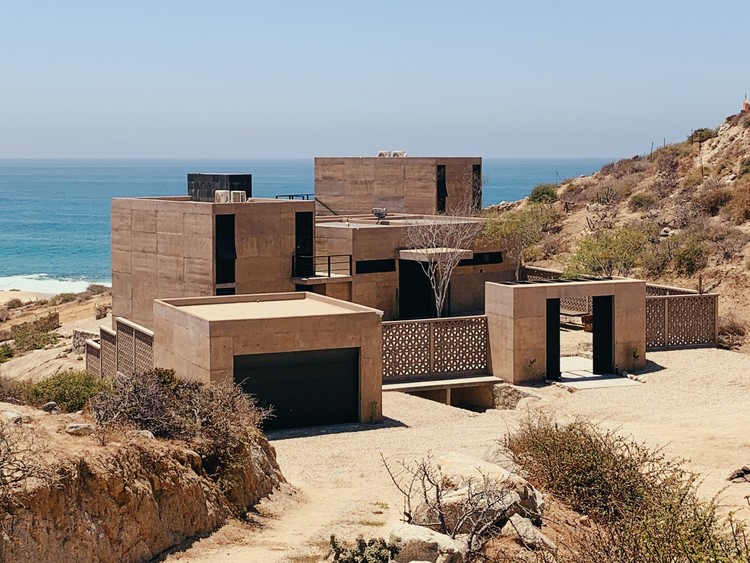
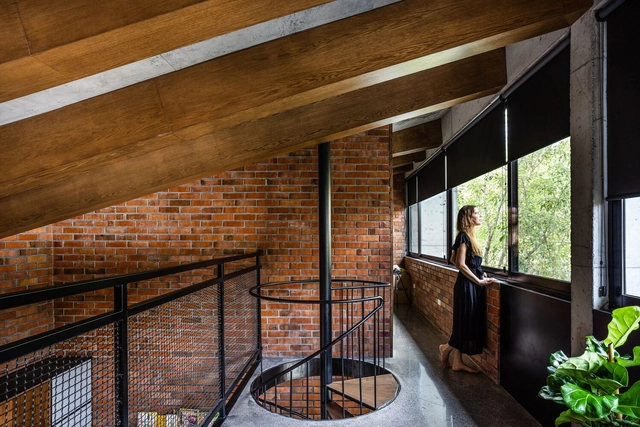
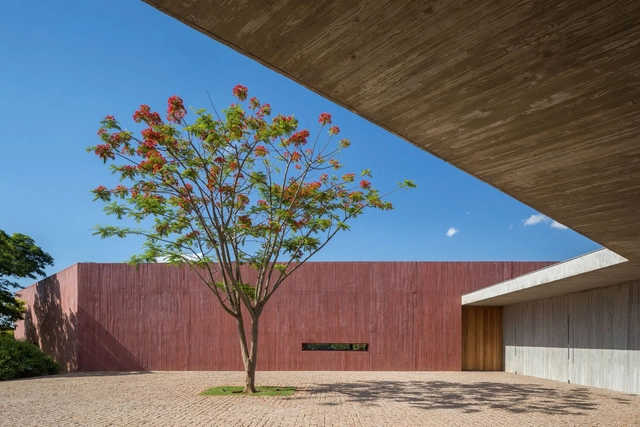
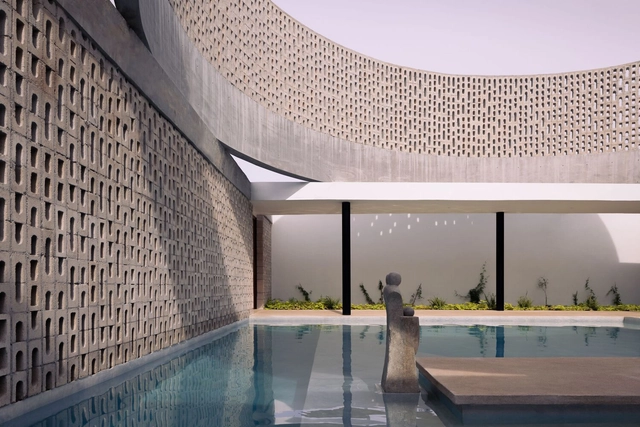
The use of pigmented concrete in Latin American architecture is growing - and influencing contemporary architectural expression. This can be seen in recent built works ranging from the INES Innovation Center designed by Pezo von Ellrichshausen in Chile to the Teotitlán del Valle Community Cultural Center by PRODUCTORA in Mexico.
The award ceremony for the 11th edition of the Interceramic Architecture and Interior Design Award was held at the Cabañas Museum in Guadalajara. With more than 1,000 entries this year, the prize promotes and recognizes projects that reflect contemporary design and represent the state of architecture and interior design, while also honoring creativity in the use of Interceramic ceramic materials.
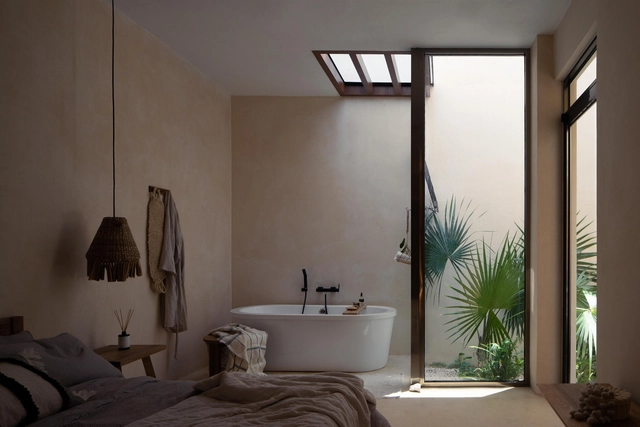
Over the years, interior design has evolved according to the needs that arise, but above all according to the experiences it seeks to evoke in the user. In the last two years we have witnessed a radical change and a special interest in this subject because the pandemic forced us to pay specific attention to the configuration of the places we inhabit. This brought about much more holistic designs that seek to address the wellbeing of the user, combining colours, sensory experiences, technology and natural elements that promote health.
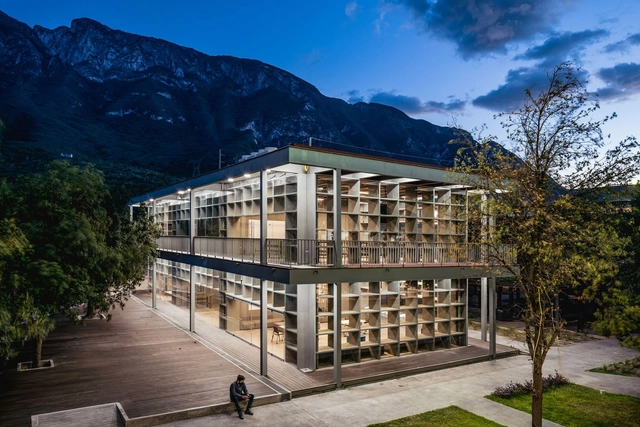
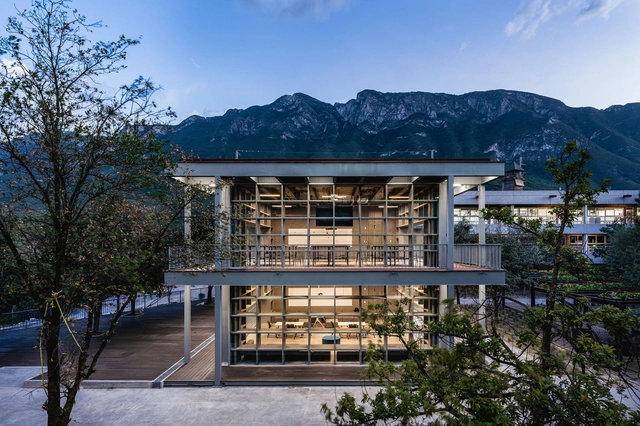
On Thursday, October 28, as part of the Nuevo Léon Architecture Biennale, the XXI Professional Calli Awards ceremony took place. Honorable mentions, Crystal Calli awards, and silver and gold medals were presented, representing the most prestigious recognitions awarded by the Association of Architects to the best academic and professional projects developed over the last two years.
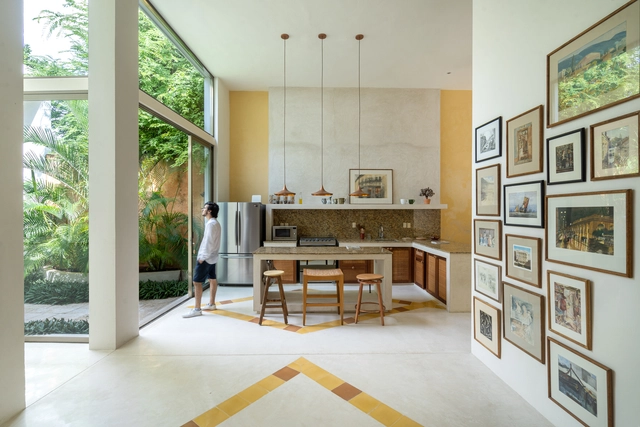
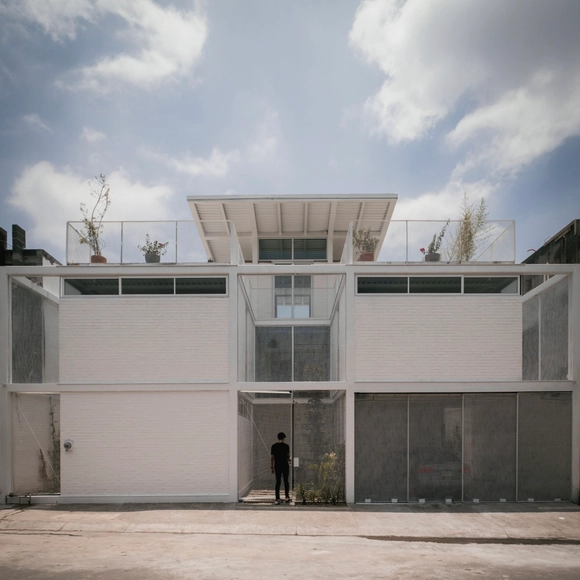
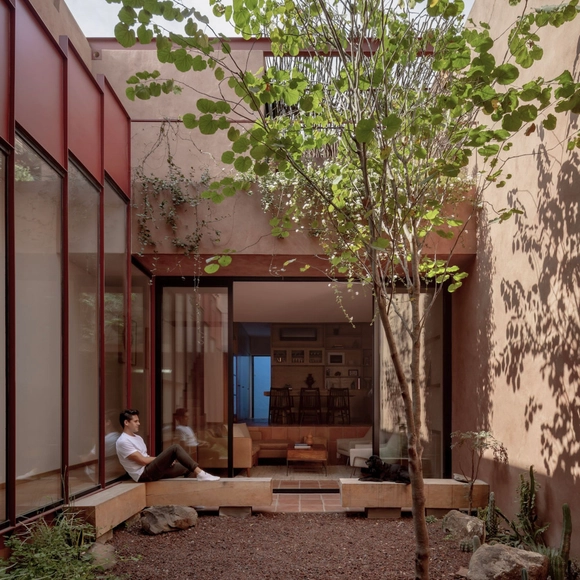
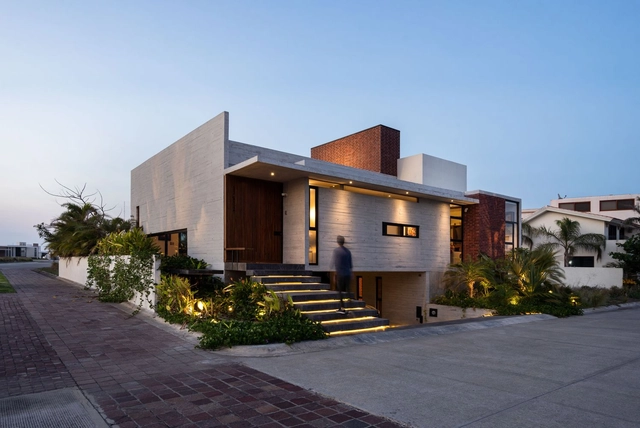
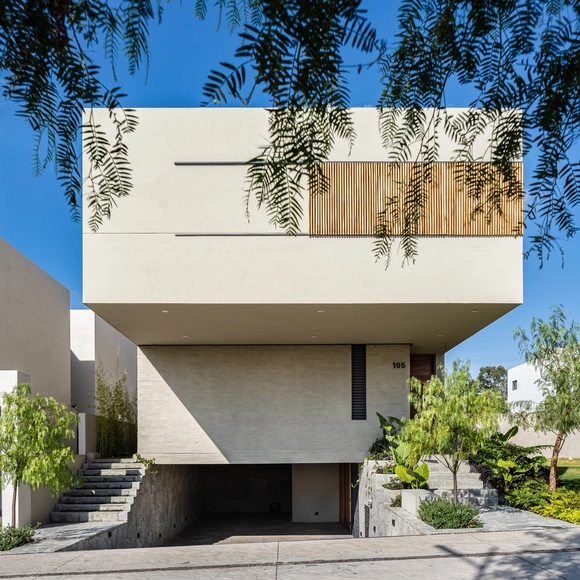
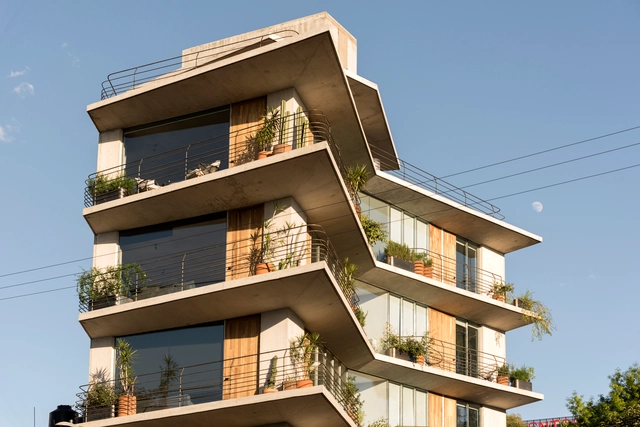
One of the most critical factors in architectural design is the site's specific climate. While this can present challenges in extreme conditions—requiring insulating materials to adapt to shifting environments—Mexico's privileged climate works in the architects' favor. It allows them to create microclimates and spaces that blur the boundary between indoors and outdoors.
























.jpg?1594917129&format=webp&width=230&height=230&crop=true)