


-
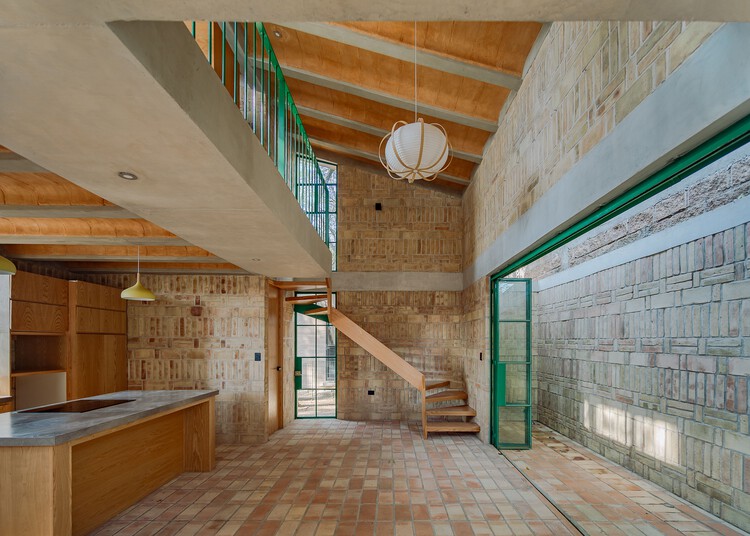
Architects: Estudio Tecalli
- Area: 74 m²
- Year: 2025


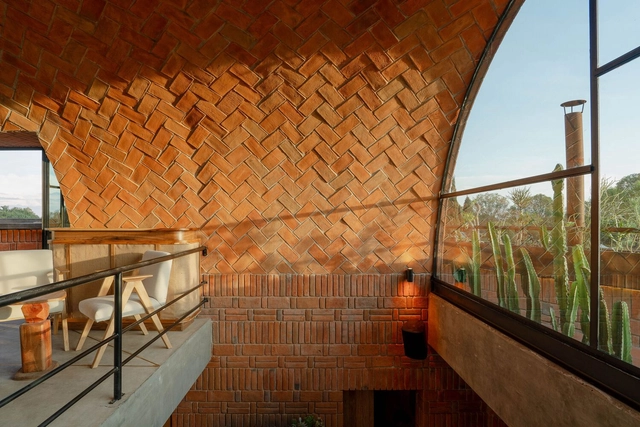
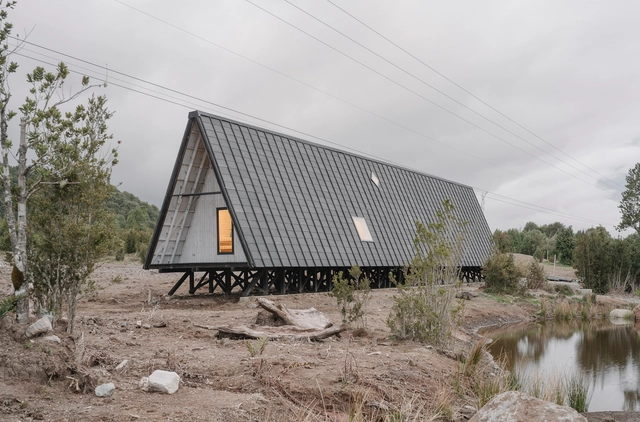
ArchDaily's curatorial team strives every day to present our readers with the most significant, inspiring, and innovative projects, while also ensuring a diverse representation of global architecture.
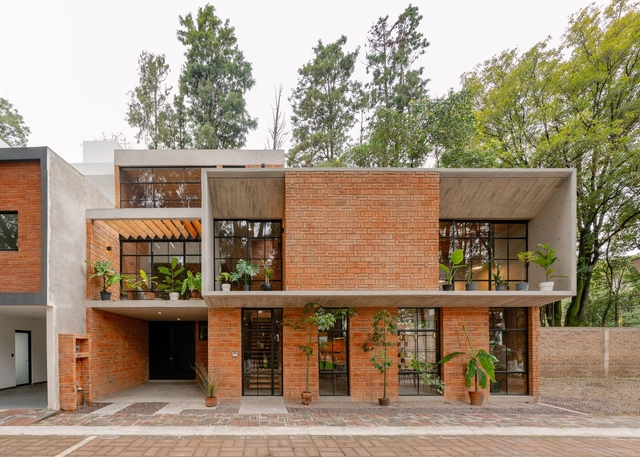
As part of our 2023 Year in Review retrospective on ArchDaily, we look back and reflect on what was published over the past year. Residential architecture remains one of our most visited categories of built projects, generating immense interest among our users worldwide. With this in mind, we have selected the 50 best houses published this year on ArchDaily en Español, offering a brief showcase of the form and character of residential architecture across the Spanish-speaking world.
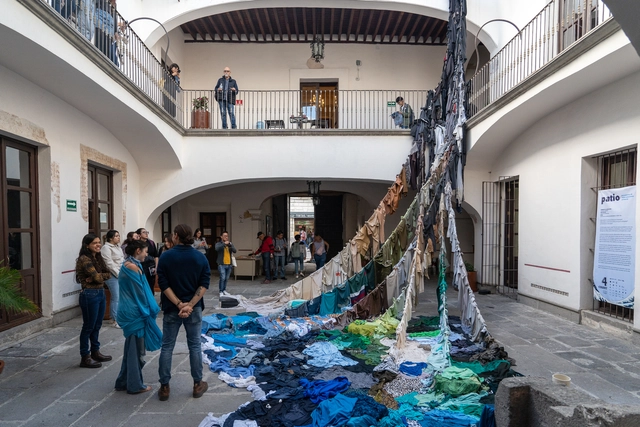
As part of an initiative by a group of young people who make up Patio Efímero, early in 2023 the open call was launched for the "Patio 4 Competition: Meeting of Ephemeral Interventions" in collaboration with the National System of Art Creators of the Federal Ministry of Culture, CREST EVOCA, El Parral Departamentos, and the Management of the Historic Center and Cultural Heritage of the Municipality of Puebla. The invitation was extended to plastic, graphic, visual, and multidisciplinary artists, as well as established and emerging architects, to participate in the fourth edition of Patio Efímero.
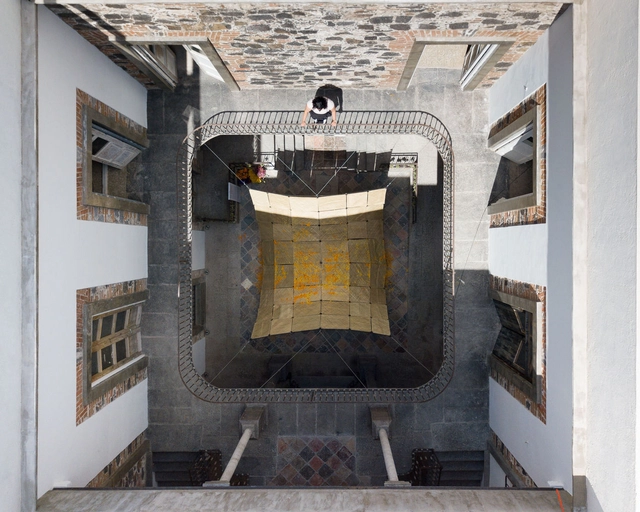
Following an invitation from the Municipal Government of Puebla, Mexico, through the Office of the Historic Center and Cultural Heritage, "Patio Efímero, the festival of contemporary art, architecture, and heritage," better known as "Patio Efímero," will represent Puebla at Berlin Design Week 2023. This year's central theme is resilience; accordingly, the Puebla-based collective responsible for organizing the festival will address the September 19, 2017 earthquake and the COVID-19 pandemic—events that have shaped all three editions of the project.
.jpg?1587612590&format=webp&width=640&height=580)
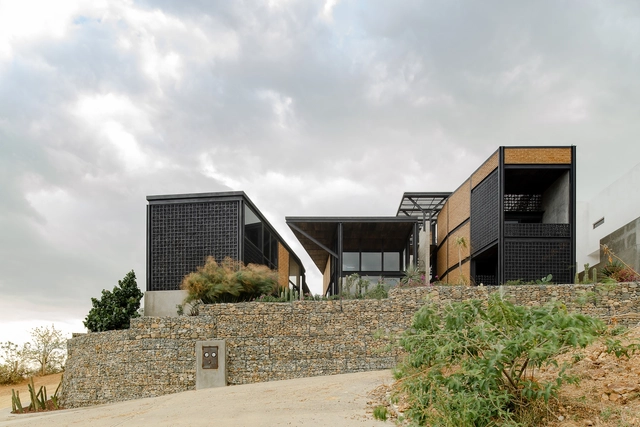
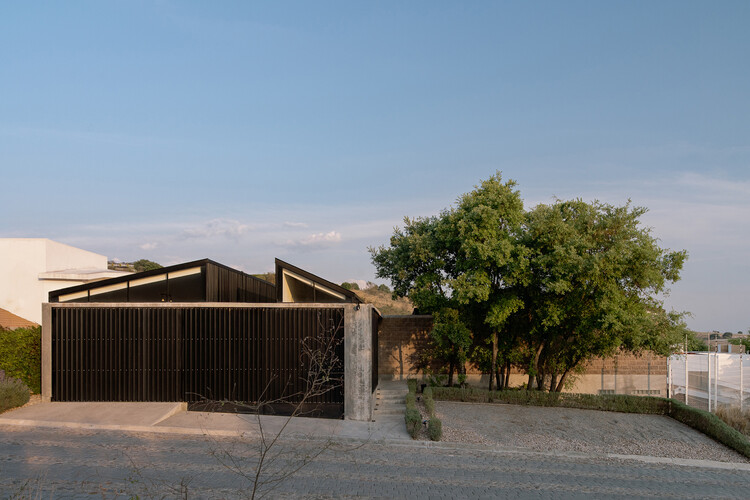
Climate is one of the key factors to take into consideration when designing a space. Of course, this can present a challenge, especially when dealing with extreme climates and the need for insulating materials that are able to adapt to a wide range of conditions. Luckily, for architects operating in Mexico, the country's privileged climate facilitates the creation of microclimates and spaces that blur the line between interior and exterior.
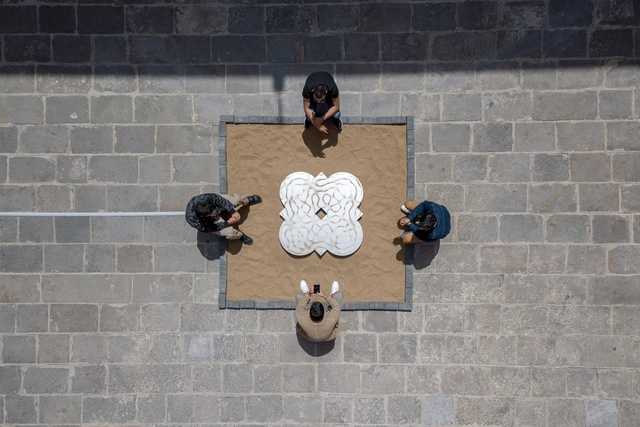
Initiated by Patio Efímero—a collective of young creatives—the open call for the "Patio 3 Competition: Encounter of Ephemeral Interventions" was launched in early 2022. Organized in collaboration with the National System of Art Creators of the Federal Ministry of Culture, the Puebla State Ministry of Culture, Museos Puebla, the Municipal Institute of Art and Culture of Puebla, the Municipal Ministry of Economy and Tourism of Puebla, and the Historic Center and Cultural Heritage Management Office of the Municipality of Puebla, the call invited established and emerging graphic, visual, and multidisciplinary artists, as well as architects, to participate in the third edition of Patio Efímero.

_ok.jpg?1642619871&format=webp&width=640&height=580)










.jpg?1587612634&format=webp&width=230&height=230&crop=true)


.jpg?1587612590)


_ok.jpg?1642620010&format=webp&width=230&height=230&crop=true)
_ok.jpg?1642619958&format=webp&width=230&height=230&crop=true)
_ok.jpg?1642619974&format=webp&width=230&height=230&crop=true)
_ok.jpg?1642619992&format=webp&width=230&height=230&crop=true)
_ok.jpg?1642619871)


